.png)


Types of Packaging Materials and Their Uses in Export Logistics

Optimize your business: use unlimited savings with Pazago fulfilled now!
Get Started ->Freight costs rise without warning. Containers get reworked at the last minute because cartons fail a drop test. Moisture weakens corrugated boxes during sea transit. Buyers question damaged goods. A small packaging miscalculation can increase volumetric weight, inflate ocean freight costs, trigger customs scrutiny, or even result in cargo rejection at the destination. What appears to be a simple packaging choice often turns into higher landed costs, insurance disputes, or strained buyer relationships.
The right packaging material changes that equation. Choosing materials based on transit risk, container use, product sensitivity, and compliance gives you better cost control and shipment stability. With the global packaging market projected to reach USD 1.69 trillion by 2034, making smart packaging decisions is more important than ever. A strategic packaging decision reduces damage, delays, and unexpected costs.
This guide explores the different types of packaging materials, their uses, practical trade-offs, and how exporters can make choices that minimise damage, delays, and extra costs.
Key Takeaways:
- Packaging materials affect freight costs, container utilization, damage prevention, and compliance, making the right choice critical for export success.
- Common materials include paper, corrugated cartons, plastics, wood, metal, glass, and flexible packaging, each with unique strengths, weaknesses, and use cases.
- Protective and specialised packaging such as bubble wrap, molded inserts, vacuum films, and desiccants help prevent damage during long shipments and fragile cargo handling.
- Sustainable and smart packaging, like biodegradable, recyclable, lightweight, and sensor-enabled materials, matters for meeting regulations, buyer requirements, and avoiding shipment issues.
- When selecting packaging, consider freight type, product fragility, package weight, stacking limits, compliance rules, buyer requirements, and overall cost impact.
What are Packaging Materials and Why It Matters
Packaging materials refer to the physical substances used to wrap, contain, cushion, protect, and present goods during storage and transportation. They determine how your cargo behaves during inland transport, port handling, container stacking, ocean transit, and final delivery.
Here’s why it matters:
- Freight cost impact: Bulky or heavy packaging increases chargeable weight, which can raise ocean freight costs significantly.
- Container optimization: Poor carton sizing can waste container space, reducing the number of units shipped per container.
- Damage prevention: Weak packaging may collapse under stacking pressure during sea transit, leading to claims and buyer disputes.
- Moisture protection: Long ocean journeys expose cargo to humidity changes. Without proper barriers or desiccants, goods may arrive damaged.
- Compliance risk: Non-compliant wooden pallets (without ISPM-15 treatment) can result in shipment holds or rejection at destination.
- Insurance claims: Improper packaging can weaken your insurance claim position if damage occurs in transit.
Next, let's discuss the main categories of packaging materials used in exports.
Types of Packaging Materials
There are several types of packaging used across industries. For Indian exporters, choosing among these types of packaging requires evaluating durability, weight, cost, and export suitability.
1. Paper and Corrugated Packaging
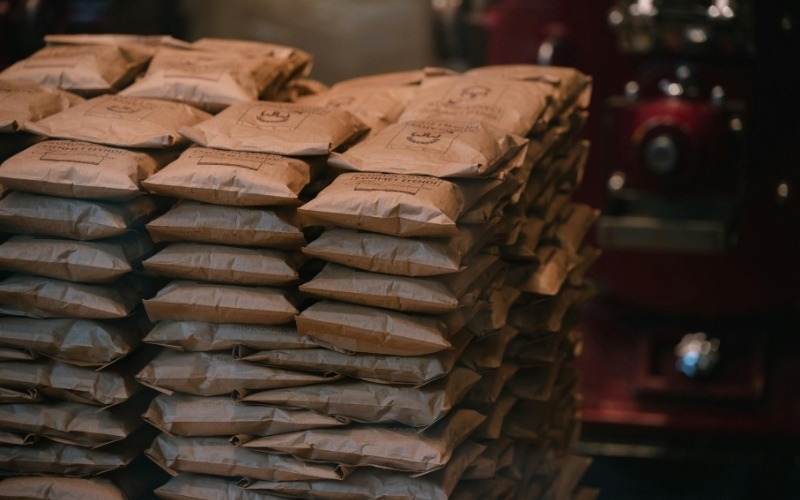
Paper-based packaging is one of the most commonly used packaging types in export trade. It is widely used for secondary and tertiary packaging due to cost control and flexibility in sizing.
Corrugated cartons are suitable for:
- Garments and textiles
- Processed foods
- FMCG products
- Consumer goods shipments
Key considerations are:
- Bursting strength and compression capacity for container stacking
- Resistance to humidity during sea transit
- Suitability for palletized vs floor-loaded containers
Paper packaging performs well when correctly graded. Exporters often underestimate carton strength requirements, which can lead to product damage and disputes with buyers.
2. Plastic Packaging Materials

Plastic remains one of the most versatile types of packaging due to its durability and moisture resistance. It is commonly used for both primary and protective packaging.
Examples include:
- Polybags and liners
- Shrink wrap and stretch film
- HDPE drums
- PET bottles and containers
For exporters, plastic packaging offers:
- Protection against moisture ingress
- Better tear resistance during handling
- Flexibility for irregular-shaped products
Plastic packaging is cost-effective but must meet regulatory requirements to avoid customs delays.
3. Wooden Packaging (Pallets and Crates)
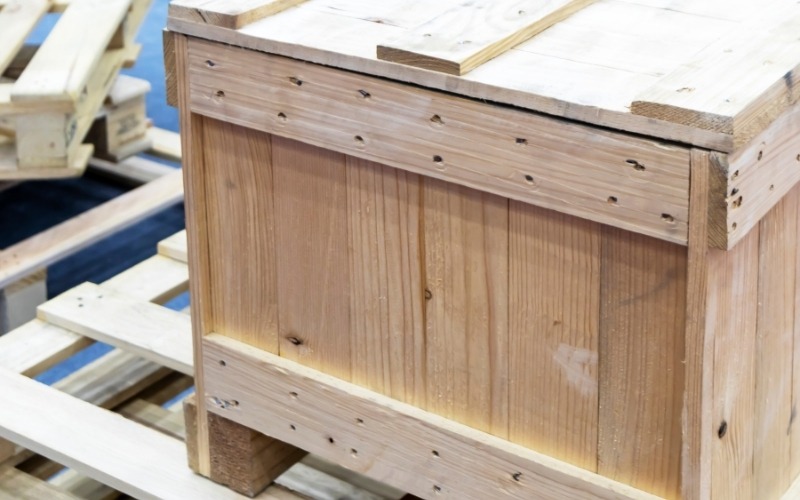
Wood provides structural strength for heavy goods. Exporters must ensure regulatory compliance and proper certification to prevent shipment rejection.
Common applications include:
- Machinery and engineering goods
- Auto components
- Large-format furniture
- Heavy industrial equipment
Wood is useful for:
- Load-bearing strength
- Forklift handling
- Long-distance structural stability
However, exporters must account for:
- ISPM-15 heat treatment requirements
- Proper stamping and certification
- Potential inspection at destination ports
Wood is strong but requires strict regulatory adherence to avoid delays or penalties.
4. Metal Packaging
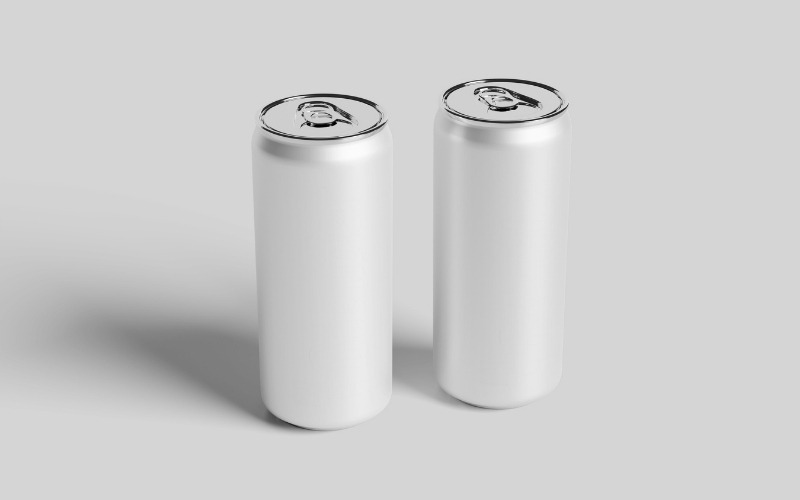
Metal packaging is commonly used for industrial liquids, chemicals, edible oils, and paints. It offers high durability and tamper resistance.
Typical forms include:
- Steel drums
- Aluminum cans
- Metal tins
From an export perspective, metal packaging provides:
- Strong barrier protection
- Resistance to physical impact
- Suitable containment for hazardous or sensitive goods
Exporters should evaluate:
- Internal coating quality to prevent contamination
- Corrosion resistance during long sea exposure
- Weight impact on freight cost
Metal packaging performs well under rough transit but increases shipment weight, so exporters should plan freight costs accordingly.
5. Glass Packaging

Glass is used for beverages, cosmetics, pharmaceuticals, and specialty food products. It provides strong barrier protection and maintains product purity.
Glass packaging is chosen for:
- High-end product positioning
- Chemical resistance
- Non-reactive storage
However, exporters must account for:
- Breakage risk during LCL consolidation
- Added freight weight
- Requirement for internal cushioning and partitioning
Without proper stabilization, vibration during transit may cause invisible hairline cracks, leading to product damage and potential buyer disputes.
6. Flexible Packaging Materials
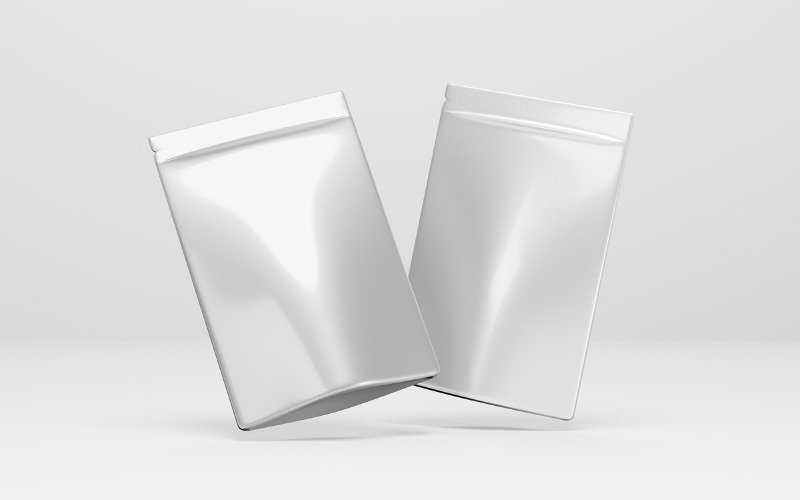
Flexible packaging includes laminated pouches, multi-layer films, and vacuum-sealed bags. These are widely used for food products, spices, and consumer goods.
Exporters prefer flexible packaging because it:
- Reduces overall shipment weight
- Improves space utilization
- Offers barrier protection against air and moisture
Before selection, exporters should check:
- Seal integrity for long transit
- Shelf-life compatibility
- Temperature sensitivity
Flexible packaging is cost-effective but must be tested for export durability.

Also Read: Dunnage: Its Importance, Uses, and Different Types in Shipping
Each material performs differently under sea transit conditions, container stacking pressure, and long-haul shipping environments.
Now let’s examine materials specifically designed for protection and specialized cargo needs.
Protective & Specialized Packaging Materials
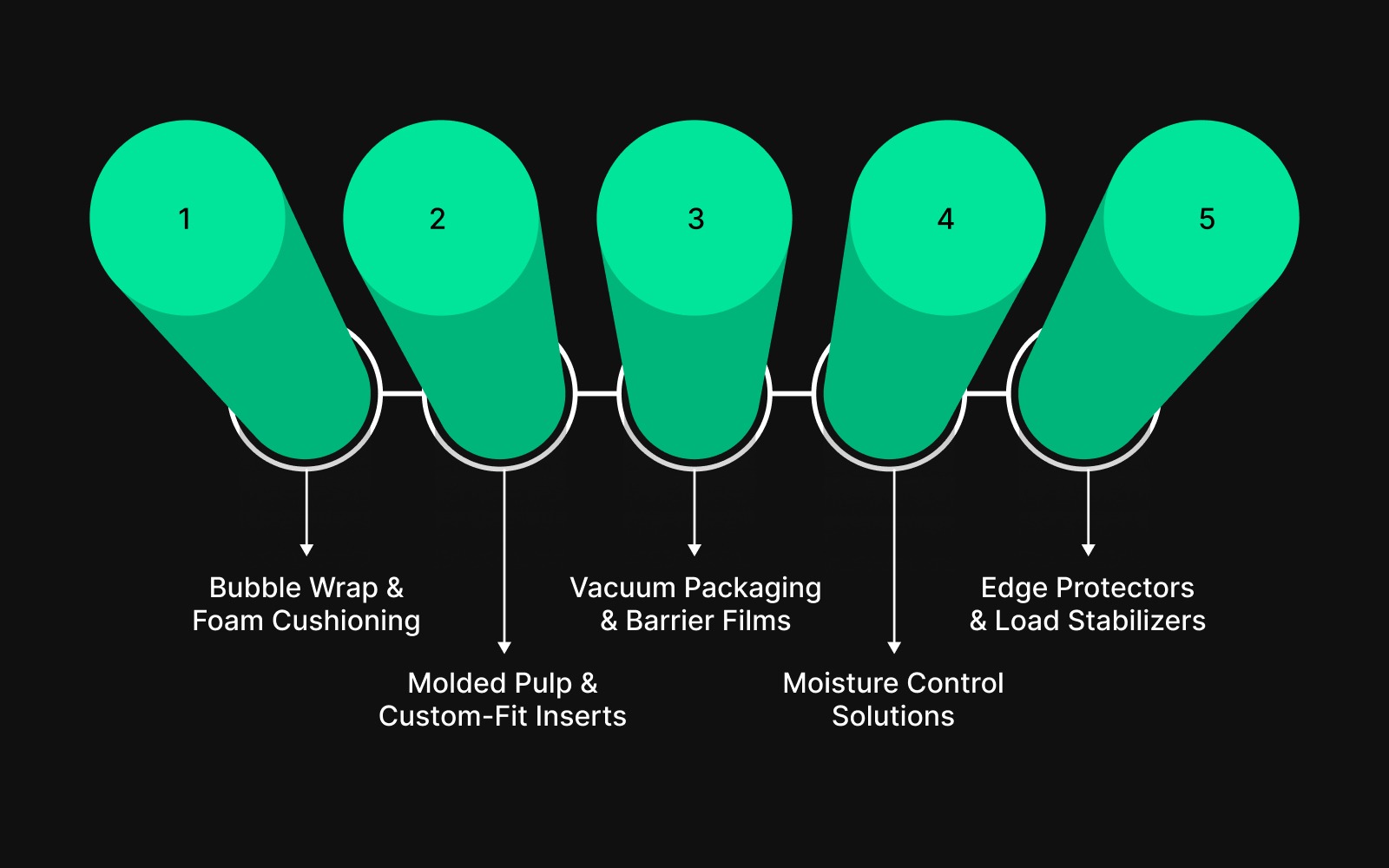
For export logistics, especially long ocean or multimodal transit, basic packaging often isn’t enough. Exporters should consider specialized protective materials that protect cargo against movement, shocks, moisture, and compression during transit.
1. Bubble Wrap and Foam Cushioning
Fragile goods rarely break because of one major impact. Most damage happens due to continuous vibration and minor shocks during long sea transit.
Used for:
- Glassware
- Electronics
- Ceramic products
- Precision components
Why it matters for exporters:
- Absorbs shock during container movement
- Reduces micro-cracks that appear only at the destination
- Protects goods in LCL shipments where stacking pressure varies
For longer routes, calculate cushioning thickness and density based on fragility and stacking load to reduce damage risk.
2. Molded Pulp and Custom-Fit Inserts
When products shift inside cartons, internal friction leads to scratches, cracks, and structural weakness. Custom inserts prevent that movement.
Used for:
- Bottles and jars
- Consumer electronics
- Small machinery parts
- Premium retail exports
Why it matters for exporters:
- Keeps products locked in position
- Reduces internal impact damage
- Improves presentation for buyer inspections
Molded pulp is increasingly preferred in markets restricting excessive plastic. Check moisture exposure for sea shipments to avoid damage.
3. Vacuum Packaging and Barrier Films
Certain goods degrade not because of physical impact but due to air and moisture exposure.
Used for:
- Spices and agro products
- Processed foods
- Metal components
- Textile exports
Why it matters for exporters:
- Reduces oxygen exposure
- Controls moisture penetration
- Extends shelf life during long transit
For shipments crossing humid regions, combine barrier films with desiccants to maintain product quality.
4. Desiccants and Moisture Control Solutions
Container condensation is one of the most overlooked risks in ocean freight. Temperature differences between day and night create moisture droplets inside containers.
Used for:
- Leather goods
- Garments
- Wooden furniture
- Metal and engineering parts
Why it matters for exporters:
- Prevents mold growth
- Reduces corrosion
- Protects surface finish
Calculate desiccant requirements based on container size, cargo type, and voyage duration, not guesswork.
5. Edge Protectors, Strapping, and Load Stabilizers
Even well-packed cartons can collapse under stacking pressure if pallet stability is weak.
Used for:
- Heavy cartons in FCL shipments
- Machinery exports
- High-stack pallet loads
Why it matters for exporters:
- Maintains pallet structure
- Prevents carton deformation
- Reduces top-load compression damage
Proper load stabilization reduces claims and protects buyer confidence, especially for enterprise shipments.
With increasing global sustainability expectations, exporters must also consider environmentally responsible materials.
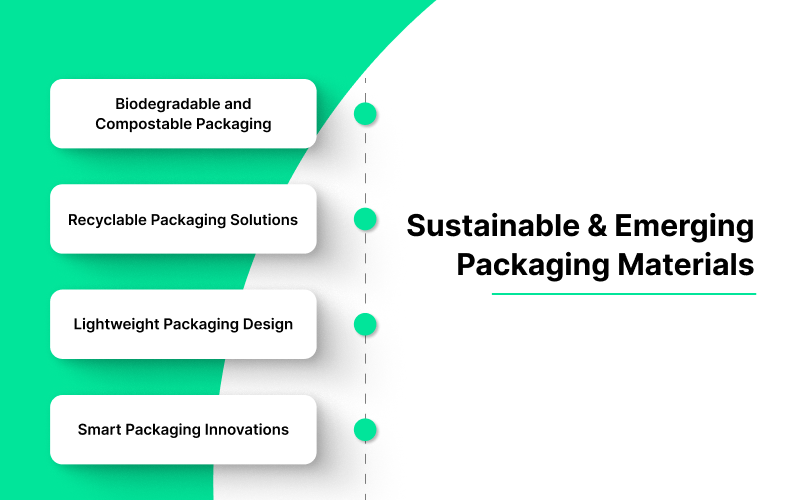
Sustainable & Emerging Packaging Materials
Sustainability is no longer limited to branding. Many international buyers now require reduced plastic use and recyclable packaging.
Indian exporters must weigh eco-friendly packaging against cost, durability, and compliance.
1. Biodegradable and Compostable Packaging
Biodegradable materials, often made from plant fibers or starch blends, break down naturally after disposal. Compostable packaging provides a similar benefit but meets specific certification standards.
Uses: Food items, cosmetics, light consumer goods
Advantages for exporters:
- Reduces buyer concerns about waste
- Suitable for EU and North American eco-conscious markets
Exporter tip: Some biodegradable materials may weaken in humid or long-duration sea transit. Test under container conditions before shipping.
2. Recyclable Packaging Solutions
Recyclable packaging involves materials that can be processed and reused, like mono-material plastics or paperboard. Unlike compostable options, these are designed for secondary processing at the destination.
- Uses: FMCG, retail goods, industrial packaging
Advantages for exporters:
- Meets buyer sustainability requirements
- Often lighter than traditional packaging, reducing volumetric freight costs
Exporter tip: Verify destination-country recycling systems. Misalignment can lead to shipment rejection or buyer dissatisfaction.
3. Lightweight Packaging Design
Reducing packaging thickness while maintaining strength is a key emerging trend. Lightweight packaging minimizes material usage and lowers shipping costs without increasing product risk.
Uses: Apparel, electronics, non-fragile consumer goods
Advantages for exporters:
- Improves container space utilization
- Reduces volumetric weight charges for LCL shipments
Exporter tip: Ensure reduced material thickness does not compromise structural integrity during stacking or handling at ports.
4. Smart Packaging Innovations
Smart packaging integrates technology to provide additional insights or protection. Common examples include QR-coded labels, temperature indicators, and moisture sensors.
Uses: Pharmaceuticals, perishable food, high-value electronics
Advantages for exporters:
- Allows monitoring of temperature or humidity during transit
- Helps prevent disputes over damaged goods
Exporter tip: While not mandatory for all exports, smart packaging can reduce damage risk and maintain buyer confidence.
Also Read: Eco-Friendly Packaging Materials: Best Practises for Sustainable Logistics
Sustainable and smart packaging decisions must be balanced with freight and compliance realities. The next section explains how to make practical choices.
How to Choose the Right Packaging Material for Your Product
Selecting among the different types of packaging materials requires a structured evaluation.
Below are key considerations Indian exporters must account for before finalizing packaging.
- Freight Mode & Container Type: LCL shipments face more handling and stacking risk than FCL. Stronger packaging is essential for shared containers.
- Product Fragility & Transit Duration: Fragile or moisture-sensitive goods need cushioning, barrier films, or desiccants to survive long ocean voyages.
- Volumetric Weight & Freight Cost: Bulky packaging increases chargeable weight. Optimizing size and weight reduces shipping expenses and improves container utilization.
- Destination Compliance Requirements: Ensure wooden packaging meets ISPM-15 standards, and labeling meets buyer or regulatory rules to avoid customs delays.
- Buyer Specifications: Some buyers set packaging norms. Aligning with these standards avoids disputes and protects payment timelines.
- Stacking & Load Considerations: Evaluate how your packaging will withstand container stacking and handling during transshipment.
- Cost vs Protection Balance: Packaging should protect the product without unnecessarily increasing freight costs or handling complexity.

Once packaging decisions are made, coordination with logistics planning becomes essential. This is where a logistics-focused partner like Pazago plays a role.
How Pazago Simplifies Packaging and Export Logistics
Choosing packaging materials isn’t just about the box; it’s about ensuring that packaging supports export success at every stage.
Pazago supports Indian exporters by aligning packaging decisions with logistics realities.
- Packaging Guidance Aligned to Export Needs: Pazago helps exporters align packaging decisions with container planning, freight costs, and shipment execution.
- Comprehensive Sales Support Before and After Shipment: Exporters often struggle with packaging documentation and compliance. Pazago’s team supports exporters in preparing packing lists, HS codes, and export documentation to avoid costly holds or penalties at ports.
- Assured Container Booking & Load Coordination: Packaging choices influence how goods are loaded into containers. Pazago ensures container availability and smooth coordination with factories/CFS, helping exporters optimize container utilisation while protecting goods.
- Daily Status Reports (DSRs) for Visibility: Once goods are in transit, Pazago’s DSRs keep exporters informed of container movements and any changes in vessel schedules, enabling exporters to coordinate buyer communications and mitigate risk.
By tying packaging decisions to operational control and visibility, Pazago helps Indian exporters base logistics decisions on real conditions rather than assumptions, reducing risk and protecting buyer relationships.
Conclusion
Packaging materials are more than outer coverings. For Indian exporters, they directly affect freight cost, container utilization, compliance risk, and buyer satisfaction. Choosing the right material reduces damage, prevents delays, and protects margins during long sea transit.
As global markets move toward recyclable, lightweight, and compliant packaging solutions, exporters must evaluate the trade-off between sustainability and transit durability. With the right logistics coordination, exporters gain better control over timelines and freight outcomes.
If you are reviewing your export packaging approach and want logistics support that aligns with your shipment realities, connect with Pazago to plan your next shipment with clarity and control. Contact us today.
FAQs
1. How is corrugated fiberboard applied in packaging?
Corrugated fiberboard is widely used for shipping boxes, protective packaging, and storage cartons. Its layered structure provides strength, cushioning, and durability, making it ideal for transporting fragile or heavy products while keeping costs relatively low.
2. When should glass containers be used for packaging?
Glass containers are best used when products require strong barrier protection against air, moisture, or chemicals. They are commonly used for food, beverages, cosmetics, and pharmaceuticals because glass is non-reactive, recyclable, and preserves product quality.
3. What roles do metal materials play in packaging?
Metal materials such as aluminum and steel are used for cans, foils, and closures. They provide excellent protection against light, oxygen, and moisture, extending shelf life while maintaining product safety, especially for food, beverages, and aerosol products.
4. How does paper-based packaging like chipboard differ from cardboard?
Chipboard is made from recycled paper pulp and is thinner and more lightweight, often used for cereal boxes or product packaging. Cardboard, particularly corrugated cardboard, is thicker and stronger, making it better suited for shipping and protective packaging.
5. How do polyolefin and polyethylene films compare in uses?
Polyolefin films are often used for shrink wrapping and retail packaging due to their clarity and strong seal. Polyethylene films are more flexible and moisture-resistant, commonly used for plastic bags, liners, and protective packaging applications.