.png)


How Automated Shipping Works: Process & Benefits

Optimize your business: use unlimited savings with Pazago fulfilled now!
Get Started ->For businesses handling high volumes of orders, logistics can quickly become a major source of frustration. Every delayed shipment, inventory mismanagement, or human error adds to operational stress and hampers growth. These issues not only impact the bottom line but also create a negative customer experience, leading to frustrated buyers and lost brand loyalty. In fact, 60% of supply chain professionals say that improving logistics is one of their top priorities for business success, according to Gartner.
In India, where the logistics sector is expected to grow significantly, these challenges are becoming more pronounced. As demand for faster deliveries grows, businesses are under pressure to streamline their operations. That’s where automated shipping comes in.
In this blog, we’ll explore how automated shipping works, its benefits, and how it can help you overcome the common pain points in logistics, from operational inefficiency to poor customer satisfaction.
Key Takeaways:
- Automated shipping uses technology to streamline and optimize the shipping process, reducing the need for manual labor.
- Supply chain disruptions and inventory management issues are reduced through automation.
- Robotic Process Automation (RPA), autonomous vehicles, and AI-powered systems are transforming the logistics industry.
- Automated shipping can lead to faster delivery times, cost reductions, and error minimization.
- Adopting automated shipping systems may require significant investment, but the long-term advantages outweigh the initial costs.
What is Automated Shipping?
Automated shipping refers to the use of technology and robotics to automate processes in the shipping and logistics industry. It involves the automation of tasks that were traditionally done manually, such as sorting, packaging, inventory management, and even delivery.
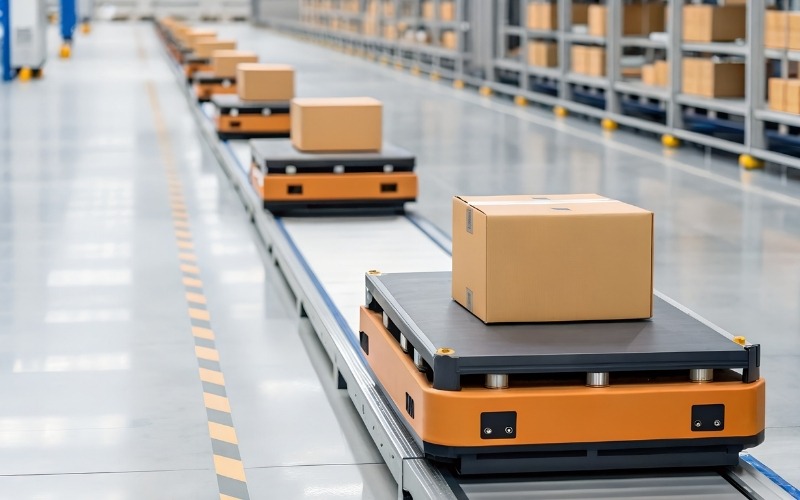
Key Technologies in Automated Shipping
- Robotic Process Automation (RPA): Automated systems that handle repetitive tasks like data entry and shipment tracking.
- Autonomous Vehicles and Drones: Driverless trucks and drones that transport goods to reduce human involvement in the shipping process.
- AI and Machine Learning: These technologies optimize routing, predict demand, and help manage inventory.
Once you understand how automated shipping operates, it’s important to explore its core types and how these technologies are revolutionizing logistics.
Types of Automated Shipping
There are several types of automated shipping technologies, each designed to enhance specific aspects of logistics. Understanding these options can help businesses determine which solution fits their needs best.
- Robotic Warehouse Systems: These systems use robots to automate tasks like picking, sorting, and packing. Robotic systems work alongside human workers, reducing the need for manual labor in warehouses and increasing processing speed.
- Autonomous Delivery Vehicles: Self-driving trucks and drones are becoming increasingly common in logistics, offering faster, more efficient transportation. These vehicles use GPS, sensors, and AI to navigate and deliver goods, significantly cutting delivery times and costs.
- Automated Sorting Systems: Automated sorting systems use conveyors and robotic arms to sort packages based on size, weight, and destination. This allows companies to automate and streamline the sorting process, reducing human error and processing time.
- AI-Driven Optimization: Artificial intelligence is used to optimize shipping routes, predict delivery times, and even forecast demand. AI-powered tools help logistics companies make real-time decisions that minimize delays and maximize efficiency.
After you understand the types and how automation works, it’s important to look at its specific benefits for businesses.
Also Read: Understanding the Meaning of Dispatched in Shipment
How Automated Shipping Improves Efficiency and Benefits Businesses
Automated shipping streamlines logistics, reducing bottlenecks and significantly cutting costs while improving speed and accuracy.
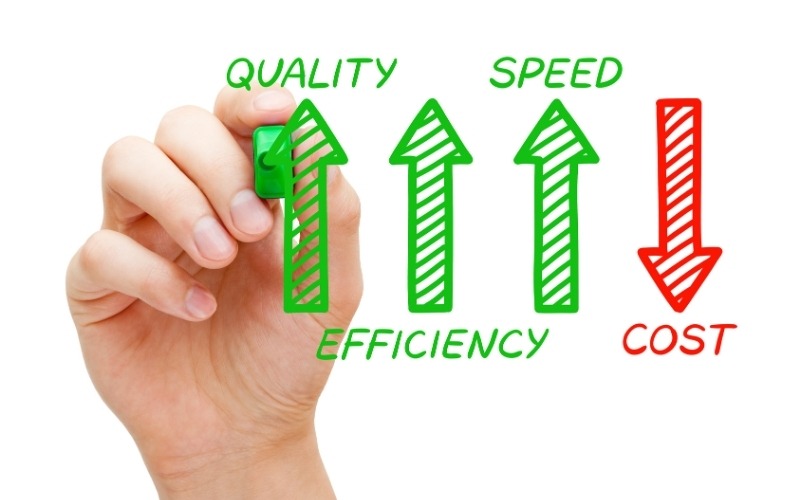
1. Faster Shipping and Reduced Delivery Times
Automation speeds up processes like sorting, packaging, and delivery, enabling businesses to meet tight deadlines even during busy periods.
- Streamlined operations: Reduces delays in sorting and packaging.
- Improved transit times: Ensures faster deliveries even during high-demand seasons.
- Greater reliability: Meets customer expectations for quick delivery.

2. Cost Reduction
Automating the logistics process reduces reliance on manual labor and optimizes routes, making operations more cost-effective.
- Optimized shipping routes: Reduces fuel costs by planning efficient paths.
- Lower labor expenses: Minimizes manual handling and warehouse costs.
- Predictable costs: Helps manage fluctuating shipping prices more effectively.
3. Error Reduction
Automated systems minimize human errors in order fulfillment, inventory management, and shipping, ensuring more accurate deliveries.
- Fewer mistakes: Reduces documentation errors and delays.
- Consistent accuracy: Ensures shipments are tracked correctly throughout the process.
- Improved customer satisfaction: Delivers reliable service and timely shipments.
4. Scalability
Automated systems enable businesses to scale operations without significantly increasing costs or complexity, especially during periods of high demand.
- Adapt to growth: Manages increased volumes without extra overhead.
- Smooth scaling: Accommodates busy seasons like festivals or end-of-quarter surges.
- Efficient use of resources: Increases throughput without compromising quality.
5. Enhanced Inventory Management
Real-time tracking and AI-driven forecasts help manage inventory levels, reducing stockouts and minimizing excess stock.
- Better tracking: Provides real-time insights into inventory levels.
- Reduced waste: Avoids overstocking and understocking.
- Optimized storage: Improves warehouse efficiency and reduces costs.
6. Environmental Impact
Automated systems help reduce fuel consumption by optimizing routes and minimizing waste, contributing to more sustainable logistics.
- Lower emissions: Reduces carbon footprint by cutting unnecessary fuel use.
- Energy-efficient operations: Optimizes routes for energy savings.
- Sustainability goals: Supports eco-friendly initiatives in logistics.
7. Competitive Advantage
By adopting automated shipping, businesses can offer faster, more reliable logistics solutions that meet modern customer expectations.
- Enhanced service reliability: Delivers consistent, timely results.
- Differentiated offerings: Sets businesses apart in competitive markets.
- Improved buyer trust: Fulfills tight deadlines with better efficiency.
While automation offers significant benefits, businesses face challenges when integrating these systems into their operations.
Also Read: Understanding the Benefits of Advanced Shipping Notice in Supply Chain
Challenges in Implementing Automated Shipping
Below are some of the main obstacles, along with examples to illustrate how they impact businesses.
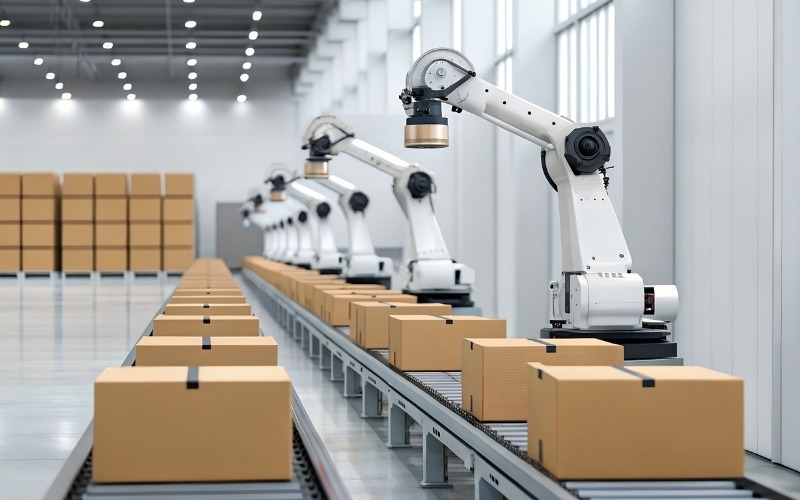
1. Initial Investment
- Challenge: Implementing automated systems, such as autonomous vehicles or robotic warehouses, requires a significant upfront investment in technology and infrastructure.
- Example: Companies like Amazon have heavily invested in robotics and automation in their fulfillment centers. However, this large-scale implementation costs millions of dollars upfront, making it difficult for smaller businesses to compete at the same level.
2. Technology Integration
- Challenge: Integrating new automation systems with existing logistics networks can be complex, especially if older systems are in place.
- Example: A company using legacy warehouse management systems (WMS) may find it challenging to incorporate robotic sorting systems. If the old WMS cannot communicate with the new robots, it creates bottlenecks and inefficiencies in the integration process.
3. Regulatory Compliance
- Challenge: Drones, autonomous vehicles, and other shipping technologies often face strict regulatory requirements that can delay their adoption.
- Example: UPS has been testing drone deliveries but has faced regulatory hurdles with the Federal Aviation Administration (FAA). They have had to adjust their plans based on FAA guidelines and may face further delays before commercial drone delivery becomes viable.
4. Workforce Displacement
- Challenge: The shift to automated systems can lead to job displacement in areas like sorting, packaging, and transportation.
- Example: Amazon’s use of robots in warehouses has replaced some manual labor, leading to concerns about job losses. While Amazon has emphasized reskilling programs for displaced workers, it remains a challenge for employees to transition to new roles.
5. Maintenance and System Reliability
- Challenge: Automated systems require regular maintenance and can suffer from downtimes or malfunctions, disrupting the entire supply chain.
- Example: Ocado, a UK-based online grocery retailer, has faced challenges with its automated warehouses due to system breakdowns. Even with cutting-edge technology, breakdowns in automated robots or conveyor belts can cause delays in order fulfillment.
6. Customer Adaptation
- Challenge: Some customers may resist or feel uncomfortable with automated shipping methods, such as drone deliveries or autonomous vehicles.
- Example: Domino's Pizza faced customer skepticism when testing drone delivery. While it worked in some regions, many customers expressed concerns about the reliability of drone deliveries, which slowed its widespread adoption.

Once you've explored the strategies and technological solutions, it’s time to look at how Pazago can make logistics management even easier and more efficient.
How Pazago Supports Efficient Logistics Execution
Managing the logistics process effectively is essential for businesses to ensure smooth operations, meet buyer expectations, and maintain cost efficiency.
Pazago plays a key role in improving logistics execution by providing vital solutions that help businesses scale their operations while maintaining control over costs, timelines, and operational risks.
Why Choose Pazago Logistics:
- Freight Rate Predictability: Pazago’s long-term relationships with carriers help businesses manage costs with stable, competitive rates even during volatile shipping periods.
- Container Booking & Schedule Coordination: Pazago ensures confirmed bookings and coordinates with port cut-offs, reducing rollover risks during high shipment cycles and helping businesses meet tight timelines.
- Loading & Dispatch Oversight: Pazago coordinates at factories, CFSs, and ports to ensure cargo readiness aligns with vessel schedules, reducing delays and ensuring timely departures.
- Structured Shipment Visibility (DSRs): Pazago provides daily updates on container movement, ETD/ETA shifts, and routing milestones, helping businesses maintain control over shipments in transit.
- Scalable Freight Support for Growing Volumes: As businesses scale, Pazago ensures smooth freight execution during peak periods without increasing operational friction or compromising efficiency.
Conclusion
Logistics efficiency is crucial for businesses aiming to meet buyer expectations, reduce costs, and streamline operations. Effective logistics support is key to ensuring smooth execution throughout the shipping process.
Pazago’s predictable freight rates, real-time shipment tracking, and hands-on coordination help businesses optimize their logistics, ensuring seamless operations.
For stronger freight coordination to improve logistics execution, contact Pazago today to learn how to improve supply chain efficiency.
FAQs
1. What is automated shipping?
Automated shipping uses technology like robots, AI, and autonomous vehicles to automate processes such as sorting, packaging, and delivery, improving efficiency and reducing costs.
2. How does automated shipping improve business efficiency?
By reducing human error, optimizing routes, and speeding up processes, automated shipping increases the speed and accuracy of deliveries, while also reducing operational costs.
3. What challenges do businesses face with automated shipping?
Challenges include the initial investment in technology, integration with existing systems, and managing regulatory issues surrounding technologies like drones and autonomous vehicles.
4. Is automated shipping suitable for small businesses?
While automated shipping systems can require significant upfront investment, small businesses that scale quickly can benefit from the efficiency, speed, and cost savings it offers.
5. How do autonomous vehicles contribute to automated shipping?
Autonomous vehicles, including self-driving trucks and drones, are revolutionizing logistics by reducing human involvement in deliveries, optimizing routes, and ensuring faster, more reliable shipments.
6. What impact does automated shipping have on customer satisfaction?
Automated shipping enables faster delivery times, more reliable services, and better tracking visibility, all of which lead to higher customer satisfaction and improved loyalty.