.png)


10 Best Online Container Logistics Platforms for Exporters

Optimize your business: use unlimited savings with Pazago fulfilled now!
Get Started ->Global trade has picked up speed, but exporters are finding it harder than ever to stay in control of their containers. Every shipment moves through multiple ports, forwarders, and carriers, each with its own system and update format.
You might have a dozen containers sailing this month, yet you spend hours switching between carrier portals just to check where each one is.
This is why exporters are now turning to online container logistics platforms. These systems combine every container update, route milestone, and shipping event in one place. You can see what is moving, what is delayed, and what needs attention.
Before we explore the best solutions, let us understand the everyday challenges exporters face with container logistics.
Key Takeaways
- Online container logistics platforms help exporters track containers across multiple carriers from a single dashboard instead of checking separate portals.
- These platforms reduce operational friction by providing real-time shipment updates, delay alerts, and predictive visibility across routes.
- Exporters benefit from lower detention and demurrage costs when container milestones and delays are detected early.
- Advanced platforms integrate tracking with freight execution, booking coordination, and shipment updates to improve dispatch reliability.
- Choosing the right platform depends on carrier coverage, real-time alerts, predictive ETA visibility, workflow integration, and operational support.
The Container Problems Every Exporter Has Faced
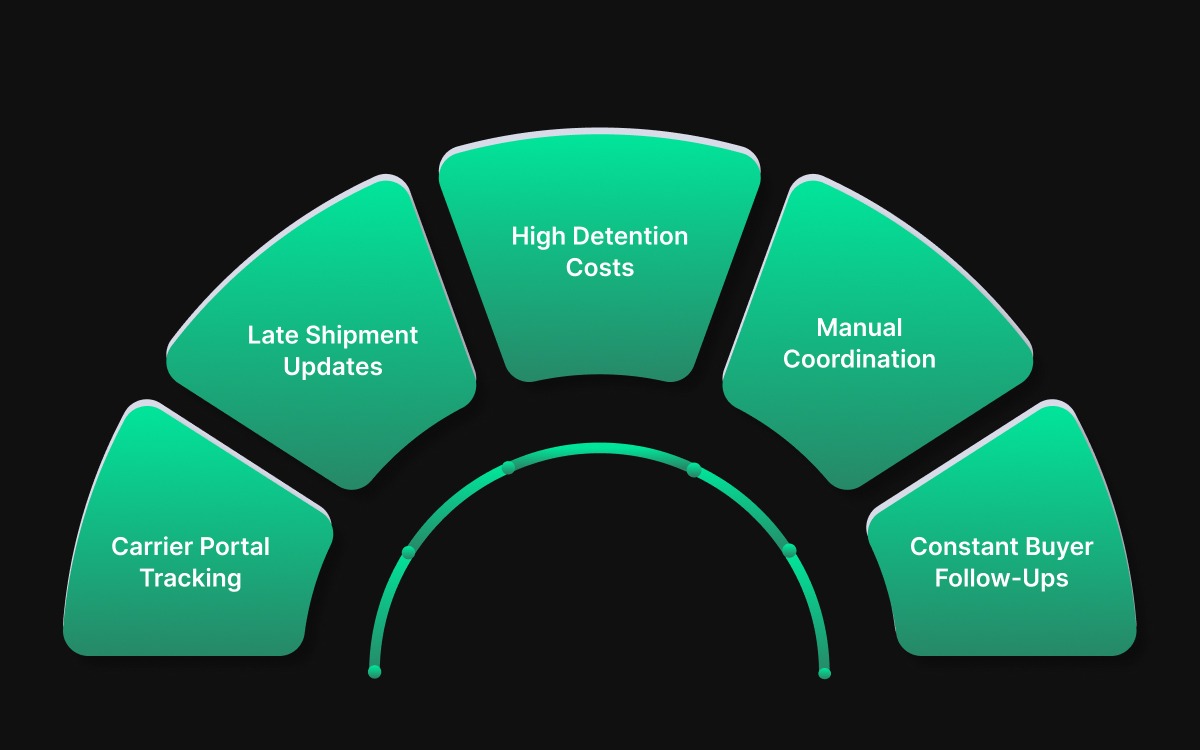
Most exporters experience the same set of problems when managing containers.
1. Tracking across multiple carrier portals
Each carrier has its own website and update format. Exporters must check them all separately, wasting hours every week.
2. Late or missing shipment updates
Information often arrives after the vessel has already departed or been delayed. This leads to reactive planning instead of proactive decisions.
3. Higher detention and demurrage costs
Without timely alerts, containers stay longer at ports. The result is preventable penalties that directly affect margins.
4. Too much manual coordination
Teams depend on WhatsApp messages, emails, and Excel sheets. Important details are missed or lost in the process.
5. Buyer follow-ups that never stop
Customers ask for shipment status again and again. Sharing updates manually takes time and increases the chance of errors.
These problems grow with every new route and buyer. When an exporter starts managing more than a few containers a month, manual tracking becomes unsustainable.
The next step is finding a digital system that brings all logistics activity together, with real-time visibility and control.
Also Read: Online Freight Container Tracking System Software
Best Online Container Logistics Platforms Exporters Can Try Today
Finding the right container logistics platform can completely change how you manage exports. Instead of spending hours tracking containers across multiple carrier websites, you can see everything in one place, live, accurate, and easy to manage.
The list below brings together 10 trusted digital platforms that exporters around the world use to plan, track, and manage container logistics.
Platforms At a Glance:
Each platform solves a different need, from real-time tracking and predictive alerts to rate comparison and full export workflow management.
1. Pazago: Your Best Online Container Logistics System
Pazago is a logistics-focused service partner for exporters managing international container shipments. It combines multi-carrier tracking with operational freight execution, helping exporters maintain shipment stability from booking to delivery.
Instead of limiting support to container location updates, Pazago strengthens the execution layer that directly impacts dispatch timelines, cost predictability, and buyer commitments.
What Pazago Delivers for Container Logistics:
- Multi-Carrier Container Tracking: View container movement across routes without logging into separate carrier portals.
- Assured Container Booking and Coordinated Loading: Confirm bookings and manage equipment release at the factory, CFS, or port to reduce rollover exposure.
- Daily Status Reports (DSRs): Receive structured updates covering ETD changes, transshipment movements, BL status, and shipment alerts.
- Competitive Freight Rates Through Long-Term Relationships: Access stable freight pricing across key trade lanes to reduce volatility.
- Pre- and Post-Shipment Coordination: Get support on booking alignment, BL processes, and shipment-level issue resolution.
Pazago supports exporters who require both container visibility and disciplined freight execution to keep international shipments predictable and on schedule.
2. GoComet: Real-Time Tracking and Automated Logistics Visibility
GoComet is a logistics platform that helps you monitor all your shipments in real time from one place. It combines container tracking with broader freight visibility, so you don’t need to log into multiple carrier portals anymore.
How GoComet Helps You
- Centralised Shipments Tracking: You can enter a container number, Bill of Lading (BL) number, or airway bill and see live updates on shipment status. This includes sea, air, or road cargo in one dashboard.
- Automated Milestone Alerts: GoComet sends notifications when critical transport events occur. You get updates when containers move between ports or achieve key checkpoints.
- Carrier Coverage: The platform supports hundreds of global carriers, so you can track all major lines like Maersk, MSC, or COSCO from one system.
- Predictive ETA Insights: Their system uses predictive visibility to estimate arrival times and help you plan production, pickup, and delivery more confidently.
- Notifications and Reports: GoComet lets you receive updates over email or mobile and generate visibility reports to share with customers or internal teams.
Why Exporters Like It
GoComet helps you save time on manual tracking and improves transparency across global routes. Its automated alerts and unified view make it easier to respond quickly to delays or exceptions.
It suits exporters who want straightforward, real-time tracking across carriers without having to manage spreadsheets or multiple logins.
Also Read: Top Shipping Software Platforms for Small Business Delivery
3. Portcast: Predictive Visibility and Data-Driven Container Insights
Portcast is a data-driven visibility platform that gives you detailed container information and predictive insights so you can anticipate delays before they disrupt your export schedule.
How Portcast Helps You
- Real-Time Tracking Across Carriers: Portcast lets you see the current location and status of your containers in one automated interface.
- Predictive ETA Information: The system forecasts estimated times of arrival and departure using data analytics, so you can plan shipments with more confidence.
- Port and Terminal Visibility: You can access updates from key port terminals, including milestone dates and container status at ports of origin and destination.
- Exception Management: With predictive alerts, you see the reason for delays as soon as they arise and can adjust plans before problems escalate.
Why Exporters Choose Portcast
Portcast is ideal for exporters who want predictive insights, not just live tracking. It helps you act before a delay affects your schedule, saving you time and reducing the risk of unexpected costs.
4. Terminal49: Seamless Container Tracking and Shipment Visibility
Terminal49 is a container tracking platform designed to give you real-time status updates and operational insights from ocean to inland transport in one place.
It pulls data from carrier systems and terminals, then standardises it so you don’t have to check each portal separately.
How Terminal49 Helps You
- Real-time container status: Stay informed of your containers’ latest positions and milestone events without visiting multiple carrier sites.
- Unified tracking dashboard: See container progress across all major carriers on a single screen, which saves time and reduces confusion.
- Risk and milestone alerts: The system flags containers that may be delayed or at risk, helping you act before costs like detention or demurrage accumulate.
- API connectivity for internal tools: If you use an ERP or custom dashboard, Terminal49 can feed tracking events directly into your systems.
Why Exporters Use It
Terminal49 is useful when you need accurate shipment updates with less manual effort. It works well for exporters, freight forwarders, and logistics teams who want real-time visibility and a single source of truth for container progress.
Also Read: Top 10 Logistics Solutions Providers In India At Best Terms
5. SeaRates: Track, Compare, and Plan All Your Shipments Online
SeaRates is a digital freight and logistics platform that combines real-time container tracking with tools to plan and optimise your exports.
You can see where your containers are, compare transport options, and even check sailing schedules, all from one interface.
How SeaRates Helps You
- Live container tracking worldwide: Enter your container number and see its current location and route in real time. This helps you monitor shipments without switching between carrier systems.
- Combined shipment insights: The platform brings together visibility for sea, air, and land freight in a unified view.
- Rate exploration and comparison: You can request and compare freight rates for different routes and transport modes, helping you plan costs effectively.
- Useful logistics tools: Tools such as a logistics map, load calculator, and shipping schedules help you plan container stuffing, transit routes, and timings.
- Transparent container statistics: Data like storage time in ports and route progress lets you see where delays might occur and manage exceptions proactively.
Why Exporters Use It
SeaRates is a good choice if you want a single platform for tracking plus planning. It’s not just about container location; it also helps you estimate transit times, compare shipping options, and manage basic logistics tasks from one online dashboard.
6. Freightify: Freight Tracking, Rates, and Customer Portals in One Platform
Freightify is a digital logistics platform designed to help shippers, freight forwarders, and exporters manage their freight operations more efficiently.
It combines tracking, rate management, quote generation, and customer interfaces to give you a fuller view of your container movements.
How Freightify Helps You
- Real-time tracking and visibility: Track your containers using booking numbers, container numbers, or BL details. You can view live updates and monitor milestones without going to carrier sites.
- Shipment tracking that scales: You can track multiple containers at once and export tracking data to spreadsheets for analysis or reporting.
- Integrated rate management and quoting: Freightify lets you see live freight rates across carriers, compare them, and generate accurate freight quotes quickly.
- Customer portals with track and trace: You can provide your buyers with their own tracking portal so they can check shipment status directly.
- Centralised platform for rate and shipment data: The system brings live rates, schedules, and tracking together so you spend less time jumping between tools.
Why Exporters Like It
Freightify works well if you want more than just tracking. It helps you manage rates, send quotes, and give your customers visibility, too, all while keeping your logistics data under one roof.
Also Read: Top 10 Largest Container Shipping Companies In The World
7. ShipsGo: Simple, Affordable Container Tracking for Exporters
If you want an easy and affordable way to track containers, ShipsGo is worth considering. It is designed to help exporters get clear updates in one place without complex systems.
ShipsGo gives you real-time container status and notifications that help you stay on top of your shipments.
How ShipsGo Helps You
- Live container status updates: You can enter a container number and see where your shipment is at any point on its journey.
- Notifications and alerts: ShipsGo sends updates when containers move between major ports or reach key milestones.
- Visual tracking dashboard: A dashboard lets you see multiple containers together, so you don’t waste time checking each separately.
- API and integration options: If you use internal systems or tools, ShipsGo’s API can feed tracking information directly into them.
Why You Might Use It
ShipsGo is best if you are a small or mid-sized exporter with moderate shipment volume and you want straightforward, no-frills container visibility that works across major carriers.
8. FourKites: Enterprise-Level Real-Time Freight and Container Visibility
FourKites is a widely recognised logistics visibility platform used by large shippers and complex supply chains.
It gives you real-time freight visibility across ocean, air, and land, with predictive insights to help you avoid delays and plan better.
How FourKites Helps You
- End-to-end visibility: FourKites shows where your containers are from origin to destination, including key milestones and exceptions.
- Exception management: You get alerts when shipments deviate from plan or face delays so you can act early.
- Multimodal tracking: The platform supports not just ocean containers but combined movements across truck, rail, and air.
- Data analytics and insights: You can analyse performance by carrier, route, and shipment type to improve planning over time.
Why Exporters Choose It
FourKites is a strong option if you operate large volumes or complex global routes and need a platform that can handle high-scale, cross-modal visibility with strong analytics.
Also Read: Top 10 Logistics Solutions Providers In India At Best Terms
9. Vizion: API-Powered Real-Time Container Tracking for Deep Visibility
If you want precise, data-driven container tracking that feeds into your own systems, Vizion is one of the strongest options in the market today.
It’s a platform built around a real-time application programming interface (API) that pushes standardised container updates into dashboards, spreadsheets, or software you already use.
How Vizion Helps You
- Real-time container visibility: Vizion collects data from carriers, terminals, ports, and satellite systems, then standardises it into clear status updates. You no longer depend on manual checks on multiple carrier sites.
- Automated event updates: The system turns thousands of raw data points from shipping feeds into meaningful milestones, like vessel departure, arrival, and transshipment events.
- Global shipment coverage: You can track containers globally, including their vessel location and estimated time of arrival, which helps you plan warehouse or delivery activities.
- Integration with your tools: Whether you want updates in an ERP, TMS, a spreadsheet, or a custom dashboard, Vizion pushes data directly into your chosen environment. This reduces manual work and speeds up decision-making.
- Data quality and standardisation: By normalising carrier codes and events, Vizion gives you consistent and reliable tracking information, even when different carriers use different naming standards.
Why Exporters Might Choose It
Vizion is ideal if your logistics team prioritises accurate, up-to-date container visibility and wants that data inside the systems you already rely on.
It works especially well when you have internal tools or dashboards that need live shipment information without manual data entry.
10. Gnosis Freight: Complete Container Lifecycle Tracking
Gnosis Freight provides a detailed view of your container’s journey from origin gate-in to terminal return.
Its Container Lifecycle Management® (CLM) platform uses data from carriers, ports, rail lines, and drayage operations to give you accurate real-time and predictive visibility into every milestone in a container’s life.
How Gnosis Freight Helps You
- Accurate, real-time milestones: You see up-to-date container events pulled from multiple reliable sources, so you always know where each shipment stands.
- Predictive insights throughout the journey: Because it overlays data from ports, rail, and shipping lines, you can anticipate delays and plan more effectively.
- Lifecycle tracking for entire flow: From gate-in to container return, you can monitor every major movement and decision point.
- Broad data coverage: Gnosis Freight incorporates carrier, port, and transport network data so you get comprehensive visibility, not gaps.
Why Exporters Use It
If you need more than basic container location and want deep insights across the full lifecycle of each shipment, Gnosis Freight’s CLM platform delivers both real-time visibility and analytics that help reduce delays and improve planning.
Also Read: Top Shipping Software Platforms for Small Business Delivery
How to Choose the Right Online Container Logistics Platform for Your Business
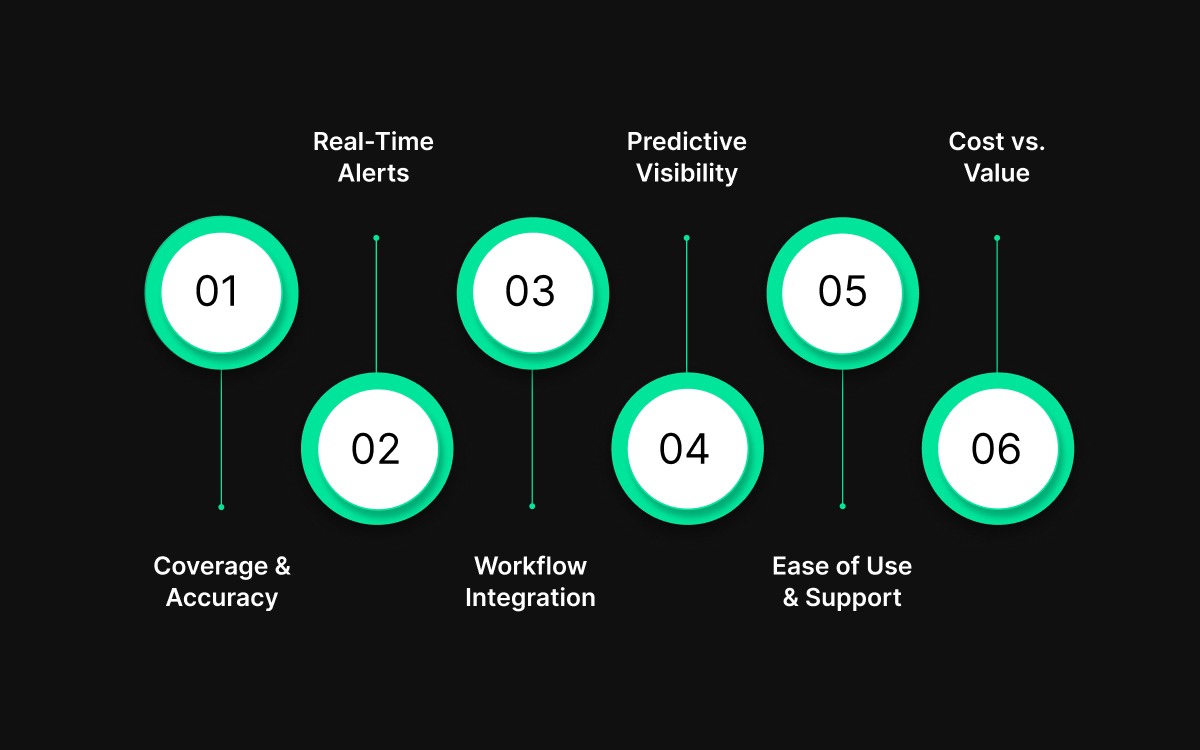
With so many digital platforms available, choosing the right one can be confusing. The key is to focus on what matters most for your business, not just the list of features. Here’s a practical checklist to guide you:
1. Coverage and accuracy
Make sure the platform covers all major carriers and ports you use. A system that misses key carriers will cause gaps in your data.
2. Real-time alerts
Choose a tool that notifies you instantly about delays, gate-ins, and transshipments. This helps you act early and avoid extra costs.
3. Integration with your workflow
The best solutions fit into your export process, linking to your order, document, and payment systems.
4. Predictive visibility
Platforms that offer ETA forecasts and risk alerts can help you plan production and dispatch schedules better.
5. Ease of use and support
Your team should be able to use the dashboard with minimal training. Also, check if there’s local support for quick help when needed.
6. Cost versus value
Avoid choosing only by price. The right solution should save time, prevent penalties, and improve coordination; that’s the real return on investment.
When you evaluate platforms with these points in mind, you’ll find one that fits your operations perfectly, not just your budget.
Final Thoughts
The way you manage containers determines how efficiently your export business runs. Delays, penalties, and missed updates often stem from a lack of visibility.
Online container logistics platforms give you control and peace of mind. They help you plan better, respond faster, and deliver consistently.
For exporters who want container visibility combined with structured export execution, Pazago integrates container visibility with structured freight execution and shipment coordination in one platform.
FAQs
1. What is an online container logistics platform?
It is a digital tool that helps you track, manage, and analyse your container shipments in real time. Instead of checking each carrier’s website, you can monitor all containers from one dashboard.
2. How does it help exporters?
These platforms give you visibility and control over your shipments. You get alerts about movement, delays, or delivery so you can plan production, payments, and documents on time.
3. Can one platform track all carriers?
Yes. Most modern systems like Pazago, GoComet, and Portcast connect directly with carrier data to give full multi-carrier visibility.
4. Are these solutions expensive?
Many platforms offer flexible pricing or per-container plans. The time saved and penalties avoided usually outweigh the cost.
5. Which platform is best for exporters in India?
If you want container tracking plus full logistic workflow management, Pazago is purpose-built for Indian exporters managing global shipments.