.png)


Consignor Copy in Shipping: Meaning, Importance, and Best Practices

Optimize your business: use unlimited savings with Pazago fulfilled now!
Get Started ->In 2024, of the roughly 250 million containers shipped globally, 576 were lost at sea. For exporters, documentation errors can lead to shipment holds, customs queries, or disputes with carriers and buyers.
Among these documents, the consignor copy plays a pivotal role; it is the shipper’s proof of what was sent, when, and to whom. Without it, tracking shipments, resolving disputes, and meeting compliance requirements become a stressful and time-consuming task.
This blog dives into the meaning and significance of the consignor copy. It also explores the challenges exporters face in managing it and how modern digital tools can simplify the process.
Key Takeaways:
- A consignor copy is the shipper’s official record of goods sent, detailing the sender, recipient, shipment contents, and terms, which are crucial for tracking and compliance purposes.
- Acting as legal proof, it ensures customs compliance and helps resolve disputes with consignees, carriers, or insurers.
- Key export documents, such as invoices, packing lists, bills of lading, certificates of origin, and customs declarations, rely on the consignor's copy for verification and accuracy.
- Manual handling can lead to errors, loss, and delays; however, digital tools streamline the creation, storage, tracking, and collaboration processes.
- Efficient digital management of consignor copies enhances accessibility and reduces the time spent retrieving documents, ensuring faster processing and fewer disruptions.
What Is a Consignor Copy?
A consignor copy is a critical document in international shipping and logistics. It serves as the shipper's official record of the goods dispatched, detailing the consignment's contents, origin, destination, and terms of transport.

This document is crucial for ensuring compliance with customs regulations, facilitating seamless customs clearance, and serving as a reference in the event of disputes or claims.
Key Components of a Consignor Copy:
- Shipper's Details: Name, address, and contact information of the consignor.
- Consignee's Details: Name, address, and contact information of the recipient.
- Description of Goods: Detailed information about the items being shipped, including quantity, weight, and any special handling instructions.
- Terms and Conditions: Specific terms related to the shipment, such as payment terms, delivery instructions, and liability clauses.
- Signatures: Authorized signatures from both the consignor and the carrier, acknowledging the terms of the shipment.
Also Read: Differences and Relationships Between Consigner and Consignee
With the basics of the consignor copy clear, the next step is to examine why it matters for exporters and the real-world risks of mismanaging it.
Importance of the Consignor Copy for Exporters
A consignor copy can make or break an export shipment. Imagine a container held up at customs because the paperwork doesn’t match the cargo, or a dispute with the consignee over missing items, without the consignor's copy, making it extremely difficult to prove what was shipped.

Understanding its importance helps exporters stay compliant, verify shipments, and resolve issues before they escalate. Here are the key reasons why maintaining an accurate consignor copy is essential for exporters:
- Shipment Record: The consignor copy provides a documented record of what was dispatched, including quantity, destination, and shipment terms. For example, if a consignee claims they received fewer items than shipped, the consignor copy can serve as evidence to support the shipper’s case.
- Customs Compliance: It helps exporters meet regulatory requirements for international trade by providing accurate shipment details and information. For instance, customs officials may request the consignor copy to verify the contents and origin of goods before clearing them for export.
- Dispute Resolution: The consignor copy provides a reference point in case of discrepancies during transit. For example, if a container is damaged or items are missing, the consignor copy helps resolve claims with carriers or insurers.
- Tracking and Traceability: It enables shippers to monitor the shipment’s progress and ensure accountability. For example, by cross-referencing the consignor copy with the Bill of Lading, exporters can track each package and confirm delivery at every stage of the journey.
Understanding the importance of the consignor copy is just one part of the puzzle; exporters also need to know how it fits within the broader set of key shipping documents.
Key Export Documents and the Role of the Consignor Copy
In international trade, a variety of documents are essential to ensure smooth and compliant shipments. The consignor copy plays a pivotal role among these, serving as a foundational document that supports and validates other key export paperwork.
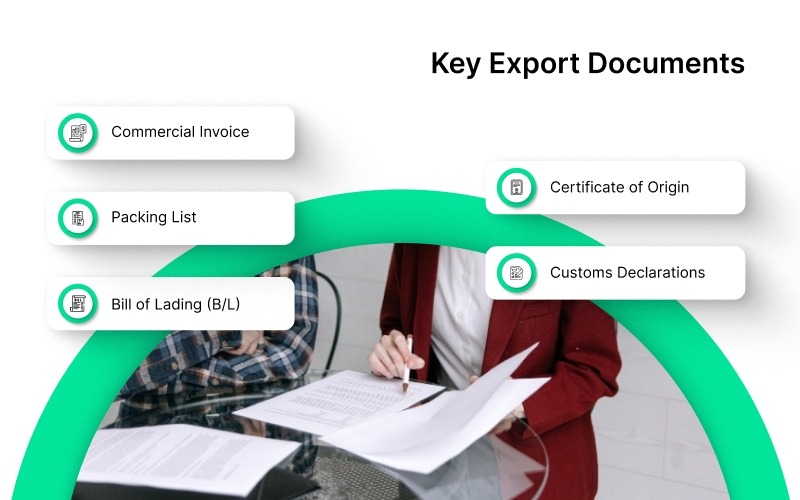
Here's how it fits into the broader documentation area:
1. Commercial Invoice
The commercial invoice is the primary billing document between the exporter and the importer, detailing the products, prices, and terms of sale. The consignor copy enables the exporter to cross-check and verify the shipment details, ensuring that the invoice accurately reflects the actual shipment.
2. Packing List
The packing list provides a detailed breakdown of the contents of each package, including item descriptions, weight, and dimensions. By referencing the consignor copy, exporters can confirm that the packing list accurately corresponds to the items being shipped, thereby reducing the risk of discrepancies or customs delays.
3. Bill of Lading (B/L)
The Bill of Lading functions as both a contract between the shipper and carrier and a receipt for the goods transported. The consignor copy helps ensure that the Bill of Lading (B/L) contains accurate information about the shipment, thereby preventing disputes over quantity, description, or delivery terms.
Also Read: Understanding the Received for Shipment Bill of Lading and its Types
4. Certificate of Origin (COO)
The Certificate of Origin certifies the country of origin for the goods and is often required for customs clearance and for preferential trade agreements. The consignor copy provides verified shipment details, allowing the COO to be completed accurately and accurately reflecting the true origin and contents of the shipment.
5. Customs Declarations
Customs declarations are mandatory forms submitted to authorities to assess duties and ensure compliance with import/export regulations. The consignor copy acts as a reliable reference for completing these declarations, ensuring that all shipment information matches the actual goods and preventing potential fines or delays.
Also Read: Shipper vs. Consignee: Key Roles in Freight Shipping
Understanding its significance sets the stage for the real-world difficulties exporters encounter when handling consignor copies.
Challenges in Managing Consignor Copies
Managing consignor copies can be tricky yet crucial for smooth exports. Errors, misplacement, and regulatory complexity can cause delays, fines, or disputes. High shipment volumes and multiple stakeholders make manual tracking inefficient and prone to mistakes.
Understanding these challenges helps exporters safeguard documentation, maintain compliance, and ensure accountability.
The table below highlights common issues and practical workarounds.
Challenges aside, consignor copies don’t have to be a headache. With the right approach, they can become a powerful tool for accuracy, compliance, and smooth shipping.
Best Practices for Using Consignor Copies
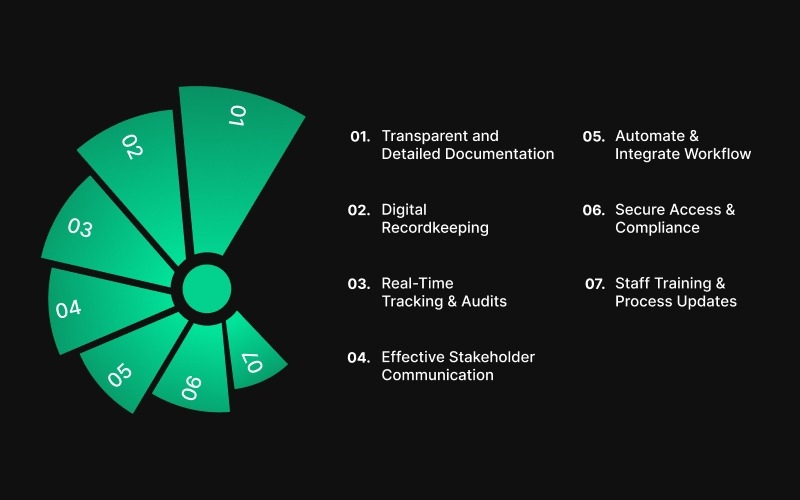
Managing consignor copies effectively is crucial for accurate exports, compliance, and smooth shipment operations. Adopting clear practices helps reduce errors, streamline documentation, and keep all stakeholders aligned, such as:
- Transparent and Detailed Documentation: Include complete details for both the shipper and consignee, along with a detailed description of the goods, terms, and signatures; utilize standardized templates.
- Digital Recordkeeping: Digitize consignor copies for secure storage, easy retrieval, and error reduction; use software that cross-references related documents.
- Real-Time Tracking & Audits: Link copies to shipment tracking and conduct regular reconciliations to identify inconsistencies early.
- Effective Stakeholder Communication: Share updated copies promptly with consignors, consignees, carriers, and customs for smooth processing.
- Automate & Integrate Workflows: Utilize tools to generate consignor copies that are aligned with invoices, bills of lading, and customs documentation.
- Secure Access & Compliance: Protect digital copies with encryption and access controls; maintain accurate records in accordance with compliance policies.
- Staff Training & Process Updates: Educate teams on accurate handling; routinely review workflows and adopt new technologies.
With the right practices, managing consignor copies becomes seamless, accurate, and stress-free, paving the way for more innovative digital solutions.
Managing consignor copies can be streamlined with the right logistics platform, and Pazago helps exporters stay on top of their shipments, providing real-time updates and coordinated operations across all stages of export."
Optimizing Export Logistics with Pazago: Streamlined Shipping Solutions
While consignor copies and related export documents are prepared and managed by exporters and compliance teams, shipment delays often occur at the execution stage, especially when documentation timing and vessel schedules fall out of sync.
Pazago strengthens freight coordination by ensuring container booking reliability, departure alignment, and structured shipment visibility once cargo is ready to move.
Here’s how:
- Competitive Freight Rates with Long-Term Shipping Line Relationships: Pazago’s partnerships with major shipping lines offer exporters stable, predictable freight rates, helping them plan shipments and avoid the unpredictability of spot rates.
- Assured Container Booking & Coordinated Loading: Pazago ensures secure container bookings and aligns shipments with cut-off timelines, minimizing rollover risks and improving efficiency from factory to port.
- Real-Time Daily Status Reports (DSRs): Pazago provides daily updates on container movement, ETD/ETA changes, and transshipment milestones, enabling quick responses to delays and helping maintain smooth shipments.
- Support for Exporters of All Sizes: Pazago provides consistent, high-quality support for all exporters, whether managing single shipments or continuous export flows.
By centralizing logistics operations and offering transparent communication, Pazago ensures that shipments run smoothly and efficiently from start to finish.
Conclusion
Effectively managing consignor copies is crucial for smooth export operations, accurate documentation, and compliance. By following best practices like clear documentation, digital recordkeeping, and real-time tracking, exporters can minimize errors and avoid delays.
Pazago supports exporters by strengthening container coordination, departure alignment, and shipment visibility.
For dependable freight coordination aligned with your export operations, Contact Pazago to explore how they can support your shipments.
FAQs
1. What is a consignor copy?
It’s the shipper’s official record of goods sent, including details of the sender, recipient, and shipment. It’s used for tracking, compliance, and dispute resolution.
2. Why is a consignor copy important for exporters?
It proves what was shipped, helps meet customs requirements, and resolves disputes with carriers or consignees.
3. What happens if a consignor copy is lost or incorrect?
It can cause shipment delays, fines, disputes, and difficulties in verifying delivery or cargo details.
4. Can digital tools help manage consignor copies?
Digital logistics platforms can help organise shipment documentation and improve coordination between exporters, carriers, and logistics partners. Platforms like Pazago strengthen shipment visibility and freight coordination once cargo is ready to move.
5. Can consignor copies help resolve disputes with consignees or carriers?
Yes. Accurate consignor copies serve as legal proof of shipment details, facilitating the quick and efficient resolution of discrepancies or claims.