.png)


Console Shipment Guide: How Consolidated Shipping Helps Exporters Reduce Freight Costs

Optimize your business: use unlimited savings with Pazago fulfilled now!
Get Started ->Shipping goods across borders can feel like an impossible task. For Indian exporters, this process is filled with hurdles like high shipping costs, slow delivery times, and complex logistics. If you've ever tried to get your products overseas, you know the frustration of finding a solution that works for your business.
As a small or medium-sized enterprise (SME), finding ways to cut down on these shipping expenses and speed up deliveries is crucial. However, with tight budgets and high expectations, traditional shipping methods often fail to offer the flexibility or cost savings that make sense for your business.
In this blog, we’ll explore how console shipments and consolidated shipping can offer practical solutions to reduce your freight costs and improve your delivery times.
Key Takeaways:
- Console shipments combine smaller shipments from different exporters to reduce shipping costs.
- This method is ideal for businesses with smaller volumes of goods that don't fill an entire container.
- FCL and LCL are different from console shipments; FCL uses a full container for one exporter, while LCL combines goods from various exporters.
- Console shipments offer reduced shipping costs, faster delivery, and simplified documentation.
- Using console shipments helps smaller exporters avoid paying for unused space and manage logistics more efficiently.
What is a Console Shipment?
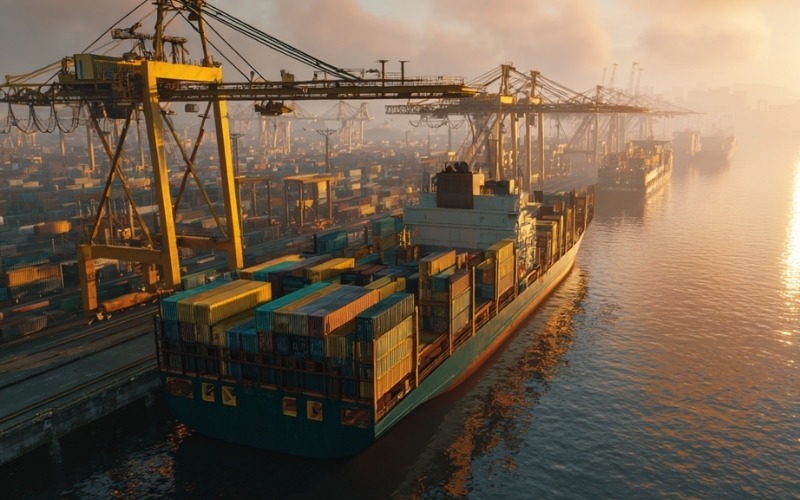
A console shipment occurs when multiple small shipments from different exporters are consolidated into a single larger shipment. This method allows businesses to share shipping costs, which helps reduce the total freight expenses for everyone involved. Console shipments are especially useful for exporters with smaller volumes of goods that don’t fill an entire shipping container.
Once we’ve defined console shipments, it’s essential to examine the steps that make this shipping method effective for exporters.
Also Read: Types and Characteristics of Maritime Freight Transport and Shipping
How Console Shipments Work?
Console shipments work by combining shipments from multiple exporters into a single, larger shipment to reduce costs. This process involves coordination between exporters, freight forwarders, and shipping companies.
Here are the steps involved in console shipments:
- Consolidation of Shipments: Several exporters with smaller shipments that need to go to the same destination combine their goods to create larger shipments.
- Packaging and Organization: A freight forwarder collects shipments, organizes them, and efficiently packs them into a single shipping container.
- Shipping the Consolidated Cargo: The consolidated shipment is then sent via sea, air, or land transportation, depending on the chosen method.
- Destination Handling: When the container reaches its destination, it is unloaded, and the goods from each exporter are sorted for final delivery.
- Final Delivery: The goods are then sent to either the exporters or their clients, based on the terms outlined in the shipping agreements.
How Console Shipments Differ from FCL and LCL Shipping?
Console shipments, Full Container Load (FCL), and Less than Container Load (LCL) are all different types of shipping methods. Each of these options offers unique advantages and challenges, depending on the size of the shipment and specific business requirements.
Below is a comparison table to highlight the differences between console shipments, FCL, and LCL: With a clear comparison between console shipments, FCL, and LCL, it is essential to explore the specific advantages that console shipments offer to Indian exporters.
Also Read: Understanding Ocean Transport: Maritime and Bulk Freight Shipping
Benefits of Console Shipments for Indian Exporters
Console shipments offer several benefits for Indian exporters seeking a cost-effective and reliable shipping solution. By pooling shipments with other businesses, exporters can enjoy significant savings on freight costs.

Below are the key benefits of console shipments for Indian exporters:
- Reduced Shipping Costs: By sharing the container space, businesses can significantly lower freight costs, which is especially beneficial for small shipments.
- Minimized Risk: The cost-sharing model means that exporters only bear a fraction of the overall shipping risk, reducing financial exposure.
- Faster Delivery Options: With improved space optimization, shipping companies can transport goods more efficiently, thereby reducing overall delivery times.
- Simplified Documentation: Since goods are grouped together, the paperwork process is less complicated and often requires fewer steps for customs clearance.
- Better Space Utilization: Instead of paying for unused container space, console shipments ensure that every inch of space is used efficiently.
- More Flexible Shipments: Exporters can send smaller quantities without worrying about filling an entire container, making shipping more adaptable to business needs.
Once you've understood the advantages of console shipments, the next step is simplifying their management. Tools like Pazago can enhance the entire process by providing better visibility, centralized communication, and more control over your shipments.
Also Read: Understanding Consolidated Cargo and How It Can Benefit You
How Pazago Reduces Console Shipment Execution Risks for Exporters
Console shipments reduce freight costs by combining cargo from multiple exporters, but they also introduce coordination complexity. Multiple consignors, shared containers, and staggered cargo readiness increase the risk of missed cut-offs, documentation mismatches, and container rollovers. When booking timelines or communication gaps occur, cost savings from consolidation can quickly erode through delays and rehandling charges.
Execution discipline becomes critical in consolidated movements where shipment planning depends on alignment across exporters, forwarders, and carriers. Pazago supports this execution layer by focusing on booking stability, coordinated loading, and shipment visibility across consolidated export movements.
Here is how operational reliability is strengthened:
- Assured container booking and coordinated loading: Confirmed container allocation and structured coordination at the factory, CFS, or port help console shipments align with vessel cut-offs and reduce rollover exposure.
- Comprehensive pre-shipment and post-shipment sales support: Hands-on coordination across booking confirmations, BL processes, and shipment clarifications reduces documentation errors across multiple consignors.
- Daily Status Reports (DSRs) for shipment visibility: Regular updates on container movement, ETD and ETA changes, transshipment milestones, and BL status help exporters track consolidated cargo with clarity.
- Competitive freight rates through long-term shipping line relationships: Stable freight arrangements across key trade lanes help exporters maintain predictable cost structures even when sharing container space.
- Equal operational support for exporters of all sizes: Consistent coordination is maintained whether exporters ship occasional consolidated cargo or manage recurring console volumes.
Pazago’s disciplined coordination across bookings, loading, and shipment visibility helps exporters protect both cost efficiency and delivery commitments in console freight movements.
Conclusion
Console shipments provide Indian exporters with a practical way to reduce freight costs and improve space utilisation when volumes do not justify full container bookings. However, shared containers require tighter coordination, accurate documentation, and stable booking control to prevent delays and disputes.
Pazago reinforces this execution layer by securing competitive freight rates, ensuring assured container bookings, coordinating loading processes, and providing consistent shipment visibility. This operational discipline helps exporters use console shipments confidently while maintaining cost predictability and delivery reliability.
FAQs
1. What is the main advantage of using console shipments for small businesses?
Console shipments help small businesses lower their shipping costs by combining multiple small shipments into one, sharing the cost of the container.
2. How does console shipping differ from less-than-container load (LCL) shipping?
While both involve combining smaller shipments, console shipments are typically more optimized for cost-sharing, with goods packed together more efficiently.
3. Can I ship goods internationally using console shipments?
Yes, console shipments are commonly used for both domestic and international shipping, as long as there is a consolidated shipment to the same destination.
4. Is there a minimum or maximum quantity for using console shipments?
There is no strict minimum or maximum quantity. Console shipments are best suited for exporters with smaller or irregular shipments that don’t fill a full container.
5. What happens if there’s damage to the goods in a console shipment?
Since multiple exporters share the same shipment, liability is typically shared. However, it’s essential to have insurance and proper documentation to cover potential damages.