.png)


Dangerous Cargo Handling: Regulations, Packaging & Safety
Optimize your business: use unlimited savings with Pazago fulfilled now!
Get Started ->Are you confident your dangerous cargo shipments meet all safety and compliance requirements? Every year, over 1.25 million dangerous goods shipments move by air, and with air cargo expected to grow 4.9%, exporters face rising compliance pressure.
Shipping hazardous goods isn’t just about ticking boxes, but about protecting your team, your cargo, and the environment. So how do you ensure each shipment is classified correctly, documented accurately, and packed safely? Small mistakes can lead to delays, penalties, or even accidents.
In this blog, we break down everything exporters need to know about dangerous cargo. From classification and compliant documentation to packaging, shipment tracking, and best practises, you’ll get a complete guide to handling hazardous goods safely and efficiently.
At a Glance:
- Dangerous, prohibited, and hazardous goods differ in risk levels, legality, and shipping permissions under global regulations.
- Shipping dangerous cargo requires accurate declarations, safety data sheets, transport documents, and compliant packaging certificates.
- Proper packaging includes approved materials, triple-layer protection, clear labelling, segregation, and temperature control where required.
- Regulatory compliance and trained handling reduce safety risks, penalties, shipment delays, and costly errors during transit.
- Centralized export systems help manage documents, timelines, payments, and coordination for complex, dangerous goods shipments.
What Is Hazardous Or Dangerous Cargo?
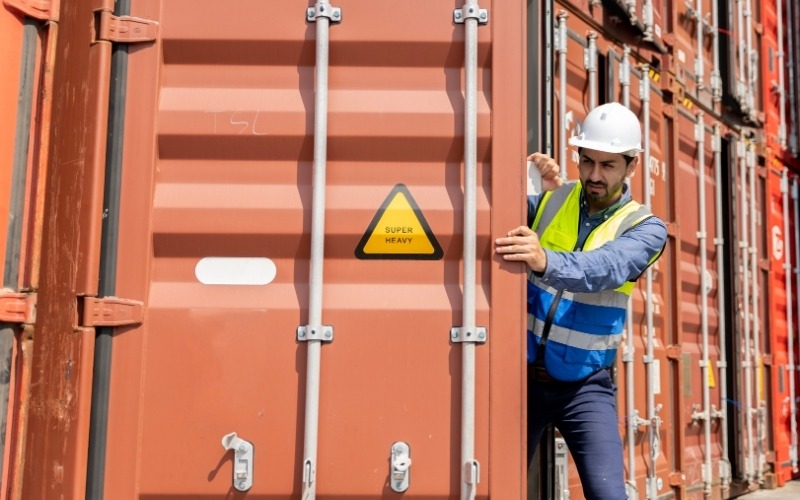
When you hear the term dangerous cargo, it often sounds technical, but the idea is fairly simple. It refers to goods that can cause harm to people, property, or the environment if handled incorrectly during storage or transport.
In export operations, these goods need closer control because even small handling errors can lead to serious consequences. That is why dangerous cargo is regulated and monitored more strictly than standard commercial shipments.
Hazardous cargo typically includes goods that:
- Can catch fire, explode, or react under heat, pressure, or friction
- Release toxic fumes, radiation, or harmful gases
- Corrode metals or cause injuries on contact
- Create environmental or public safety risks during transit
Once you know what makes cargo hazardous, the focus naturally shifts to how these risks affect your export operations. That is where proper management becomes essential.
Why Is Proper Dangerous Cargo Management Critical?

Managing dangerous cargo impacts safety, shipment reliability, and your standing with global buyers and partners.
When hazardous goods are mishandled, the risks increase at every stage of export. Even small gaps can lead to delays, damage, or penalties that disrupt operations.
Proper dangerous cargo management helps you:
- Reduce risks of fire, leaks, or exposure during storage and transit
- Maintain compliance with international safety and labelling standards
- Prevent shipment rejections, fines, or unexpected cargo holds
- Protect workers, infrastructure, and the surrounding environment
Managing dangerous cargo well requires clarity around rules and responsibilities. That clarity starts with knowing how these goods are officially classified.
How Is Dangerous Cargo Classified?
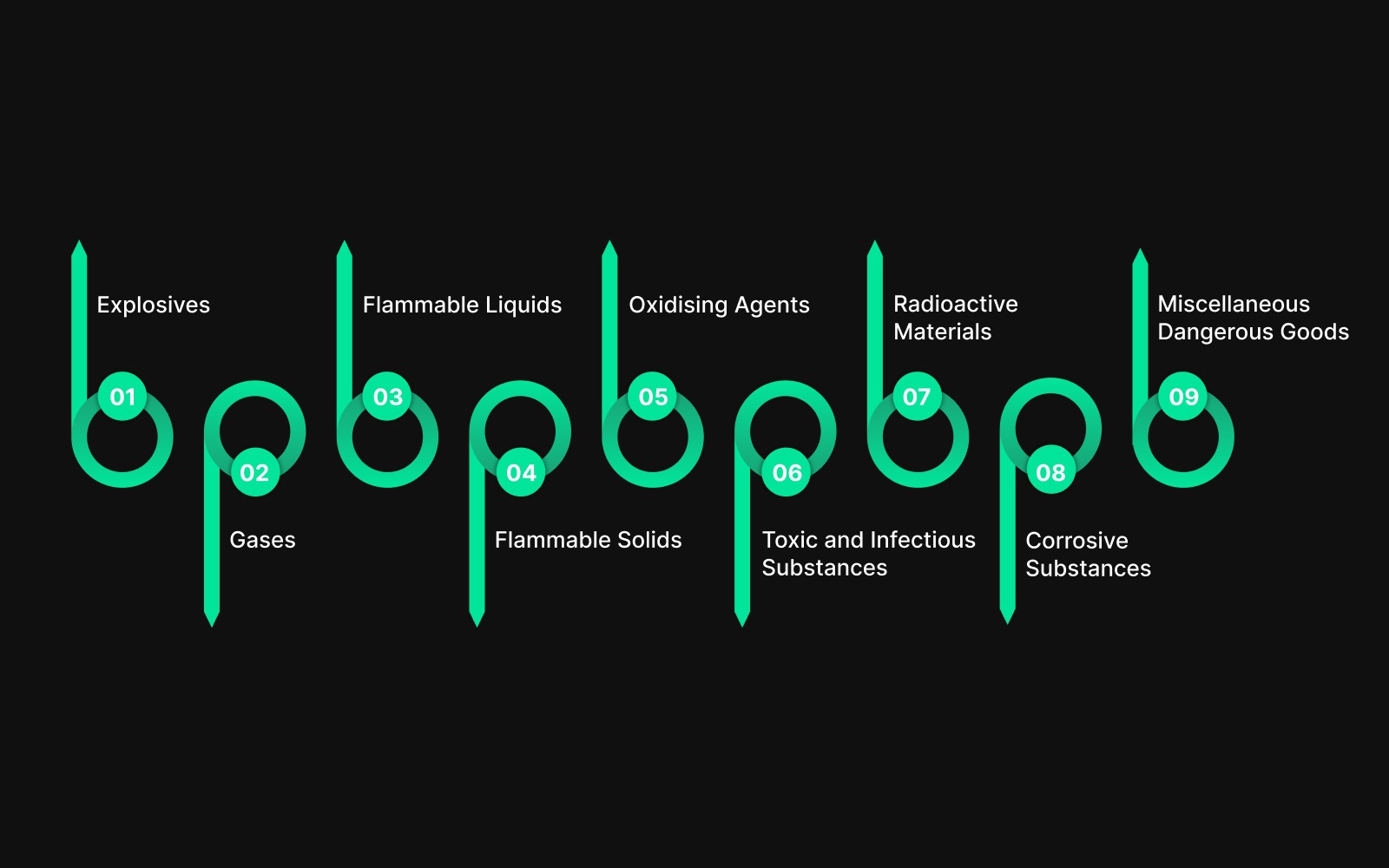
Not all dangerous goods behave the same way during transport. Some burn, others corrode, while a few react violently under pressure or heat.
To control these risks, dangerous cargo is grouped into classes. Each class follows specific rules for packaging, labelling, storage, and movement.
Class 1: Explosives
Explosives are substances that release energy suddenly through chemical reactions involving heat, pressure, sound, or light. This makes them highly sensitive during storage and transport, where even minor handling errors can trigger serious incidents.
Goods such as fireworks, ammunition, and industrial blasting materials fall under this class. These shipments require approved packaging, restricted access, and strict movement controls to minimise risks.
Class 2: Gases
Gases include compressed, liquefied, or dissolved substances stored under pressure, which can be flammable, toxic, corrosive, or oxygen-displacing. Even non-toxic gases can become dangerous in confined spaces if leaks occur.
Common examples include oxygen cylinders, propane, butane, and chlorine. Transporting these gases requires pressure-tested containers, leak prevention measures, and clear hazard labelling.
Class 3: Flammable Liquids
Flammable liquids ignite easily when exposed to heat, sparks, or static electricity and spread fire quickly. This makes them particularly risky during loading, unloading, and transit.
Examples include alcohol, acetone, and petrol-based products. Secure, sealed containers and temperature-aware handling help reduce ignition risks during export movement.
Class 4: Flammable Solids
Flammable solids can catch fire through friction, heat, or contact with moisture and air. Some materials react aggressively under conditions that appear harmless at first glance.
Substances such as sulphur and magnesium fall into this category. These goods require dry storage conditions, careful separation, and controlled handling to prevent accidental ignition.
Class 5: Oxidising Agents and Organic Peroxides
Oxidising agents release oxygen, which intensifies fires involving other materials, while organic peroxides are chemically unstable. Exposure to heat or shock can trigger dangerous reactions.
Examples include nitrates and hydrogen peroxide-based compounds. These substances must be packaged carefully and kept away from combustible cargo during transport.
Class 6: Toxic and Infectious Substances
Toxic substances cause harm when inhaled, ingested, or absorbed through the skin, while infectious substances contain disease-causing pathogens. Exposure risks make careful containment essential.
Examples include pesticides, certain pharmaceuticals, and medical samples. Sealed packaging and controlled handling protect workers and prevent contamination during shipment.
Class 7: Radioactive Materials
Radioactive materials emit radiation that damages living tissue over time. These goods are commonly used in medical treatment, research, and specialised industrial processes.
They are transported in shielded containers designed to prevent radiation leakage. Strict labelling and handling rules apply throughout the shipment lifecycle.
Class 8: Corrosive Substances
Corrosive substances damage materials and cause severe burns on contact with skin or eyes. They can also weaken containers and transport equipment if not stored properly.
Acids and alkalis such as sulphuric acid and sodium hydroxide belong to this class. Corrosion-resistant packaging and secure containment are essential to prevent leaks.
Class 9: Miscellaneous Dangerous Goods
This class covers goods that pose risks not clearly defined under other categories. The hazards vary and may involve environmental damage or physical reactions.
Examples include lithium batteries, dry ice, and asbestos. Handling requirements depend on the specific risks associated with each product type.
Classification defines the standards exporters must meet. Identifying regulated commodities ensures those standards are applied correctly.
Also Read: Best Practices for Customs Documentation and Labeling for International Shipments

Which Commodities Qualify as Dangerous Cargo?

Many items used daily qualify as dangerous cargo during transport. Their risks become visible only when goods are packed, stored, or shipped at scale.
The table below highlights common commodities that exporters often deal with.
So what happens after a commodity is flagged as dangerous? The answer lies in understanding how dangerous, prohibited, and hazardous goods are treated differently.
Dangerous vs Prohibited vs Hazardous Goods
Once goods are identified as risky, confusion often begins around how regulations actually treat them. These terms may sound similar, yet each carries a very different legal and operational meaning for exporters.
This clarity helps you move from definitions to execution with fewer errors. The next step is understanding which documents keep dangerous cargo compliant across borders.
What Documents Are Required For Dangerous Cargo?
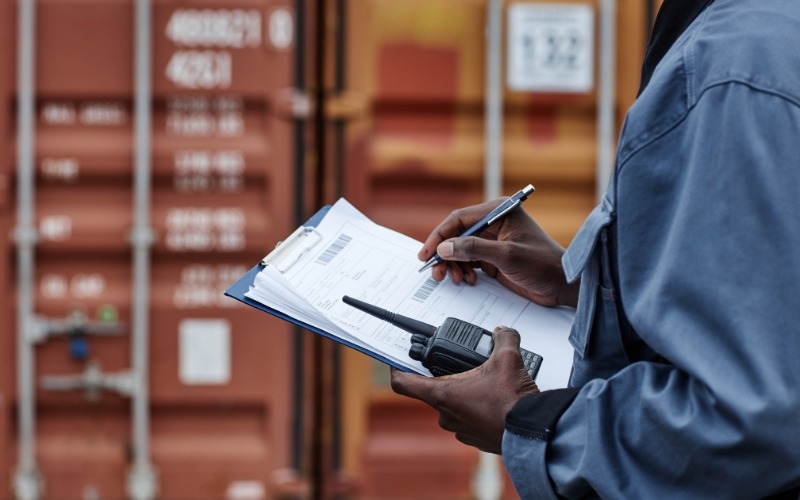
Shipping dangerous cargo without proper documentation creates avoidable delays and compliance risks. Authorities rely on these documents to assess safety, legality, and handling requirements before movement.
- Dangerous Goods Declaration: Specifies classification, quantity, and hazards of the shipment
- Safety Data Sheet (SDS): Details risks, emergency measures, and handling precautions
- Bill of Lading / Air Waybill: Outlines shipment terms and cargo information
- Export Licence: Required for regulated goods or specific destination rules
- Packaging Certificate: Confirms use of approved, compliant packaging
- Customs Declaration: Includes shipment value, origin, and product details
- Transport Document: Mode-specific documents like manifests or shipping notes
- Handling Instructions: Provides safety measures and emergency contacts
- Conformance Certificates: Confirms compliance with relevant standards and regulations
How to Safely Ship Dangerous Cargo: Packaging Guidelines

Packaging is where safety planning turns into real-world protection. Correct packaging reduces risks during handling, transit, and unexpected disruptions.
Key Packaging Guidelines:
- Use packaging approved by recognised regulatory bodies for the specific cargo class
- Select materials designed to withstand pressure, vibration, and temperature changes
- Ensure containers are strong enough for stacking and long transit durations

Multi-Layer Packaging Approach:
- Inner packaging securely holds the substance and prevents direct leaks
- Intermediate packaging cushions the inner container and absorbs spills if required
- Outer packaging provides structural strength and impact protection
Additional Safety Measures:
- Use leak-proof seals for liquids and gases to prevent accidental release
- Apply clear hazard labels and markings visible from multiple angles
- Separate incompatible goods to prevent reactions during storage or transit
- Choose temperature-controlled packaging for heat-sensitive substances
Good packaging reduces operational risk significantly. Compliance ensures those safety measures are recognised and accepted globally.
Also Read: Form Guides For Shipper's Declaration Of Non-Dangerous Goods
Compliance and Safety in Hazardous Cargo Handling

Compliance brings classification, documentation, and packaging together into a single, well-coordinated system that ensures safety across every stage of transport. International standards exist to protect people, cargo, and infrastructure, and following them consistently reduces risks and keeps shipments legally compliant.
For exporters, keeping processes organised and traceable enhances safety, supports regulatory compliance, and ensures hazardous cargo moves efficiently from origin to destination.
How Pazago Makes Dangerous Cargo Easier For Exporters
Shipping dangerous cargo involves regulatory compliance, proper classification, and correct packaging. While exporters remain responsible for meeting regulatory and documentation requirements, execution gaps often arise between compliance readiness and actual cargo movement.
Pazago strengthens the logistics coordination layer, helping ensure shipments move smoothly once compliance inputs are already prepared.
What Pazago Offers:
- Competitive Freight Rates: Long-term relationships with carriers provide stable, predictable freight rates for dangerous cargo shipments.
- Coordination Around Shipment Readiness: Pazago helps align shipment data with freight bookings and supports packaging readiness in line with port cut-offs and vessel schedules. This reduces friction once regulatory approvals and documentation are already in place.
- Assured Container Booking & Loading Coordination: Confirmed container bookings and smooth loading coordination to prevent delays and missed vessel connections.
- Daily Status Reports (DSRs): Real-time shipment updates, including container movements and ETD/ETA changes, to keep exporters informed and proactive.
- Support for Exporters of All Sizes: Equal service for all exporters, from small LCL shipments to large container loads, with dedicated support throughout the process.
Bottom Line
Managing dangerous cargo requires strict regulatory preparation, accurate classification, and disciplined shipment execution. While compliance responsibility remains with the exporter, delays often arise during freight booking, loading coordination, and transit monitoring.
Pazago focuses on improving how dangerous cargo moves once regulatory approvals and documentation are already prepared. By tightening freight coordination, booking reliability, and shipment tracking, it helps exporters reduce execution friction and maintain better control over regulated consignments in transit.
Need stronger coordination for your dangerous cargo shipments? Contact Pazago to discuss how they can support your logistics execution requirements.
FAQs
Q. What is the most dangerous cargo?
Cargo classified as most dangerous usually includes explosives, flammable gases, radioactive materials, and highly toxic chemicals, as they pose serious safety risks during transport if mishandled.
Q. What is DG and non-DG cargo?
DG (Dangerous Goods) cargo includes items that can harm people, property, or the environment and must follow strict transport regulations. Non-DG cargo does not present such risks and can be shipped under standard conditions.
Q. Why does my package say dangerous goods?
Your package carries this label because it contains materials like batteries, chemicals, or pressurised items that require special handling to prevent leaks, fires, or other safety incidents.
Q. What happens if cargo is misclassified, or a battery-containing item triggers DG labelling?
Misclassification can lead to shipment delays, penalties, rejected cargo, or safety risks during transit. In battery-related cases, carriers may reclassify the shipment as DG and require updated documents and compliant packaging before moving it forward.