.png)


Internal Trade vs Foreign Trade: Key Differences Explained
Optimize your business: use unlimited savings with Pazago fulfilled now!
Get Started ->Are you finding it challenging to balance domestic operations with the complexities of international trade for growth?
Indian SMEs often struggle with managing internal processes while exploring foreign markets efficiently and cost-effectively. In June 2025, India’s total exports reached US $67.98 billion, while imports stood at US $71.50 billion, according to data from the Ministry of Commerce and Industry. These figures highlight India’s growing participation in global trade and the increasing interdependence between domestic and international markets. Understanding the differences between internal trade and foreign trade can help you streamline operations, reduce costs, and make smarter business decisions in the Indian context.
Key Takeaways
- Internal Trade involves transactions within a country, using the local currency and simpler regulations. It's quicker and less costly, with fewer compliance hurdles.
- Foreign Trade Focuses on buying and selling across borders, dealing with foreign currencies, complex regulations, and longer shipping times. It offers access to global markets but with higher risks.
- Internal trade is domestic, with lower risks and costs. Foreign trade involves international markets, offering higher profit potential but requiring careful management of logistics, currency, and regulations.
- Both forms face hurdles like compliance, payment risks, and shipping delays, but foreign trade adds complexity due to cross-border logistics and exchange rate fluctuations.
What is Internal Trade?
Internal trade refers to all commercial transactions that happen entirely within your country’s borders, involving domestic buyers and sellers. You can rely on local markets, where trading occurs in Indian rupees, reducing currency exchange complexities for your business. Operating domestically also means facing fewer regulatory hurdles, making compliance easier for SMEs managing import-export operations. This approach offers faster transactions, simpler documentation, and lower shipping costs, helping you save time and improve efficiency across your trade processes.
So, with domestic trade offering many benefits, how does foreign trade compare? Let’s take a closer look at what international trade has to offer.
Types of Internal Trade
Internal trade in India can take several forms, each serving a unique purpose for SMEs managing domestic operations. Understanding these types helps you choose the right approach to reduce costs, improve efficiency, and reach customers more effectively. Here are the main types of internal trade commonly used by Indian businesses:
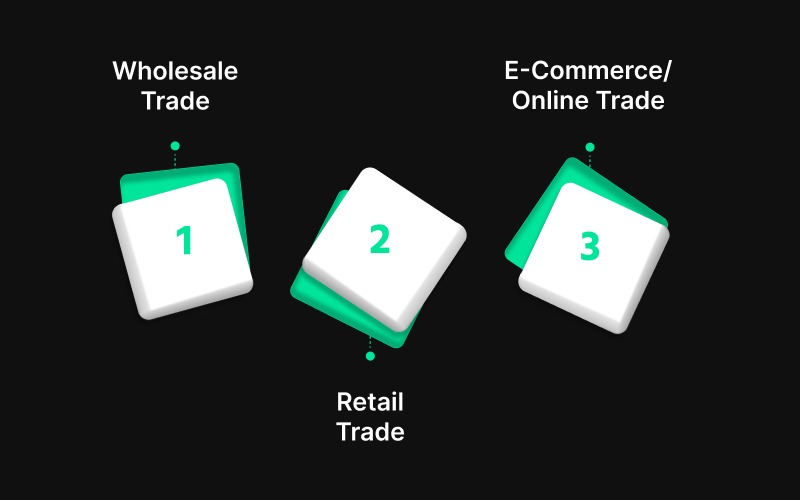
1. Wholesale Trade
Wholesale trade involves purchasing large quantities from manufacturers and supplying them to retailers or smaller businesses. Managing bulk orders efficiently allows better negotiation on pricing, reducing overall costs for your operations. This method also helps streamline logistics and ensures the timely availability of products in local markets.
2. Retail Trade
Retail trade focuses on selling products directly to end consumers through stores or local outlets. Efficient retail management improves customer satisfaction and encourages repeat purchases, strengthening your domestic market presence. It also provides valuable insights into consumer demand, helping you refine offerings and stock levels.
3. E-Commerce/Online Trade
E-commerce allows you to sell products directly to consumers using online platforms, expanding reach beyond physical locations. For instance, a handicraft SME in Jaipur can reach customers nationwide through marketplaces like Amazon India or Flipkart. Optimizing digital operations ensures secure transactions, faster deliveries, and better access to consumer data for strategic decisions.
Now that we’ve outlined the types of internal trade, let’s discuss the key advantages of sticking to local markets.
Also read: Understanding International Logistics for Export and Import
Key Advantages of Internal Trade
Internal trade in India offers several ways for SMEs to streamline operations, reduce costs, and manage supply chains efficiently. Understanding these advantages helps you make the most of domestic markets while preparing for global trade opportunities. Here are the main benefits your business can leverage:
- Lower Operational Costs: Handling trade within India cuts transportation, customs, and currency conversion costs, helping you maximize profits. Streamlined domestic operations also reduce delays, allowing faster order fulfillment for your customers.
- Simpler Compliance and Documentation: Domestic trade involves fewer regulatory approvals and simpler paperwork, letting you focus on core business activities. Clear compliance processes also lower risks of fines and operational disruptions.
- Faster Transactions and Delivery: Trading locally ensures quicker payments and shipping, so orders reach your customers on time. Reduced lead times help strengthen relationships with retailers and improve repeat business.
- Actionable Market Insights: Domestic operations provide valuable data on consumer demand and buying patterns, letting you make smarter inventory and marketing decisions. Utilizing these insights can also support future international trade strategies, especially as exports grow by 2.31%, reaching USD 183.74 billion.
- Lower Risk Exposure: Internal trade reduces risks linked to currency fluctuations, foreign regulations, and cross-border logistics. This allows you to focus on scaling your business and maintaining consistent quality.
While internal trade certainly has its perks, there’s an undeniable allure to exploring the international markets. Let’s now look at what foreign trade brings to the table.
What Is Foreign Trade?
Foreign trade involves buying and selling goods or services across international borders, connecting your business with global markets. Expanding operations internationally allows you to reach new customers and diversify revenue streams beyond domestic limitations. Engaging in foreign trade also requires managing foreign currencies, regulations, and logistics efficiently to reduce risks and operational delays. India has targeted USD 1 trillion in total exports for FY 2025–26, and achieving 34.61% of this goal in the first five months shows immense growth potential for your business.
With the basics of foreign trade covered, let’s move on to how businesses can engage in it through different types of foreign trade.
Types of Foreign Trade
Foreign trade opens international markets, helping SMEs expand revenue streams and diversify business operations successfully. Knowing the types of foreign trade allows smarter decisions, reduces risks, and improves global supply chain efficiency. Here are the main types of foreign trade your business can explore:
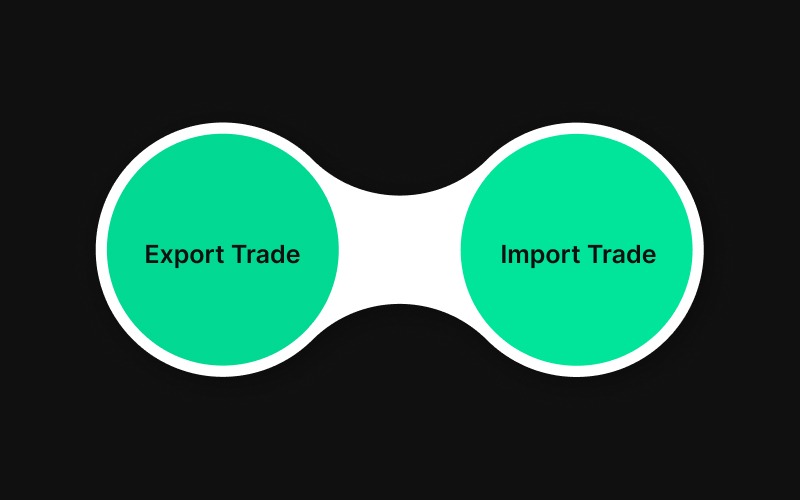
1. Export Trade
Export trade includes selling goods or services produced in India to customers abroad, generating new growth opportunities. Managing exports well ensures smoother logistics, faster payments, and compliance with international regulations for smoother operations. For example, KRBL Limited exports India Gate basmati rice to over 80 countries, including the Middle East, enhancing revenue and global recognition.
2. Import Trade
Import trade involves purchasing goods or services from foreign suppliers to fulfill domestic production or market demands efficiently. Proper import management helps reduce costs, prevent delays, and maintain compliance with Indian trade regulations. For instance, Indian textile SMEs import machinery from Germany and Italy to improve production efficiency and meet rising local demand.
Understanding the different types of foreign trade sets the stage for evaluating its key benefits. So, let's take a look at how international trade can boost your business growth.
Also read: Functional Import and Export Solutions
Key Advantages of Foreign Trade
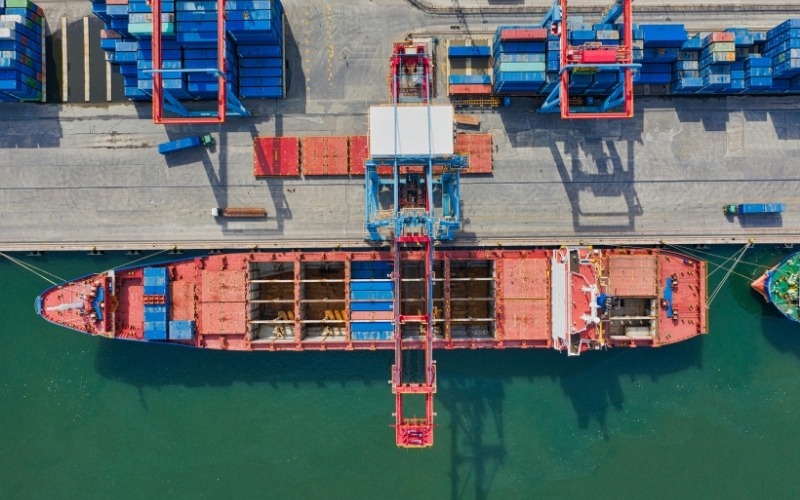
Foreign trade provides opportunities to expand markets, increase revenue, and strengthen global competitiveness effectively. Understanding these advantages helps businesses reduce operational risks and make strategic decisions that support sustainable growth. Here are the key benefits your business can leverage from foreign trade:
- Access to International Markets: Entering foreign markets allows for higher revenue potential and diversified customer bases beyond domestic limitations. For example, FabIndia exports handcrafted textiles and home products to the US and UK, opening new customer segments globally.
- Better Profit Margins: Foreign trade often offers higher selling prices due to international demand and premium product positioning. Dabur exports Ayurvedic products to over 50 countries, boosting profitability while covering logistics and compliance costs.
- Diversification of Business Risk: Engaging in global trade spreads risks across multiple markets, reducing exposure to domestic economic fluctuations. Trading across regions ensures continuity even during local demand slowdowns.
- Access to Advanced Resources and Technology: Importing products, machinery, or raw materials from international suppliers enhances production quality and operational efficiency. For instance, automotive SMEs import precision parts from Japan and Germany to manufacture competitive vehicles in India.
- Enhanced Brand Recognition: Successfully trading internationally increases brand credibility and recognition in global markets. Establishing a presence in multiple countries builds trust and opens further market opportunities.
However, venturing into foreign trade also requires a clear understanding of the distinctions between it and internal trade. Next, let's look at the key differences between these two forms of trade to help you make better decisions.
Internal Trade vs Foreign Trade: Key Differences
Understanding the differences between internal trade and foreign trade helps to make strategic decisions and optimize operations. Clear knowledge of these distinctions allows businesses to reduce costs, manage risks, and improve supply chain efficiency. Here’s a detailed comparison to highlight the key differences your business should consider:

As we’ve outlined the core differences, it’s also important to recognize the challenges that arise when balancing both forms of trade. Let’s take a look at some of the most common hurdles businesses encounter.
Also read: How Logistics Operations and Supply Chain Works
Challenges in Managing Internal and Foreign Trade
Handling internal trade and foreign trade comes with specific hurdles that can slow operations and affect profits. Recognizing these challenges early helps to tackle pain points and make smarter business decisions. Here are the main difficulties your business may face:
- Regulatory Compliance: Domestic trade usually faces straightforward rules, while foreign trade requires complex international approvals and certifications. Efficient compliance ensures smooth operations and avoids penalties.
- Currency and Payment Risks: Local transactions use Indian rupees, but foreign trade exposes your business to exchange rate fluctuations and delayed international payments. Careful financial planning reduces risks and improves cash flow.
- Logistics and Shipping Complexity: Internal trade allows faster deliveries with lower costs, whereas cross-border shipments involve customs, international transport, and longer timelines. Optimized logistics ensure products reach customers on time.
- Documentation Burden: Domestic operations involve simpler paperwork, but foreign trade demands multiple export-import documents and certifications. Accurate documentation prevents delays and compliance issues efficiently.
- Market Uncertainty: Local demand is predictable, but foreign trade faces economic shifts, political risks, and cultural differences. Understanding global trends helps maintain consistent revenue streams.
- Operational Risks: Internal trade carries limited exposure, whereas foreign trade introduces risks from global competition, regulatory changes, and supply chain disruptions. Strategic planning mitigates these effectively.
Now that we’ve examined the obstacles, let’s turn to solutions that can make managing trade processes far more efficient.
How Pazago Supports Exporters Managing Foreign Trade Execution
The differences between internal trade and foreign trade become operationally visible when shipments cross borders. Domestic trade runs on local transport, simpler documentation, and faster cycles. Foreign trade introduces container bookings, freight rate volatility, customs timelines, and multi-party coordination across countries.
Many exporters manage domestic sales smoothly but face execution pressure once international shipments are involved. Missed vessel cut-offs, container shortages, rate fluctuations, or delayed shipment updates directly affect delivery commitments and margins. Pazago focuses on strengthening logistics reliability within foreign trade movements. Here is how Pazago supports exporters handling cross-border shipments:
- Competitive Freight Rates Through Long-Term Shipping Line Relationships: Stable freight pricing across trade lanes reduces exposure to sudden rate spikes and improves export cost planning.
- Assured Container Booking and Coordinated Loading: Container space is secured and loading is aligned at factory, CFS, or port to minimize rollovers and dispatch uncertainty.
- Daily Status Reports (DSRs) For Shipment Visibility: Structured updates covering container movement, ETD and ETA changes, and transshipment milestones help exporters act before delays escalate.
- Comprehensive Pre-Shipment And Post-Shipment Support: Active coordination with carriers and forwarders helps resolve booking, loading, and movement issues during shipment cycles.
- Equal Operational Support Across Export Volumes: Consistent execution reliability is maintained whether exporters manage limited consignments or expanding international volumes.
By stabilizing freight execution within foreign trade operations, Pazago helps exporters protect delivery timelines and buyer commitments while managing cross-border complexity.
Conclusion
Understanding internal trade and foreign trade helps exporters plan expansion strategies more effectively. Domestic operations offer speed and simplicity, while foreign trade demands structured freight coordination and stronger risk control.
For exporters operating in international markets, logistics reliability directly impacts delivery performance and buyer relationships. Pazago supports cross-border execution by securing container space, stabilizing freight rates, and maintaining shipment visibility across trade lanes, helping exporters manage foreign trade movements with greater control.

FAQ
1. What is the main difference between internal and foreign trade?
Internal trade occurs within a country’s borders and uses the domestic currency for transactions. Foreign trade happens between different countries and involves dealing with foreign currencies, regulations, and logistics. The scope, risks, and profit potential are much higher in foreign trade compared to internal trade.
2. Why is foreign trade important for economic growth?
Foreign trade boosts a country’s economy by expanding market access and encouraging specialization in competitive industries. It attracts foreign investment and improves the balance of payments through export growth. Additionally, it helps businesses gain global exposure and access to advanced technology.
3. What are the risks involved in foreign trade?
Foreign trade carries risks such as fluctuating exchange rates, political instability, and changes in trade policies. Delays in shipping or customs can also affect profitability and timelines. Businesses often mitigate these risks through proper documentation, insurance, and diversified trade partnerships.
4. How does internal trade benefit small businesses?
Internal trade allows small businesses to operate within familiar legal, financial, and cultural environments. It involves lower costs, simpler regulations, and faster deliveries. This makes it easier for SMEs to build brand trust and maintain steady revenue without international complexities.
5. What documents are required for foreign trade?
Foreign trade typically requires documents like invoices, packing lists, bills of lading, certificates of origin, and export/import licenses. These ensure compliance with international trade laws and customs requirements. Proper documentation also facilitates smoother logistics and timely payments between parties.