.png)


Mastering Import Documents for Efficient Customs Operations
Optimize your business: use unlimited savings with Pazago fulfilled now!
Get Started ->A container can reach port on schedule and still get stuck, because your paperwork tells customs what your cargo really is. One wrong code, value, or description turns a routine entry into a question.
Customs runs on documents because documents are the control points for release. When your import documents line up, officers can assess the entry and move it forward without back-and-forth.
When details clash across the invoice, packing list, and transport record, clearance slows down fast. You then pay for storage, follow-ups, and missed delivery commitments, even though the shipment already arrived.
In this article, you’ll see how import documentation shapes customs decisions, where errors trigger friction, and how to manage documents with discipline so clearance stays predictable.
Key Takeaways
- Even small errors in import documents, like wrong codes or values, can trigger costly delays and customs inspections.
- Customs relies on accurate paperwork to assess risk, calculate duties, and decide which shipments require manual review.
- Well-prepared documents help speed up trade finance, resolve supplier disputes, and ensure accurate cost tracking.
- Coordination among suppliers, brokers, and importers, plus standardised systems, prevents errors from being introduced upstream.
- Disciplined management of import documents transforms customs from a reactive bottleneck into a predictable, streamlined process.
Why Import Documentation Directly Impacts Customs Efficiency
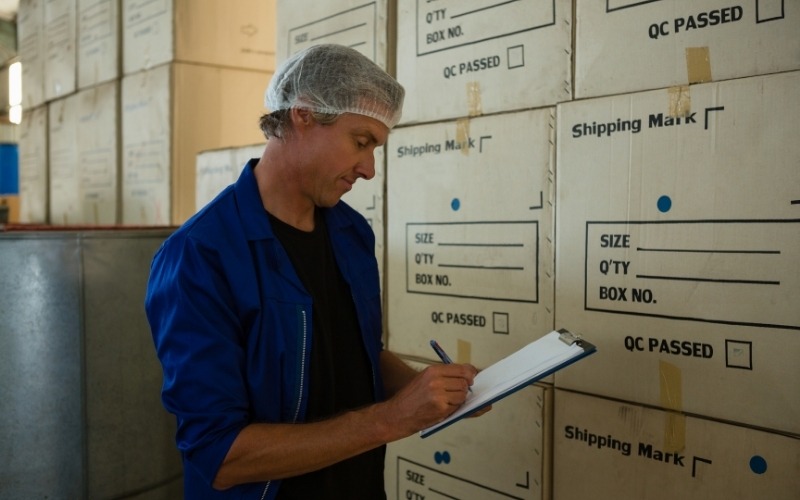
Customs authorities can’t inspect every shipment, so they rely on the documents you submit to assess risk and decide which shipments need closer review. When your documentation is accurate and complete, clearance happens quickly because there’s no reason to slow the process.
Incomplete, inconsistent, or suspicious documents trigger manual checks, creating delays that ripple through your supply chain. The connection is simple: authorities process what they can verify immediately and hold back what needs clarification.
These delays aren’t just inconvenient; they increase storage costs, disrupt production schedules, and force last-minute logistical changes. To fully grasp the stakes, it helps to understand precisely how customs interacts with the import documents you provide.
How Customs Authorities Use Import Documents
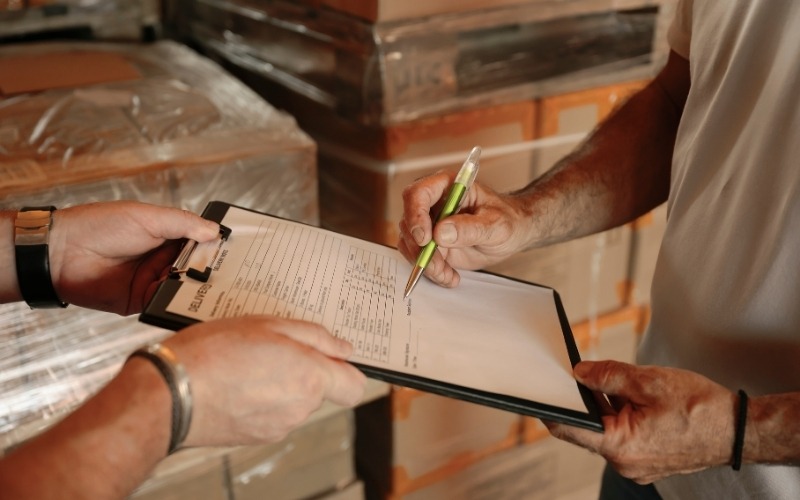
Your documents serve as the foundation for three critical determinations: classification, valuation, and duty assessment. Classification determines which tariff codes apply, valuation establishes the taxable base, and duty assessment calculates what's owed. All three depend entirely on the accuracy and consistency of submitted paperwork.
Beyond initial processing, these documents determine routing:
- Shipments with clean, consistent documentation move through automated channels
- Those with anomalies get routed to manual review based on risk scoring
- Physical inspections get triggered when declared information conflicts with historical patterns or statistical norms
Customs also uses documents to build audit trails. Post-clearance audits compare declared values, classifications, and quantities to what actually arrived. Discrepancies can lead to penalties, duty adjustments, or compliance reviews long after your shipment clears.
Also Read: Top 10 Import Export Companies Websites - Pazago Guide
Now that we see how customs uses your paperwork, let’s break down the key documents that make this system work.
Core Import Documents and Their Functional Roles

Understanding documents by purpose clarifies why some gaps cause immediate operational problems while others create longer-term risks.
1. Commercial and Transport Documents
Commercial invoices define transaction value, product details, and terms of sale: information customs uses to calculate duties and verify trade compliance. Transport documents, like bills of lading, prove ownership and track shipments, confirming that what arrives matches what was declared.
Inconsistencies between these documents trigger immediate clearance delays because customs cannot reconcile conflicting information.
2. Regulatory and Compliance Documents
Some goods require explicit permission to enter, such as licenses, certificates, and permits that prove compliance with safety, health, or regulatory standards. Without these, customs processing stops entirely.
A shipment of medical devices without certification or food products lacking inspection documents won’t clear, no matter how accurate your commercial paperwork is. These documents act as gatekeepers with no provisional workaround.
3. Supporting and Supplementary Documents
Packing lists, insurance certificates, and declarations don’t determine clearance but influence speed. Detailed packing lists let customs verify contents without opening every carton.
Insurance documents confirm declared values and ensure financial claims align with market standards. Supporting documents reduce friction by giving customs alternative verification methods, preventing unnecessary manual checks.
Also Read: Understanding Import Export Insurance And Its Benefits
Once you understand each document’s role, it’s clear why certain mistakes cause delays or even halt shipments entirely.
Common Documentation Failures That Disrupt Customs Operations

Import and export companies contributed 35.6% to India’s GDP in 2023, up from 33.3% the year before, making customs efficiency an economic issue, not just an operational one. Clearance delays typically stem from avoidable documentation failures that force customs to investigate inconsistencies that shouldn't exist.
Inaccurate classification and valuation errors are among the most common triggers. Mismatched information across documents creates similar disruptions. If the commercial invoice lists one quantity but the packing list shows another, customs can't reconcile the differences without intervention.
Let’s take a closer look at the most common documentation failures and how they impact customs operations:
Spotting common documentation errors shows the risks, but proactive management is what actually speeds up customs clearance.
Managing Import Documents for Faster Customs Clearance
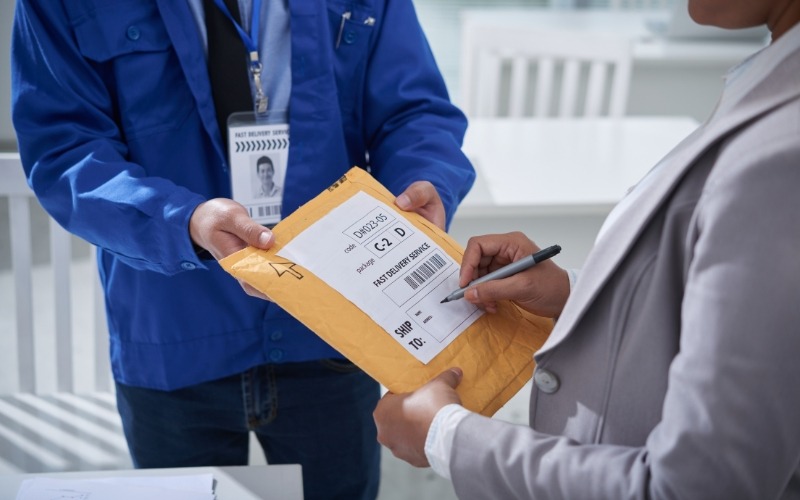
Improving clearance speed requires treating documentation as a process with inputs, controls, and outputs rather than a last-minute compliance task. Here’s how to manage import documents efficiently to speed up customs clearance:
1. Standardisation and Internal Controls
Standardised product descriptions, units of measure, and classification codes across all shipments minimise discrepancies. Version control ensures only approved documents reach customs, and approval workflows add verification layers: experts review tariff codes, and financial checks confirm declared values against purchase records.
Key benefits:
- Consistent formats reduce clearance errors
- Version control avoids submitting outdated documents
- Approval workflows ensure multiple verification layers
2. Coordination Between Stakeholders
Importers rarely prepare all documents alone. Customs brokers, freight forwarders, and suppliers each contribute, and misalignment can trigger delays. Ensuring everyone works from the same base information and aligns critical documents prevents unnecessary clearance issues.
Best practices include:
- Share a single source of truth for product descriptions and data
- Align commercial invoices, packing lists, and other critical documents across stakeholders
- Clarify roles and document responsibilities before submission
When import documents are managed strategically, their value goes far beyond simply passing customs.
The Strategic Value of Import Documentation Beyond Clearance

Import documentation impacts more than just customs; it plays a key role in trade finance, supplier management, and internal controls. Clean, consistent paperwork is essential for banks to process letters of credit or documentary collections. Errors or inconsistencies can delay payments, creating cash flow issues even if customs clearance is smooth.
Here’s why disciplined documentation matters:
- Trade Finance: Accurate paperwork ensures timely payment releases and smooth credit management.
- Supplier Relationship Management: Traceable records resolve disputes over quantities, specifications, or delivery timelines, giving you leverage for corrections, refunds, or replacements.
- Internal Financial Controls: Documentation reconciles inventory, tracks landed costs, and confirms that what you paid for actually arrived, supporting accurate accounting and operations planning.
Also Read: Import And Export Services: Basic Guidelines And Procedures
The benefits of clean, consistent documentation multiply when errors are caught upstream, before they ripple through customs and operations.
How Pazago Supports Efficient Customs Operations and Smooth Logistics
Handling import documentation is a crucial step in ensuring smooth customs operations. However, ensuring that these documents align with logistics operations is equally essential.
Pazago plays a key role in aligning your logistics and documentation to ensure that customs operations run smoothly. Here’s how Pazago strengthens your import logistics execution:
- Competitive Freight Rates for Predictable Costs: With our long-term relationships with major shipping lines, Pazago helps you manage freight costs more effectively, providing stable, competitive rates that align with your export/import schedules.
- Seamless Container Booking & Loading Coordination: Container bookings and scheduling are confirmed early, ensuring smooth transportation of goods, minimising port delays, and ensuring your shipments align with customs requirements.
- Real-Time Shipment Tracking & Visibility: With real-time tracking, you can monitor cargo movements and customs status, flagging issues early to avoid delays in customs processing.
- Streamlined Export Document Management: Pazago integrates logistics and documentation, ensuring that commercial invoices, packing lists, and shipping documents are automatically aligned with the shipment, reducing errors and delays during customs clearance.
- Complete Shipment Visibility & Communication: By centralising logistics coordination and export documentation in one system, Pazago provides clear visibility and communication, helping exporters avoid compliance risks and costly delays.
Pazago ensures your import/export operations are well-managed, compliant, and efficient by seamlessly connecting logistics and documentation.
Conclusion
Efficient customs clearance depends on what happens before documents reach customs. Delays and disputes usually stem from execution gaps, missed handovers, inconsistent shipment updates, and poor coordination across freight, loading, and post-dispatch stages.
Pazago supports exporters by strengthening logistics execution around customs workflows. From predictable freight planning and confirmed container bookings to structured shipment visibility and coordinated follow-ups, exporters stay in control of shipment movement and downstream compliance.
When logistics execution is stable, customs processes become smoother, communication with buyers improves, and operational risk reduces across the export lifecycle. To understand how Pazago helps exporters bring predictability to freight execution and customs-linked workflows, get in touch with the Pazago team.
FAQs
1. How do digital signatures impact imports?
They securely authenticate documents electronically, reducing physical paperwork and speeding up contract validation between importers and exporters internationally.
2. Can blockchain improve import traceability?
Yes. Blockchain provides permanent, transparent records of goods’ movement, helping detect fraud and improving overall supply chain visibility.
3. Why are trade agreements important for imports?
Trade agreements set tariffs, quotas, and special rules that help businesses optimise sourcing, reduce costs, and comply with international trade regulations.
4. How does environmental compliance affect imports?
Imports must meet environmental standards like packaging, emissions, or hazardous material rules; failure can trigger inspections, fines, or shipment rejection.
5. Why is language translation important in import documents?
Accurate translation ensures authorities correctly interpret contracts, product descriptions, and certificates, preventing misunderstandings, delays, or compliance issues.