.png)


Guide to Export Shipping Container Sizes and Types
Optimize your business: use unlimited savings with Pazago fulfilled now!
Get Started ->Did you know that over 90% of global trade is transported by sea? As an Indian exporter, you rely on this vast network to get your goods to international markets. However, selecting the right export container can be complex, especially for those new to global shipping.
The correct container affects not only the cost but also the safety and timely delivery of your products. With numerous container types available, selecting the right one can be challenging; however, making the wrong choice can result in delays, additional costs, or even product damage.
In this blog, we’ll explore how to choose the correct export container for your business. We’ll cover the most common container types, the factors to consider, and tips to make your shipping process more cost-effective and efficient.
Key Takeaways:
- Export container size affects shipping costs, delivery times, and product safety.
- Standard containers like 20-foot and 40-foot are most commonly used for general cargo.
- Specialized containers are needed for perishable, oversized, or liquid cargo.
- Choosing the right container depends on cargo type, volume, weight, and destination.
- Proper selection helps avoid delays, reduce costs, and improve shipment reliability.
Standard Export Container Sizes
When exporting goods, selecting the right container size is one of the most critical decisions. Each container type is designed to meet specific shipping needs based on the volume, type, and weight of your cargo. Understanding the standard container sizes helps you make an informed choice for your export shipments.
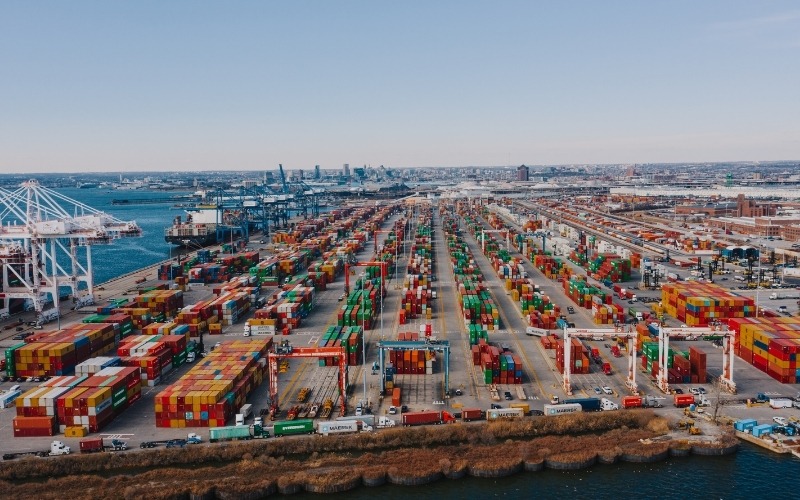
Here are the most common export container sizes used in international trade:
1. 20-Foot Standard Container (20' GP)
This is the most commonly used container for smaller shipments. It’s ideal for businesses with less bulky cargo. The 20-foot container is suitable for goods such as machinery, electronics, and textiles.
- External Dimensions: 20' L x 8' W x 8.5' H (6.06m x 2.44m x 2.59m)
- Internal Dimensions: 19' 4" L x 7' 8" W x 7' 10" H (5.9m x 2.35m x 2.39m)
- Capacity: Approximately 33.2 cubic meters
- Best For: Smaller shipments like machinery parts, electronic goods, or food products.
2. 40-Foot Standard Container (40' GP)
A 40-foot container is perfect for larger shipments, offering twice the space of a 20-foot container for your cargo. This size is commonly used for bulkier items, such as textiles, furniture, or consumer electronics.
- External Dimensions: 40' L x 8' W x 8.5' H (12.19m x 2.44m x 2.59m)
- Internal Dimensions: 39' 6" L x 7' 8" W x 7' 10" H (12.04m x 2.35m x 2.39m)
- Capacity: Approximately 67.7 cubic meters
- Best For: Larger shipments like furniture, bulk textiles, or consumer goods.
3. 40-Foot High Cube Container (40' HC)
The high cube container offers the same length and width as the 40-foot standard container but is taller. This extra height is ideal for businesses shipping bulky or lightweight items that need additional space.
- External Dimensions: 40' L x 8' W x 9.5' H (12.19m x 2.44m x 2.89m)
- Internal Dimensions: 39' 6" L x 7' 8" W x 8' 10" H (12.04m x 2.35m x 2.69m)
- Capacity: Approximately 76.4 cubic meters
- Best For: Bulky or lightweight goods and high-volume shipments.
Not all cargo fits into a standard container. For more sensitive, oversized, or unique items, specialized containers are necessary to ensure they are transported securely and safely.
Specialized Export Containers
While standard containers are suitable for most shipments, there are instances when specialized containers are required for specific types of cargo. These containers are designed to protect sensitive, oversized, or unusually shaped goods during transport.
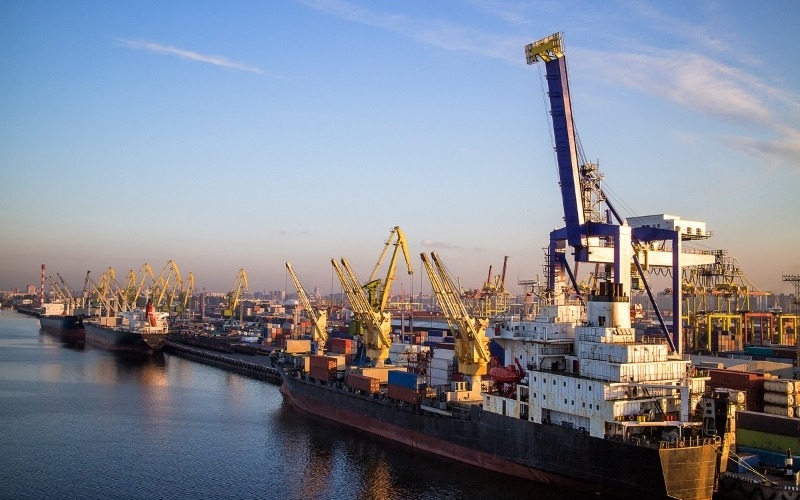
Here are some specialized export containers:
1. Reefer Containers (Refrigerated Containers)
Reefer containers are used for transporting perishable goods that need a controlled temperature. These containers maintain consistent temperature levels, ensuring that products such as food, pharmaceuticals, and chemicals remain fresh and safe during transport.
- Types: 20ft, 40ft, 40ft HC
- Temperature Range: Typically from -30°C to +30°C
- Best For: Perishable items such as fruits, vegetables, seafood, dairy products, and pharmaceuticals.
2. Flat Rack Containers
Flat rack containers are open platform-style containers used for shipping oversized or irregularly shaped cargo that doesn’t fit into a standard container. They are ideal for heavy machinery, vehicles, and construction materials.
- Types: 20ft, 40ft
- Best For: Large items like machinery, vehicles, or building materials that require open access for loading.
3. Open Top Containers
Open-top containers have no roof, making them ideal for loading tall or heavy items from the top. They are commonly used for cargo, such as steel or construction equipment.
- Types: 20ft, 40ft, 40ft HC
- Best For: Cargo that requires top loading, such as heavy machinery or tall equipment.
4. Double Door Containers
Double-door containers have doors at both ends, allowing for easier loading and unloading of goods from either side, saving time and effort. This design accelerates the shipping process, particularly when quick access is needed.
- Types: 20ft, 40ft, 40ft HC
- Best For: Goods that need to be quickly handled, such as retail products or automotive parts.
5. Tank Containers
Tank containers are used for shipping bulk liquids, including chemicals, oils, and food-grade liquids. These containers are designed to be secure, leak-proof, and ideal for transporting liquid cargo.
- Types: Typically 20ft
- Best For: Liquid cargo, such as chemicals, oils, or beverages that need to be transported in bulk.
Now that we've covered different container types, it’s time to consider how to choose the right one for your shipment.
Choosing the Right Container for Your Export Needs
Selecting the right export container can significantly impact your shipping costs and product safety. Your decision should be based on the type, volume, and conditions required for your cargo. By making informed choices, you can minimize risks and shipping delays.
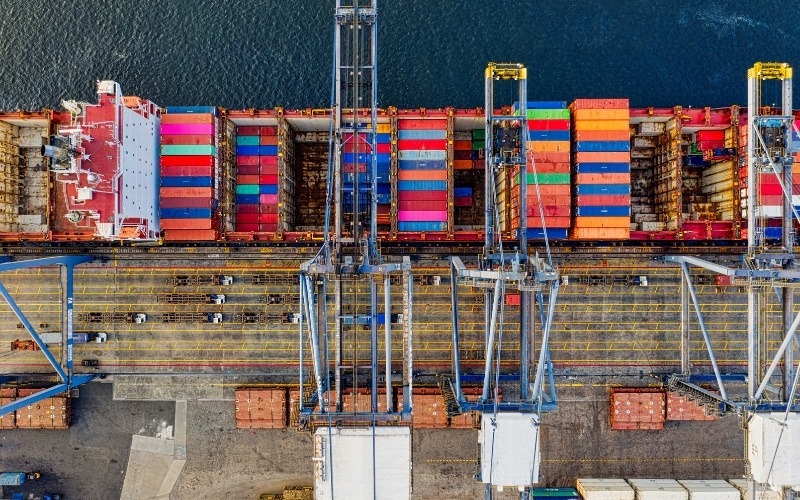
Here are the factors to consider when selecting the correct container:
- Cargo Type: Determine if your goods are perishable, oversized, or fragile, as this can dictate whether you need a reefer or a specialized container.
- Cargo Volume and Weight: Larger or heavier shipments require bigger containers, such as the 40-foot container or flat rack. Smaller shipments can fit into a 20-foot container.
- Destination Requirements: Different countries and ports have regulations that can affect your container choice. Research these requirements to avoid complications.
- Cargo Fragility: If your goods are fragile, consider containers with additional protection or secure storage options, such as double-door containers.
- Budget Considerations: The size and type of container you choose will impact your shipping costs, so select the option that fits your budget and requirements.
- Ease of Loading and Unloading: Depending on your cargo, you may need containers with specific features, such as double doors or top access, to make loading easier.
- Shipping Timeframe: If your shipment is time-sensitive, choose a container that allows quicker access and handling at the port.
Once you've understood how to choose the correct container, the next challenge is to find a reliable partner who can manage the logistics of your shipment.
Why Choose Pazago for Your Export Shipping Needs?
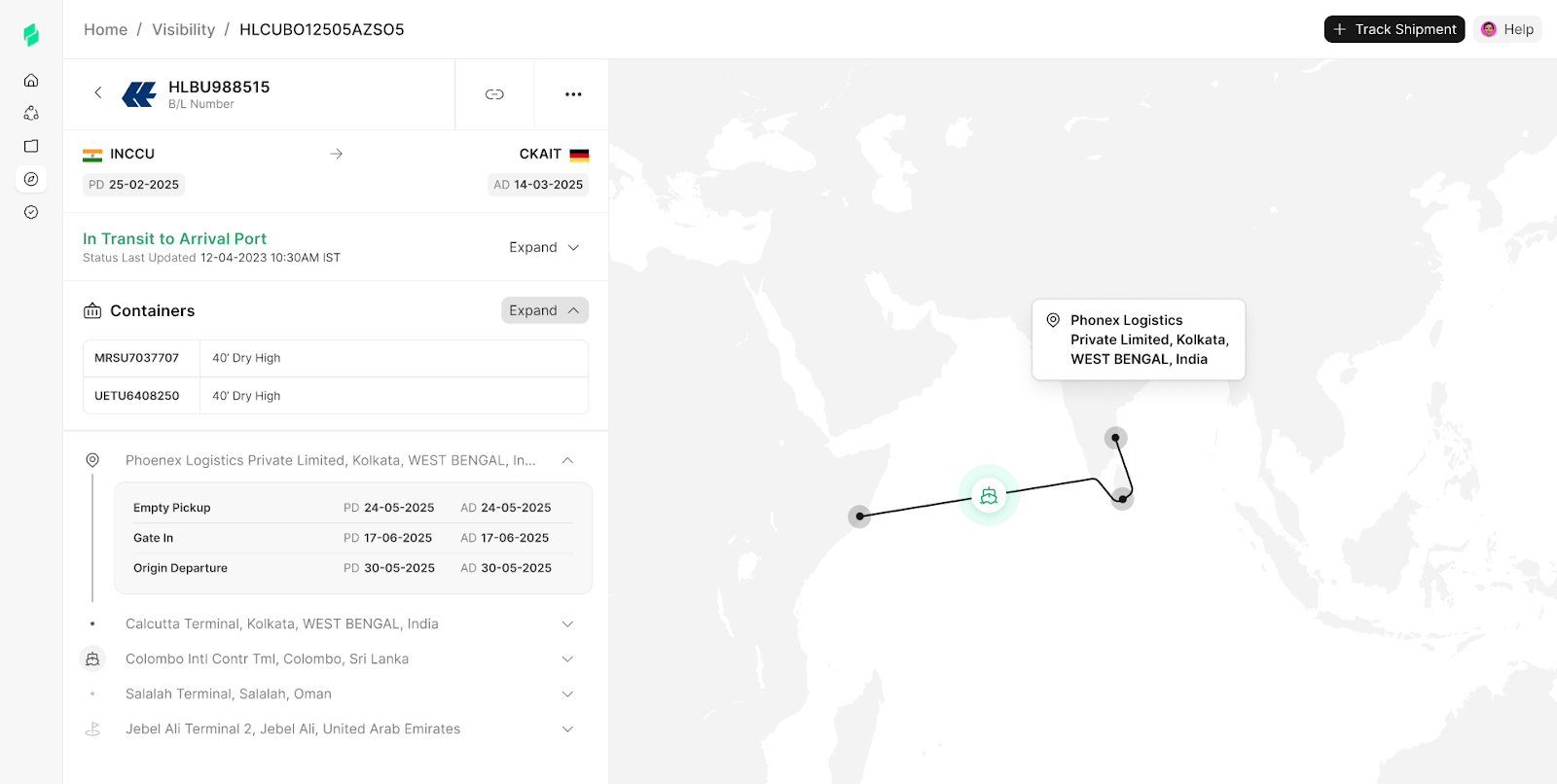
Selecting the right logistics partner is essential for ensuring your exports are properly managed and reach their destination safely and on time. Pazago offers reliable shipping solutions explicitly designed for exporters like you.
Here are the key reasons to choose Pazago for your export shipping:
Pazago helps exporters manage shipments involving specialized containers such as reefer containers for perishable goods or flat racks for oversized items. The platform allows you to track these shipments easily and ensures that all cargo, regardless of its type, is handled appropriately.
Pazago’s real-time shipment tracking allows you to monitor the status of your cargo at every stage of its journey. By using BL/container numbers, exporters and buyers can stay informed, improving communication and reducing the need for follow-up inquiries.
3. Centralized Export Documentation:
With Pazago, export documentation such as commercial invoices and packing lists is automatically generated using the data already input into the system. This reduces errors, speeds up the documentation process, and ensures compliance with export regulations, making customs clearance smoother.
4. Flexible Payment Solutions:
Pazago offers multi-currency payment options, simplifying the management of transactions in various currencies. This feature eliminates the complexities of manual currency conversion, ensuring a seamless financial process for international shipping.
Pazago’s internal order-level discussions enable team members to communicate directly within the platform. This keeps conversations organized and tied to specific orders, reducing the chances of miscommunication and delays during the export process.
6. Customizable Reporting & Insights:
Pazago’s interactive dashboard provides detailed reports on your shipments, including the ability to filter by status or destination country. Exporters can analyze their shipments’ progress and make informed decisions based on real-time insights.
By choosing Pazago, you can trust that your shipments will be handled by experts who understand the challenges of international shipping.
Conclusion
Selecting the right export container is essential for your business’s success in international trade. A well-chosen container ensures that your goods are delivered safely, efficiently, and cost-effectively. Taking time to understand the different container types and sizes can save you from unnecessary expenses and delays.
If you're looking for a trusted partner to help with your export shipments, consider booking a demo with Pazago. Our expert team will guide you through the shipping process and help you select the best options tailored to your business needs.
Book a demo today to experience how Pazago can simplify your export shipping needs.
FAQs
1. What is the difference between a 40-foot container and a 40-foot high cube container?
A 40-foot standard container has a height of 8.5 feet, while a 40-foot high cube container is 9.5 feet tall. This extra height makes the high cube container more suitable for cargo that is bulkier or requires more space.
2. How do I know which container size is best for my cargo?
The container size you choose depends on the volume, weight, and type of your cargo. For smaller shipments, a 20-foot container may be sufficient, while larger shipments or bulkier items may require a 40-foot container or high cube.
3. Do I need a special container for perishable goods?
Yes, perishable goods require reefer (refrigerated) containers to maintain a specific temperature during transit. Reefer containers are ideal for shipping food, pharmaceuticals, and other temperature-sensitive products.
4. Can I ship oversized cargo in a standard container?
Oversized cargo typically cannot fit in a standard container. In such cases, you may need to use specialized containers such as flat racks or open-top containers that can accommodate larger or irregularly shaped items.
5. What happens if I choose the wrong container type for my goods?
Choosing the wrong container can lead to increased shipping costs, delays, or even damage to your goods. It’s important to select the appropriate container based on the size, type, and fragility of your cargo to ensure safe and timely delivery.