.png)


Overcoming Key Challenges in Cross Logistics for Exporters
Optimize your business: use unlimited savings with Pazago fulfilled now!
Get Started ->India’s export growth is outpacing global trends, with a 7.1% increase in 2024 compared to the world’s 2.5%. This remarkable rise brings new opportunities, but it comes with obstacles such as rising shipping costs, customs procedures, and delays that threaten timely deliveries.
Managing cross-border logistics can be complex, with numerous moving parts, including shipping, communication, and compliance. These hurdles can lead to delays, increased costs, and missed business opportunities. The burden of managing these details can feel burdensome.
In this blog, we’ll explore the most common logistics challenges that Indian exporters face today. We’ll discuss how to manage customs procedures, overcome infrastructure bottlenecks, handle rising costs, and maintain visibility in your supply chain.
Key Takeaways:
- Rising shipping costs, delays, and customs complexities are major challenges for exporters.
- Infrastructure bottlenecks like port congestion and limited storage slow down goods movement.
- Increasing freight charges and fluctuating tariffs affect profit margins for international shipments.
- Poor communication among stakeholders leads to delays and higher operational costs.
- Insurance coverage and risk management are crucial for protecting goods during international transit.
Understanding Customs Challenges
Customs procedures are crucial in international trade, requiring exporters to meet regulations for timely clearance. Navigating tariffs, documentation, and compliance can be demanding for SMEs in India.
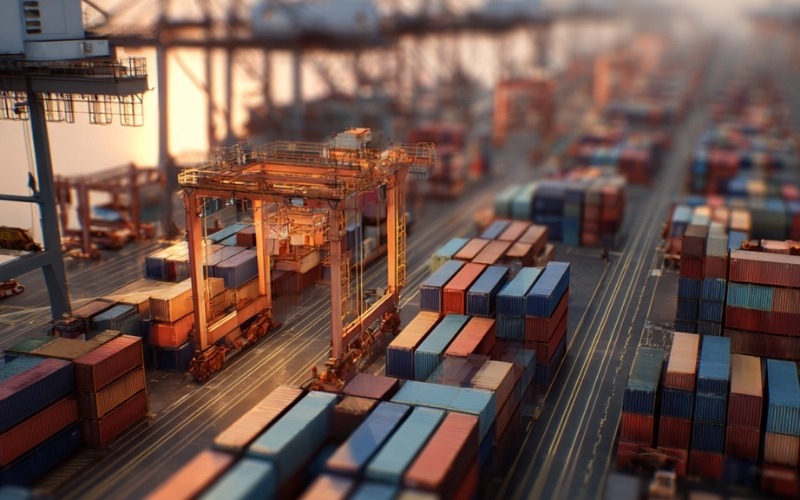
The following customs-related issues are commonly faced by exporters:
Common Challenges:
- Inconsistent Documentation: Documentation requirements vary across countries, leading to confusion.
- Frequent Regulatory Changes: Constant updates in tariffs and regulations add complexity.
- Communication Gaps: Miscommunication with customs authorities can lead to delays.
Impact:
- Shipment Delays: Missed deadlines result in lost sales and disrupted partnerships.
- Unforeseen Penalties: Failure to comply can lead to fines and increased costs.
- Shipment Rejections: Incorrect documents can cause shipments to be rejected, wasting resources.
Actionable Solutions:
- Adopt Digital Tools: Implement platforms that automate document creation and ensure compliance.
- Work with Customs Experts: Collaborate with brokers who stay updated on global regulations.
- Create a Standard Checklist: Develop a checklist for every shipment to ensure proper documentation.
Customs compliance issues are just one part of the puzzle, as infrastructure-related problems can also significantly impact the smooth flow of goods.
Also Read: Understanding the Process of Customs Clearance
Tackling Infrastructure Bottlenecks
Infrastructure issues can significantly slow down the flow of goods and increase costs. Port congestion, inadequate storage, and transport challenges are common obstacles in cross-logistics.
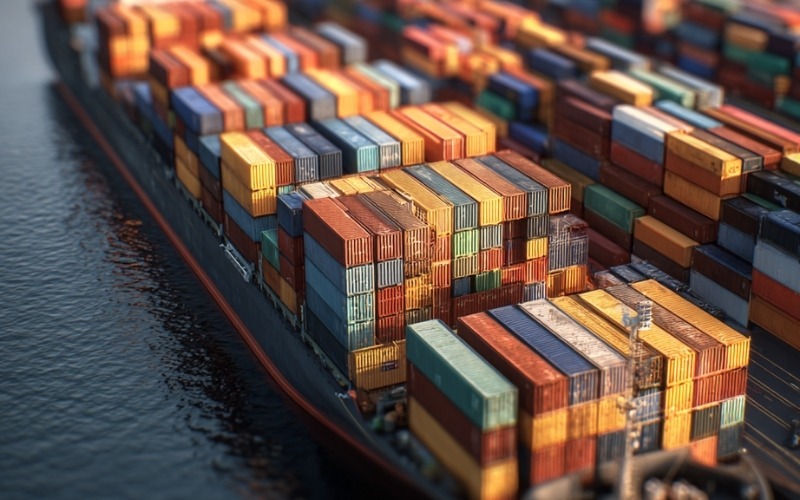
Here are the infrastructure problems commonly faced by exporters:
Common Challenges:
- Port Congestion: High traffic at major ports delays unloading and loading.
- Limited Storage: Lack of warehousing or cold storage causes delays in moving goods.
- Transport Problems: Poor road and rail networks can disrupt shipments from ports to final destinations.
Impact:
- Longer Shipping Times: Extended transit times result in customer dissatisfaction.
- Increased Costs: Additional costs arise from detours or urgent shipping services.
- Supply Chain Disruptions: Delays can create backlogs and inventory problems.
Actionable Solutions:
- Expand Logistics Partners: Work with multiple carriers and freight forwarders to avoid congestion.
- Plan Shipments Early: Book in advance, especially during peak seasons, to ensure timely delivery.
- Invest in Storage Solutions: Use third-party warehouses or find better storage locations near key ports.
While addressing infrastructure challenges is crucial, exporters also face rising logistics costs that can affect overall profitability and competitiveness.
Also Read: Major Busy Ports and Cargo in India
Managing Rising Costs in Cross Logistics
Rising logistics costs are a growing concern for exporters. Increased shipping fees, fluctuating fuel prices, and supply chain disruptions affect the bottom line for many businesses.
Here are some cost-related challenges exporters face in cross-logistics:
Common Challenges:
- Fuel Price Fluctuations: Changing fuel prices influence overall shipping costs.
- Container Shortages: Global shortages of shipping containers drive up freight costs.
- Rising Tariffs: Increased tariffs from trade conflicts affect the cost of exports.
Impact:
- Decreased Market Position: Higher shipping costs reduce the competitiveness of your products.
- Lower Profit Margins: Exporters face tighter margins due to increasing shipping and tariff charges.
- Customer Loss: Customers may choose lower-priced alternatives from other sellers.
Actionable Solutions:
- Negotiate Long-Term Freight Contracts: Secure fixed rates to avoid sudden increases in transport costs.
- Consolidate Shipments: Combine smaller shipments into larger ones to reduce per-unit freight costs.
- Monitor Currency Fluctuations: Use tools that help you track exchange rates and mitigate the impact of currency changes on your costs.
Along with managing rising costs, communication gaps among stakeholders can result in delays and misunderstandings that further disrupt the logistics process.
Also Read: Guide to Various Types of Freight and Shipping Charges
Improving Communication in Cross Logistics
Clear communication is essential to avoid errors and delays in cross logistics. Misunderstandings between exporters, freight forwarders, and customs can lead to costly mistakes and shipment disruptions.
Communication issues often lead to operational delays, and here's how they typically manifest:
Common Challenges:
- Incomplete Documentation: Missing or incorrect documents lead to customs delays.
- Misunderstandings with Freight Forwarders: Unclear shipping schedules and requirements can cause confusion.
- Customer Communication Gaps: Failing to notify customers about shipment status creates frustration.
Impact:
- Delays in Operations: Poor communication leads to delays in processing and delivery.
- Higher Operational Costs: Mistakes in documentation or misunderstanding requirements increase costs.
- Damage to Customer Trust: Delays and lack of updates may cause frustration, harming your reputation.
Actionable Solutions:
- Centralize Communication: Use platforms where all parties (customs, freight forwarders, and customers) can track shipments in real-time.
- Frequent Check-Ins: Set up regular meetings with logistics partners and customs agents to stay on the same page.
- Automate Customer Alerts: Implement systems that automatically update customers on shipment status and any delays.
Clear communication is essential to ensure smooth operations, but protecting shipments through insurance is another critical aspect to reduce potential risks.
Also Read: Understanding What is Supplier Relationship Management
Ensuring Protection with Insurance in Cross Logistics
Shipping goods internationally carries risks such as theft, damage, and delays. Insurance plays a crucial role in protecting your cargo during transit across borders.
The following insurance-related challenges can create risks for exporters:
Common Challenges:
- Choosing the Right Coverage: Deciding on the appropriate insurance for different types of goods can be complex.
- Slow Claim Processing: Claims can take time to process, affecting financial stability.
- Excluded Risks: Standard insurance policies may not cover emerging risks like political instability or cyber threats.
Impact:
- Potential Losses: Without the right coverage, your business risks losing valuable goods without compensation.
- Financial Strain: Delayed claims can cause financial difficulties and operational challenges.
- Reputation Damage: Loss or damage to products can harm customer trust and impact sales.
Actionable Solutions:
- Work with Specialized Brokers: Partner with insurance brokers who understand the unique needs of international shipments.
- Review Policies Regularly: Assess your insurance coverage to ensure it addresses current risks and needs.
- Track Shipments in Real-Time: Use tracking technology to monitor your shipments and reduce the risk of theft or damage.
Addressing the challenges of cross logistics requires effective tools and solutions. Pazago offers services designed to assist exporters in overcoming the most pressing logistics issues.
Also Read: Essential Tips and Checklist for Smooth Cargo Insurance
How Pazago Brings Stability to Cross Logistics Execution
Cross logistics failures rarely come from a single mistake. Rate fluctuations, delayed container bookings, missed cut-offs, and slow shipment updates create compounding delays that increase landed costs and strain buyer relationships.
Pazago focuses on tightening freight execution across international shipments so cost planning, dispatch schedules, and buyer commitments stay aligned. Instead of fragmented coordination across multiple parties, exporters gain structured control over booking, movement, and updates.
Here is how Pazago supports cross logistics stability for exporters:
- Assured Container Booking And Coordinated Loading: Pazago secures container space through established shipping line relationships and coordinates loading at factory, CFS, or port to align dispatch schedules with vessel cut-offs and reduce rollover risk.
- Competitive Freight Rates Through Long-Term Line Relationships: Stable rate structures help exporters protect margins from sudden freight spikes that affect cross-border cost planning.
- Daily Status Reports (DSRs) For Shipment Visibility: Regular shipment-level updates on container movement, ETD changes, and transshipment milestones allow exporters to respond early to delays before they escalate.
- Comprehensive Pre-Shipment And Post-Shipment Sales Support: Ongoing coordination between exporters, forwarders, and carriers reduces miscommunication during booking, documentation clarification, and shipment follow-ups.
- Equal Operational Support Across Shipment Volumes: Whether managing occasional consignments or regular export cycles, exporters receive consistent execution oversight without scale-based service gaps.
By tightening booking discipline, coordination, and shipment updates, Pazago helps exporters maintain predictable cross-border movement and stronger delivery reliability.
Conclusion
Managing cross logistics requires more than process awareness; it depends on disciplined freight execution across booking, dispatch, and movement stages. Customs preparation, cost control, infrastructure planning, and communication all rely on stable shipment coordination to work effectively.
Pazago strengthens this execution layer by securing competitive freight terms, coordinating container movement, and providing structured shipment updates that reduce surprises during transit. With clearer movement control and fewer rollover disruptions, exporters can protect margins and maintain buyer confidence in international trade commitments.
FAQs
1. What are the key challenges in managing cross-border logistics for Indian exporters?
Indian exporters often face challenges such as complex customs procedures, rising shipping costs, infrastructure bottlenecks at ports, and communication gaps with freight forwarders and customs authorities. These issues can delay shipments, increase operational costs, and impact customer satisfaction.
2. How can businesses reduce the impact of customs delays in cross-border logistics?
To reduce customs delays, businesses can work with experienced customs brokers who stay updated on regulations. Using digital tools to automate documentation can help ensure accuracy and compliance, while maintaining open communication with customs authorities is essential to resolve any issues quickly.
3. What role does infrastructure play in cross logistics, and how can exporters overcome related issues?
Infrastructure bottlenecks such as port congestion and inadequate storage can lead to delays and higher costs. Exporters can address these by diversifying logistics partners, planning shipments in advance, and utilizing alternative storage solutions like third-party warehouses close to key ports.
4. How can exporters manage the rising costs of cross-border logistics?
Exporters can negotiate fixed rates with freight providers, consolidate shipments to reduce costs, and monitor currency fluctuations to manage exchange rate risks. Planning ahead and working with multiple logistics providers also helps minimize unexpected cost increases.
5. What is the role of insurance in cross-border logistics, and how can businesses ensure adequate coverage?
Insurance protects businesses from risks such as damage, theft, or delays during transit. Exporters should work with insurance brokers who specialize in international shipping, regularly review their policies to cover new risks, and track shipments to mitigate potential losses.