.png)


20+ Top Products Exported from India in 2026 and Their Logistics Needs

Optimize your business: use unlimited savings with Pazago fulfilled now!
Get Started ->India’s export ecosystem in 2026 is no longer just about volume. It’s about speed, compliance, specialization, and reliability. As global supply chains rebalance and buyers look for dependable alternatives, India has emerged as a preferred sourcing hub across manufacturing, agriculture, pharmaceuticals, and technology.
However, exporting in 2026 is not simply about producing the right product. Each category comes with distinct logistics requirements, ranging from cold-chain handling and hazardous cargo compliance to high-security air freight and bulk shipping infrastructure. Understanding these logistics needs is what separates profitable exporters from delayed, cost-heavy operations.
Key Highlights
- India’s export surge in 2026 is driven by high-value, compliance-heavy categories like electronics, pharma, engineering goods, and chemicals, boosted by China+1 and PLI.
- Every major export category has distinct logistics needs, from cold-chain and DG handling to secure air freight and contamination-proof packaging.
- Regulatory and documentation discipline is now essential for smooth exports. Clean HS codes, certificates, labelling accuracy, and audit-ready paperwork prevent costly delays.
- Exporter success hinges on speed, visibility, and exception management. Pre-clearance, milestone tracking, and early alerts reduce dwell time, rollovers, and buyer escalations
India’s Export Landscape in 2026: What’s Driving Growth

India’s export engine in 2026 is being shaped by a clear mix of global sourcing shifts, policy-driven manufacturing, and faster logistics networks, and the data shows where the momentum is concentrated.
1) Global “China+1” sourcing is redirecting demand: As buyers diversify supply chains, India is capturing a bigger share of orders in categories where it can scale reliably (electronics, engineering goods, chemicals, pharma). One signal of how trade lanes matter: in Q2 of FY 2025–26, 44.29% of India’s merchandise exports went to Asia, 23.82% to America, and 20.68% to Europe, meaning route design and transit-time competitiveness are now strategic, not operational.
2) Export growth is concentrated in a few “big buckets.” India’s exports aren’t evenly distributed, top categories dominate volumes and logistics capacity planning. On the government’s NIRYAT export dashboard, leading commodity groups include Engineering Goods (27%), Petroleum Products (14%), Electronic Goods (9%), and Drugs & Pharmaceuticals among the top performers.
3) PLI-backed manufacturing is pushing more high-value exports. PLI-linked output has been especially visible in electronics, where export growth is being driven heavily by smartphones. A Government of India press note reports that in the first five months of FY 2025–26, smartphone exports crossed ₹1 lakh crore, a 55% increase versus the same period the year before, “majorly catalysed” by PLI.
4) Infrastructure + multimodal logistics is reducing friction: The export game is increasingly won on port turnarounds, rail connectivity, and predictable handoffs. The PM GatiShakti framework explicitly targets multimodal connectivity across key sectors (rail, roads, ports, waterways, airports, logistics infrastructure) to improve movement to/from economic zones.
5) “Compliance-heavy” exports are rising and raising the bar for logistics: More of India’s growth is coming from products where documentation, traceability, quality control, and time sensitivity are non-negotiable (pharma, electronics, food/agri, chemicals).

Top 20+ Products Exported from India in 2026 and Their Logistics Needs
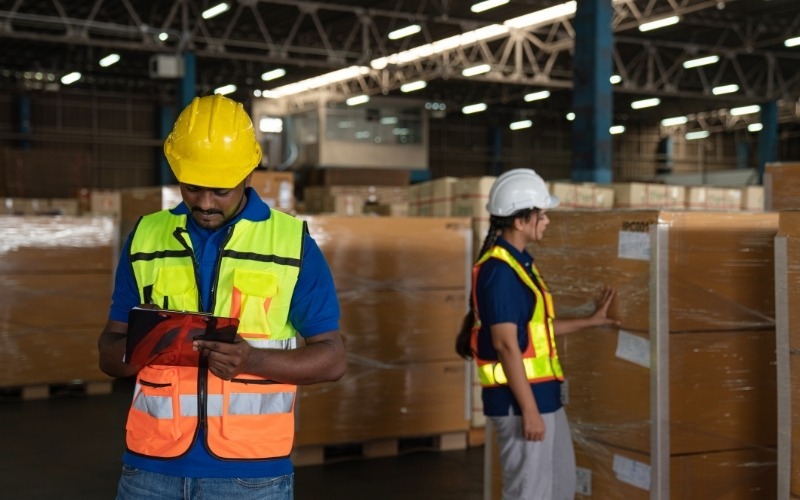
Below are India’s major export product groups in 2026, each with “why it matters” and the logistics checklist that keeps shipments compliant, on-time, and damage-free.
1) Refined Petroleum Products
High-volume exports where terminal readiness + DG compliance drives cost and safety outcomes.
- Lock UN number/class, flashpoint, and IMDG segregation rules before booking (avoid rework and vessel rejection).
- Prefer terminal-to-vessel scheduling with confirmed pumping rate, laytime terms, and demurrage triggers.
- Ensure tank cleanliness certificates, vapor recovery rules, spill kits, and emergency response contacts are documented.
2) Pharmaceutical Formulations (Finished Dosage)
One temperature excursion or missing COA can trigger rejection, recalls, or license scrutiny.
- Use validated shippers + lane qualification (summer/winter profiles) and place temperature loggers where audits expect them.
- Pre-build a doc pack: COA, batch/lot, product registration (if needed), cold-chain SOP, and consignee import permits.
- Choose mode by risk: air for time/temperature-critical, sea only when stability data + packaging can hold.
3) Active Pharmaceutical Ingredients (APIs)
APIs often behave like chemicals in transit; handling, labeling, and paperwork must match regulations.
- Confirm if the API is DG / non-DG; align MSDS, UN packaging group, and labels to avoid port holds.
- Use moisture barriers + desiccants (many APIs are hygroscopic) and keep storage away from heat exposure at ICD/port.
- Validate destination requirements: GMP-related documentation, importer licenses, and country-specific declarations.
4) Engineering Goods & Industrial Machinery
Oversize, high-damage-risk exports where packing and lift planning matter more than freight rates.
- Decide early: standard container vs flat rack vs breakbulk; late OOG decisions cause missed sailings.
- Specify packing: blocking/bracing, anti-rust, shock indicators, and photo evidence at stuffing.
- Align port equipment: confirm crane capacity, sling plans, lashing spec, and route survey for inland movement.
5) Automobile Components
Most shipments are tied to OEM schedules; variability hurts relationships, and penalties follow.
- Build JIT discipline: fixed cut-offs, weekly rolling forecasts, and supplier consolidation to reduce “partial containers.”
- Standardize packaging to OEM specs: returnable pallets, barcode labels, ASN/EDI readiness.
- Use milestone tracking with alerts on gate-in, vessel roll-over, discharge delay, and trigger plan B early
6) EV Components
EV parts combine electronics fragility + strict battery and hazmat regimes.
- For batteries: confirm UN38.3 test summary, SOC limits (if applicable), and correct DG declaration type.
- Protect electronics: ESD packaging + cushioning, avoid high humidity warehousing and rough handling lanes.
- Get HS codes right upfront (BMS, cells, chargers): misclassification = duty disputes + clearance delays.
7) Electronics & Mobile Devices
High-value cargo where security and clearance speed are the real differentiators.
- Ship with tamper-evident seals, secure staging, and minimized dwell time at origin/airport.
- Pre-clear: accurate invoice/packing list, model/IMEI/serial mapping (where applicable), and advance filings.
- Optimize insurance: declare value correctly; define “high-theft corridor” controls and custody handover SOPs.
8) Gems & Cut Diamonds
Tiny parcels with massive value, chain-of-custody is the product.
- Use bonded secure transport, documented custody transfers, and vault storage at both ends.
- Keep movement simple: air-only, direct routes, minimum touchpoints, strict access control.
- Confirm valuation & customs protocols: misdeclared value = seizure risk.
9) Gold & Silver Jewellery
Security is obvious; valuation disputes and documentation errors are the silent killers.
- Ensure hallmark/assay certificates, declared purity, and valuation method consistency (FOB vs CIF clarity).
- Use sealed, tamper-proof packaging; define custody SOP and insurance trigger points.
- Prefer bonded processes where available to reduce exposure and streamline customs handling.
10) Cotton Yarn & Fabrics
Moisture and contamination are the biggest root causes of claims.
- Always do a clean-container check (odor, stains, pests); line containers if needed.
- Use desiccants + moisture barriers, bale strapping, corner boards, and proper ventilation practices.
- Consolidate shipments smartly: balance cost with risk of mixed loads (odor cargo nearby = quality loss).
11) Ready-Made Garments (Apparel)
Fashion is time-sensitive; compliance labeling decides whether it sells.
- Plan by drop date: reverse-calculate from retail deadline; build buffers for port congestion.
- Ensure packing compliance: SKU/carton mapping, label formats (EU/US), polybag rules, carton strength.
- Choose mode by season: air for launches, sea for stable replenishment; avoid “half-late” split shipments.
12) Technical & Industrial Textiles
Specs, testing, and handling determine acceptance; damage can make goods unusable.
- Protect form factor: roll guards, edge protectors, crush prevention, do-not-stack marks when needed.
- Keep documentation ready: test reports, compliance certificates, and end-use declarations if required.
- Control contamination: sealed wrapping, clean warehousing, careful stuffing to avoid abrasion.
13) Rice (Basmati & Non-Basmati)
Food cargo succeeds on phytosanitary readiness and humidity control.
- Pre-arrange phytosanitary + fumigation scheduling to avoid missing vessel cut-offs.
- Use food-grade dry containers; apply humidity management (liners/desiccants as needed).
- Avoid odor contamination: never load near chemicals/spices unless properly segregated.
14) Spices & Spice Extracts
Aroma is value, moisture/odor exposure destroys it.
- Use aroma-barrier packaging and food-grade liners; prevent cross-odor contamination.
- Maintain humidity control and short dwell times; keep away from heat and open storage.
- Be ready for food safety scrutiny: residue tests, labeling, traceability.
15) Tea & Coffee
Quality is sensitive to odor and moisture, and containers can “ruin” premium lots.
- Prefer odor-free, ventilated containers; use liners and desiccants where required.
- Batch traceability: lot IDs, origin certificates, and blending records (if applicable).
- Avoid prolonged port storage; quality drops with exposure and condensation risk.
16) Marine Products (Shrimp & Seafood)
Cold chain isn’t a feature; it’s an entire business model.
- Ensure reefer integrity: pre-trip inspection (PTI), set-point confirmation, and continuous monitoring.
- Plan port operations: guaranteed plug-in availability, fast clearance path, contingency power.
- Keep inspection-ready docs: health certificates, lab tests, and strict hygiene SOP evidence.
17) Processed Food & Ready-to-Eat Products
Shelf-life planning and label compliance decide success more than freight cost.
- Use FEFO inventory and reverse-plan from expiry and destination shelf requirements.
- Confirm labeling: ingredients, allergens, nutrition, language rules, batch coding.
- Control temperature stability during storage and handoffs; avoid heat spikes in staging.
18) Leather Footwear
Moisture = mold; mold = returns.
- Use mold prevention: breathable packaging + desiccants; avoid damp warehouses.
- Maintain shape protection: inner supports, crush-resistant cartons, and proper stacking plans.
- Keep compliance docs ready: animal-origin declarations and destination import rules.
19) Leather Accessories & Goods
These are damage-sensitive and often shipped consolidated; packing discipline matters.
- Prevent deformation: structured inserts, dust bags, cushioning, carton strength control.
- Consolidate MSME shipments with care: avoid mixed loads that crush/contaminate.
- Validate destination requirements for materials/labels (especially premium markets).
20) Chemicals & Specialty Chemicals
Incorrect classification is the #1 cause of delays, rejections, and penalties.
- Confirm DG class, UN number, packaging group, and compatibility, then match container type (ISO tank/drums).
- Maintain documentation: MSDS, DG declarations, handling SOPs, and temperature limits (if reactive).
- Control storage and stowage: segregation, ventilation, spill containment, trained handlers.
21) Iron, Steel & Metal Products
Weight and corrosion control decide profitability; ports punish slow handling.
- Pick the right format: breakbulk/flat rack; pre-book heavy-lift equipment and rigging plans.
- Prevent rust: VCI wrap/oiling, edge guards, water-ingress protection, and proper lashing.
- Reduce port costs: fast evacuation plan, port-side warehousing only if necessary (demurrage risk).
What Exporters Must Get Right in 2026: Logistics as a Growth Lever
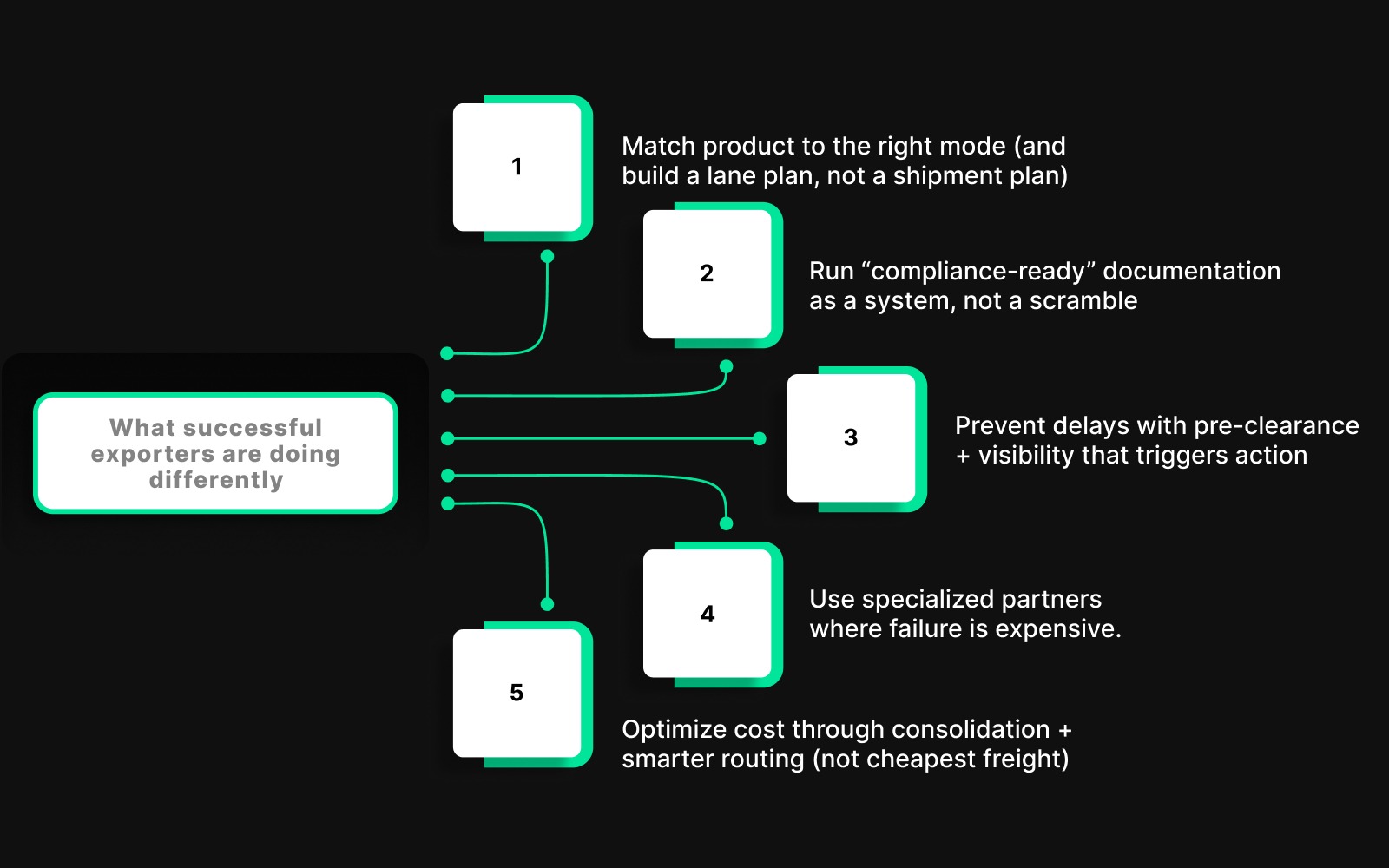
In 2026, logistics isn’t a backend activity—it’s where exporters win speed, reliability, and buyer confidence.
- Match product to the right mode: High-value and time-sensitive cargo is increasingly air-led, reflecting how much growth is coming from categories where speed and reliability matter most.
- Run “compliance-ready” documentation as a system, not a scramble: The winners standardize HS codes, invoice/packing-list formats, COO/health/phytosanitary sets, and DG declarations so customs don’t become a recurring bottleneck, especially for regulated cargo (pharma, chemicals, batteries, food).
- Prevent delays with pre-clearance + visibility that triggers action: Tracking is only valuable if it drives decisions: early alerts on gate-in misses, vessel rollovers, port dwell time, and clearance exceptions, plus a defined escalation path, reduce costly surprises.
- Use specialized partners where failure is expensive: Pharma cold chain, dangerous goods, reefer operations, high-value cargo, and OOG machinery need forwarders that can prove SOPs, trained staff, and compliant processes (not just quote a rate). For DG cargo, the IMDG Code sets detailed requirements for packaging, stowage, and segregation to improve safety and prevent pollution.
- Optimize cost through consolidation + smarter routing: Combining loads, using the right ICD/port pair, and selecting reliable service strings often beats “low-rate” bookings that trigger rollovers, demurrage, damages, and buyer penalties.
As India shifts further toward higher-value and compliance-heavy exports, logistics requirements will keep getting more specialized. Exporters who build these capabilities early will ship faster, face fewer disputes and holds, and earn the one thing that consistently compounds: global buyer trust.
How Pazago Brings Control to Export Logistics Across Product Categories
In 2026, exporters are shipping products with very different logistics profiles—reefer seafood, DG chemicals, high-value electronics, bulk metals, and compliance-heavy food and pharma. What breaks shipments is not lack of demand, but weak coordination between documentation, inspections, container movement, and shipment milestones.
Pazago helps exporters manage logistics as a connected workflow, so execution stays predictable even as volumes and complexity grow.
Shipment planning tied to product-specific logistics needs
Each export order carries its own logistics requirements like temperature control, DG handling, inspection stages, port cut-offs, or security protocols. Pazago keeps these requirements linked to the order, so teams plan movement, packing, and compliance before cargo reaches the port.
Visibility across containers, milestones, and exceptions
Missed gate-ins, rollovers, and clearance delays are expensive because they surface late. Pazago tracks critical shipment dates and container status at the order level, helping teams spot risks early and act before delays compound.
Documentation aligned with cargo movement
Customs delays often come from document mismatches discovered after the cargo is already staged. Pazago keeps commercial invoices, packing lists, certificates, inspection records, and shipment details aligned to the same data source, reducing last-minute corrections and holds.
Coordination without scattered follow-ups
Export logistics typically involve internal teams, suppliers, forwarders, inspectors, and buyers. Pazago keeps shipment-related communication tied to the order, reducing dependency on email chains and message follow-ups that cause missed instructions or delays.
By keeping documentation, inspections, containers, and shipment timelines connected, Pazago helps exporters run logistics as a repeatable process instead of a series of exceptions.

Conclusion
India’s export growth in 2026 is being driven by products that demand tighter logistics control, not looser processes. Whether it is cold-chain seafood, DG chemicals, electronics, or bulk engineering goods, success now depends on how well exporters plan, execute, and monitor shipments from factory to departure.
The exporters who scale profitably are the ones who treat logistics as a system, where documentation, inspections, container movement, and timelines stay aligned. When these elements drift apart, delays, disputes, and buyer escalations follow quickly.
Pazago supports this shift by helping exporters keep logistics execution structured and visible across every shipment. When exports depend on timing, compliance, and reliability, having logistics run in one connected flow makes the difference.
If you want more control over export logistics without chasing updates across tools, contact Pazago to see how shipments can be managed more predictably at scale.
FAQs
1) Which export products need the most logistics control in 2026?
Anything that is temperature-sensitive, compliance-heavy, high-value, or hazardous tends to break first when processes are weak. Pharma, seafood, chemicals, electronics, and precious cargo usually demand tighter documentation, packaging discipline, and faster exception-handling than “standard” container freight.
2) How do I choose between air, sea, and multimodal shipping?
Choose based on the cost of being late or damaged, not just the freight rate. Air fits high-value or time-critical shipments; sea fits stable, scalable volumes; multimodal helps when you need better predictability across inland + port legs and want fewer “unknowns” at handoffs.
3) What are the most common reasons exports get delayed at origin or destination?
The biggest causes are documentation mismatches (HS codes, invoice values, missing certificates), late gate-ins, and inspection/packaging issues discovered too close to the cut-off. Many delays are preventable when documentation and shipment milestones are managed proactively, not after the cargo is already at the port.
4) How should exporters reduce shipment risk without overspending?
Risk usually comes from a few repeat points: weak packaging, long dwell time, and poor visibility when exceptions happen. Standardizing pack specs, reducing handoffs, and setting up clear escalation paths for delays often prevents more loss than negotiating marginally cheaper freight.
5) Why is “documentation discipline” such a big deal in 2026?
Because higher-value and regulated exports are less forgiving, buyers and customs authorities expect consistency and traceability. When your documents are clean and ready early, clearance becomes routine instead of a fire drill.