.png)


ISO Container Full Form in Shipping: Types and Benefits
Optimize your business: use unlimited savings with Pazago fulfilled now!
Get Started ->According to the recent data, cargo movement in India reached 819 MT in FY24, and by December 2024, ports had already handled 622 MT toward the FY25 target of 870 MT. This growth shows that more containers are moving through Indian ports every day, and most of this cargo actually travels in ISO containers.
You've probably seen the term "ISO container" mentioned in freight quotes or shipping documents and wondered what it exactly means. ISO stands for International Organisation for Standardisation, and these containers follow strict global standards for dimensions, strength, and handling.
In this guide, we break down the ISO container’s full form while covering its different types and standard sizes. Plus, we’ll share tips on selecting the right container for your cargo. Let’s get started.
Key Takeaways
- ISO stands for International Organisation for Standardisation: ISO containers meet global standards for dimensions, strength, and intermodal compatibility.
- Standardisation saves you money: ISO containers work seamlessly across transport modes without repacking or special handling.
- Multiple container types exist: Dry, reefer, open top, flat rack, and tank containers serve different cargo needs.
- Dimensions are fixed: Common sizes include 20ft and 40ft, with specific weight and volume limits for each.
- Choose based on cargo type: Your product's nature, temperature needs, and size determine which ISO container works best.
What Is the ISO Container Full Form?
ISO stands for International Organisation for Standardisation. This organisation sets global standards for products, services, and systems to create consistency across industries.
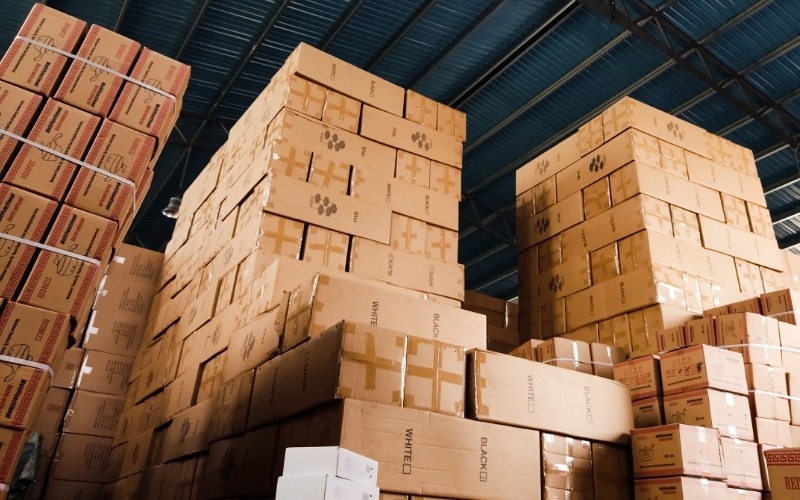
An ISO container is a cargo box built to meet these international specifications. ISO containers follow strict rules for dimensions, strength, corner fittings, and handling requirements.
Knowing what ISO stands for is good, but let’s also see how these containers came to exist and how they matter today.
What Is the History of ISO Containers?
ISO containers changed global trade by creating a standard shipping system. Before the 1950s, cargo moved in bags, crates, and barrels that workers loaded and unloaded by hand. This took weeks and made shipping expensive and slow.
Malcolm McLean, an American trucking company owner, developed the first standardised container in 1956. His idea was simple: pack goods in large metal boxes that could move directly from trucks to ships without unpacking. This cut loading time from weeks to hours.
The International Organisation for Standardisation adopted container standards in 1968, creating the ISO specifications used today. These standards set exact dimensions, corner fittings, and strength requirements.
Now the same container moves seamlessly across different transport modes and countries, making international trade faster and more affordable for exporters.
So, the history shows when standardisation started, but specific rules determine whether a container qualifies as ISO-certified. These standards affect everything from how containers stack to how ports handle them.
What Are ISO Container Standards?
ISO container standards define the exact specifications every container must meet for global shipping. These standards cover dimensions, structural strength, corner fittings, safety requirements, and marking systems that make containers compatible worldwide.
Here are the key ISO standards that apply to shipping containers:
ISO standards define what makes a container ISO-compliant, but each container also carries a unique code that helps you track it through the supply chain. This code appears on every shipping document you handle.
How Do ISO Container Identification Codes Work?
Every ISO container has a unique identification code marked on its exterior. This code helps track containers, verify ownership, and process documentation at ports and customs.
The standard container code has four parts that tell you everything about the container. For example, a container marked "MSKU1234567" belongs to Maersk (MSK), is a freight container (U), has serial number 123456, and a check digit of 7.
You can use the ISO code to track your shipment, verify container details in documents, and communicate with freight forwarders about specific containers.
But the real question is how standards actually affect your shipping costs and timelines. The impact shows up in ways you might not expect.
Why Do ISO Standards Matter for Shipments?
Without ISO container standards, every country or shipping line could use different container sizes, making international trade messy and expensive.
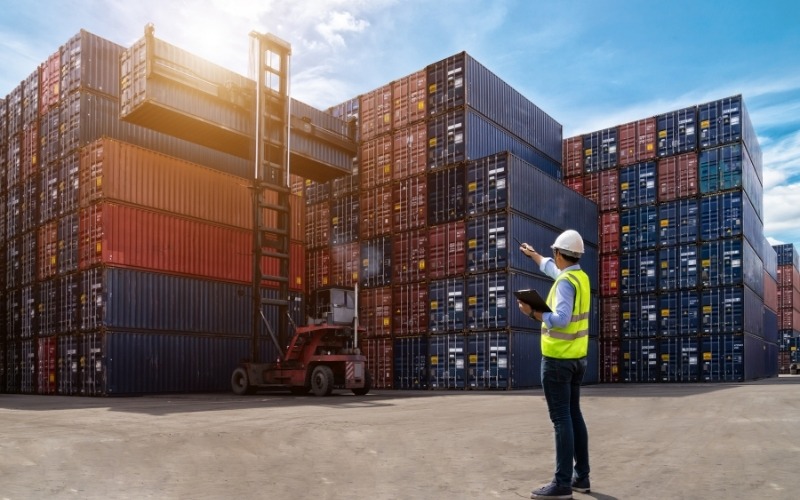
Here's what ISO certification guarantees:
- Uniform dimensions: Every 20ft container is exactly 20 feet long, making stacking and transport planning predictable.
- Structural strength: Containers can handle stacking up to nine units high on ships and withstand weather, waves, and rough handling.
- Compatible fittings: Corner castings and locking mechanisms work with standard handling equipment worldwide.
- Safety compliance: ISO containers meet requirements for securing cargo, preventing leaks, and protecting goods during transit.
- Insurance acceptance: Most cargo insurance policies require ISO-certified containers for coverage.
For instance, if you ship machinery parts in a non-ISO container, the port in Rotterdam might refuse to handle it or charge premium rates for special equipment. You could face delays, extra costs, and frustrated buyers.
Using ISO containers also simplifies documentation. Customs officials, freight forwarders, and clearing agents recognise standard container codes immediately. Your paperwork moves faster, and you avoid questions about container specifications.
Standards create consistency across all containers, but different cargo needs different solutions. The ISO system includes several container types designed for specific shipping situations.
What Are the Types and Uses of ISO Containers?
Here's what each container type does:
1. Dry Storage Containers
Dry containers are the most common ISO containers. They're fully enclosed steel boxes with doors on one end. You use these for general cargo like garments, electronics, packaged goods, and non-perishable items.
Example: If you're exporting leather goods from Kanpur to California, a 40ft dry container gives you about 67 cubic metres of space and can carry up to 26,000 kg of cargo. The container protects your products from rain, dust, and theft during the journey.
2. Refrigerated Containers (Reefers)
Reefer containers have built-in refrigeration units. They maintain specific temperatures from -30°C to +30°C throughout the journey. You need these for food products, flowers, medicines, or anything requiring temperature control.
Example: If you're shipping mangoes from Maharashtra to Dubai during summer, a 40ft reefer container keeps your fruit at optimal temperature, preventing spoilage and ensuring your buyer receives quality products.
3. Open Top Containers
Open top containers have a removable tarpaulin roof instead of a solid top. You use these when cargo is too tall for standard containers or needs loading from above with a crane.
Example: Heavy machinery manufacturers often use open top containers for equipment that exceeds standard height limits. You load from the top, secure the tarpaulin, and your cargo stays protected during transit.
4. Flat Rack Containers
Flat racks have a floor and two end walls but no sides or roof. Some versions have collapsible ends. You use these for oversized cargo like construction equipment, boats, or large industrial machinery.
Example: If you're shipping a generator from Faridabad to Kenya, a 40ft flat rack lets you secure the equipment with chains and straps without worrying about fitting it through container doors.
5. Tank Containers
Tank containers are cylindrical tanks inside an ISO frame. They carry liquid cargo like chemicals, oils, juices, or gases. The tank is typically stainless steel with insulation and heating systems.
Example: Chemical exporters in Gujarat can use 20ft tank containers to ship products like ethanol or edible oils. The tank structure prevents leaks and contamination while meeting international safety standards.
6. Open Side Containers
Open side containers have doors along the entire length of one side. This makes loading and unloading faster, particularly for bulky items that don't fit easily through standard end doors.
Example: Furniture exporters often find open side containers useful because you can load large pieces quickly without fitting them through narrow end doors.
Want visibility into where your containers are right now? Pazago tracks shipments from 180+ carriers across 110+ countries, so you always know your cargo location without switching between multiple websites.
Knowing which container type fits your cargo is important, but you also need exact measurements to plan your shipments properly. These dimensions determine how much you can ship and what it costs.
What Are Standard ISO Container Dimensions?
ISO containers come in standard sizes. The most common are 20ft and 40ft containers, with variations for height. Here's what these dimensions mean for your shipments:
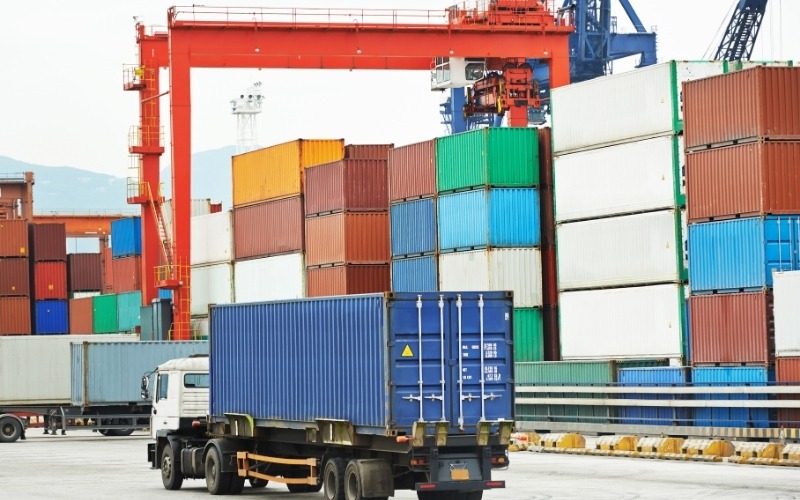
- 20ft containers: Often called TEU (Twenty-foot Equivalent Unit). You can use these for smaller shipments or when you're consolidating cargo with other exporters.
- 40ft containers: Called FEU (Forty-foot Equivalent Unit). These work for larger shipments and offer better cost per cubic metre.
- 40ft high cube: An extra foot of height gives you more volume without changing the floor space. Perfect for lightweight, bulky cargo like pillows or textiles, where you need volume more than weight capacity.
For instance, if you're shipping ceramic tiles from Gujarat, you might choose a 20ft container for a 15-ton shipment. But if you're exporting cotton fabric bales from Tamil Nadu, a 40ft high cube gives you the volume you need without exceeding weight limits.
The max gross weight includes the container's weight (tare weight) plus your cargo. A 20ft container itself weighs about 2,300 kg, so your actual cargo capacity is around 28,000 kg. Always check both weight and volume limits when planning shipments.
These standard sizes work everywhere, but the advantages go beyond just fitting onto ships and trucks. ISO containers change how you handle costs, security, and logistics coordination.
What Are the Benefits of Using ISO Containers?
ISO containers make international shipping simpler, safer, and more cost-effective. Here's why they matter for your export business:
- Faster and more efficient shipping: Standardisation leads to efficient loading, stacking, and transport across modes. Ports can process ISO containers faster because the handling equipment can easily work with every standardised container.
- Better cargo security: Sealed containers with locking mechanisms reduce theft and tampering risk. Your goods stay protected from the loading point to the final destination.
- Weather protection: Enclosed containers shield cargo from rain, salt spray, and extreme temperatures during ocean transit.
- Easier handling: Standard corner fittings let ports and terminals move containers quickly with automated equipment, reducing delays.
- Intermodal flexibility: Switch between ship, rail, and truck without repacking. Your container moves seamlessly across borders and transport networks.
- Insurance coverage: Most insurers require ISO-certified containers. Non-standard boxes often void coverage or require expensive special policies.
- Global acceptance: Every major port, shipping line, and customs authority works with ISO containers daily. You avoid compatibility questions and special handling fees.
For example, if you're exporting auto parts from Chennai to Mexico, your ISO container can go by truck to the port, ship across the ocean, transfer to rail in Veracruz, and truck to the final warehouse without anyone touching your cargo. This reduces handling damage and speeds delivery.
Ready to make your containerised shipping more efficient? Pazago helps you track containers in real-time, manage documentation, and coordinate with all parties involved in your shipment from one platform.
How Do You Choose the Right ISO Container for Your Cargo?
Picking the correct container type prevents damage, delays, and extra costs. Consider these factors:
- Cargo nature: Dry goods need standard containers. Perishables require reefers. Liquids need tank containers.
- Temperature requirements: Does your product need refrigeration, heating, or ventilation during transit?
- Size and weight: Calculate both volume and weight. Make sure your cargo fits within container dimensions and weight limits.
- Loading method: Can you load through standard end doors, or do you need top or side access?
- Special handling: Fragile items might need extra securing. Hazardous materials require tank containers with proper certifications.
- Destination regulations: Some countries have specific requirements for certain cargo types. Check before booking.
- Cost considerations: Reefers and special containers cost more than standard dry boxes. Balance protection needs against the budget.
For instance, if you're shipping basmati rice from Punjab to Saudi Arabia, a 40ft dry container works perfectly. But if you're sending fresh flowers from Bengaluru to the Netherlands, you need a 20ft reefer set to specific temperature and humidity levels.
Also, consider partial loads. If you have less than a full container, look into LCL (Less than Container Load) services where your cargo shares space with other exporters. This saves money on smaller shipments.
Selecting the right container solves the first problem, but managing documentation and tracking multiple shipments across carriers still takes significant time. Digital tools can simplify this entire process.
Manage Your ISO Container Shipments with Pazago
Choosing the right ISO container is just the start. Managing documentation, tracking shipments, and coordinating with multiple parties takes time away from growing your business.
Pazago simplifies containerised shipping for exporters and importers. Instead of juggling spreadsheets, emails, and multiple tracking websites, you get one platform that handles everything from purchase order to delivery.
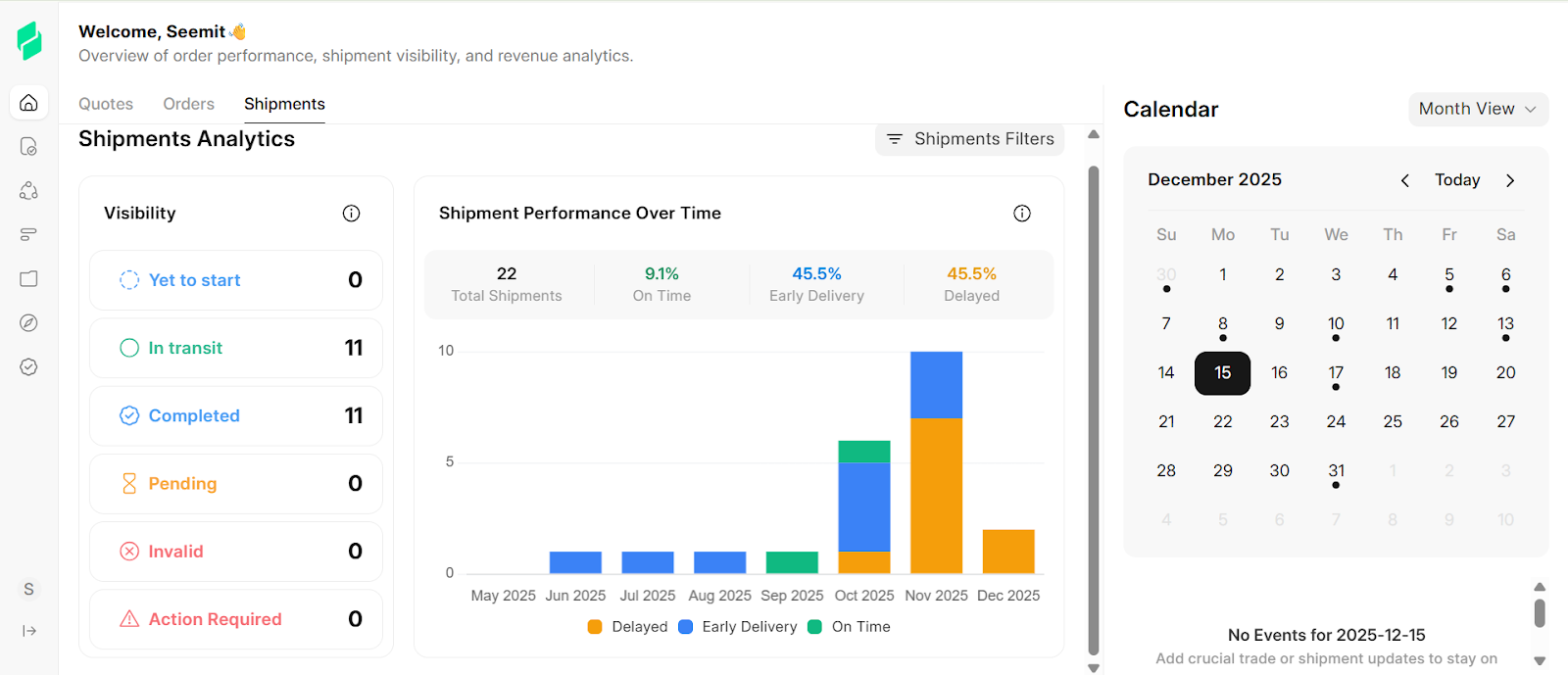
Here's how Pazago helps with your container shipments:
- Order dashboard: Create and manage all export orders from one location with buyer details, product specs, HS codes, and rates.
- Logistics management: Record container booking rates, delivery order numbers, and multiple container details per order in one accessible place.
- Real-time container tracking: Monitor containers across different shipping lines and share tracking links directly with buyers to reduce follow-up calls.
- Export document generation: Auto-generate commercial invoices, packing lists, and other documents using your order data with one-click logo and signature application.
- Shipment timeline visibility: Track gate open/close dates, ETD, and dispatch schedules so production teams avoid missed vessels and penalties.
For example, if your reefer container shows a delay at Colombo port, Pazago alerts you immediately. You can notify your buyer, adjust your inventory planning, and coordinate with your logistics partner, all from one dashboard.
Pazago helps exporters ship smarter, save time on manual tasks, and focus on business growth instead of logistics headaches.
Final Thoughts
Choosing the right ISO container type, understanding dimensions and weight limits, and following proper packing practices protect your cargo and prevent costly mistakes. Whether you need dry containers for general goods, reefers for perishables, or tank containers for liquids, ISO standards ensure compatibility across the entire logistics chain.
However, manual tracking, scattered documentation, and unclear communication make containerised shipping harder than it needs to be. Pazago brings everything together in one platform, giving you real-time visibility, automated workflows, and seamless coordination with all parties involved in your shipments.
Ready to make your container shipping more efficient? Book a demo with Pazago today and see how you can manage your global shipments with confidence.
FAQs
1. What is the difference between 20ft and 40ft ISO containers?
A 20ft ISO container offers about 33 cubic metres of space and 28,000 kg payload capacity. A 40ft container provides 67 cubic metres and a similar weight capacity. The 40ft option is more cost-effective per cubic metre for larger shipments.
2. Can I ship perishable goods in standard ISO containers?
No, perishable goods require refrigerated ISO containers (reefers) that maintain specific temperatures during transit. Standard dry containers lack temperature control and will damage products like food, flowers, or pharmaceuticals that need climate management.
3. What happens if I overload an ISO container beyond weight limits?
Overloaded containers get rejected at ports, incur heavy fines, and create safety risks during handling and transport. Always calculate total weight, including container tare weight and stay within the maximum gross weight limit of 30,480 kg.
4. Do all countries accept ISO containers?
Yes, ISO containers are the global standard for containerised shipping. Every major port, shipping line, and customs authority worldwide works with ISO-certified containers daily, making them universally accepted for international trade.
5. How do I know which ISO container type I need for my cargo?
Consider your cargo's nature, temperature requirements, size, weight, and loading method. Dry goods use standard containers, perishables need reefers, liquids require tank containers, and oversized items need flat racks or open tops.