.png)


Top Private Ports in India for Efficient Export Operations
Optimize your business: use unlimited savings with Pazago fulfilled now!
Get Started ->When it comes to exporting, every decision you make affects your bottom line. The choice of port is one of the most critical factors that can impact your shipment’s speed, cost, and reliability. Even a small delay or increase in cost can throw your entire operation off track, especially when margins are tight.
In 2023, maritime trade volumes reached 12,292 Million Tonnes (MT), a clear indicator of how vital ports are in global trade. With so many options available, finding the right port can feel like a daunting task, especially when you're trying to balance price and speed.
In this blog, we’ll explore the largest privately owned ports in India by cargo throughput and explain how these ports can benefit your export process. We’ll discuss their key features, what makes them stand out, and how to choose the right port for your business needs.
Key Takeaways:
- Private ports in India handle a large share of the country’s cargo, supporting diverse industries.
- Key private ports like Mundra, Krishnapatnam, and Hazira are crucial to India’s export network.
- Selecting the right port involves considering location, cargo handling capacity, and cost-effectiveness.
- Private ports offer faster turnaround times, better infrastructure, and enhanced customer service.
- The private port sector continues to grow, with increased investment in infrastructure and technology.
What Makes Privately Owned Ports a Game-Changer for Exporters?
In India, ports are categorized into public and private sectors. Public ports are government-owned and managed, while private ports are operated by private entities or corporations. Private ports generally have more flexibility in terms of operations, investments, and service offerings.
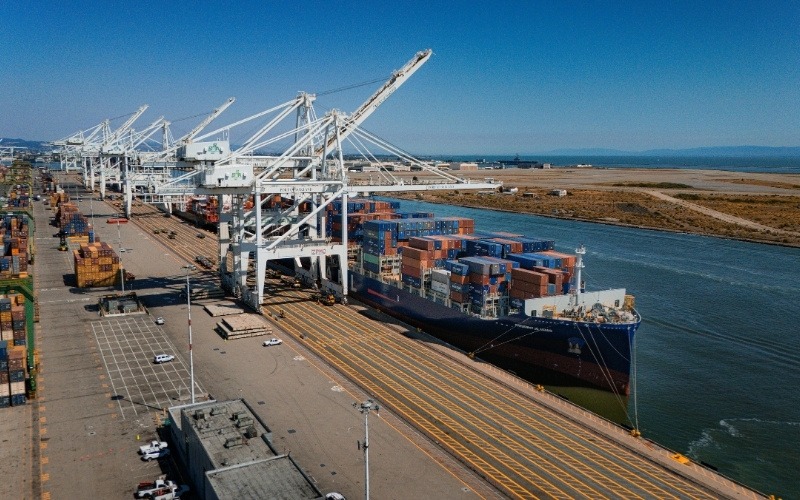
Advantages of Private Ports
Private ports offer several benefits that are highly appealing to exporters. These advantages stem from their enhanced operational capabilities, customer-focused services, and modern infrastructure. Let’s explore some key benefits that private ports can bring to your export process:
- Faster Turnaround Times: Private ports often experience fewer bureaucratic delays, allowing goods to be loaded and unloaded more quickly, minimizing costly waiting times.
- Better Infrastructure: These ports tend to have state-of-the-art facilities, including larger storage areas, improved cargo handling equipment, and modernized container terminals.
- Improved Connectivity: Private ports often offer better road, rail, and air connectivity, reducing the time and costs involved in transporting goods inland to and from the port.
- Customized Services: Private port operators can provide more flexible services tailored to the specific needs of exporters, such as personalized logistics solutions or dedicated handling for specialized cargo.
- Increased Focus on Customer Satisfaction: With fewer layers of management and a more agile approach, private ports are generally more responsive to customer needs and service requests.
- Advanced Technology: Private ports are quicker to adopt the latest technology in cargo tracking, security, and port management, offering exporters greater control and visibility over their shipments.
With these advantages in mind, let's explore the largest privately owned ports in India and their remarkable cargo throughput.
The Largest Privately Owned Ports in India by Cargo Throughput
India’s largest privately owned ports play a critical role in the nation’s export activities. They manage millions of tonnes of cargo annually and serve as key hubs for various industries, including agriculture, manufacturing, and energy. These ports are known for their high capacity, state-of-the-art infrastructure, and ability to handle diverse types of cargo efficiently.
Below is a table that lists the largest privately owned ports in India based on their cargo throughput for FY 2024-25, showcasing their key features and operational strengths:
With a broad overview of these key ports, let’s explore their in-depth profiles to see how they support your export needs.
In-Depth Profiles of India’s Largest Privately Owned Ports
India is home to several privately owned ports that serve as essential hubs for global trade. These ports have high throughput capacity and cater to a wide variety of cargo types, from bulk materials to containers and liquid goods.
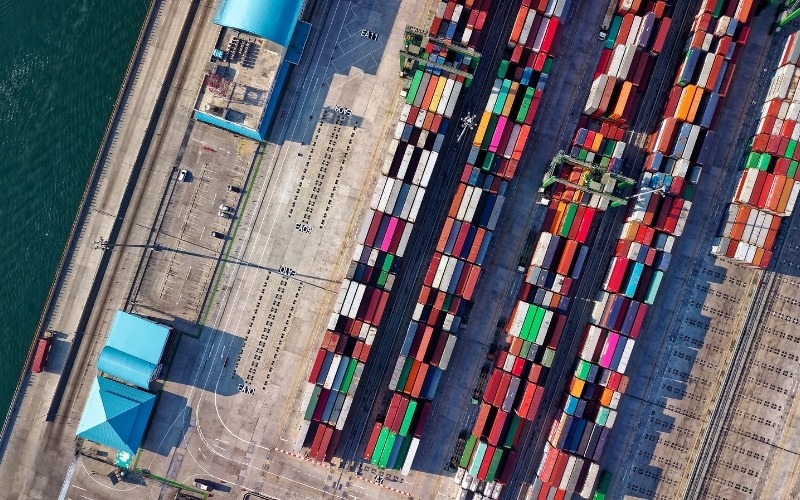
1. Mundra Port (Gujarat)
Mundra Port is the largest privately owned port in India, located in Gujarat. With a throughput capacity of around 200 million metric tonnes (MMT), it handles a diverse range of cargo types. The port is a crucial hub for bulk, containerized, and liquid cargo.
Key Strengths:
- Leading Container Port: Mundra Port handles over 5 million TEUs annually, making it the busiest container port in India.
- Diverse Cargo Handling: It manages a wide array of cargo, including containers, coal, crude oil, and fertilizers.
- Advanced Infrastructure: Mundra features modernized terminals, cargo handling systems, and world-class facilities, improving operational efficiency.
Located on the west coast of India, Mundra provides excellent connectivity to key international markets in Europe, the Middle East, and Africa.
2. Krishnapatnam Port (Andhra Pradesh)
Located on the southeastern coast of India, Krishnapatnam Port is a significant private port operated by Adani Ports & SEZ. It handles around 55 MMT of cargo annually and specializes in bulk cargo, agricultural exports, and containerized goods.
Key Strengths:
- Bulk Cargo Hub: Krishnapatnam is renowned for its bulk cargo handling, including coal, agricultural products, and steel.
- Port Expansion: The port has been undergoing continuous expansion to increase its handling capacity and services.
- Strategic Location: The port’s position on the east coast provides direct access to Southeast Asia and East Asia markets, reducing shipping time to these regions.
For southern Indian exporters, Krishnapatnam offers an important alternative to ports on the western coast, enhancing regional trade connectivity.
3. Dhamra Port (Odisha)
Situated on the eastern coast, Dhamra Port in Odisha is another major player owned by Adani Ports. With an estimated cargo throughput of 46 MMT, it focuses heavily on handling bulk materials such as coal and iron ore, which are vital to industries like power generation and steel manufacturing.
Key Strengths:
- Bulk Cargo Specialization: Dhamra is optimized for handling large quantities of coal, iron ore, and other minerals, supporting industries like power plants and steel mills.
- Deep Water Capacity: The port has deep-water berths that accommodate large vessels, reducing transshipment costs and enabling the port to handle high-volume shipments.
- Sustainability Focus: Dhamra Port has implemented several environmental initiatives, aiming for responsible cargo handling and sustainable growth.
Dhamra is strategically placed to support exports to East Asia and Southeast Asia, providing Indian businesses with a crucial gateway to these regions.
4. Hazira Port (Gujarat)
Hazira Port, located in Gujarat and managed by Adani Ports, handles about 27 MMT of cargo annually. It specializes in liquid cargo, containers, and LNG. Its focus on industrial and energy-related cargo makes it a key asset in India’s export infrastructure.
Key Strengths:
- LNG Handling Expertise: Hazira Port is one of India’s leading ports for the import and export of Liquefied Natural Gas (LNG).
- Multimodal Connectivity: The port benefits from excellent road and rail connections, improving logistics for exporters and reducing inland transportation time.
- Advanced Container Facilities: With modernized container terminals, Hazira offers high efficiency for containerized goods, helping businesses meet global demand.
Hazira’s proximity to India’s industrial heartlands, especially in Gujarat, provides exporters with fast, efficient access to key markets across the Middle East and Europe.
5. Jaigad Port (Maharashtra)
Jaigad Port is a privately owned port in Maharashtra operated by JSW Infrastructure. Handling approximately 48.5 MMT of cargo annually, Jaigad primarily focuses on steel, coal, and other bulk materials, supporting the steel and power industries.
Key Strengths:
- Steel and Coal Hub: Jaigad Port is a critical port for the export of steel and coal, which are vital to India’s heavy industries.
- Expansion Plans: JSW Infrastructure continues to invest in the port’s expansion, improving its capacity for handling different types of cargo.
- Strategic Location: The port is well-positioned to serve both India’s domestic market and international markets, particularly in the Middle East and Asia.
Jaigad’s location along India’s western coast makes it an ideal port for bulk cargo exports, especially to the Middle East, Southeast Asia, and Europe.
Understanding the strengths of each port sets the stage for a broader view of how India’s private port industry has developed.
Key Facts About India’s Private Port Industry
India’s private port sector has grown rapidly in recent years. These ports have become essential for handling diverse cargo types across the country. They have also played a crucial role in boosting India’s global trade and export activities.

Here are key statistics that highlight the impact and growth of India’s private port industry:
- Cargo Throughput Growth: In FY 2024–25, Indian ports managed around 855 million tonnes of cargo, growing by 4.3%.
- Private Sector Contribution: Private ports like Mundra, Krishnapatnam, and Dhamra are key contributors to the national cargo throughput, handling diverse types of goods.
- Investment in Infrastructure: The Indian port infrastructure market is valued at USD 6.74 billion in 2024, expected to grow to USD 11.34 billion by 2033.
- Government Initiatives: The Indian Ports Bill, 2025, aims to modernize operations and improve coordination between state and central authorities.
- Operational Efficiency: Private ports have adopted modern technologies, resulting in faster turnaround times and improved cargo handling processes.
- Strategic Locations: Located along key maritime routes, these ports offer direct access to global markets, reducing shipping time and costs.
- Diversified Cargo Handling: Private ports handle various cargo, such as containers, bulk materials, and liquid goods, supporting multiple industries.
- Sustainability Efforts: Many private ports are investing in green technologies and practices to reduce environmental impact and comply with international standards.
Now that you’re familiar with the key data points, it’s time to think about how this information influences your port selection strategy.
Strategic Export Planning: Choosing the Right Port for Your Business
Choosing the right port for your business is crucial to the success of your export operations. The port you select will influence not only your shipping costs but also delivery times and reliability. With so many options available, understanding your needs and the advantages of each port is essential for making an informed decision.
Here are key factors to consider when selecting the right port for your export business:
- Location and Connectivity: Choose a port that offers strong road, rail, and sea connections to your final destination. This helps reduce transit times and costs.
- Cargo Handling Capabilities: Make sure the port can handle the type of cargo you export, whether bulk materials, containers, or liquid goods.
- Turnaround Time: Select a port known for fast and efficient handling of shipments. This ensures timely delivery to your customers and reduces delays.
- Port Specialization: Certain ports may specialize in handling specific types of cargo, such as agricultural products, chemicals, or heavy machinery. Choose a port that aligns with your industry needs.
- Customs Procedures: Some ports offer faster customs clearance, which can help speed up the export process and reduce the risk of delays at the border.
- Cost-Effectiveness: Consider the total costs involved, including handling fees, shipping rates, and any additional costs related to port services.
- Environmental and Sustainability Practices: Look for ports that are focused on green initiatives and sustainable practices to ensure compliance with global standards.
Selecting the right port is just the first step in your export journey. Once you’ve made that decision, focusing on the tools and systems that can support your operations is key.
Enhance Your Export Operations with Pazago
In addition to choosing the right port, adopting advanced tools for managing logistics can significantly improve your export operations. Pazago offers features that help you gain better control over your shipments, monitor your cargo, and reduce operational risks. With its suite of services, you can ensure a smooth and efficient export process from start to finish.
Here are the key features of Pazago that can enhance your export operations:
- Logistics Management: Pazago allows you to track and manage your shipments across all stages, from pick-up to delivery. This helps maintain visibility and control over your cargo at all times.
- Real-Time Visibility: Stay updated on the location and status of your shipments, allowing for better planning and quicker responses to any unexpected delays or issues.
- Document Management: Pazago provides a centralized location for storing and accessing critical shipping documents. This helps ensure compliance and simplifies paperwork management.
By incorporating Pazago into your logistics strategy, you can take greater control of your export operations and enhance the overall efficiency of your business.
Conclusion
Choosing the right port for your exports and managing logistics effectively are critical to the success of your business. With the right strategies in place, you can reduce delays, lower costs, and improve your shipping processes. Understanding the key factors involved in selecting ports and optimizing logistics will help you stay ahead in a competitive market.
By integrating tools like Pazago into your operations, you can simplify complex logistics tasks and ensure smoother exports. Pazago’s features offer real-time visibility, streamlined document management, and more to make your export operations more reliable.
If you’re ready to enhance your export process, book a demo of Pazago today. See firsthand how it can support your business’s growth and improve your shipping efficiency.
FAQs
1. Why should I choose a private port over a public one for my exports?
Private ports often offer faster processing times, better infrastructure, and specialized services that can enhance the efficiency of your export operations. Their flexibility and customer-focused approach allow for a more tailored experience.
2. How do I determine which private port in India is best for my business?
To choose the right port, consider factors like your cargo type, desired destination, port location, customs procedures, and shipping costs. Also, assess the port’s handling capacity and the infrastructure that matches your needs.
3. Are private ports in India capable of handling all types of cargo?
Yes, private ports in India are equipped to handle a wide variety of cargo, including containers, bulk materials, liquid goods, and specialized industrial products. Each port may have specific expertise in certain cargo types.
4. What impact does the Indian Ports Bill, 2025 have on private ports?
The Indian Ports Bill, 2025 aims to modernize port operations and improve the management of both public and private ports. It is expected to enhance coordination, efficiency, and environmental safeguards across the sector.
5. How can modern technologies improve export operations at private ports?
Private ports invest in advanced technologies like real-time tracking systems, automated cargo handling, and improved security measures, allowing for faster processing, greater transparency, and more reliable shipments for exporters.