.png)


The Ultimate Guide to Middle Mile Logistics for Indian SMEs

Optimize your business: use unlimited savings with Pazago fulfilled now!
Get Started ->For Indian SMEs aiming to expand internationally, the middle mile can feel like a tricky hurdle. Many businesses struggle to balance cost, speed, and reliability, leading to shipment delays and missed deadlines. This challenge can directly impact your ability to meet customer expectations and stay competitive in global markets.
The Middle Mile Delivery Market is estimated at USD 110.7 billion in 2025 and is projected to almost double by 2035. With a compound annual growth rate (CAGR) of 7.0%, it’s clear that this segment is crucial for businesses aiming to expand internationally, and SMEs must find ways to optimise their middle-mile logistics to keep up.
In this blog, we’ll explore the role middle-mile logistics plays in export businesses, the common hurdles SMEs face, and how you can address them. We’ll also explore simple steps to enhance your operations and offer guidance on selecting the best delivery service provider for your needs.
Key Takeaways:
- Middle Mile Logistics Importance: The middle mile bridges production and final delivery, playing a critical role in timely and cost-effective shipments.
- Benefits of Optimising: Efficient middle mile logistics reduce operational costs, improve delivery times, and increase customer satisfaction, driving overall business growth.
- Common Challenges: Infrastructure issues, regulatory hurdles, high costs, and labour shortages are key obstacles faced by SMEs in middle mile logistics.
- Optimisation Strategies: Route planning, warehouse management, real-time tracking, and data integration are essential for improving middle mile logistics operations.
What Is Middle Mile Delivery?
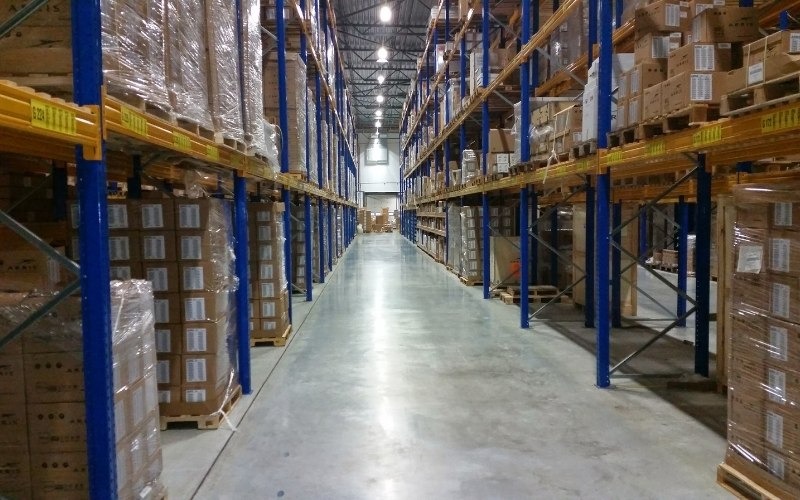
Middle mile delivery is the movement of goods between warehouses or manufacturing facilities and distribution centres or ports. It’s essential in the supply chain, helping move products from their place of production to the next step in the delivery process. This segment helps connect the manufacturing process to the final delivery stages, such as last-mile delivery or customs clearance.
How is the Middle Mile Actually Executed?
While the middle mile sounds like a single “transfer leg”, operationally it is a sequence of micro-steps that link your domestic storage node to the export gateway.
Below are the core middle-mile execution steps for a typical Indian SME export run:
Understanding how the middle mile operates is only the first step. What truly matters is knowing the impact it can have on your business outcomes.
Also Read: Understanding Last Mile Delivery in Logistics
Why an Efficient Middle Mile Matters for Your Business?
An efficient middle-mile delivery system brings several advantages to businesses, especially for SMEs looking to expand internationally. When handled effectively, this aspect of logistics can help reduce costs, enhance customer satisfaction, and improve overall business outcomes. The key benefits include:
- Reduced Operational Costs: By improving the middle mile, companies can lower expenses related to transportation, storage, and handling of goods, ultimately increasing profit margins.
- Faster Delivery Times: An optimised middle mile helps minimise delays, enabling quicker shipping and reducing the time between production and customer delivery.
- Improved Customer Satisfaction: When shipments move efficiently through the middle mile, customers experience timely deliveries, enhancing their overall satisfaction and trust in your business.
- Increased Scalability: A well-organised middle-mile system supports business growth by making it easier to handle higher volumes of goods without significantly increasing costs.
- Better Resource Management: Efficient systems lead to better control over inventory, reducing the risk of overstocking or stockouts while ensuring products are ready for the next stage.
- Enhanced Transparency: With better tracking systems, businesses can provide real-time updates to customers, ensuring they are always informed about the status of their shipments.
While the advantages of a well-managed middle mile are undeniable, achieving them consistently can be far from simple.
Challenges In The Middle Mile And How To Fix Them
Middle mile work carries unique friction because small timing deviations during domestic transfer legs create significant downstream departure uncertainty. You only see delays on the surface, but root causes often lie within infrastructure conditions, paperwork quality, or missing tracking.
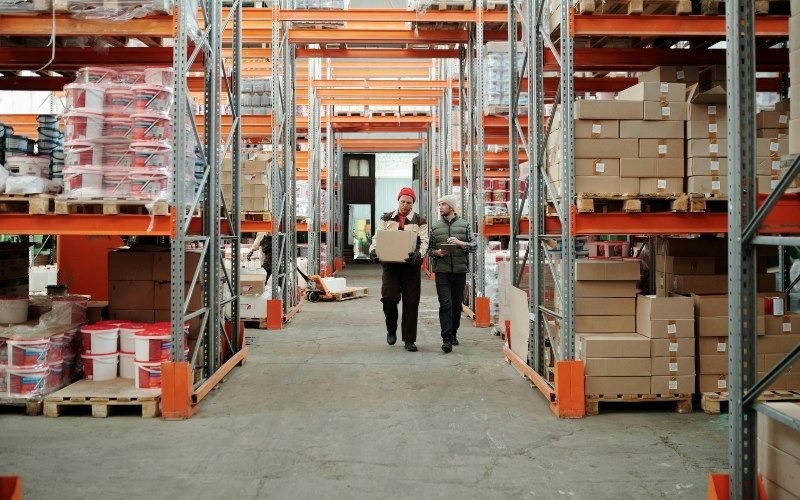
Here are five middle mile challenges paired with simple solutions that address common failure drivers during domestic movement segments.
1. Infrastructure delays
Indian middle mile road movement often meets uneven surfaces, toll queues, diversions and peak-hour traffic zones. These factors create unpredictable duration swings even when the highway distance between nodes appears simple. You then add buffer hours into schedules, and those hours ruin downstream departure timing confidence.
For example, a Surat textile exporter loses six to nine hours whenever dispatch overlaps with evening truck concentration near Vapi.
Solution: Schedule off-peak dispatch slots and route slower products through rail corridors to reduce per-kilogram domestic haul charges.
2. Regulatory paperwork friction
Middle mile congestion regularly starts with paperwork mismatches rather than physical transit interruptions. HS code or COO misselection can easily trigger a two-day customs hold during the export handoff.
For example, a Moradabad home decor exporter recently waited two days because the invoice HS code did not match the packing list description language.
Solution: Build one golden template per category and audit HS, COO, description, and invoice matching before dispatch to the port.
3. High logistics cost share
India records a logistics cost of 7.97% relative to its gross domestic product. When timing reliability feels questionable, you respond by carrying excess inventory buffers, which drain cash. That cash drain often exceeds the cost impact created by occasional late departures.
For example, a Tiruppur apparel exporter consistently carries twenty-two to thirty days of cycle stock purely because the domestic mid-haul timing feels unreliable.
Solution: Assign SKUs to velocity buckets and place slower items in cheaper storage locations, while keeping fast items near dispatch.
4. Tech visibility gaps
The major obstacle here is not delay but missing confirmed location evidence. Without live checkpoints from the factory to ICD to the port, your escalation window becomes useless. That absence hurts overseas buyer trust because you cannot defend timeline claims with verified data.
For example, a Rajkot tool exporter received a contract penalty because he was unable to prove the container's position during a forty-eight-hour no-signal window.
Solution: Subscribe to carrier data feeds or GPS feeds and send escalation alerts when six hours pass without refreshed telemetry.
5. Labour skill gaps
Only 4.7 per cent of logistics workers hold formal skills, which increases manual handling failure rates. Cross-dock handoffs create repeat touches, which increase the odds of carton-level damage. Less handling creates fewer points where an item can get mis-scanned or damaged.
For example, a Jaipur handicraft exporter counted higher breakage inside cross-dock handling areas rather than during the actual air freight sector.
Solution: Pack export-ready cartons at the factory and perform quality checks only at the port or CFS before container stuffing.
After reviewing challenges and possible fixes, you now focus on the specific building blocks needed for reproducible reliability across forward networks.
Also Read: Common Challenges and Issues in International Business
Core Enablers for Repeatable Middle-Mile Reliability
Optimising the middle-mile logistics process reduces costs, speeds deliveries, and improves customer satisfaction. By focusing on these strategies, businesses can better manage the complexities of middle-mile logistics:
- Warehouse Management Systems (WMS): Implement WMS to automate inventory control, speed up order processing, and improve accuracy. This reduces errors and ensures faster shipping.
- Data Integration: Integrate data from multiple logistics platforms to enable more informed decision-making. This creates a cohesive system that improves efficiency and reduces mistakes.
- Collaborate with Flexible Partners: Collaborate with flexible partners, like Pazago, who can easily adjust to fluctuating demand. This ensures you're well-prepared to manage unexpected volume surges, particularly during peak seasons.
- Automation and AI: Incorporate automation tools and AI to predict issues, optimise routes, and handle exceptions. These technologies improve decision-making and reduce human errors.
Also Read: 4 Strategies to Ensure Success in Logistics Optimisation
How Pazago Improves Middle Mile Control for Indian SMEs
Middle mile breakdowns usually begin long before cargo reaches the port. Domestic haul delays, missed cut-offs, container unavailability, and weak coordination between factory dispatch and terminal gate-in create a silent risk for export timelines. When these movements are not tightly aligned, SMEs absorb the impact through buffer inventory, higher transport costs, or missed vessel connections. Execution discipline across domestic transfer legs is what separates predictable exports from reactive firefighting.
Pazago focuses on making these domestic movements more reliable by tightening booking certainty, improving coordination at loading points, and maintaining shipment visibility during transit.
- Assured container booking and coordinated loading at the factory, CFS, or port help align dispatch timing with vessel cut-offs and reduce last-minute rollover risk.
- Competitive freight rates through long-term carrier relationships allow SMEs to plan shipments with cost predictability instead of reacting to spot volatility during peak periods.
- Daily Status Reports (DSRs) provide updates on container movement, ETD and ETA changes, and transshipment milestones, helping teams respond early to domestic transit delays.
- Comprehensive pre-shipment and post-shipment sales support assists exporters in resolving documentation clarifications and coordination gaps before cargo reaches the port.
- Equal operational support for exporters of all sizes ensures SMEs receive the same execution attention as larger shippers, even during high-volume cycles.
Conclusion
Middle mile efficiency determines whether export schedules remain predictable or constantly shift under pressure. Domestic movement, container booking reliability, and port coordination directly influence departure timing and cost control for Indian SMEs.
By focusing on stable freight planning, confirmed container availability, coordinated loading, and daily shipment visibility, Pazago helps exporters manage domestic transfer legs with greater consistency. This reduces avoidable delays before cargo even reaches the vessel.

FAQs
1. What is the first, middle, and last mile in logistics?
The first mile refers to the movement of goods from the manufacturer to the warehouse. The middle mile covers the transport from the warehouse to distribution centres or ports. The last mile involves the final delivery to customers' doorsteps, often representing the most complex and cost-intensive part.
2. What is the difference between linehaul and middle mile?
Linehaul refers to the long-distance transportation between major hubs or regions, while middle mile focuses on the movement of goods within a localised network, typically from warehouses to distribution centres or ports.
3. How can poor middle mile logistics affect an SME’s business?
Inefficient middle mile logistics can lead to delayed shipments, increased costs, and unreliable delivery timelines, ultimately damaging customer satisfaction and profitability.
4. What role does technology play in middle mile logistics?
Technology helps improve tracking, route planning, inventory management, and communication between parties. It allows businesses to reduce errors and enhance transparency in operations.
5. Can SMEs handle middle-mile logistics on their own, or should they partner with logistics providers?
While some SMEs may manage middle mile logistics in-house, partnering with logistics providers can reduce complexity, improve efficiency, and allow businesses to focus on growth.