.png)


Per Diem Charges in Shipping: Demurrage & Detention Explained
Optimize your business: use unlimited savings with Pazago fulfilled now!
Get Started ->Global shipping trends indicate that, according to Q1 2025 data, average demurrage and detention charges at major ports have decreased by about 24%, with collections dropping by 19% compared to previous periods. While this reduction offers some relief to exporters, unforeseen costs continue to present significant challenges for businesses managing international shipments effectively.
Many Indian exporters and SMEs struggle to handle shipping delays, unexpected fees, and container returns on time, which directly impact profitability and operational planning. These costs often arrive without warning, leaving exporters scrambling to adjust schedules and budgets accordingly.
In this blog, we’ll explore per diem, demurrage, and detention charges, examining their definitions, calculation methods, contributing factors, practical examples, and strategies to reduce these fees effectively while maintaining smooth exports.
What Are Per Diem, Demurrage & Detention Charges?
When managing shipping costs, understanding per diem, demurrage, and detention charges is crucial for minimising unexpected fees. These charges are applied when containers are delayed, either at the port or after being released to the exporter. Let’s break down each term to understand its impact on your shipping process.

Per Diem Charges
Per diem charges are daily fees applied for holding a container beyond the agreed free time, typically after unloading. Shipping companies charge these fees when the container remains outside the terminal for longer than expected. The longer you keep the container, the higher the charges.
Demurrage Charges
Demurrage fees are charged when a container stays in the terminal beyond its allotted free time. These fees are intended to encourage the quick clearance of goods to optimise terminal space. The clock starts ticking as soon as the free time expires, and daily charges begin to accumulate.
Detention Charges
Detention charges apply when a container is not returned to the shipping company within the agreed free period after unloading. These charges are meant to ensure that containers are returned on time for reuse. If you hold onto the container too long after customs clearance, detention fees start accumulating.
Now that we’ve defined these charges, let’s take a closer look at how they can accumulate, often leading to unexpected costs.
Also Read: Understanding Demurrage and Detention in Freight Forwarding for Indian Exporters
Real-World Examples: How These Charges Add Up
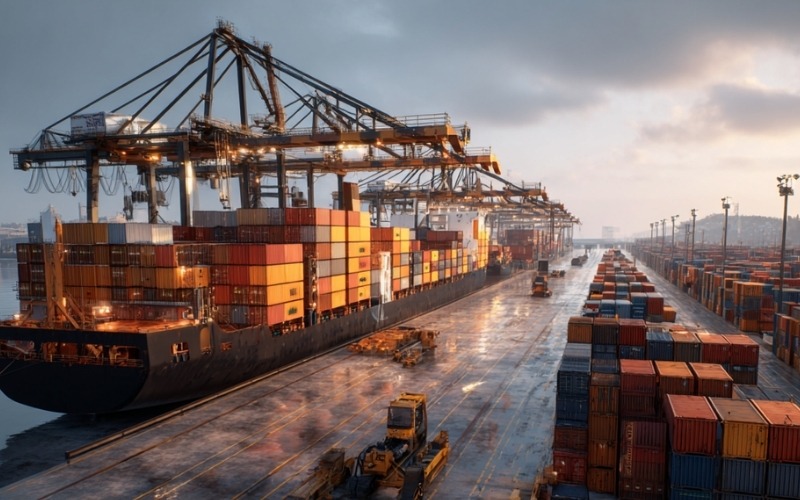
It’s crucial to understand how per diem, demurrage, and detention charges can escalate quickly, affecting your overall shipping costs. Without proper planning, these fees can accumulate, making what seemed like a manageable shipment significantly more expensive. Let’s examine a few examples to illustrate the potential impact.
1. Example 1: Per Diem Charges at Port
Imagine your container arrives at the port, but customs clearance is delayed for several days. After the free period ends, per diem charges apply at a rate of $200 per day. If the delay lasts for seven days, you’ll face an additional $1,400 on top of your standard shipping fees.

2. Example 2: Demurrage Charges in Terminal
Suppose your shipment is cleared by customs, but delays occur in unloading or transporting it from the terminal. With the free storage time exhausted, demurrage charges begin to apply. If the container remains in the terminal for five extra days, you could face $150 per day, resulting in $750 in additional costs.
3. Example 3: Detention Charges for Delayed Container Return
If you receive a container and delay returning it to the shipping line beyond the agreed free time, detention charges kick in. For instance, if you hold the container for four days past the deadline at $100 per day, you would incur an additional $400 in fees.
While examples illustrate the financial impact of these charges, it’s equally important to understand the key factors that contribute to these costs.
Also Read: Understanding Demurrage Charges In Customs and Their Impact on Importers
Key Factors Influencing These Charges
The charges for per diem, demurrage, and detention can vary significantly based on several factors. Understanding these factors helps you avoid unnecessary costs and plan better for your shipments. Here are the main elements that influence these charges.
- Port Congestion: High traffic at major ports, especially during peak seasons, can lead to delays and higher chances of accumulating additional charges.
- Documentation Delays: Incomplete or delayed customs paperwork can cause extended processing times, resulting in demurrage and detention fees.
- Shipping Line Policies: Different shipping lines may have varying fee structures for per diem, demurrage, and detention charges, which can impact your shipping costs.
- Container Type: Specialised containers, like refrigerated or hazardous materials containers, often come with higher charges due to handling complexity and additional space requirements.
- Seasonal Variations: Certain periods, like festivals or harvest seasons, can lead to increased shipping volumes, causing delays and, subsequently, higher fees.
- Terminal Efficiency: The speed and efficiency of the terminal operations directly affect how long a container stays, which impacts demurrage and detention fees.
- Cargo Volume: Larger shipments may face delays due to coordination challenges or limited space, which could lead to higher charges.
Once you understand the factors that drive these charges, you can take targeted steps to avoid or mitigate them in the future.
Also Read: Guide to Various Types of Freight and Shipping Charges
Pro Tips to Minimise These Costs
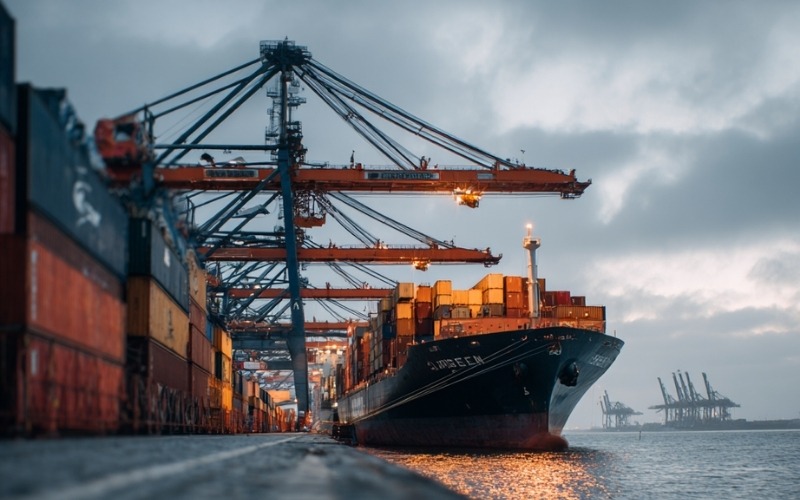
Managing per diem, demurrage, and detention charges requires proactive planning and careful attention to detail. By taking certain actions, you can reduce the likelihood of incurring these charges and maintain smoother shipments.
Here are a few practical tips to help you avoid unnecessary fees.
- Plan Timely Customs Clearance: Ensure that all documentation is prepared in advance to speed up customs clearance and avoid demurrage charges.
- Negotiate with Shipping Lines: Discuss free time options with shipping lines before finalising the contract, especially during peak seasons when delays are more common.
- Return Containers Promptly: Track container deadlines and ensure timely return to avoid detention fees. Set reminders to stay on schedule.
- Monitor Shipping Progress: Use tracking systems to stay updated on shipment status. This allows you to act quickly if any delays are reported.
- Use Container Depots: If you cannot unload your shipment immediately, storing containers at a depot may offer more flexibility, reducing additional charges.
- Prepare for Seasonal Demand: During peak shipping seasons, plan for extra time to account for congestion at major ports and terminals.
- Optimise Warehouse Operations: Improve your unloading process to avoid delays once goods arrive at the port, helping to minimise terminal storage fees.

While these pro tips are essential for minimizing costs, having the right logistics management system in place ensures these practices are consistently followed, reducing risks and improving efficiency.
Also Read: How To Reduce Container Shipping Costs?
How Pazago Optimizes Logistics for Seamless Export Operations
Per diem, demurrage, and detention charges often escalate when container booking, vessel schedules, or return timelines are poorly coordinated. Even small delays in dispatch or return can trigger daily fee accumulation, impacting shipping costs significantly.
Pazago helps exporters by ensuring strict discipline around container free-time, tracking pickup, movement, and return timelines to avoid costly delays and charges. By tightening freight execution and improving container movement visibility, Pazago ensures that timelines are met and exporters are protected from unexpected fees.
How Pazago helps:
- Freight Rate Predictability: Stable carrier relationships help exporters manage shipping costs more effectively, even during volatile periods.
- Confirmed Container Booking & Schedule Alignment: Reliable booking and alignment with port cut-offs reduce rollover risks that can extend container timelines.
- Loading & Dispatch Coordination: Structured coordination at factory, CFS, or port helps prevent avoidable delays before vessel departure.
- Structured Shipment Visibility (DSRs): Daily updates on container movement, ETD/ETA shifts, and transshipment milestones help exporters anticipate delays that could lead to demurrage or detention exposure.
- Support Across Shipment Volumes: Whether managing occasional exports or recurring flows, exporters receive consistent freight coordination support.
Conclusion
Understanding the key differences between per diem, demurrage, and detention charges is essential for managing shipping costs. By implementing efficient logistics solutions, businesses can reduce these fees and ensure smoother operations.
Pazago supports exporters by strengthening freight coordination, confirmed container booking, and structured shipment visibility. This helps reduce execution gaps that often lead to avoidable delays and container-related charges.
Contact Pazago today to optimize your container timelines and reduce costly delays, ensuring smoother and more predictable export operations.
FAQs
1. What is the difference between per diem, demurrage, and detention charges?
Per diem charges apply when a container stays beyond the agreed free time after unloading. Demurrage fees are charged when the container stays in the terminal past its allowed time. Detention charges occur when the container is not returned within the free period after it has been unloaded.
2. Can I avoid per diem, demurrage, and detention charges completely?
While it’s difficult to avoid these charges entirely, proper planning, timely customs clearance, and ensuring that containers are returned on time can help minimise these costs significantly.
3. How do I know if I’m being charged correctly for demurrage or detention fees?
Check the terms agreed upon with your shipping line, and track the free time allotted. Ensure you monitor the status of your shipment, and cross-check the shipping line's fees against their policy to avoid discrepancies.
4. How can port congestion affect shipping costs?
Port congestion can delay the unloading or return of containers, leading to extended free time and resulting in higher demurrage and detention fees. During busy seasons, it’s essential to factor in extra time to handle such delays.
5. What steps can I take if I believe a charge is unfair?
If you believe a charge is incorrect, first review the terms in your shipping contract. If there’s an error, contact the shipping line or terminal operator to dispute the charge. Ensure to provide all relevant documentation to support your claim.