.png)


Supply Chain Management: Functions, Risks, and Business Impact

Optimize your business: use unlimited savings with Pazago fulfilled now!
Get Started ->Managing supply chain logistics becomes significantly more complex once shipments move beyond domestic operations. Exporters must coordinate suppliers, inland transport, container availability, port cut-offs, and vessel schedules within fixed buyer delivery commitments. A missed cut-off due to port congestion or last-minute container unavailability can delay an entire shipment cycle. Freight rate volatility can further disrupt cost planning after pricing has already been committed to overseas buyers.
India’s supply chain management market is projected to grow to USD 2.3 billion by 2030, with a compound annual growth rate (CAGR) of 15.6%. This growth reflects increasing trade activity, infrastructure expansion, and higher coordination demands across export routes. For exporters, this means greater opportunity alongside tighter operational execution requirements.
In this blog, we examine the role of supply chain management in export operations, outline its core stages, identify common execution failures, and explain how stronger coordination improves delivery reliability and margin control.
Key Takeaways:
- Supply chain management (SCM) is essential for controlling costs and ensuring the timely delivery of products to customers.
- An efficient SCM process involves supplier management, production, logistics, inventory, and order fulfillment.
- Common challenges include infrastructure issues, regulatory complexity, and unpredictable external factors.
- Best practices like demand forecasting and strong supplier relationships help enhance performance and reduce risks.
- By adopting effective SCM strategies, exporters can improve operations, meet customer expectations, and scale globally.
What Is Supply Chain Management (SCM)?

Supply chain management (SCM) covers all activities required to get your product from raw materials to your customer. It includes sourcing materials, production, transportation, storage, and delivery. Every step in the supply chain ensures that your product is delivered on time and in good condition.
For example, consider an Indian clothing exporter who sources cotton from local farms, sends it to manufacturers, and then ships finished garments to international retailers. If any step in the process fails, like delays at a port or issues with inventory, the entire supply chain is affected, leading to missed deadlines and unhappy customers.
Once you understand the role of supply chain management, it's crucial to explore its core objectives. These objectives are what drive the success of your operations and can directly impact both your costs and customer satisfaction.
Also Read: What is Supply Chain Management and Its Importance
Key Objectives and Benefits of SCM
Effective supply chain management offers several objectives and benefits that directly impact your export business. A well-organized supply chain can help reduce costs, improve service quality, and enhance customer satisfaction. It ensures that products are delivered on time and at the lowest possible price, while also minimizing disruptions.
Let’s break down the key objectives and benefits of SCM:
- Cost Reduction: SCM helps you find cost-saving opportunities at every stage, from procurement to delivery.
- Customer Satisfaction: Timely deliveries and quality products lead to repeat business and strong customer loyalty.
- Faster Market Response: A well-managed supply chain helps you adapt quickly to changes in the market and shifts in customer needs.
- Risk Management: A well-organized supply chain allows you to identify potential problems early and address them before they affect your operations.
- Better Product Quality: Through consistent monitoring and control, SCM ensures high standards are maintained throughout the process.
To fully benefit from supply chain management, it’s essential to have a clear and organized approach to how goods and services move through the system.
Also Read: Understanding Different Types of Supply Chain Models
The SCM Process: A Step-by-Step Guide

Understanding how each part of the supply chain works can help you manage your exports more effectively. The SCM process involves several key stages that ensure your product moves smoothly from the supplier to the end customer.
Here’s an overview of the key stages in the supply chain:
- Supplier Relationship Management: This stage involves selecting and managing your suppliers. Building strong relationships with reliable suppliers helps reduce delays and ensures the quality of the raw materials you source.
- Production Planning: After sourcing raw materials, the next step is production. Planning involves coordinating the manufacturing process to ensure that the right amount of goods is produced at the right time.
- Logistics and Transportation: Once goods are produced, they need to be transported to their next destination. This includes choosing the best mode of transport, whether by sea, air, or road, and managing the route to avoid delays.
- Inventory Management: Proper inventory management ensures you have enough stock on hand to meet demand without overstocking. This helps prevent stockouts or excess inventory, both of which can be costly.
- Order Fulfillment: The final step involves packing, shipping, and delivering products to customers. This stage is crucial for ensuring on-time delivery and customer satisfaction.
While following a structured SCM process can lead to better outcomes, several hurdles lie along the way.

Challenges Indian Exporters Face in SCM

As an Indian exporter, you face unique challenges that can impact your supply chain's effectiveness. These obstacles often arise from infrastructure issues, regulatory hurdles, and external factors that are outside your control. Understanding these challenges helps you find ways to address them, keeping your business on track and moving forward.
Here are the common challenges Indian exporters encounter:
- Infrastructure Limitations: Poor transportation and logistics infrastructure, such as road congestion or outdated ports, can cause delays. This can result in missed deadlines and higher costs for shipping and warehousing.
- Regulatory Complexities: Exporters have to follow a variety of local and global regulations. Dealing with import/export laws, tariffs, and customs procedures can be complicated and expensive if not handled carefully.
- Supply Chain Disruptions: External factors like natural disasters, pandemics, or geopolitical tensions can disrupt the flow of goods, causing delays and inventory shortages.
- Inventory and Demand Management: Accurately predicting demand and maintaining appropriate inventory levels is a constant challenge. Poor inventory management can lead to situations where you either run out of stock, miss potential sales, or hold too much inventory, resulting in unnecessary storage costs.
- Technology Gaps: Many SMEs still rely on traditional methods to manage their supply chains. Without modern tools and software, it becomes difficult to track shipments, manage inventory, and gather real-time data that can lead to mistakes and inefficiencies.
Addressing these challenges requires careful planning, timely action, and a willingness to adapt to changes in both local and global markets.
Also Read: Key Challenges and Solutions in Supply Chain Management
Best Practices for Optimizing Your Supply Chain

To address the challenges and improve your supply chain, adopting best practices is essential. By focusing on these strategies, you can reduce risks, improve performance, and achieve smoother operations. The goal is to enhance the flow of goods, minimize costs, and ensure timely delivery.
Here are some best practices to follow:
- Use Technology: Invest in supply chain management software to track shipments, monitor inventory, and manage orders in real-time. This reduces errors and ensures that you have up-to-date information on your operations.
- Build Strong Relationships with Suppliers: Establishing clear communication and reliable partnerships with suppliers ensures that you receive quality materials on time. This reduces delays and disruptions further down the line.
- Demand Forecasting: Analyze past sales data and current market trends to estimate future demand. By doing this, you can plan production more effectively, reduce the chances of running out of stock, and avoid having too much inventory on hand.
- Maintain Inventory Control: Effective inventory management ensures that you don’t have too much or too little stock. Systems like Just-In-Time (JIT) inventory help reduce storage costs and ensure you’re only holding what you need for production and sales.
- Focus on Risk Management: Identify potential risks in your supply chain, such as supplier issues, transportation delays, or political instability. Having contingency plans in place allows you to quickly adapt and minimize disruptions.
Implementing best practices will undoubtedly improve your supply chain, but you don’t have to do it alone. With the right tools and services, managing your supply chain can be made even simpler.
Also Read: Top Supply Chain Optimization Software Platforms
How Pazago Improves Supply Chain Execution for Exporters
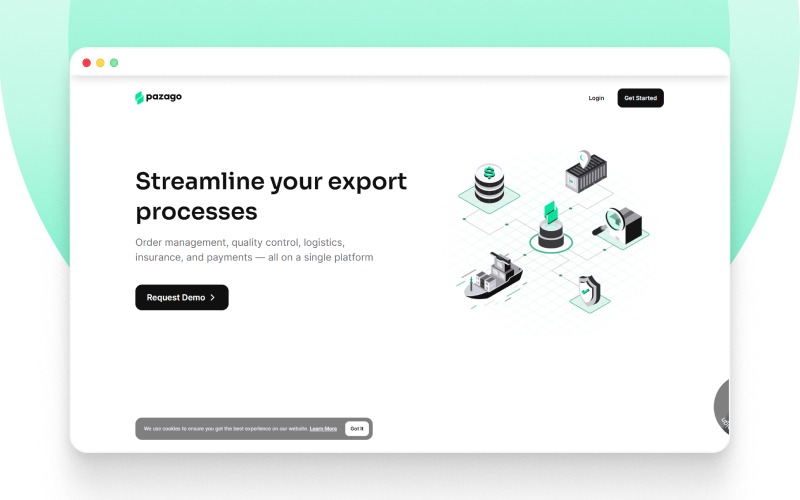
Operational reliability in export trade depends heavily on stable freight movement and disciplined coordination between the factory, the forwarder, and the port. When shipment visibility arrives too late or booking confirmation slips, planning collapses into reactive firefighting. Pazago addresses these execution pressure points by tightening freight stability and shipment coordination across export cycles.
Here is how Pazago reinforces supply chain reliability at the freight layer:
- Competitive Freight Rate Stability: Through long-term shipping line relationships, freight rates remain more stable across key trade lanes. This reduces exposure to sudden pricing changes and supports more accurate shipment cost planning.
- Confirmed Container Booking and Coordinated Loading: Container space is secured in advance, with loading coordinated at the factory, CFS, or port. Aligning dispatch schedules with vessel cut-offs helps prevent rollovers and supply chain disruptions.
- Daily Status Reports (DSRs): Structured daily updates cover container movement, ETD and ETA changes, and major transit milestones. Early visibility enables timely intervention before delays escalate.
- Pre-Shipment and Post-Shipment Support: Operational coordination continues before dispatch and after sailing. This minimizes communication gaps between exporters, carriers, and forwarders during critical shipment stages.
- Consistent Operational Support Across Shipment Volumes: Execution standards remain consistent whether handling occasional consignments or regular export cycles. Exporters receive steady coordination regardless of shipment scale.
By maintaining booking discipline, dispatch alignment, and consistent shipment updates, Pazago helps exporters protect margins, reduce avoidable delays, and keep international buyers confident in delivery commitments.
Conclusion
Supply chain management drives efficiency only when logistics execution remains stable. Delays at the freight stage can quickly offset gains achieved in procurement, inventory planning, and production coordination.
By strengthening rate stability, container availability, and shipment visibility, Pazago helps exporters maintain dependable supply chain performance across international trade cycles.

FAQs
1. Why is the role of supply chain masnagement critical for exporters?
The role of supply chain management is vital for exporters as it ensures that goods move smoothly from production to delivery. By effectively managing logistics, it reduces delays and helps keep costs under control. A well-managed supply chain also ensures that products arrive in international markets on time, which is crucial for satisfying customers and staying competitive.
2. How does effective supply chain management reduce costs?
By optimizing processes such as transportation, inventory, and production planning, effective supply chain management minimizes waste and lowers operational costs. It helps exporters avoid excess stock and reduces delays, both of which can lead to higher costs.
3. What are the primary responsibilities associated with supply chain management?
The primary tasks involved in supply chain management include sourcing materials, managing production, coordinating transportation, tracking inventory, and ensuring timely product delivery to customers. Each function is designed to ensure products are efficiently produced, transported, and delivered to meet market demand.
4. How does supply chain management impact customer satisfaction?
Effective supply chain management ensures timely deliveries and high product quality. When the supply chain operates smoothly, customers receive their products as promised, which increases trust and satisfaction, ultimately leading to repeat business.
5. What challenges do SMEs face in supply chain management, and how can they be addressed?
SMEs often face challenges such as limited infrastructure, regulatory complexities, and a lack of advanced technology. Addressing these challenges involves investing in technology for better tracking, improving supplier relationships, and planning for potential disruptions to ensure smooth operations.