.png)


Master Shipment Planning: A Practical Guide for Indian SMEs

Optimize your business: use unlimited savings with Pazago fulfilled now!
Get Started ->For Indian SMEs engaged in international trade, shipment planning can often feel like managing a maze. The complexities of international logistics, such as delays, high costs, and confusing documentation, can lead to frustration and lost opportunities. As a result, many small businesses find themselves struggling to meet deadlines, keep costs low, and ensure smooth deliveries.
Imagine being able to send products globally without worrying about delayed shipments, missing paperwork, or unreliable partners. Efficient shipment planning is the key to turning that dream into reality, helping you manage costs, improve delivery times, and build solid relationships with international buyers.
In this blog, we’ll break down the importance of shipment planning for Indian SMEs, explore common challenges, and provide best practices and solutions to streamline the process.
Key Takeaways:
- Effective shipment planning is essential for timely and cost-effective deliveries in international trade.
- Proper documentation and obedience to regulations can help avoid delays and extra costs.
- Choosing reliable shipping partners and carriers is crucial for smooth logistics operations.
- Using technology in shipment planning can boost efficiency and reduce errors.
- Building strong relationships with customs authorities and freight forwarders can help handle logistical complexities.
What is Shipment Planning?
Effective shipment planning is the backbone of any successful export business. For Indian SMEs looking to expand into international markets, shipment planning is the process of organizing, coordinating, and managing the logistics of moving goods from the point of origin to their final destination. This process involves multiple steps, each crucial to ensuring timely deliveries and cost-effective operations.

Key Components of Shipment Planning:
- Documentation: This includes all necessary paperwork for export, such as commercial invoices, packing lists, certificates of origin, and the Bill of Lading (BOL). Ensuring that these documents are accurate and ready is the first step in the process.
- Scheduling: Deciding when to ship and selecting the best routes for transportation are critical. This requires aligning with shipping carriers to ensure that goods get there on time and within budget.
- Routing: Choosing the most efficient and cost-effective routes for transportation, whether by sea, air, or land. This depends on factors like distance, cost, and urgency.
- Compliance: Understanding and adhering to both Indian export regulations and the import requirements of the destination country. This includes customs clearance and understanding tariffs or duties that may apply.
Once you have a grasp of the essential elements involved in shipment planning, it’s time to explore the common challenges that many SMEs face in the process. These hurdles can often lead to delays, increased costs, and unnecessary complications.
Also Read: Understanding Steps and Key Elements in the Process of Shipping
Common Challenges in Shipment Planning for Indian SMEs
While shipment planning is a vital process, it’s not without its challenges, especially for Indian SMEs who may face limitations in resources, knowledge, and infrastructure. These hurdles can cause delays, added costs, and complications in the logistics process.
Let’s explore some of the most common issues that SMEs encounter:
- Regulatory Complexities and Documentation Requirements: International trade is governed by a complex web of regulations, and keeping up with them can be daunting. Small errors in paperwork or missing documents can result in shipments being delayed or rejected at customs, leading to additional costs and missed deadlines.
- Infrastructure Limitations: Many SMEs face challenges with inadequate infrastructure, such as outdated transportation networks and inefficient warehousing. These limitations can cause delays in the movement of goods, higher shipping costs, and even damage to products during transit.
- Communication Barriers with International Partners: Effective communication is critical when dealing with international suppliers, buyers, and logistics partners. Misunderstandings caused by language barriers, time zone differences, or unclear shipping terms can result in confusion, delays, and dissatisfaction on both ends.
- Currency Fluctuations and Shipping Costs: Currency exchange rates can be unpredictable, and small fluctuations can significantly affect the cost of shipping goods abroad. SMEs often struggle to estimate accurate shipping costs, which can lead to unexpected financial pressures or uncompetitive pricing.
Now that you understand the challenges, it’s important to adopt best practices to help manage these hurdles and improve your shipment planning process. Let’s look at some practical steps you can take.
Also Read: 10 Expert Tips on Logistics Planning and Strategy
Best Practices for Effective Shipment Planning
Adopting best practices in shipment planning is crucial for minimizing delays, reducing costs, and ensuring your goods reach international markets on time. Here are some practical steps for Indian SMEs to enhance their shipment planning:

1. Early and Accurate Documentation Preparation
Proper documentation is the foundation of successful shipment planning. Prepare all export-related documents, such as commercial invoices, packing lists, and the Bill of Lading, well in advance. Accuracy in this part is crucial to avoid customs delays, incorrect shipments, and financial penalties.
Example: If a commercial invoice lacks the correct HS code, customs may reject the shipment, causing costly delays and additional storage fees.
2. Choosing the Right Shipping Partners and Carriers
Selecting reliable shipping partners and carriers is critical to timely and cost-effective deliveries. Ensure your partners are experienced with international trade, familiar with customs requirements, and can handle the volume of goods you are exporting. Establish clear communication channels to avoid misunderstandings or unexpected issues.
Example: Choosing an unfamiliar carrier can delay shipments at customs if they don’t meet destination-specific requirements, affecting delivery timelines.
3. Implementing Technology Solutions for Tracking and Management
Utilize digital tools and platforms to simplify your shipment management process. From route optimization to real-time shipment tracking, technology helps reduce errors, improve efficiency, and enhance visibility into the shipping process. Software platforms like Pazago can automate much of the documentation and tracking, making the process smoother.
Example: Using Pazago, an SME can track their shipments in real time and get immediate notifications if any delays occur. This allows them to actively address issues before they escalate, ensuring customers are kept in the loop and goods arrive on time.
4. Regular Training and Capacity Building for Staff
Training your team is essential to maintaining an efficient shipment process. Regular training on updated regulations, new shipping methods, and handling tools ensures that your staff is prepared to handle any logistical challenges. Empowering your employees with knowledge improves overall operational efficiency and reduces mistakes.
Example: A shipping company trained its logistics staff on the latest customs documentation requirements for the U.S. As a result, they reduced customs clearance delays significantly, improving their delivery times to the American market.
5. Strong Relationships with Customs Authorities and Freight Forwarders
Establishing good relationships with customs authorities and freight forwarders can ease the shipment process. By understanding the specific requirements and processes of both your home country and the destination country, you can avoid unnecessary delays and expedite clearance. Having reliable contacts can also provide you with guidance on any complex shipment issues.
Example: An SME's strong relationship with their freight forwarder helped them expedite customs clearance during peak seasons. This allowed them to maintain on-time deliveries and avoid delays that other companies experienced.
After you understand the importance of best practices, it's time to incorporate technology to enhance shipment planning and management. Technology can automate processes, reduce human errors, and improve efficiency across the board.
Also Read: Understanding the Benefits of Advanced Shipping Notice in Supply Chain
Using Technology in Shipment Planning
Using the right tools for shipment planning can make a huge difference in the success of your logistics operations. Here’s how technology can help streamline your shipment planning:

- Route Optimization: Technology can help identify the most efficient shipping routes, reducing fuel costs and improving delivery times by avoiding delays caused by traffic or weather.
- Real-Time Tracking and Visibility: It allows real-time tracking of shipments, providing full visibility into the shipping process. This ensures you can proactively manage delays and communicate with customers effectively.
- Automated Documentation: Automation tools can handle the generation, verification, and filing of documents such as bills of lading, commercial invoices, and customs forms. This speeds up the process and reduces the risk of human error.
- Inventory and Warehouse Management: Technology can track inventory in real time, ensuring that products are available for shipment when needed, thus avoiding stockouts and improving order fulfillment speed.
Once you understand the importance of using technology, it’s time to explore how platforms like Pazago can make shipment planning even easier for SMEs.
Pazago: Simplifying Shipment Planning for Indian SMEs
Managing exports involves multiple steps, from documentation to shipping and compliance. For Indian SMEs, these tasks can often be overwhelming. Pazago offers a digital platform designed to streamline these processes, ensuring greater accuracy, visibility, and control at every stage of shipment planning.
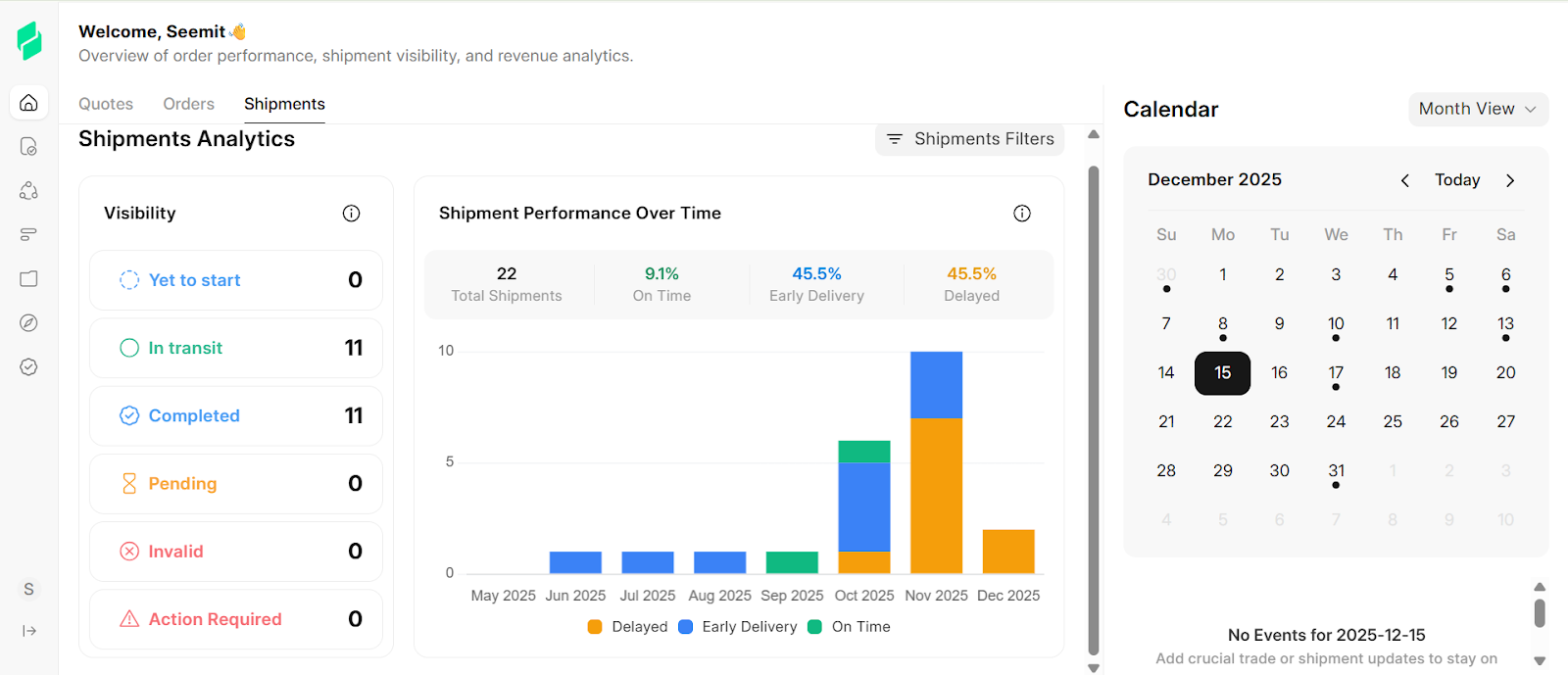
- Event Tracking: Pazago enables exporters to track all critical milestones through calendar-based event tracking in the analytics dashboard. This ensures better visibility into shipment timelines and helps teams stay aligned with key dates.
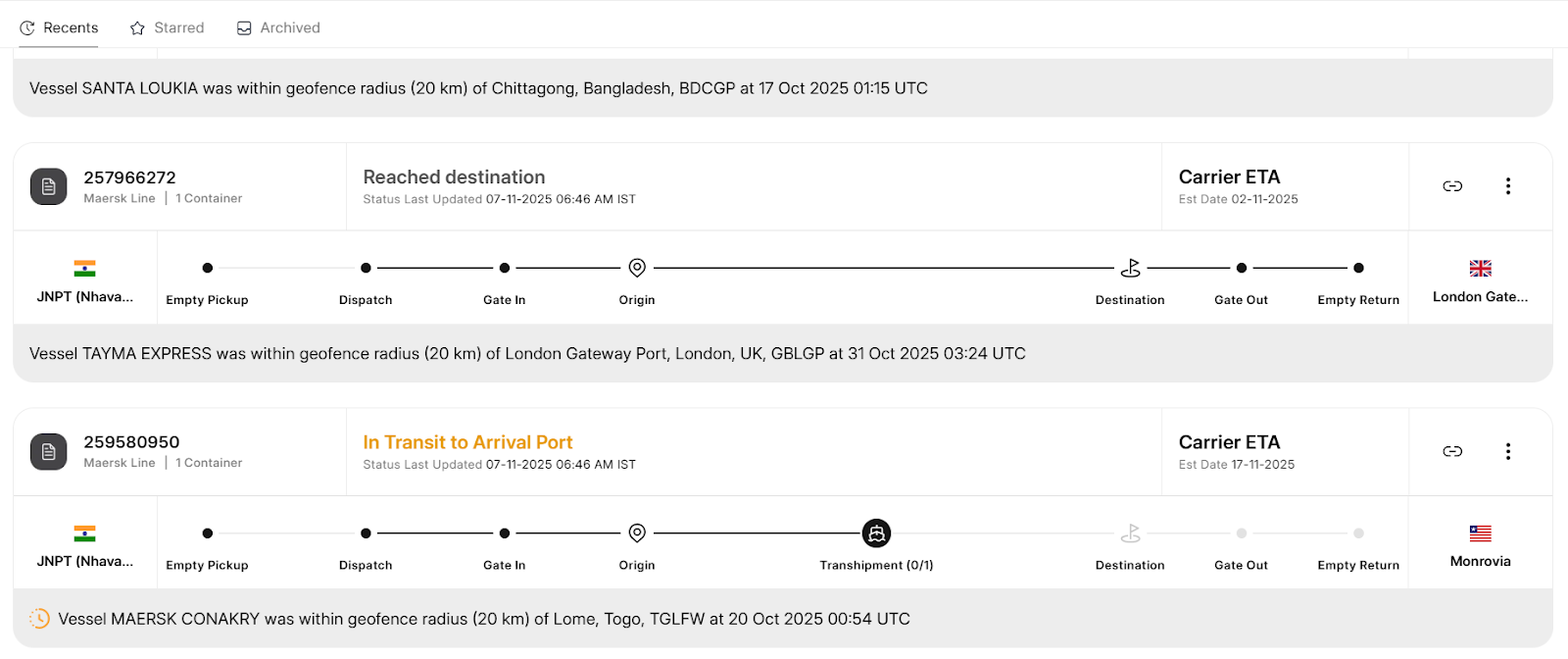
- Shipment Management: Pazago enables exporters to track and manage shipments across various transport modes. This ensures goods move efficiently from the warehouse to the port, minimizing delays and optimizing the supply chain.
- Real-Time Visibility: Continuous tracking of shipments gives exporters complete oversight. This helps anticipate potential issues, allows for proactive management, and ensures timely communication with buyers and partners.
- Centralized Communication: Pazago consolidates messages between Customs House Agents (CHAs), buyers, and vendors. This reduces miscommunication, ensuring that all updates and critical information are easily accessible in one place.
- Secure Document Handling: Pazago securely stores invoices, packing lists, certificates, and licenses, making it easy to submit, retrieve, and share these documents with customs authorities or business partners.
With these features, Pazago helps SMEs avoid common errors, save time, and streamline export operations for smoother and more efficient shipments.
Conclusion
Effective shipment planning is essential for ensuring smooth export operations, requiring careful documentation, strategic planning, and clear communication. For Indian SMEs, proactive planning reduces delays, minimizes costs, and helps maintain strong relationships with international buyers.
SMEs may streamline shipping, enhance visibility, and comply by following best practices, avoiding common mistakes, and using platforms like Pazago. It streamlines document handling, optimizes shipment management, and enhances communication, allowing SMEs to focus on scaling their business with confidence.
Start optimizing your shipment planning today by reviewing your processes, training your team, and integrating Pazago to enhance efficiency and reduce errors. Book a demo with Pazago to discover how it can simplify your export operations and support your business growth.
FAQs
1. What is shipment planning in international trade?
Shipment planning is the process of organizing and coordinating the movement of goods from the exporter to the buyer. It includes planning for documentation, scheduling, routing, and ensuring compliance with both local and international regulations.
2. How can SMEs reduce shipping costs?
SMEs can reduce shipping costs by optimizing shipping routes, negotiating better rates with reliable carriers, using technology to track and manage shipments, and consolidating shipments to minimize fees.
3. What role does documentation play in shipment planning?
Documentation is vital for ensuring that shipments comply with customs regulations and reach their destination on time. Accurate invoices, packing lists, and Bills of Lading are all necessary to avoid delays and fines at customs.
4. How can technology help in shipment planning?
Technology helps by automating documentation, optimizing shipping routes, providing real-time tracking, and ensuring better communication between exporters, carriers, and customs authorities. Platforms like Pazago enhance visibility and reduce human errors.
5. How do I choose the right shipping partner?
When selecting a shipping partner, consider their experience with international trade, familiarity with destination-country regulations, reliability, and cost-effectiveness. It's also crucial to have clear communication and establish expectations up front.
6. What are the risks of not having an effective shipment plan?
Without an effective shipment plan, SMEs risk delays, increased shipping costs, regulatory penalties, and dissatisfied customers. Poor planning can also lead to inventory shortages or stockouts, impacting business operations.