.png)


Common Types of Shipping Methods for Businesses
Optimize your business: use unlimited savings with Pazago fulfilled now!
Get Started ->As an exporter or SME looking to expand into global markets, choosing the right shipping method can be a major challenge. With various options available, it's tough to figure out what’s most cost-effective and reliable for your business. Every decision you make impacts both your bottom line and customer satisfaction.
95% of India’s trade by volume and 68% by value is moved through Maritime Transport. This statistic highlights how important shipping is to your business and why selecting the best method is crucial for your success in global trade.
In this blog, we’ll explore the different shipping methods available to you. We’ll cover sea, air, road, and rail freight, helping you understand which works best for your needs.
Key Takeaways:
- Learn about different types of shipment methods: sea, air, road, rail, and courier services.
- Choose the best shipment method based on your product and destination.
- Key factors to consider: cost, speed, cargo type, and delivery time.
- Sea freight is ideal for bulk shipments, while air freight is faster for urgent deliveries.
- Road and rail freight are cost-effective for regional and heavy shipments.
The Shipping Process: How It Works
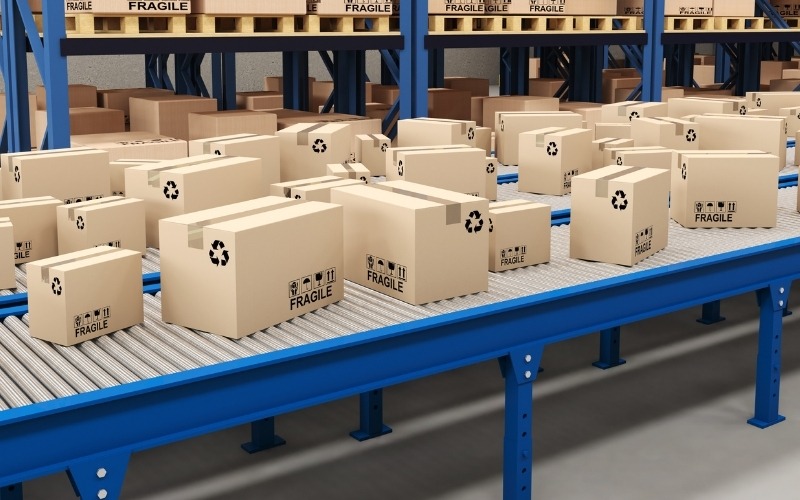
The shipping process can seem complex, but understanding the basic steps can make it easier to manage. Each shipment involves several stages, from preparation to delivery, and knowing what to expect can help you plan effectively. Here’s how the shipping process typically works:
- Preparation: Your goods are packed, labeled, and the necessary documents (like invoices and customs forms) are prepared.
- Booking: You book your shipment with a carrier, whether it’s by sea, air, road, or rail.
- Transport: The goods are moved from your warehouse to the shipping point and then to the destination port or airport.
- Customs Clearance: Your goods are cleared through customs at both the departure and arrival locations.
- Final Delivery: Once customs formalities are completed, the goods are delivered to the final destination or buyer.
This is a simplified version, but each of these stages requires careful planning to avoid delays and extra costs.
Once you understand the basic shipping process, it's essential to explore the different shipping methods available. Each option has its advantages, depending on what your business needs and objectives are.
Also Read: Understanding Steps and Key Elements in the Process of Shipping
Types of Shipping Methods
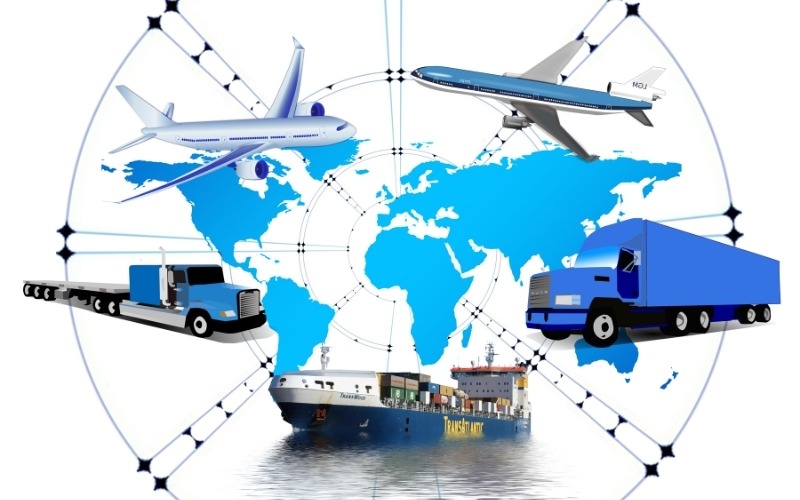
Choosing the correct shipping can be tricky, but knowing the different options available can help make the decision easier. There are several methods you can use to ship goods internationally. The best choice depends on your product, budget, and timeline. Let’s explore the most common methods and how they fit different business needs.
1. Sea Freight
Sea freight is a commonly used method for exporting large volumes of goods. It involves shipping products on cargo ships across oceans, making it the go-to option for long-distance transportation of bulky or heavy items. This method is especially useful when you need to send large shipments over international routes.
Pros:
- Low Cost: Sea freight is often the most affordable option for shipping large or heavy items.
- Capacity: Ideal for bulk shipments like machinery, textiles, or industrial goods.
- Global Reach: Available to almost every country with a coastline, offering vast reach.
Cons:
- Long Transit Times: Sea freight is slower than other methods, with delivery times ranging from weeks to months.
- Port Fees and Delays: Handling at ports can add extra time and costs.
- Limited Flexibility: You must adhere to the shipping schedules, which may not align with urgent delivery needs.
2. Air Freight
Air freight is the go-to option when speed is critical. It involves transporting goods via air cargo planes, ensuring quick delivery across global destinations.
Pros:
- Speed: Air freight is the quickest shipping option, making it perfect for goods that need to arrive fast.
- Lower Risk: The shorter travel time reduces the risk of damage or theft.
- Global Access: Available worldwide, and many major airports support cargo shipments.
Cons:
- High Cost: Air freight tends to cost more than sea freight, particularly when you're shipping large or heavy items.
- Weight Restrictions: Airlines often have strict weight limits for cargo, making it less suitable for bulky shipments.
- Limited Types of Cargo: Some goods, like hazardous materials, may not be allowed for air transport.
3. Road Freight
Road freight involves transporting goods by truck, either domestically or across international borders. It’s often used for nearby destinations or as part of a larger multimodal shipping plan.
Pros:
- Flexibility: Road transport can provide door-to-door delivery and can be easily adjusted for changing schedules.
- Cost-Effective: For short to medium distances, road freight is a more affordable option than air or sea freight.
- Versatility: Suitable for a wide variety of goods, from small packages to large shipments.
Cons:
- Limited Reach: Road freight is only viable for regions connected by road networks and has a limited range.
- Delays: Traffic, weather, and road conditions can cause delays, especially for long-distance shipments.
- Border Issues: When crossing international borders, customs delays and paperwork can add time and complexity.
4. Rail Freight
Rail freight uses trains to transport goods, primarily in regions with developed rail networks, like Europe, Russia, and parts of Asia. It's a cost-effective method for transporting large quantities of goods overland.
Pros:
- Low Cost: Rail is generally more affordable than air freight and can be cheaper than road freight for longer distances.
- Environmentally Friendly: Rail has a lower carbon footprint compared to road or air transport.
- Large Cargo Capacity: Rail can carry heavy and bulky items efficiently.
Cons:
- Limited Infrastructure: Rail networks are not available everywhere, especially for global shipping.
- Slower Transit Times: While faster than sea freight, rail freight is still slower than air transport.
- Less Flexible: Trains run on specific routes, which may not always align with your shipping needs.
5. Multimodal Shipping
Multimodal shipping involves using more than one type of transport method for a single shipment. It typically combines sea, air, road, and/or rail freight, depending on what’s most convenient and cost-effective for the journey.
Pros:
- Flexibility: Combines the best features of multiple methods, allowing you to optimize cost and delivery time.
- Cost-Effective: Can be cheaper than using air freight alone, while still providing faster delivery than sea freight.
- Versatility: Suitable for a wide range of goods and destinations, providing a tailored shipping solution.
Cons:
- Complexity: Managing multiple transport modes can be more complicated and requires careful coordination.
- Higher Risk of Delays: Since multiple modes are involved, there are more points where delays could occur.
- Customs and Paperwork: Coordinating multiple types of transportation can increase the amount of paperwork and customs clearance required.
While you now know the basic shipping methods, choosing the right one is more than just picking an option.
Also Read: Understanding Different Types of Logistics in Supply Chain Management
Factors to Think About When Choosing the Right Shipping Method

Selecting the best shipping method for your business depends on several factors. Each method has different strengths, and understanding what matters most to you will help you make the right choice. Here are some important things to keep in mind when deciding how to ship your goods.
- Cost: Shipping method prices vary widely. Air freight tends to be the most costly option, while sea freight provides the most affordable choice for shipping larger loads.
- Product Type: Some goods are better suited for certain methods. For example, perishable items often require air freight for speed, while heavy equipment may be better suited for sea freight.
- Speed: If delivery time is a priority, air freight is your best option, but it comes at a higher cost. Sea freight is slower but often more affordable for bulk shipments.
- Destination: Consider the distance to your destination. Sea and air freight can handle global shipments, while road and rail are more suited for specific regions.
- Size and Weight: Larger and heavier shipments are often better suited for sea or rail freight. Air freight is ideal for smaller, high-value shipments.
- Security: Some goods require higher security, which may make air freight or courier services more appealing due to their tracking and handling capabilities.
- Customs Requirements: Different methods may have varying customs requirements. Understanding these beforehand can help avoid delays.
After evaluating the factors that affect your shipping decision, it’s essential to find ways to make the process easier. Tools that simplify logistics can reduce errors, save time, and help you stay on top of your shipments.
Also Read: Guide to Various Types of Freight and Shipping Charges
How Pazago Can Simplify Your Shipping and Logistics?

Managing logistics can be a challenge, particularly when dealing with various shipping methods, vendors, and international regulations. Pazago offers a range of services that simplify the logistics process, enabling you to manage shipments and paperwork more efficiently. Here’s how Pazago can help optimize your shipping operations.
- Specialized Shipping Solutions: Pazago caters to different cargo types, from perishable items to large, heavy goods, making sure your shipments are handled appropriately.
- Track Shipments in Real-Time: Stay updated with live tracking, ensuring you always know where your goods are and when to expect delivery.
- Centralized Communication: Pazago consolidates communication between you, carriers, customs agents, and recipients, minimizing delays and misunderstandings.
- Efficient Documentation Management: Pazago consolidates all your necessary shipping documents in one place, minimizing paperwork errors and simplifying customs processes.
With Pazago taking care of your logistics, you can put your energy into growing your business while the complexities of shipping and supply chain management are handled by experts who know exactly what they're doing. Start simplifying your operations today and ensure smoother, more reliable shipments for your customers.
Conclusion
Selecting the right shipping method is a vital decision that can significantly impact your business’s costs, speed, and customer satisfaction. Understanding the different options, from sea and air freight to road and rail, helps ensure that you select the best fit for your needs. By taking the factors outlined in this blog into account, you’ll be better equipped to pick the shipping method that works best for your business needs.
If you’re looking for ways to simplify your logistics and manage shipments more effectively, booking a demo with Pazago can help you explore the tools designed to make shipping and documentation easier. Contact us today to discover how Pazago can meet your shipping needs.
FAQs
1. What are the key factors in determining the best shipping method for my business?
The best shipping method depends on factors like product type, shipment size, delivery time requirements, destination, and budget. Understanding these elements will help you select the most suitable option for your needs.
2. Can I ship perishable goods internationally?
Yes, perishable goods can be shipped internationally, but air freight is often the best option due to its faster delivery times. It’s important to use appropriate packaging and check for any specific regulations or restrictions on the goods you’re sending.
3. How do customs delays impact my shipments?
Customs delays can add extra time and costs to your shipments, especially if there are issues with documentation or compliance. It’s important to ensure all paperwork is in order and to work with shipping companies experienced in handling customs procedures.
4. What’s the difference between FCL and LCL in sea freight?
FCL (Full Container Load) is when you fill an entire shipping container, while LCL (Less than Container Load) involves sharing container space with other exporters. FCL is typically faster but more expensive, whereas LCL is more affordable for smaller shipments.
5. Is air freight always more expensive than sea freight?
Yes, air freight generally costs more than sea freight due to its faster delivery speed. However, if you need urgent delivery for high-value goods or small shipments, the higher cost may be justified. Sea freight is more cost-effective for larger or bulk shipments.