.png)


What Is Cost and Freight (CFR) in Foreign Trade Contracts?
%20in%20Foreign%20Trade%20Contracts.jpg)
Optimize your business: use unlimited savings with Pazago fulfilled now!
Get Started ->When shipping goods overseas, a common question arises: who pays for what, and when? The answer often lies in trade terms like CFR, or Cost and Freight, one of the most widely used Incoterms in international shipping. It clearly defines the extent of a seller’s responsibility and when the buyer takes over.
For Indian exporters, understanding CFR isn’t just helpful; it’s essential. With logistics costs in India making up 13 to 14% of GDP (compared to the global average of 8 to 10%), even a slight misunderstanding of CFR can lead to unexpected freight, port, or demurrage charges.
So before you stamp “CFR” on your next export contract, it’s worth asking: what is CFR, exactly, and how should you use it? This blog explains CFR, outlines seller and buyer responsibilities, highlights advantages and risks, and explores common challenges in practice.
Key Takeaways:
- CFR (Cost and Freight) means the seller pays for shipping, but risk transfers to the buyer once the goods are loaded.
- The seller manages delivery, freight, export clearance, packaging, and shipping documents.
- The buyer handles risk during transit, import clearance, unloading, local transport, and optional insurance.
- CFR suits bulk or non-containerized cargo and situations where sellers control freight or buyers arrange local insurance.
- It applies only to sea or inland waterway transport and may be unclear for containerized shipments.
What Is CFR? Definition & Context
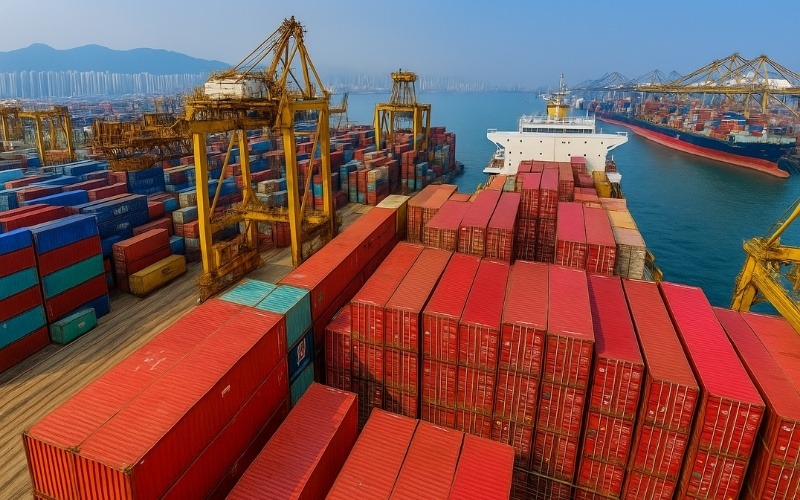
Cost and Freight (CFR) is an Incoterm that defines the responsibilities of buyers and sellers in international shipping. Under CFR, the seller is responsible for delivering the goods to a port of destination and covering the costs associated with transportation. However, the risk transfers to the buyer once the goods are loaded onto the vessel at the port of shipment.
In the context of India, understanding CFR is crucial due to the country's heavy reliance on foreign shipping lines. Approximately 90 to 95% of India's cargo is transported by foreign carriers such as Maersk, MSC, and COSCO. This dependency means that Indian exporters often have limited control over shipping schedules, access, and pricing, which can impact their ability to manage costs and timelines effectively.
The prevalence of CFR in Indian export contracts underscores the importance of understanding this term. Misinterpretations can lead to unexpected expenses and logistical challenges. Therefore, exporters need to grasp the nuances of CFR to navigate international trade successfully.
Seller & Buyer Obligations Under CFR
Understanding who does what under CFR isn’t just procedural; it can directly impact your shipment’s cost, timing, and smooth delivery. Even minor misunderstandings about responsibilities can lead to delays, unexpected fees, or disputes at the port.
Below is a detailed breakdown of obligations for each side, so you can manage your shipments confidently and keep your cargo moving smoothly.
Seller Obligations Under CFR
Before the goods leave the port, the seller is responsible for a range of tasks that ensure the shipment reaches the destination smoothly and on schedule.
- Delivery of Goods – The seller must deliver the goods onboard the ship at the port of shipment.
- Freight Costs – The seller pays the cost of transporting the goods to the agreed port of destination.
- Export Clearance – Obtaining necessary licenses, documentation, and customs clearance in the country of origin.
- Providing Documents – Supply the buyer with the required shipping documents, such as the bill of lading, commercial invoice, and packing list.
- Contractual Obligations – Ensure goods are adequately packaged and loaded safely, minimizing damage during transit.

Buyer Obligations Under CFR
Once the goods are on the ship, the buyer’s role kicks in, covering everything necessary to get the shipment safely to its final destination.
- Risk Assumption – The buyer assumes risk once the goods are loaded onto the vessel at the port of shipment.
- Import Clearance – Responsible for customs clearance, import duties, and taxes in the destination country.
- Unloading and Local Transport – Handling costs and arrangements for unloading at the destination port and inland delivery to the final location.
- Insurance (Optional) – Under CFR, the buyer may choose to arrange insurance for the cargo during transit, as the seller is not obligated to insure.
- Payment of Additional Costs – Any port handling fees, demurrage, or unforeseen charges at the destination port fall on the buyer.
Also Read: Essential Documents Required for Smooth Import-Export Customs Clearance
Understanding the responsibilities of both sellers and buyers is only half the picture. Knowing when and why to use CFR ensures you choose the proper trade term for your shipment.
CFR Use Cases & Conditions
CFR works best in shipping situations where the seller manages freight up to the destination port, but the buyer is comfortable taking transit risk. Certain cargo types and trade structures make CFR particularly practical.

Understanding the obligations of both sellers and buyers is essential to prevent misunderstandings, avoid extra costs, and ensure shipments move smoothly from port to final destination.
1. Ideal Use Cases for CFR
Certain shipments and trade situations are better suited to CFR than others. Understanding these scenarios helps you make smarter decisions and avoid costly surprises.
- Bulk or Non-Containerized Cargo
CFR is well-suited for transporting bulk goods such as coal, iron ore, or agricultural products. These items typically require direct loading onto vessels and are not containerized, making CFR an appropriate choice.
- Seller's Control Over Freight
When the seller has established relationships with reliable carriers and aims to maintain control over freight costs and scheduling, CFR allows them to manage the transportation process up to the destination port.
- Buyer's Preference for Local Insurance
If the buyer has access to more cost-effective or tailored insurance options in their local market, CFR enables them to arrange insurance independently, potentially reducing overall shipping costs.
Also Read: Top 5 Marine Insurance Policy Providers In India
2. Limitations and Conditions
While CFR can simplify shipping in many cases, it also comes with restrictions and risks that every exporter and importer should be aware of before using it.
- Exclusively for Sea or Inland Waterway Transport
CFR is applicable only to shipments via sea or inland waterways. It does not cover air, rail, or road transport, limiting its use to specific shipping scenarios.
- Risk Transfer Upon Loading
The risk of loss or damage to the goods transfers from the seller to the buyer once the goods are loaded onto the vessel at the port of shipment. This means the buyer assumes responsibility for the goods during transit.
- Not Suitable for Containerized Cargo
For containerized shipments, CFR may not be ideal due to potential ambiguities in risk transfer and insurance coverage. In such cases, Incoterms like CIP or FCA might offer clearer terms.
Now that we’ve seen where CFR works best and its potential pitfalls, it’s essential to weigh the specific advantages and challenges it brings for Indian exporters.
Pros & Cons of Using CFR for Indian Exporters
Unexpected costs or disputes during shipping can eat into your margins. As an Indian exporter, you need to weigh both the advantages and risks of CFR to plan smarter, save money, and avoid surprises.
Here’s a quick look at the practical pros and cons you’re likely to encounter when using CFR.
Seeing how CFR obligations are written in contracts can help you avoid disputes and keep shipments on track.
Sample Contract Clauses
Incorporating clear and precise clauses in your contracts is essential to avoid misunderstandings and ensure smooth transactions. Below are sample clauses tailored for CFR agreements:
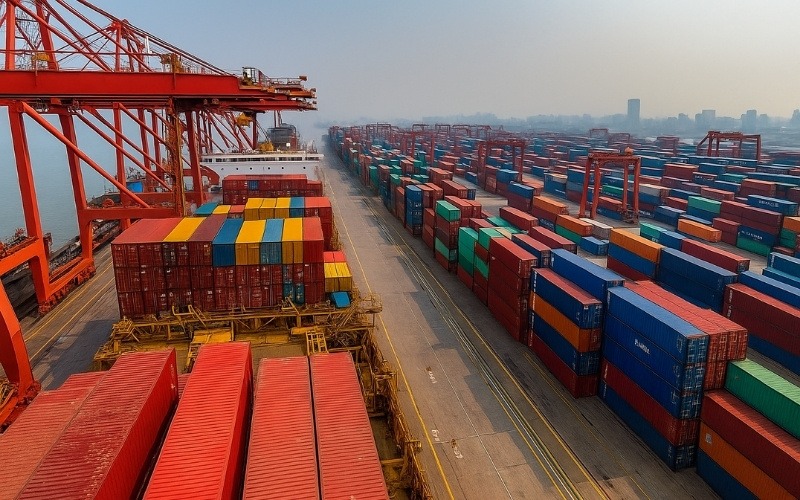
1. Delivery and Risk Transfer
"The Seller shall deliver the goods by placing them on board the vessel at the port of shipment. Risk of loss or damage transfers to the Buyer once the goods are loaded on board the vessel at the port of shipment."
2. Freight Charges
"The Seller shall pay the cost of freight necessary to bring the goods to the named port of destination. The Buyer shall bear all costs and risks associated with the goods from the point of delivery onwards."
3. Insurance
"The Seller is not obliged to procure insurance for the goods. The Buyer may arrange insurance at their discretion and expense."
4. Documentation
"The Seller shall provide the Buyer with all necessary documents, including the bill of lading, commercial invoice, and export customs clearance documents, to enable the Buyer to take possession of the goods at the port of destination."

Now, knowing the right clauses is only half the battle; following best practices ensures these agreements work effectively in real-world shipments.
CFR Best Practices
Even experienced exporters can face hidden hurdles under CFR. Having a set of practical, actionable steps ensures your shipments stay on track and both parties know exactly what’s expected:
- Specify Exact Delivery Points: Clearly define the port and location on the vessel where risk transfers.
- Confirm Freight Scope Clearly: Define which freight charges the seller covers up to the destination port and which costs shift to the buyer after loading.
- Agree on Insurance Coverage: Decide who arranges insurance and confirm coverage for high-value or fragile cargo.
- Document Everything: Provide all shipping, customs, and compliance documents on time.
- Include Force Majeure Clauses: Prepare for delays caused by strikes, natural disasters, or unforeseen events.
- Maintain Communication: Keep open lines between sellers, buyers, and shipping liners.
- Leverage Technology: Use tracking tools and platforms for visibility and documentation.
By following these best practices, exporters can mitigate risks and ensure smoother CFR shipments, but managing everything manually can be challenging.
That’s where Pazago can simplify and streamline your logistics processes, ensuring efficiency and clarity throughout the entire shipping journey.
How Pazago Streamlines CFR Shipments for Exporters
Under CFR, the seller pays for freight to the destination port, but once cargo is loaded, risk shifts to the buyer. That makes schedule discipline and container coordination critical before vessel departure.
Pazago supports exporters by bringing structure to freight planning and vessel alignment under CFR terms.
Where Pazago Adds Operational Control:
- Assured Container Booking & Coordinated Loading: Pazago ensures container bookings are confirmed and aligned with timelines, securing the right equipment at the factory, CFS, or port.
- Real-Time Shipment Tracking & Daily Status Reports (DSRs): Track container movement, ETD/ETA updates, and transshipment changes through daily reports, ensuring full shipment visibility.
- Competitive Freight Rates: Pazago offers competitive rates across key trade lanes, allowing exporters to manage costs with predictable freight structures.
- Support for Exporters of All Sizes: Whether managing a single shipment or large-scale exports, Pazago provides equal operational support for businesses of all sizes.
Conclusion
Understanding and effectively managing CFR (Cost and Freight) contracts is crucial for ensuring smooth international shipping and minimizing potential risks. By clearly defining responsibilities and adhering to best practices, you can avoid common pitfalls and keep shipments on track.
However, managing CFR logistics manually can often lead to errors, delays, and miscommunication.
Pazago supports exporters by bringing structured freight planning, vessel alignment, and container movement visibility to CFR shipments. This helps maintain control over freight-paid contracts while reducing execution gaps.
For dependable freight coordination aligned with your export contracts, contact Pazago to explore how they can support your shipments.
FAQs
1. What does CFR stand for in international trade?
CFR stands for Cost and Freight, an Incoterm where the seller pays for shipping to the destination port, but risk transfers to the buyer once goods are loaded.
2. Who is responsible for insurance under CFR?
Under CFR, the seller is not required to arrange insurance; the buyer can choose to insure the goods during transit.
3. Can CFR be used for air or road transport?
No, CFR is only applicable for sea or inland waterway transport, not for air, rail, or road shipments.
4. When does the risk transfer from seller to buyer in CFR?
Risk transfers to the buyer once the goods are loaded onto the vessel at the port of shipment.
5. Is CFR suitable for containerized cargo?
CFR is generally not ideal for containerized cargo due to potential ambiguities in risk and insurance coverage.