.png)


Definition, Objectives, and Procedure of Export Trade
Optimize your business: use unlimited savings with Pazago fulfilled now!
Get Started ->Exporting can seem like a daunting challenge, especially for small and medium-sized enterprises (SMEs) in India. The process involves various complexities, from compliance requirements to logistics management. Without the right knowledge and tools, many businesses feel uncertain about taking the leap into international markets.
India's total exports during April-June 2025 are estimated at USD 210.31 billion, showing a growth of 5.94%. Despite the promising statistics, many businesses still struggle with the logistics and legalities involved in exporting. These barriers often limit potential growth and market access.
In this blog, we’ll explore what is export trade, its objectives, and the procedures involved in getting started. We will discuss essential steps such as market research, regulatory compliance, and overcoming common export challenges.
Key Takeaways:
- Export trade involves selling goods and services from one country to another, opening new market opportunities.
- Key export objectives include market expansion, profit growth, and reducing reliance on domestic sales.
- The export process requires thorough research, proper documentation, and an understanding of international regulations.
- Exporters face challenges like compliance issues, logistics, currency risks, and competition from global players.
- Government schemes like RoDTEP and EPCG can help exporters reduce costs and improve market access.
What is Export Trade?
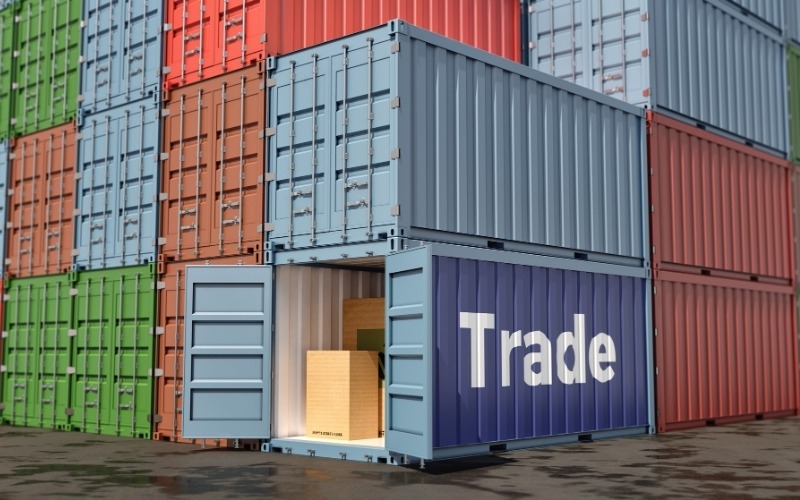
Export trade is the act of selling products or services made in one country to buyers in another. It involves businesses reaching beyond their borders to supply goods to international customers.
It involves navigating international regulations and managing the shipment of products across borders. Export trade can open up new opportunities and significantly increase your business’s revenue potential.
In simple terms, export trade is about reaching a wider audience and selling your products globally. It involves everything from market research to documentation, shipping, and compliance with international laws. If you’re looking to grow your business, export trade could be a key part of your strategy.
Now that you know what is export trade, it's essential to explore why businesses engage in this process. The objectives behind export trade go beyond simply selling goods abroad and are integral to long-term business growth.
Also Read: Understanding Different Types of International Trade
Objectives of Export Trade
Export trade offers businesses the opportunity to expand beyond their local market and tap into international demand. By venturing into global trade, companies can increase their revenue and diversify their risks. Yet, the objectives behind export trade are much broader, touching on aspects like market expansion, profitability, and global branding.
To help you understand why export trade is valuable, here are some key objectives that make it an attractive business strategy:
- Market Expansion: Entering new international markets increases your customer base and sales potential, helping reduce reliance on local demand.
- Profit Maximization: Exporting allows businesses to charge premium prices in markets where demand is higher or competition is lower.
- Using Excess Capacity: If your production capacity exceeds domestic demand, exporting helps you use that extra capacity and reduce wastage.
- Achieving Economies of Scale: Higher production levels required for export allow you to lower per-unit costs, making your products more competitive.
- Enhancing Brand Recognition: Expanding into global markets increases the visibility of your brand, enhancing its reputation and credibility worldwide.
- Economic Contribution: Exporting boosts the national economy by increasing foreign exchange reserves and creating job opportunities in industries that support trade.
Now that we have a clear understanding of the objectives of export trade, it's time to look at the process. Exporting isn’t just about the destination; it's about following a structured procedure to ensure success.
Also Read: Understanding Steps and Objectives in Export Procedure
Procedure for Export Trade in India
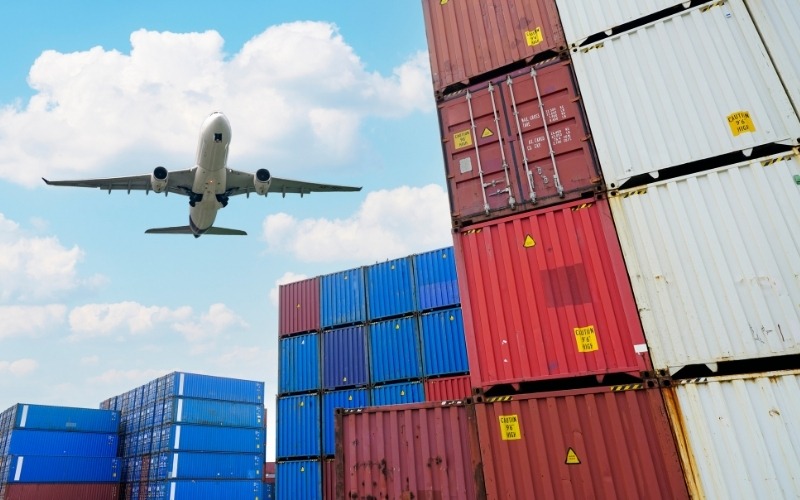
Exporting goods and services requires a clear understanding of the process, from initial preparation to final delivery. This process helps businesses grow by expanding their reach beyond local sales. Each phase of the process needs careful attention, as even small errors can delay shipments and cause financial losses.
By following a structured procedure, you can minimize risks, ensure compliance, and effectively enter international markets. Let’s explore the essential steps involved in the export trade process:
1. Market Research and Preparation
Before jumping into export trade, thorough market research is essential. This step helps identify the best markets for your products, understand the local demand, and assess potential competition.
- Identify Target Markets: Research which countries have demand for your products and evaluate the competition within those markets.
- Study Regulations: Understand the export regulations and requirements in both India and the target countries.
- Evaluate Product Suitability: Make sure your products are suitable for international markets in terms of quality, packaging, and pricing.
By taking time to research and prepare, you ensure that your business is positioned for success in the global marketplace.
2. Obtain Necessary Licenses and Registrations
Before you begin exporting, certain licenses and registrations are mandatory to ensure compliance with Indian laws and international trade agreements.
- Importer Exporter Code (IEC): This is a mandatory requirement for all exporters in India, issued by the Directorate General of Foreign Trade (DGFT).
- GST Registration: Exporters must be registered for GST to comply with tax regulations and take advantage of export-related exemptions.
- Export Promotion Council (EPC) Membership: Depending on your industry, registering with the relevant EPC can offer you support, benefits, and incentives.
Having the necessary licenses and registrations in place ensures that your export operations are legal and compliant with Indian laws and international trade policies.
3. Product Packaging and Labeling
Packaging and labeling are vital aspects of export trade that require careful attention to meet international standards. The packaging must protect goods during transit, while labels must comply with regulations in the destination country.
- Follow International Standards: Ensure packaging meets the required specifications for international shipping, such as durability and weather resistance.
- Comply with Local Regulations: Different countries have different labeling requirements, including language, product information, and certifications.
- Ensure Safety: Make sure that the packaging protects your goods from damage and preserves their quality during transport.
Proper packaging and labeling can significantly reduce the risk of product rejection at customs and ensure smoother transportation.
4. Logistics and Shipping
Shipping goods internationally requires careful planning and choosing the right mode of transportation to ensure timely delivery. This phase includes selecting carriers, shipping methods, and tracking shipments to avoid delays.
- Select Shipping Method: Choose the most suitable method (air, sea, or land) based on the type of goods, cost, and delivery timelines.
- Freight Forwarders: Hire a reliable freight forwarding company to manage your shipments and handle the logistics on your behalf.
- Insurance: Protect your goods against potential damage or loss during transit by getting the necessary insurance coverage.
Proper logistics planning ensures that your goods reach international customers safely and on time, minimizing delays and damages.
5. Documentation and Customs Clearance
One of the most critical steps in the export process is ensuring all documentation is in order for customs clearance. Mistakes or missing paperwork can lead to costly delays or even fines.
- Commercial Invoice: This document provides the details of the transaction, including product descriptions, quantities, and prices.
- Packing List: Details the contents of the shipment and how it’s packed.
- Certificate of Origin: This document certifies the origin of the goods and may be required for tariff purposes in the destination country.
- Bill of Lading: A contract between the exporter and the shipping company that outlines the shipment’s details.
Accurate and complete documentation ensures that shipments are cleared quickly through customs, preventing delays and reducing costs.
6. Payment Terms and Risk Management
Ensuring secure payment is one of the most critical factors when doing international business. You must establish clear payment terms with buyers and manage any risks associated with cross-border transactions.
- Payment Methods: Common options include Letters of Credit (LC), advance payments, and open account terms.
- Currency Exchange: Be aware of currency fluctuations that may impact the cost of your goods and profits.
- Export Credit Insurance: Protect yourself from the risk of non-payment by foreign buyers by obtaining export credit insurance.
While the export process opens up numerous opportunities, it also brings challenges that can impact your success.
Also Read: Import and Export Procedure: A Complete Guide
Challenges Faced by Indian Exporters
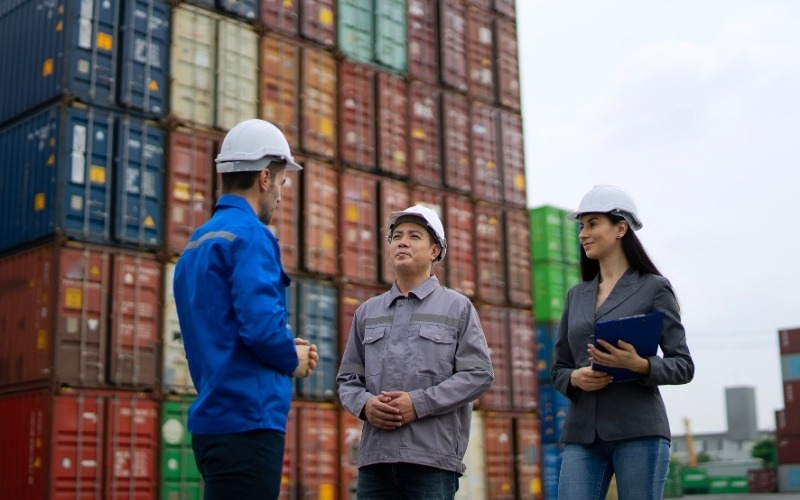
While export trade offers significant opportunities, Indian exporters often face several challenges that can impact their growth and efficiency. The global trade environment is highly competitive, and businesses need to overcome numerous hurdles to succeed.
To help you understand the common difficulties exporters face, here are some key challenges and their impact on international trade:
1. Regulatory and Compliance Issues
Exporters must comply with various regulations and standards, both in India and the destination country. This requires time, effort, and a clear understanding of international trade laws.
- Customs Compliance: Ensuring all documents are correct and complete for timely customs clearance can be complicated and time-consuming.
- Export Duties and Taxes: Indian exporters must deal with taxes and duties that may change based on the type of product or destination country.
- Changing Regulations: International regulations frequently change, making it difficult for businesses to stay up to date with the latest requirements.
Non-compliance can lead to shipment delays, fines, and even rejection of goods at the border.
2. Logistics and Supply Chain Challenges
Exporting goods involves complex logistics, including transportation, packaging, and managing multiple stakeholders. This can lead to various difficulties that slow down the process.
- Shipping Costs: The rising cost of shipping, especially for long-distance routes, can affect overall profitability.
- Customs Delays: Delays in customs clearance can result in goods being held up, which could affect your reputation with buyers.
- Tracking and Visibility: Monitoring shipments across different transport methods and countries can be difficult, leading to confusion and possible errors.
Inefficient logistics can cause disruptions in the supply chain, affecting timely delivery and increasing operational costs.
3. Payment Risks and Currency Fluctuations
Cross-border transactions come with financial risks, such as delayed payments or currency fluctuations, which can create financial strain for exporters.
- Late Payments: International buyers may delay payments, especially if there are issues with international banking or credit facilities.
- Currency Exchange Rates: Fluctuating exchange rates can negatively impact profits and make pricing unpredictable.
- Non-payment Risks: Exporters may face the risk of non-payment due to a lack of buyer reliability or political issues in the buyer’s country.
Financial risk management becomes crucial in ensuring that payments are secure and timely, which can prevent losses.
4. Cultural and Communication Barriers
When doing business with foreign clients, communication and cultural differences can create misunderstandings and impact business relations.
- Language Barriers: Different languages can lead to misinterpretations in contracts, product specifications, and negotiations.
- Cultural Differences: Understanding cultural nuances, such as business etiquette and consumer preferences, is crucial for successful partnerships.
- Time Zone Differences: Coordinating communication across different time zones can lead to delays in response times and decision-making.
These barriers can strain relationships and affect the speed of business transactions and collaborations.
5. Quality Control and Standard Compliance
Maintaining consistent product quality to meet international standards is a common challenge faced by exporters. Failure to meet these standards can lead to product rejection or delayed shipments.
- Product Quality Assurance: Ensuring products meet international standards can be difficult, especially when dealing with large-scale production.
- Certification and Testing: Many countries require specific certifications or product testing before goods are allowed to enter their markets.
- Inspection Delays: Scheduling inspections and obtaining necessary certifications before shipment can be time-consuming.
Non-compliance with quality standards can result in financial losses and damage your brand’s reputation in global markets.
6. Competition from Global Players
Indian exporters often face stiff competition from established businesses in other countries, especially in industries like textiles, electronics, and machinery.
- Price Competition: Many international competitors can offer lower prices because of larger production volumes or cheaper manufacturing costs, which makes it difficult for small exporters to stay competitive.
- Brand Recognition: Competing against well-established brands can make it difficult for new or lesser-known Indian businesses to enter certain markets.
- Market Saturation: Some international markets may already be saturated with similar products, reducing the potential for success.
Despite the hurdles, exporters can take comfort in the support offered by the Indian government. There are various schemes and incentives available to help businesses in the export sector.

Government Schemes and Incentives for Exporters

The Indian government has introduced several schemes aimed at assisting exporters with duties, taxes, financing, and market access. Each scheme targets specific aspects of export, such as reducing production costs, enhancing market outreach, or providing financial support.
Here are some key government schemes and their benefits for exporters:
1. Remission of Duties and Taxes on Exported Products (RoDTEP)
This scheme provides refunds for duties and taxes that are embedded in the export process but are not refunded under any other scheme. It ensures that Indian products can compete more effectively in international markets by reducing the burden of indirect taxes.
- Eligibility: Exporters under Advance Authorization (AA), Export-Oriented Units (EOUs), and Special Economic Zones (SEZs).
- Benefit: Duty credit scrips to offset embedded taxes, enhancing export competitiveness.
2. Advance Authorization Scheme
The Advance Authorization scheme allows exporters to bring in the materials needed to produce export goods without having to pay import duties. It helps reduce the cost of production, making Indian products more competitive in international markets.
- Eligibility: Exporters who have an export obligation to fulfill.
- Benefit: Reduction in input costs, improving profitability.
3. Export Promotion Capital Goods (EPCG) Scheme
The EPCG scheme allows exporters to import capital goods at zero customs duty, provided they meet the export obligations within a stipulated time frame. It encourages exporters to invest in quality machinery and technology to enhance production efficiency.
- Eligibility: Exporters aiming to enhance production capacity.
- Benefit: Import of capital goods at zero customs duty.
4. Duty Drawback Scheme
This scheme allows you to get back the customs duties paid on materials used to produce goods for export. It aims to reduce the overall cost of exports, ensuring that exporters do not bear the burden of taxes on raw materials.
- Eligibility: Exporters of goods manufactured in India.
- Benefit: Refund of central duties, reducing export costs.
5. Market Access Initiative (MAI)
The Market Access Initiative is a government initiative to help exporters expand their reach into international markets. It offers financial assistance for activities such as participating in trade fairs, conducting market studies, and engaging in promotional campaigns.
- Eligibility: Exporters and export promotion councils.
- Benefit: Financial assistance for market development activities.
6. Interest Equalization Scheme (IES)
The Interest Equalization Scheme provides interest subsidies on pre-shipment and post-shipment credit for exporters. This scheme helps ease the financial load on exporters, making it simpler for them to access affordable credit for their operations.
- Eligibility: Exporters of specified products.
- Benefit: Reduction in financing costs, improving competitiveness.
7. Production Linked Incentive (PLI) Scheme
The PLI Scheme aims to encourage manufacturing and export growth in certain sectors by offering financial rewards based on increased sales. It aims to attract investment and improve the competitiveness of key industries like electronics, textiles, and pharmaceuticals.
- Eligibility: Manufacturers in sectors like electronics, pharmaceuticals, and textiles.
- Benefit: Incentives based on incremental sales and investments.
8. Export Credit Guarantee Corporation (ECGC) Schemes
The ECGC offers credit insurance and guarantees to protect exporters from the risks of buyers failing to pay and potential political issues. It helps exporters secure financing from banks by offering risk protection.
- Eligibility: Exporters seeking protection against payment risks.
- Benefit: Coverage against buyer default and political risks.
9. State-Specific Export Policies
Several states have introduced export policies to boost exports at the regional level. These policies offer financial support, infrastructure assistance, and other incentives to local exporters to enhance their international business activities.
- Eligibility: Exporters operating within the respective states.
- Benefit: State-specific incentives, including financial assistance and infrastructure support.
While government schemes provide essential support, the logistics of managing an export supply chain can still be complex. This is where tools like Pazago come into play, simplifying the entire logistics process for exporters.
Also Read: Inclusive Aspects of Foreign Trade Policy 2023
How Pazago Brings Execution Discipline to Export Trade Operations
Export trade does not fail at the definition stage. It breaks down during execution, when freight rates shift mid-cycle, containers are unavailable near port cut-offs, or shipment updates reach exporters too late to act. In long export cycles, even small coordination gaps between forwarders, carriers, factories, and buyers can delay departures, affect compliance timelines, and disturb payment planning.
As export volumes grow, these risks multiply across shipments. What looks manageable at low volume becomes unpredictable at scale. Pazago aligns freight planning, container movement, and shipment coordination so export trade execution stays steady across production, dispatch, and delivery milestones.
- Assured container booking and coordinated loading at the factory, CFS, or port help exporters align dispatch schedules with vessel cut-offs and avoid last-minute rollovers.
- Competitive freight rates through long-term shipping line relationships reduce exposure to sudden rate fluctuations that disrupt shipment costing and buyer commitments.
- Daily Status Reports (DSRs) provide structured updates on container movement, ETD and ETA changes, and transshipment milestones, helping exporters respond before delays escalate.
- Comprehensive pre-shipment and post-shipment sales support assists with coordination between exporters, carriers, and forwarders when operational clarifications arise.
- Equal operational support for exporters of all sizes ensures consistency, whether handling occasional shipments or recurring international trade cycles.
With tighter freight coordination and shipment visibility, export trade operations move with greater predictability across long cross-border supply chains.
Conclusion
Understanding what export trade is provides the foundation, but execution determines results. Market research, compliance, packaging, documentation, and shipping all require disciplined coordination to avoid delays and cost overruns.
When freight stability, container availability, and shipment tracking remain aligned, exporters can manage cross-border operations with fewer disruptions. Pazago supports this execution layer by strengthening freight coordination and shipment reliability across export cycles.

FAQs
1. What is an example of export trade?
An example of export trade would be an Indian textile manufacturer selling garments to customers in the United States. The company produces locally and ships its products to international markets.
2. What is the export trade procedure?
The export trade procedure involves market research, obtaining necessary licenses, preparing products for export, ensuring compliance with regulations, and managing shipping and documentation before delivery.
3. What is import and export trade?
Import trade refers to buying goods and services from other countries, while export trade involves selling domestic goods and services to foreign markets.
4. What are the three types of export?
The three main types of export are direct export, indirect export, and re-export. Direct export involves selling products directly to foreign buyers, while indirect export uses intermediaries to reach international markets.
5. Why is export trade important for a business?
Export trade helps businesses expand their market reach, increase revenue, and diversify risk by tapping into international demand beyond the domestic market.