.png)


5 Smart Strategies to Cut Down RTO in Logistics

Optimize your business: use unlimited savings with Pazago fulfilled now!
Get Started ->Every undelivered parcel hits your pocket twice. Once on its way out and again when it comes back. That’s Return-to-Origin, or RTO, a hidden drain across India’s logistics network that swallows roughly 20-30% of courier traffic.
Each failed delivery means sunk shipping costs, tied-up inventory, and wasted manpower. These losses accumulate more quickly than most operations realise. And with India’s parcel volume projected to reach 24-29 billion by FY2030, keeping RTO under control isn’t a side issue anymore.
In this article, you’ll see how understanding the root causes, operational impact, and proven prevention methods can turn RTO from an unavoidable loss into a manageable metric.
Key Takeaways:
- RTO eats into margins through double freight, blocked stock, and refund delays.
- Strong coordination between the seller, the courier, and the buyer reduces miscommunication and failed deliveries.
- Data-backed address checks and multiple delivery SOPs can cut RTO early.
- Tracking region-wise trends helps detect recurring issues before they scale.
- Lower RTO means faster cash recovery, happier customers, and smoother logistics flow.
Breaking Down the Root Causes of RTO in Logistics
Every Return to Origin (RTO) begins with a small lapse that escalates: a wrong entry, a missed update, or a policy gap. Understanding where these breakdowns originate helps build a stronger delivery process, which in turn enables the exploration of how to fix them.
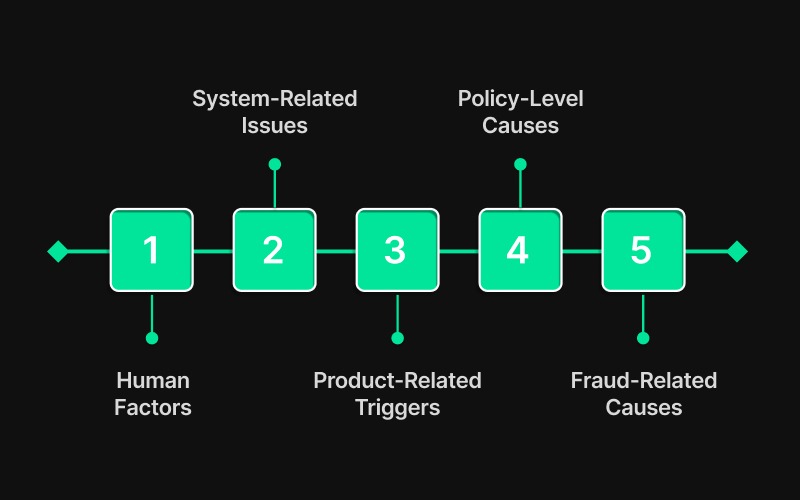
1. Human Factors
Incomplete or inaccurate delivery details often send couriers to the wrong place or at the wrong time, wasting time and fuel. These issues usually stem from unverified addresses or unclear delivery windows.
2. System-Related Issues
When buyer information doesn’t sync across platforms, couriers miss last-minute changes or updates. Outdated or disconnected systems create confusion and increase the number of failed delivery attempts.
3. Product-Related Triggers
Parcels that arrive damaged, delayed, or poorly packed face higher rejection rates. Product fragility, mishandling, or inadequate packaging often drive these returns.
4. Policy-Level Causes
Nearly 26% of COD orders are returned versus less than 2% for prepaid, often because buyers change their minds, lack cash, or misunderstand payment terms.
5. Fraud-Related Causes
Fake, duplicate, or non-serious orders drain delivery capacity and inflate costs. Without upfront validation, these fraudulent orders slip through undetected.
Also Read: Top Multi-Carrier Shipping Options For E-Commerce Companies In India
With these root causes in mind, we can now examine how RTO affects logistics operations and impacts the entire delivery ecosystem.
How Return to Origin (RTO) Impacts Logistics Operations
When a parcel is returned instead of being delivered, it disrupts your entire delivery rhythm. Warehouses then face a pile-up, as every returned parcel needs to be checked, sorted, and placed back in stock. That slows new dispatches and throws off the inventory balance.
Customers notice these gaps faster than you might think, and their trust is compromised. On top of that, refunds from COD orders hold up your working cash and hamper new shipments. Here’s how RTO quietly eats into your logistics setup:
- Delivery flow: Every return messes with route plans, fuel use, and delivery timelines, forcing you to rework schedules.
- Warehouse load: Returned goods block space and staff time, delaying fresh order movement.
- Customer confidence: Frequent RTOs make your delivery performance look unreliable, hurting repeat business.
- Cash cycle: COD reversals hold funds, limit liquidity, and slow down restocking or new purchases.
Each of these adds pressure on your logistics engine. Next, let's look at how you can tackle these points before they turn into recurring costs.
5 Strategies to Reduce RTO in Logistics
Lowering RTO takes focus at every touchpoint, from the moment an order is placed to when it reaches the buyer. With more than 80 national players and hundreds of regional operators, coordination isn’t always simple.

Here’s how you can tighten control where it matters most.
1. Verify Addresses Early
Start with clean, verified data because even one wrong digit in a PIN code or phone number can waste hours and fuel. Use address-verification tools to auto-correct incomplete or mismatched entries before dispatch.
For new buyers, a quick confirmation call or WhatsApp check can filter out fake or impulsive orders. Partnering with local couriers who validate addresses before pickup further ensures faster deliveries and fewer failed attempts.
2. Enhance Delivery Communication
Customers miss parcels when they don’t know when to expect them. Simple updates, such as an SMS alert or a live tracking link, keep them informed.
If plans change, give them an easy way to reschedule or confirm availability. Delivery staff with real-time update apps handle routes better and avoid wasted trips. The smoother the communication, the higher your successful deliveries.
3. Manage COD Orders Wisely
COD is convenient but risky. Screen high-value or first-time CODs with a short confirmation message before shipping. Offering a small discount on prepaid orders can also encourage customers to opt for safer options.
4. Utilise Data to Prevent RTO
Look for patterns in your failed deliveries. Maybe a certain area has repeat returns, or one courier partner struggles with COD orders. Analysing this data helps you act early.
Use it to recheck risky orders, change delivery policies, or adjust routes. Over time, these insights keep your RTO rate predictable and your resources free for genuine shipments.
5. Ensure Secure Packaging
A return triggered by damage is one you could’ve avoided. Choose packaging that fits the product and can handle rough handling in transit.
Before dispatch, check that the right product, quantity, and label are in place. It’s a small step that saves time, refunds, and credibility. Sellers who double-check packaging often report fewer claims and faster repeat orders.
Coordinated Delivery Practices Across Stakeholders
Reducing RTO comes down to how well everyone involved: seller, courier, and customer, works as one unit. Each side handles a different part of the process, but orders reach the doorstep smoothly only when data, timing, and accountability align.
India’s logistics costs, once 13-14% of GDP and now 7.97%, reflect how structured coordination and policy alignment drive measurable efficiency gains. Here’s how coordination becomes a shared system instead of a blame game:
- Share transparent data: Make order details, like contact numbers, delivery slots, and payment type, visible to every party. It keeps updates clean and decisions quick.
- Set SOPs for delivery attempts: Avoid marking an order as undeliverable after just one try. Create a defined number of reattempts with time-stamped logs so each order gets a fair shot before RTO approval.
- Add pre-delivery checks: A quick confirmation message or automated call before dispatch helps customers confirm availability or change timings early, saving time and effort for everyone.
Also Read: Optimising Logistics and Operations Management
How Pazago Brings Structured Execution to Export Operations
In export logistics, small coordination gaps create large downstream consequences. A missed container booking, unclear milestone update, or delayed follow-up with a forwarder can result in rollover charges, storage costs, or strained buyer relationships. These breakdowns rarely come from intent; they emerge when shipment movement, communication, and payment follow-ups operate in silos. When execution discipline improves, risk exposure reduces.
Pazago brings structured coordination across export shipments so movement, visibility, and follow-ups stay aligned throughout the order lifecycle.
- Assured container booking and coordinated loading at the factory, CFS, or port help exporters align dispatch timelines with vessel cut-offs and reduce last-minute disruptions.
- Daily Status Reports (DSRs) provide shipment-level updates on container movement, ETD and ETA shifts, and transit milestones, enabling proactive intervention before issues escalate.
- Competitive freight rates through long-term shipping line relationships reduce exposure to sudden pricing volatility that disrupts shipment planning.
- Comprehensive pre-shipment and post-shipment sales support assists exporters in resolving operational clarifications with carriers and forwarders during critical shipment stages.
- Equal operational support for exporters of all sizes ensures consistent execution reliability, whether handling occasional consignments or regular export cycles.
With tighter shipment coordination and structured follow-ups, exporters operate with greater predictability across long cross-border supply chains.
Conclusion
For exporters, operational control determines whether trade flows smoothly or accumulates friction across shipments. Structured coordination, stable freight execution, and timely shipment updates reduce the likelihood of delays, penalties, or escalations.
Pazago supports exporters by reinforcing freight stability, container coordination, and consistent shipment visibility across export movements. As execution discipline improves, trade cycles become more predictable and manageable.
FAQs
1. How does seasonality affect RTO rates in logistics?
RTO rates usually spike during festive or sale periods when order volumes surge. Higher last-mile pressure, temporary staff, and impulse COD purchases increase failed deliveries. Planning buffer capacity and verifying seasonal buyers in advance helps balance the load.
2. What role do return-friendly policies play in managing RTO?
Clear return policies reduce confusion and refusals at the doorstep. When customers know the exact process for returns or exchanges, they’re less likely to reject deliveries outright. Transparency builds trust and improves delivery acceptance rates.
3. Can packaging design influence RTO reduction
Yes. Beyond durability, packaging that clearly shows product details or tamper evidence boosts buyer confidence. It reassures recipients that the item is intact and genuine, which reduces doorstep refusals, especially for COD shipments.
4. How do regional delivery preferences impact RTO?
Buyer behavior varies widely by geography. For example, urban buyers prefer strict time slots, while semi-rural buyers expect flexible visits. Recognising these patterns and adapting delivery timing accordingly can lower missed delivery chances.
5. What are early indicators that your RTO rate is rising?
Rising NDR (non-delivery report) tickets, repeat failed PIN codes, or sudden jumps in COD reversals usually flag an RTO issue. Monitoring these weekly gives enough lead time to fix issues before they become costly trends.