.png)


3PL Logistics: Scaling Export Operations Efficiently
Optimize your business: use unlimited savings with Pazago fulfilled now!
Get Started ->One delayed container rarely stays isolated. It cascades into document revisions, payment hold-ups, buyer pressure, and teams scrambling across time zones.
Export supply chains now span more ports, partners, and regulations than internal teams can coordinate cleanly. Execution gaps, not planning, are where efficiency breaks, especially once shipments leave the factory gate.
Warehousing capacity, freight coordination, and compliance handling demand scale and specialisation that in-house setups struggle to maintain. Third-Party Logistics (3PL) functions as an operating model for export execution, not a bundle of services.
In this article, we’ll explore how that model removes friction from international shipments and restores control across the export supply chain.
Key Takeaways
- 3PLs handle warehousing, transportation, and fulfilment, letting companies focus on strategy instead of operational headaches.
- They provide flexible scaling for seasonal spikes or multi-location operations without extra long-term costs.
- Centralised workflows and standardised processes speed up fulfilment, reduce errors, and cut transportation costs.
- Using 3PLs strategically turns logistics from a bottleneck into a growth enabler for complex supply chains.
What 3PL Logistics Actually Means in a Modern Supply Chain
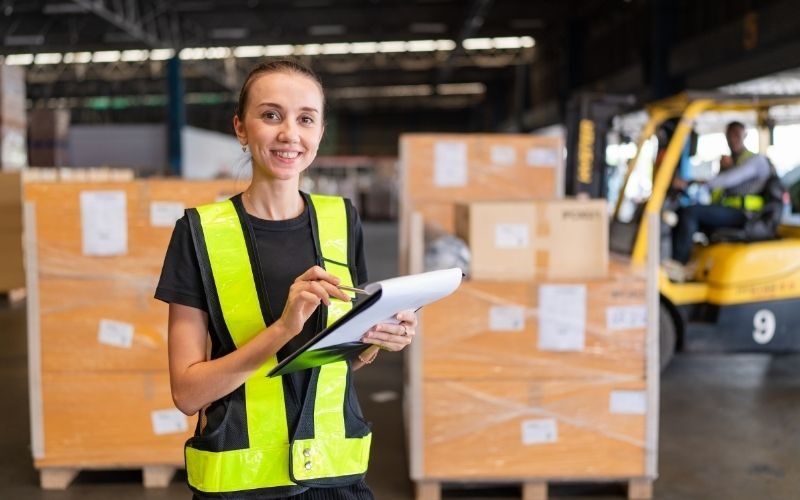
At its core, 3PL logistics covers the operational layer of your supply chain: warehousing, transportation, order fulfilment, and inventory handling, executed by an external provider. It doesn’t mean handing over responsibility; it means transferring execution to a partner equipped to handle scale while you retain strategic control.
In-house teams handle both planning and execution, deciding what moves, when, and where, while also managing trucks, warehouse space, staff, and delays. A 3PL takes over the mechanics, letting your team focus on strategic decisions like inventory positioning and demand response.
Here’s what typically falls under 3PL control:
- Physical warehousing and inventory storage across one or multiple locations
- Inbound and outbound transportation, including carrier selection and freight booking
- Order picking, packing, and shipping according to your instructions
- Handling returns, cross-docking, or kitting based on your fulfilment model
The handoff happens at the point where strategic decisions end, and physical execution begins.
Where Supply Chains Lose Efficiency Without 3PL Support

Efficiency breakdowns rarely come from a single failure. They accumulate from small, compounding inefficiencies: underutilised trucks, delayed handoffs, and inventory sitting idle because no one knows where it’s needed next. Managing logistics internally without dedicated infrastructure or expertise exposes predictable failure points.
Here’s where internal logistics can fall short:
- Rigid Capacity: Committing to warehouse space or transportation based on average demand leads to underutilization during slow periods or scrambling when volumes spike.
- Fragmentation: Warehousing, transportation, and fulfilment often operate separately, causing misaligned schedules, delayed orders, or missed shipping cutoffs.
- Visibility Gaps: Disconnected systems leave no clear picture of inventory, shipments, or fulfilment, forcing reactive decision-making instead of proactive planning.
- Cost Inefficiency: Fixed assets like warehouse space and staff stay underutilised during low-demand periods, eroding margins without improving service.
Also Read: Differences And Meaning Of 3rd VS 4th Party Logistics
Without 3PL support, these inefficiencies compound, making operations less flexible, more expensive, and slower, problems that 3PL partners are designed to solve.
How 3PL Logistics Improves Supply Chain Efficiency
Scaling operations without overextending resources is a constant challenge. 3PLs absorb demand peaks, synchronise workflows, and optimise networks so businesses can maintain speed, accuracy, and reliability.
Here’s how 3PL logistics makes that possible in practice:
1. Scale Logistics On Demand
Internal logistics often target expected demand, leaving businesses under- or over-prepared during seasonal spikes. Expanding storage, labour, or transportation internally means paying for it year-round.
A 3PL shares resources across multiple clients, letting you scale on demand. When your volume peaks, like during holidays, you access extra warehouse space, labour, and transportation without long-term commitments. When demand drops, resources are redistributed, and you pay only for what you use.
2. Streamline Operations Under One System
Separate management of warehousing, transportation, and fulfilment creates delays at every handoff. A 3PL consolidates these functions into one coordinated system.
Inventory flows smoothly from receiving to storage to outbound shipping, handled by teams who manage the sequence internally. You no longer spend hours aligning schedules or waiting on approvals; orders are executed efficiently and accurately.
3. Move Inventory Faster, Error-Free
Inventory efficiency is speed, not volume. Products that sit idle slow cash flow, and errors in orders trigger returns and complaints. 3PLs reduce dwell time by processing shipments immediately, optimising storage for fast retrieval, and staging outbound fulfilment by priority.
Standardised scanning at every stage, such as receiving, storage, picking, packing, and shipping, catches mistakes before they leave your warehouse, enhancing accuracy and customer satisfaction.
4. Optimise Transportation and Reduce Costs
Managing carriers and routes internally often locks you into familiar but inefficient choices. A 3PL utilises a broad network, securing better rates, capacity, and route performance.
They position inventory closer to demand centres and consolidate shipments to deliver more cost-effectively and without delays. You gain faster transit, lower costs, and a streamlined multi-location distribution network without building it yourself.
Also Read: Understanding Different Types of Logistics in Supply Chain Management
Knowing the operational benefits of 3PLs helps identify the moments when outsourcing logistics makes the most strategic sense.
When 3PL Logistics Makes Strategic Sense for Businesses
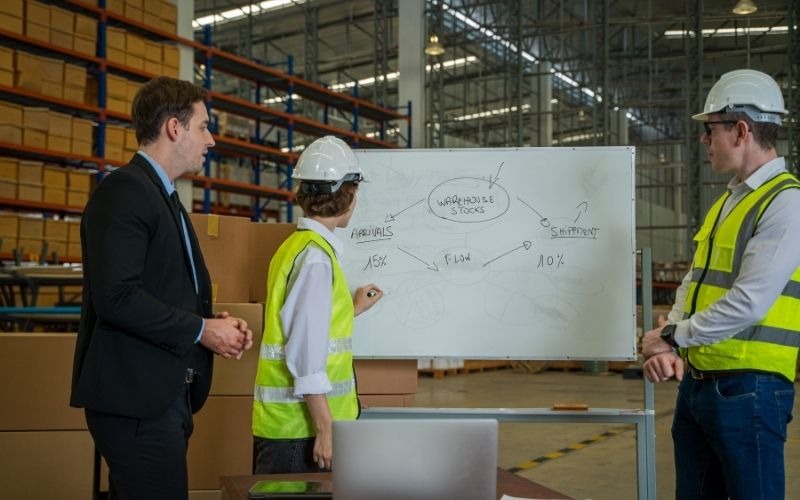
Deciding to use a 3PL is a matter of whether your internal logistics have become a limiting factor. Growth often exposes these constraints first: what worked for 50 orders a day might fail at 200. Warehouses run out of space, errors increase, and staff can’t keep up.
Adding headcount or renting more space may solve immediate issues, but the real problem is that logistics has become a full-time operation requiring expertise you may not have.
Complexity adds another layer. Single-location operations with one fulfilment channel are manageable. But when your business expands: multiple regions, direct-to-consumer alongside wholesale, or inventory across several warehouses, coordination becomes a challenge. Here’s when partnering with a 3PL typically makes sense:
- Order volume consistently exceeds internal capacity, not just during peak periods.
- Multi-location distribution is needed, but managing multiple sites internally creates overhead.
- Omnichannel fulfilment demands real-time visibility and flexible routing that your systems can’t support.
- Seasonal or promotional spikes require rapid scaling, without wasting resources on idle infrastructure during slower periods.
Also Read: Supply Chain & Freight Shipping Logistics Services in India
How Pazago Enhances Export Operations Beyond 3PL Coordination
While 3PL providers manage warehousing, transportation, and order fulfilment, exporters still face execution gaps once shipments move across ports, carriers, and timelines.
Pazago supports exporters at this logistics execution layer by strengthening freight planning, shipment coordination, and visibility across export movements.
Here’s how Pazago helps exporters maintain smoother export operations:
- Confirmed Container Bookings and Coordinated Loading: Pazago helps exporters secure container space in advance and align loading schedules with factory, CFS, or port timelines. This reduces last-minute rollovers and dispatch inconsistencies that often lead to downstream delays.
- Predictable Freight Rates Across Key Trade Lanes: Through long-term relationships with shipping lines and logistics partners, Pazago supports exporters with more stable freight pricing, enabling better shipment planning and cost predictability.
- Real-Time Shipment Visibility and Structured Updates: Exporters receive regular updates on container movement, vessel ETD and ETA changes, transhipments, and in-transit milestones. This visibility helps teams stay informed and respond faster when exceptions arise.
- Pre- and Post-Shipment Coordination Support: Pazago assists with ongoing coordination around booking timelines, shipment handovers, and movement updates, helping exporters maintain consistency across freight execution stages.
- Clear Alignment Between Shipment Execution and Export Records: By keeping freight movements structured and transparent, Pazago helps exporters reduce execution-level inconsistencies that often complicate documentation follow-ups, bank queries, or buyer communication later.
Conclusion
In modern supply chains, success is built on confidence, predictability, and responsiveness. True efficiency doesn't just come from speed or cost savings, but from aligning your operational capabilities with the realities of demand, variability, and risk.
When businesses utilise systems and partners that can execute with precision, they free up space to focus on strategy, growth, and building customer trust. For exporters managing global trade, this clarity is especially crucial.
Pazago provides that clarity. By centralising every operational step and payment into a single transparent framework, Pazago helps exporters manage even the most complex international logistics with confidence and efficiency.
Ready to streamline your export operations and gain full control?
Contact us to see how Pazago can transform your logistics and help you scale with ease.
FAQs
1. Which industries benefit most from 3PLs?
Industries with complex or specialised supply chains, like healthcare, automotive, electronics, and e-commerce, gain from 3PL expertise without building in-house logistics teams.
2. How do 3PLs support sustainability?
They optimise delivery routes, consolidate shipments, and operate energy-efficient warehouses, helping companies significantly reduce their overall carbon footprint.
3. Can 3PLs manage reverse logistics?
Yes. 3PLs handle returns, refurbishing, recycling, and full product lifecycle tracking to ensure compliance, reduce waste, and improve operational control.
4. How do 3PLs help with international trade compliance?
They manage customs documentation, tariff classifications, and import-export regulations, minimising delays, fines, and other risks in cross-border shipping.
5. What role do 3PLs play in risk management?
3PLs provide contingency plans, backup suppliers, and alternative shipping routes to reduce disruptions from natural disasters, labour strikes, or supply shortages.