.png)


Forecasting the Indian Logistics Market (2026): Trends and Opportunities
Optimize your business: use unlimited savings with Pazago fulfilled now!
Get Started ->A confirmed booking does not guarantee a smooth shipment. Many Indian exporters realise this only when vessels roll over, containers are delayed, or freight rates rise after quotes are shared. As the logistics market size in India is projected to reach ₹120 trillion by 2035, capacity is tightening, and pricing pressure is increasing. Your overseas buyer does not see port congestion or equipment shortages; they see a missed deadline and a reason to question your reliability.
This is why forecasting matters. When you understand how the logistics market size in India is evolving toward 2026, you can plan contracts better, choose routes more carefully, and build buffers into buyer timelines before problems occur. A clear view of where India's logistics market is heading gives you stronger control over margins, timelines, and buyer trust.
This blog explores where the market is headed by 2026, what is driving the growth, which segments will outperform, and where the real opportunities lie.
Key Takeaways:
- Understanding the evolving logistics market size in India helps exporters plan freight, routes, and timelines more effectively.
- Growth drivers include manufacturing expansion, infrastructure upgrades, multimodal corridors, port modernisation, and technology adoption.
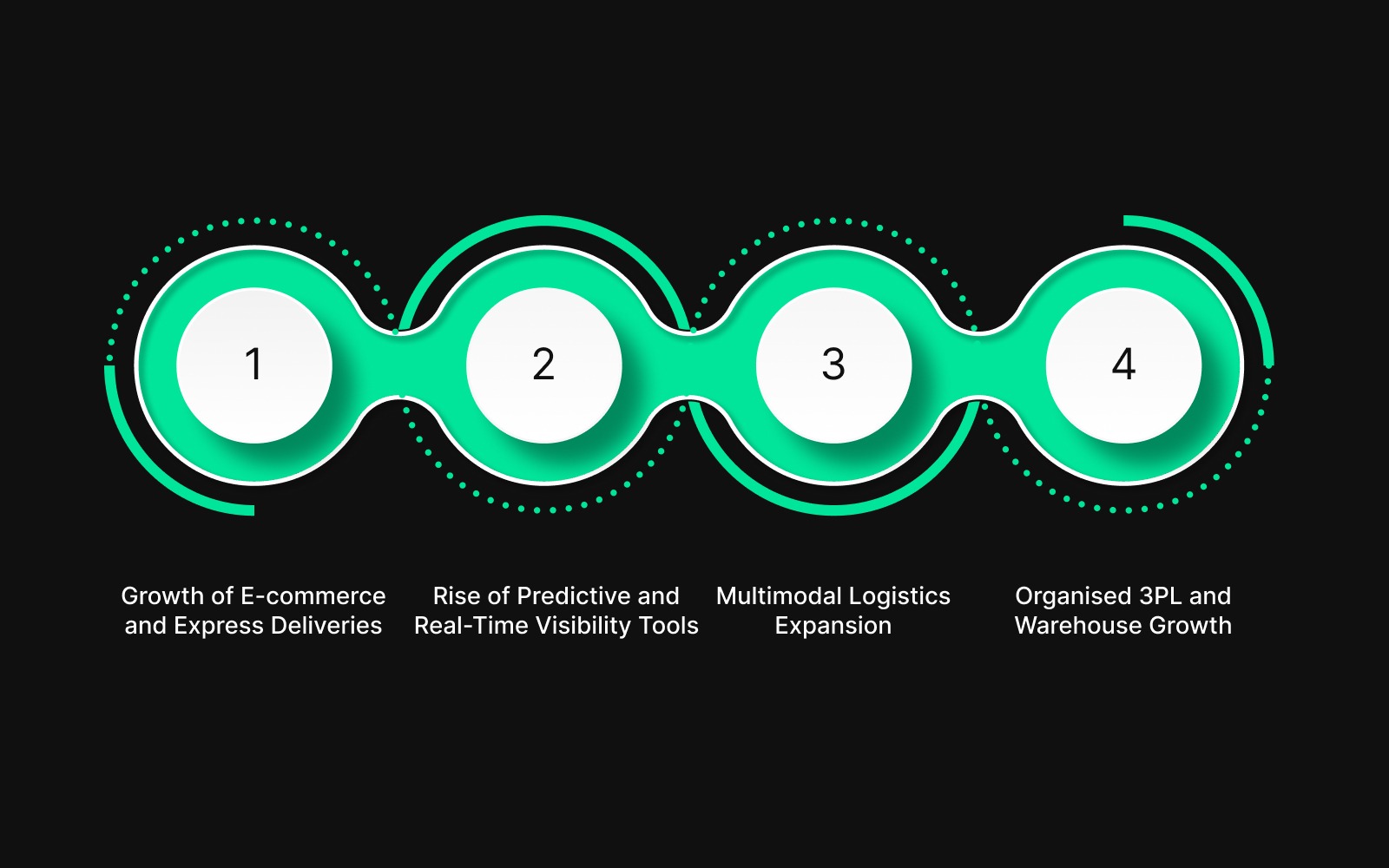
- Key trends shaping 2026 include e-commerce growth, predictive visibility tools, multimodal logistics, and organised 3PL and warehousing networks.
- Emerging opportunities lie in cold chain logistics, coastal and inland waterway transport, tier-II/III nodes, and digital freight platforms.
- Exporters must manage freight costs, monitor shipments, coordinate multimodal routes, ensure documentation accuracy, and build contingency buffers to stay competitive.
Growth Factors Driving the Logistics Market Size in India

The logistics market size in India is expanding not just in scale but in structural importance. For Indian exporters, these growth drivers directly affect freight costs, container availability, inland transit reliability, and port congestion patterns.
Below are the key enablers shaping growth:
- Expansion of Manufacturing & Exports: India’s manufacturing output and export activity across goods such as textiles, engineering products, and pharmaceuticals are rising, boosting demand for freight and logistics capacity.
- Policy-Led Infrastructure Push: Initiatives like PM Gati Shakti and the National Logistics Policy aim to improve multimodal connectivity and reduce logistics cost intensity, helping exporters move goods faster and at lower cost.
- Dedicated Freight Corridors & Rail Expansion: Completion of key Dedicated Freight Corridors enhances rail freight capacity, offering cost-competitive inland transport options for exporters.
- Road Network Upgrades: Continued investment in national highways and port connectivity projects reduces transit times between industrial clusters and export gateways.
- Port Modernisation & Privatisation: Port infrastructure upgrades and strategic privatisation efforts are increasing handling capacity and helping exporters move shipments more reliably.
- E-Commerce Led Logistics Demand: Rapid expansion of the e-commerce ecosystem is driving warehousing and freight needs, indirectly increasing capacity investment that exporters can also use to manage deliveries efficiently.
- Multi-Modal Cargo Terminals (GCTs): New Gati Shakti Multi-Modal Cargo Terminals connect road, rail, and waterways, giving exporters alternative routes and more predictable cargo movement.
- Digitisation and Supply Chain Technologies: Using electronic tracking and digital platforms helps exporters see where shipments are at all times and manage delays before they affect delivery commitments.
Understanding these factors helps exporters anticipate cost fluctuations and operational bottlenecks before they impact buyer commitments.

Key Trends Defining Indian Logistics Market in 2026
The logistics market size in India is expected to grow steadily through 2026, but the nature of that growth is changing. Exporters must prepare for structural shifts rather than incremental improvements.
The following trends will define how goods move internationally from India over the next few years.
1. Growth of E-commerce and Express Deliveries
India’s e-commerce logistics market was valued at over $10.8 billion in 2025 and is expected to continue expanding due to wider platform penetration across tier-II and tier-III cities.
For exporters, this upward trend means:
- Increased demand for last-mile logistics infrastructure
- Growth in parcel volumes that affect freight availability during peak seasons
- Higher competition for the limited transport capacity, driving rate volatility
This makes proactive freight booking and careful scheduling critical to avoid cost spikes and delivery delays, especially during festive or peak export periods.
2. Rise of Predictive and Real-Time Visibility Tools
The demand for real-time cargo visibility isn’t driven by tech fascination; it stems from exporters' needs to communicate with overseas buyers, handle exceptions proactively, and base decisions on confirmed, not static, ETDs.
Adoption of GPS tracking, IoT shipment sensors, and tools that predict delivery times is growing rapidly, especially in express and containerised freight segments.
This trend changes exporter expectations around:
- Response time to shipment exceptions
- Predictability of delivery windows
- Ability to automate communication with buyers
3. Multimodal Logistics Expansion
India’s multimodal freight pathways, integrating road, rail, waterways, and coastal shipping, are gaining focus. Inland waterways offer lower-cost options for heavy shipments, helping reduce road congestion and fuel costs.
For exporters, multimodal options mean:
- Choice between cost savings and transit speed
- Potential mitigation of shortages in one mode (e.g., container/chassis availability)
- New corridors that can bypass urban bottlenecks
4. Organised 3PL and Warehouse Growth
Third-party logistics providers and professional warehousing are becoming increasingly structured and scalable.
What’s happening:
- Grade‑A warehousing and distribution facilities near key transport hubs are growing in number.
- 3PL players are evolving from fragmented service providers to partners who offer clearer tracking, booking, and handling processes.
- Warehousing demand hit record leasing levels as logistics users seek storage flexibility and regional reach.
By using organised 3PL networks effectively, exporters can reduce operational friction while maintaining cost and timeline predictability.
Recognising these trends helps exporters adjust strategies before risks materialise.
Emerging Opportunities in High-Growth Segments
While infrastructure and trends shape the broader market, specific segments are emerging as opportunity zones for exporters willing to rethink logistics strategies.
Below are key opportunity areas expected to gain momentum by 2026.
1. Cold Chain and Temperature-Controlled Freight
Temperature-controlled logistics is expanding due to rising pharma and agri exports. Exporters of perishable or regulated goods need reliable cold chain capacity to maintain product quality from origin to destination.
The investment here often yields:
- Reduced risk of spoilage and delay penalties, protecting exporter margins
- Stronger buyer confidence for regulated shipments
- More predictable delivery schedules, lowering the chance of rejected cargo
2. Coastal Shipping and Inland Waterways
India’s push towards coastal and inland waterway freight represents a major shift from traditional road-centric logistics. These modes can dramatically cut freight costs for bulk and heavy consignments and reduce carbon footprint.
For exporters, this means:
- Lower transportation expenses for large export shipments
- Alternative routes when road congestion causes delays
- Closer port access to production clusters, reducing transit time and delivery uncertainty
3. Tier-II and Tier-III Logistics Nodes
Logistics infrastructure is no longer limited to major metros. Logistics parks and container freight stations near Tier-II and Tier-III manufacturing hubs are reducing transit distances for export cargo, pulling port connectivity closer to production clusters.
This opens up:
- Cost-effective consolidation points, cutting handling and inland freight costs
- Faster customs clearance at inland locations
- More predictable loading and dispatch windows, supporting timely delivery to buyers
4. Digital Freight Platforms
Digital load-matching platforms and freight marketplaces are giving exporters new tools to plan, compare, and secure carriage without prolonged manual negotiation. These platforms aggregate carrier options, rates, and schedules, enabling more informed decisions on shipment timing and costs.
For exporters, this means:
- Clear visibility into rates and transport options, helping avoid last-minute surprises
- Reduced risk of capacity shortages disrupting delivery commitments
- More reliable tracking and communication, keeping buyers informed
By utilising digital freight platforms, exporters gain cost predictability and more reliable shipments in volatile market conditions.

Challenges in the Indian Logistics Sector
Despite reforms and growth, exporters still face operational vulnerabilities. Identifying these early reduces exposure to delays and margin erosion.
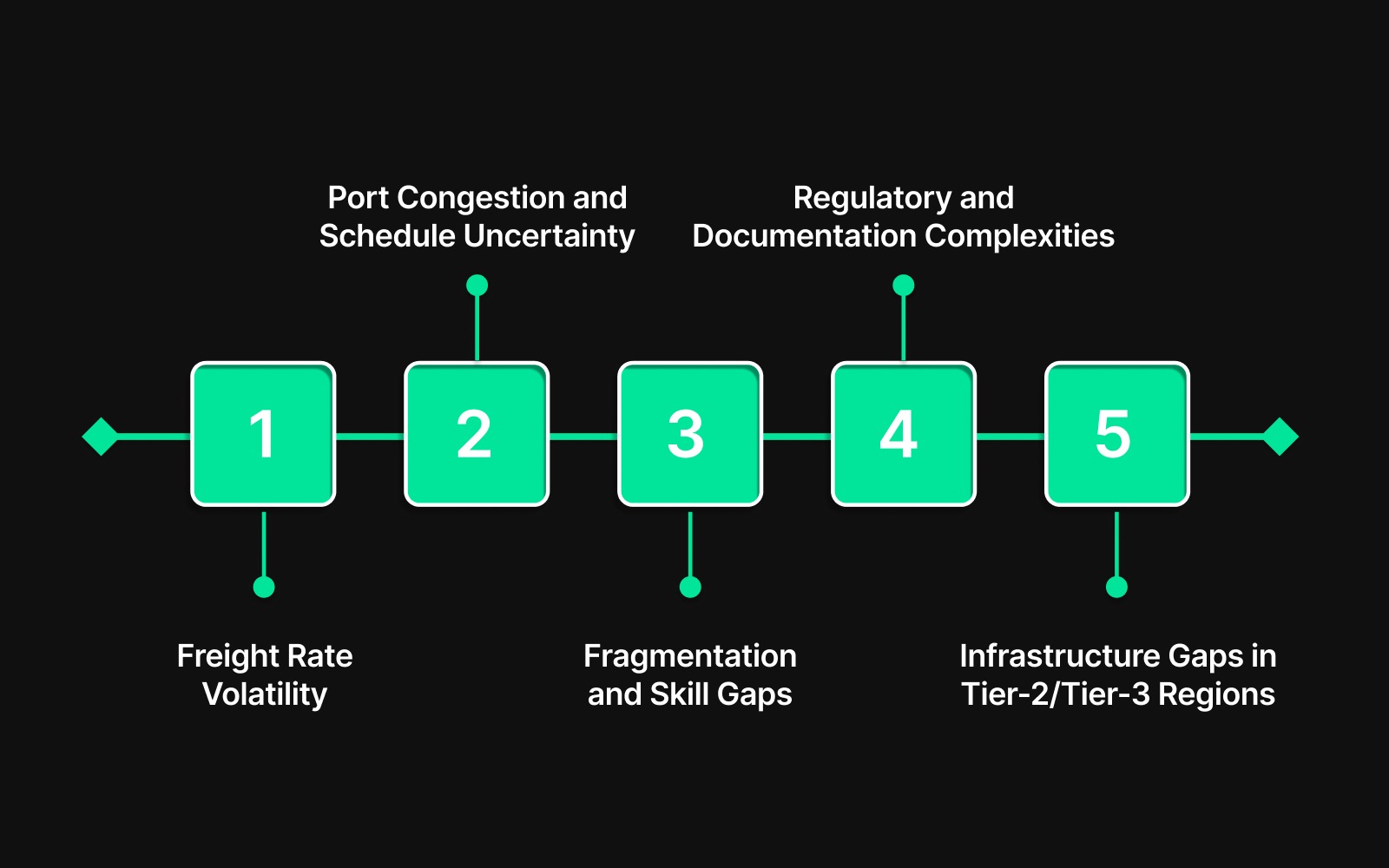
- Freight Rate Volatility: Rates fluctuate due to global demand, fuel costs, and capacity adjustments. Exporters relying on spot bookings risk sudden margin pressure and may need to revise quotes frequently.
- Port Congestion and Schedule Uncertainty: Vessel delays, cut-off changes, and transshipment shifts disrupt delivery timelines. Relying only on initial ETDs can lead to missed buyer commitments.
- Fragmentation and Skill Gaps: India’s logistics sector includes a wide range of small operators, uneven digital adoption, and skill shortages. Execution quality can vary by region and service partner, affecting reliability.
- Regulatory and Documentation Complexities: Although customs digitalisation is progressing, documentation errors, compliance gaps, and inter-departmental variations still cause holds and fines at ports, especially for regulated exports.
- Infrastructure Gaps in Tier-2/Tier-3 Regions: Inland connectivity issues, limited multimodal options, and local transport inefficiencies can affect timely cargo movement.
Understanding these challenges helps exporters prepare mitigation strategies, protecting margins and maintaining buyer trust.
What Businesses Must Do to Stay Competitive by 2026?
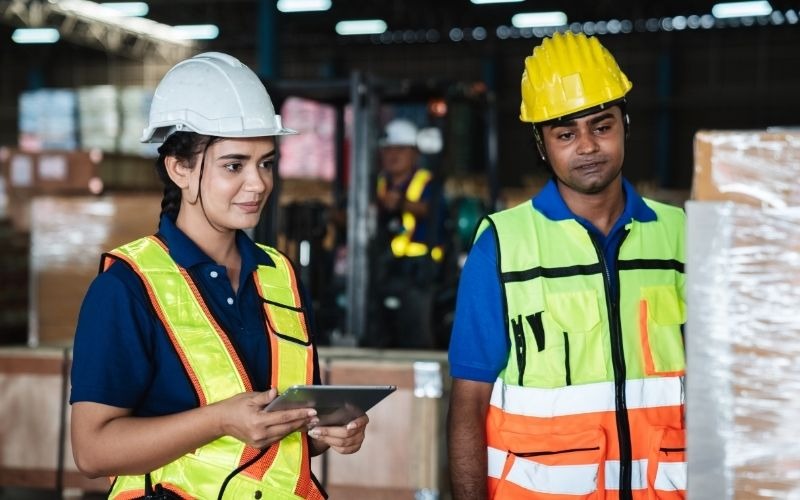
Forecasting growth in the logistics market size in India is useful only if exporters translate insights into action. Businesses must strengthen internal controls and planning mechanisms.
The following actions will define competitive exporters over the next three years.
- Lock Predictable Freight Costs: Negotiate structured or quarterly freight rates to reduce exposure to sudden price spikes and support accurate buyer quotations.
- Monitor Shipments Daily: Implement routines to track vessel ETDs/ETAs, container movement, and BL status. Daily updates reduce buyer anxiety and prevent last-minute surprises.
- Coordinate Inland Dispatch with Multimodal Routes: Align factory readiness with rail, road, or coastal schedules to avoid missing cut-offs or causing delays at ports.
- Invest in Documentation Accuracy: Ensure packing lists, HS codes, shipping bills, and BL processes are double-checked to avoid penalties, holds, or shipment delays.
- Build Contingency Buffers: Allow extra time for possible schedule changes, port congestion, or transshipment delays to keep deliveries reliable.
These actions can be implemented with experienced logistics partners like Pazago, who understand exporter pressure.
Also Read: Understanding Logistics Challenges and How to Overcome Them
How Pazago Can Help Businesses Navigate India’s Logistics Transformation?
As the logistics market size in India expands and becomes more complex, exporters require stronger control across booking, transit, and post-shipment stages.
Pazago focuses specifically on helping Indian exporters manage logistics risk within this evolving ecosystem.
- Predictable Freight Planning: Exporters gain access to more predictable, competitive freight rates through Pazago’s long-term relationships with shipping lines, reducing the risk of last-minute rate spikes and supporting accurate buyer quotations.
- Assured Container Booking & Loading Coordination: Pazago ensures containers are confirmed and coordinated for timely release at factories or CFS/ports, helping exporters avoid missed cut-offs and costly rollovers during peak seasons.
- Daily Shipment Visibility with DSRs: Exporters receive Daily Status Reports covering container movement, vessel ETD/ETA updates, transshipment alerts, and BL status, allowing proactive buyer communication and reducing operational stress.
- Pre- and Post-Shipment Support: Pazago guides exporters on documentation, schedules, and BL processes, both before and after shipment, preventing errors, delays, and compliance issues that can impact buyer timelines.
- Support Across Exporter Sizes: Whether managing a single LCL shipment or 100 containers, Pazago provides consistent attention and guidance, ensuring first-time exporters and large enterprises alike can operate with confidence.
By combining visibility, coordination, and reliable freight planning, Pazago helps exporters navigate India’s evolving logistics market with control, predictability, and operational clarity.
Conclusion
India’s logistics sector is on track for strong growth through 2026, supported by policy reforms, infrastructure expansion, digital tracking systems, and rising export demand. The logistics market size in India will continue expanding, but that growth brings both opportunity and operational pressure for exporters.
Indian exporters must focus on cost forecasting, documentation discipline, equipment assurance, and continuous shipment monitoring. Those who treat logistics as a strategic control function rather than a transactional booking activity will be better positioned to protect buyer relationships and margins.
If you are preparing your export operations for 2026 and beyond, Pazago can support you in navigating freight volatility, visibility gaps, and coordination challenges with greater confidence. Contact us today.
FAQs
1. How are multimodal logistics parks expected to transform supply chains through 2026?
Multimodal logistics parks will streamline freight movement by integrating rail, road, and ports, reducing transit times and costs. By enabling centralised storage, faster cargo handling, and better connectivity, they are expected to enhance supply chain efficiency and reliability for Indian exporters and domestic businesses.
2. What trends in warehousing automation are forecasted for the Indian market?
Indian warehousing is increasingly adopting automation, including robotics, AI-driven inventory management, and automated sorting systems. Through 2026, these technologies will boost efficiency, reduce manual errors, optimise space utilisation, and support faster order fulfilment, catering to growing e-commerce and export demands.
3. What role do government infrastructure initiatives like Bharatmala and Sagarmala play in logistics expansion?
Bharatmala and Sagarmala initiatives improve road and port connectivity, reduce transit bottlenecks, and promote efficient cargo movement. By upgrading highways, waterways, and coastal ports, these projects enhance logistics infrastructure, lower transportation costs, and facilitate smoother domestic and international trade operations.
4. How is the rise of electric vehicles impacting freight transportation forecasts to 2026?
The adoption of electric freight vehicles is projected to reduce carbon emissions and operational costs while increasing sustainability in logistics. Through 2026, EVs are expected to gradually replace conventional trucks on short- and medium-haul routes, reshaping cost structures and delivery patterns across India.
5. How significant is the cold chain logistics segment in India's growth projections to 2026?
Cold chain logistics is a critical growth driver, especially for pharmaceuticals, food, and perishable exports. With rising demand for temperature-controlled transport, improved infrastructure, and government support, this segment is projected to expand rapidly, ensuring product quality and reducing post-harvest losses by 2026.