.png)


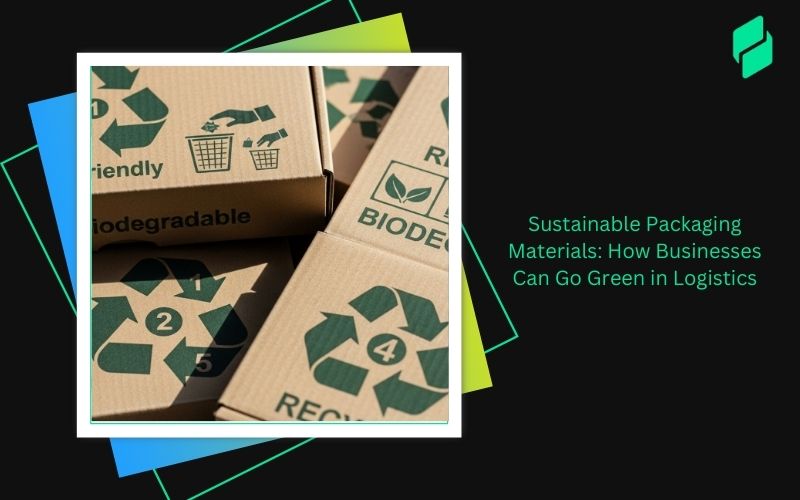
Sustainable Packaging Materials: How Businesses Can Go Green in Logistics
Optimize your business: use unlimited savings with Pazago fulfilled now!
Get Started ->Businesses around the world are increasingly realising that the way they package goods affects not only their environmental footprint but also their operational efficiency and brand reputation. Packaging waste in logistics contributes significantly to landfill accumulation and transport emissions, making packaging decisions an important part of supply chain sustainability.
Adopting eco-friendly packaging can help businesses reduce waste, lower carbon footprints, and improve day-to-day logistics performance. In fact, the global sustainable packaging market is expected to reach nearly USD 669.7 billion by 2035.
By choosing the right materials and strategies, businesses can create packaging solutions that are both environmentally responsible and logistically effective. This blog explores the various sustainable packaging options available today, practical strategies to go green in logistics, and the challenges businesses face.
Key Takeaways:
- Sustainable packaging materials reduce environmental impact while supporting smoother logistics operations, compliance, and buyer confidence.
- A wide range of sustainable packaging options, including recycled, biodegradable, compostable, and reusable materials, supports different product and shipping needs.
- Thoughtful packaging design, reuse systems, supplier collaboration, process optimisation, and reverse logistics help create greener logistics workflows.
- Cost, durability, compliance, and employee adoption challenges can be managed through testing, planning, training, and process alignment.
- Choosing the right packaging requires balancing product protection, environmental impact, cost efficiency, regulatory requirements, and what works best on the ground.
What is Sustainable Packaging and Why it Matters in Logistics?
Sustainable packaging refers to materials and design approaches that reduce environmental impact compared with conventional packaging. These materials often come from renewable resources, break down more easily in the environment, or can be recovered through recycling and reuse.

Here’s why it matters in logistics:
- Uses eco-friendly materials: Relies on recyclable, biodegradable, compostable, or reusable materials that reduce waste after delivery.
- Supports long-distance logistics: Keeps goods protected during extended transit periods without unnecessary or non-compliant packaging.
- Reduces logistics costs: Well-designed packaging uses fewer materials, reduces wasted container space, and helps cut freight expenses.
- Improves regulatory compliance: Helps businesses meet international packaging and environmental regulations, reducing the risk of fines or shipment delays.
- Builds buyer trust: Demonstrates environmental responsibility, which is increasingly important to global buyers and partners.
- Aligns sustainability with operations: Bring environmental goals into everyday export workflows instead of treating them as a separate effort.
By making packaging both practical and environmentally responsible, businesses can strengthen logistics performance while meeting growing sustainability expectations.
Also Read: Different Types of Packaging Materials and Their Uses
Common Sustainable Packaging Materials Used in Logistics Today
Businesses have many more options today when choosing packaging materials that are kinder to the planet. Each material listed below can be selected based on the product type and logistics needs.

- Recycled cardboard and paper: Made from post-consumer or post-industrial waste, recycled cardboard is widely used for export cartons and inner packaging. It reduces the need for raw materials and is easy to recycle across most countries.
- Biodegradable plastics: These materials break down faster than conventional plastics under controlled conditions. They are commonly used for shrink wraps, mailers, and protective films where flexibility and light weight are required.
- Compostable packaging materials: Derived from natural sources like cornstarch or cellulose, compostable packaging decomposes into organic matter. It is suitable for food items, perishables, and moisture-sensitive products in logistics.
- Reusable packaging solutions: Durable crates, pallets, and containers are designed for multiple shipping cycles. While the initial cost is higher, reuse reduces long-term packaging waste and recurring material expenses.
- Mushroom-based and plant-fibre packaging: These innovative materials provide cushioning similar to foam while being fully biodegradable. They work well for fragile goods and help reduce reliance on synthetic protective packaging.
- Paper-based protective fillers: Shredded paper, honeycomb wraps, and moulded pulp inserts replace plastic fillers. They offer effective cushioning while remaining recyclable and easy to dispose of responsibly.
- Recycled plastic packaging (rPET and similar materials): Made from recycled plastic waste, these materials lower the demand for virgin plastic. They are often used when moisture resistance and durability matter most during transit.
These materials help businesses reduce their environmental footprint while maintaining product integrity during long shipments.

Sustainable Packaging Strategies that Help Businesses Go Green in Logistics
Sustainable packaging is not just about material choice; it involves rethinking how packaging is designed and used in logistics processes.
Here are key strategies businesses can adopt to support greener operations and get better results.
1. Design Packaging for Material Reduction
Reducing the amount of packaging used is one of the most effective ways to limit environmental impact in logistics. Thoughtful packaging design helps businesses limit waste at the source while keeping products safe during transit.
- Right-size packaging: Use box sizes that closely match product dimensions to avoid excess fillers and empty space.
- Remove unnecessary layers: Eliminate redundant inner wraps, inserts, or secondary boxes that add no functional value.
- Optimise pallet layouts: Design packaging that stacks efficiently, improving space utilisation in containers and trucks.
This approach lowers material consumption and often results in reduced freight and storage costs.
2. Adopt Reusable Packaging Systems
Businesses can focus on reusable packaging for long-term use instead of single-shipment disposal. It works particularly well for businesses with repeat shipments or established return flows.
- Returnable crates and pallets: Use durable containers that can be collected and reused across multiple shipments.
- Closed-loop logistics: Set up return processes so packaging moves back into inventory instead of being discarded.
- Standardised packaging units: Use uniform sizes to simplify handling and tracking across the supply chain.
Over time, reusable systems reduce dependency on disposable materials and improve cost predictability.
3. Work with Sustainable Packaging Suppliers
Choosing the right supplier helps businesses build effective green packaging strategies. Reliable suppliers keep packaging consistent while supporting sustainability goals.
- Choose certified materials: Work with suppliers offering recyclable or compostable packaging with recognised certifications.
- Maintain supply continuity: Partner with vendors who can meet volume requirements without frequent material substitutions.
- Collaborate on innovation: Work with suppliers to find new packaging solutions suited to your product and trade routes.
Good relationships with suppliers make it simpler to put green packaging into practice.
4. Improve Packing and Handling Efficiency
Even the best materials can be wasted if packing isn’t done right. Better packing practices help teams reduce waste without changing materials.
- Train warehouse teams: Educate staff on correct packing methods to reduce overuse of packaging materials.
- Use packing guidelines: Define standard packing rules based on product type and shipping conditions.
- Introduce automation where possible: Automated packing systems help select optimal box sizes and fillers.
Better packing processes keep things consistent and reduce unnecessary material use across shipments.
5. Integrate Reverse Logistics for Packaging Recovery
Reverse logistics helps businesses recover packaging materials after delivery, supporting reuse and recycling goals.
- Plan packaging returns: Include packaging collection as part of delivery or return workflows.
- Sort materials at source: Separate reusable and recyclable materials early to simplify processing.
- Track recovered packaging: Monitor how often packaging is reused to measure environmental and cost benefits.
Reverse logistics strengthens circular packaging practices and reduces waste sent to landfill.
Implementing these strategies requires coordination across operations, logistics, and procurement teams. However, the long-term benefits include lower costs, improved customer satisfaction, and a stronger environmental reputation.
Also Read: Sustainability Strategies in Agri-Food Supply Chains
Challenges Businesses Face When Switching to Sustainable Packaging
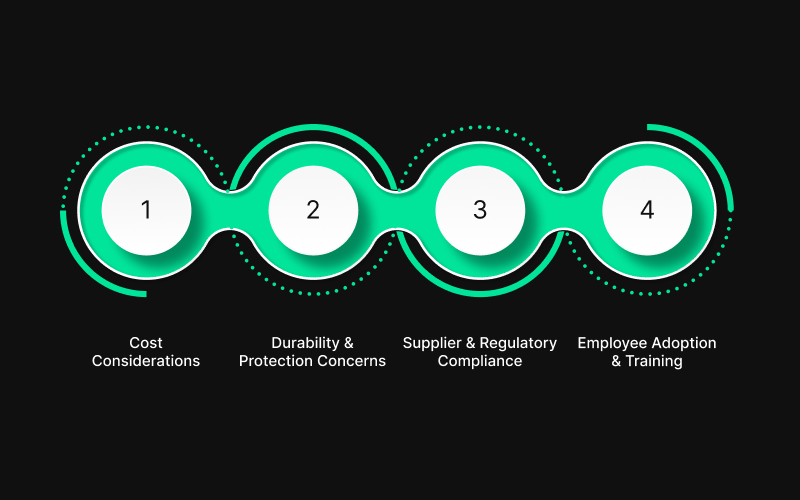
Switching to sustainable packaging comes with operational, financial, and logistical challenges. Understanding these issues and knowing how to handle them helps make adoption smoother.
1. Cost Considerations
Sustainable materials can cost more upfront than traditional options, particularly for bulk shipments.
How you can fix it:
- Conduct a cost-benefit analysis considering long-term savings from reduced waste and shipping efficiency.
- Source materials from local or certified suppliers to reduce transportation costs.
- Start with high-impact areas, such as primary packaging or high-volume products, before scaling.
2. Durability and Protection Concerns
Certain sustainable materials may offer less shock or moisture protection, posing risks for fragile or sensitive goods.
How you can fix it:
- Use multi-layered or hybrid packaging combining sustainable and protective layers.
- Conduct drop and transport tests to ensure material integrity.
- Train logistics teams on handling techniques specific to new materials.
3. Supplier and Regulatory Compliance
Making sure sustainable materials meet supplier capabilities and cross-border regulations can be tricky.
How you can fix it:
- Use a centralised platform to maintain records of materials and certifications.
- Align procurement with certified suppliers who meet local and international standards.
- Regularly update compliance checklists for materials and packaging processes.
4. Employee Adoption and Training
Teams used to traditional packaging may need extra guidance to adopt new materials and procedures.
How you can fix it:
- Conduct training sessions focused on the benefits and handling of new materials.
- Provide clear documentation and step-by-step packaging workflows.
- Use technology to enforce standards, such as auto-generated packaging instructions per order.
By addressing these challenges thoughtfully and proactively, businesses can adopt sustainable packaging with confidence and avoid disruption as they scale.
How to Choose the Right Sustainable Packaging Material for Your Business?
Selecting the ideal packaging material requires balancing environmental goals with practical logistics needs. Businesses need to weigh multiple considerations before settling on a solution.
- Product Type and Fragility: Heavier or fragile goods need stronger materials, whereas lightweight items can work well with compostable or paper-based alternatives.
- Environmental Impact: Consider the entire lifecycle of the material, from sourcing to disposal, to check if it aligns with your sustainability goals.
- Cost Considerations: Evaluate both short-term and long-term costs, including savings from reduced shipping weight and waste management.
- Compliance with Regulations: Ensure materials meet local and international laws regarding packaging, recycling, and disposal.
- Test, Learn and Optimise: Trial different materials on a subset of shipments, track damage rates, customer feedback, and disposal outcomes, then fine-tune your approach.
- Operational Feasibility: Check whether the packaging fits with your current logistics processes, machinery, and storage systems.
By taking a thoughtful, data‑driven approach, you can reduce guesswork and select sustainable packaging that suits both your operational needs and environmental goals.

While sustainable packaging improves environmental performance, its benefits are fully realised only when logistics execution remains efficient and predictable.
Pazago: Your Strategic Partner for Reliable Global Shipping
Pazago helps exporters coordinate freight planning, container bookings, and shipment visibility across international routes.
By bringing structure and predictability to cargo movement, Pazago supports smoother logistics execution alongside your operational and sustainability goals.
- Competitive Freight Rates: Secure stable pricing through extensive shipping line partnerships, protecting profit margins and providing cost certainty despite market shifts.
- Real-Time Shipment Visibility: Automated Daily Status Reports (DSRs) track vessel movements and delivery timelines, keeping buyers informed and ensuring operational transparency.
- Guaranteed Container Bookings: Reliable equipment allocation and synchronized loading at factories or ports help eliminate scheduling conflicts and costly cargo rollovers.
- Scalable Solutions for Every Business: Whether handling a single LCL shipment or high-volume enterprise logistics, exporters benefit from dedicated service and clear, upfront pricing.
This operational support allows businesses to focus on growth while maintaining a reliable and environmentally responsible supply chain.
Conclusion
Sustainable packaging materials help businesses reduce waste, improve freight efficiency, and meet growing environmental expectations across global trade. The right combination of material choice, packaging design, and process discipline creates measurable improvements in both cost and environmental impact.
Pazago supports exporters by keeping freight movement structured, predictable, and well-coordinated across shipping cycles. Strong logistics execution ensures that your sustainability efforts translate into real operational performance.
Looking to align your logistics operations with greater efficiency and discipline? Contact Pazago to strengthen control across your export shipments.
FAQs
1. What is a lifecycle assessment, and why apply it to sustainable packaging?
A lifecycle assessment (LCA) evaluates a product’s environmental impact from production to disposal. Applying it to packaging helps businesses identify hotspots, reduce waste, choose eco-friendly materials, and make informed decisions that minimise carbon footprint throughout the packaging lifecycle.
2. How does lightweight packaging lower carbon footprints in freight forwarding?
Lightweight packaging reduces the overall weight of shipments, allowing trucks, ships, and planes to use less fuel per unit transported. This decreases greenhouse gas emissions, cuts transportation costs, and supports more sustainable logistics operations without compromising product protection.
3. How can modular packaging improve disassembly and recycling efficiency?
Modular packaging is designed with interchangeable components that are easy to separate. This simplifies disassembly, reduces contamination of recyclable materials, and ensures efficient recycling, helping businesses achieve circularity goals and lower environmental impact.
4. What certifications should businesses look for in sustainable materials, like FSC?
Businesses should seek certifications such as FSC for responsibly sourced wood and paper, PEFC for sustainable forestry, and ISO 14001 for environmental management. These labels assure materials are eco-friendly, ethically produced, and comply with recognised sustainability standards.
5. Why collaborate with supply chain partners on green packaging initiatives?
Working with suppliers, logistics providers, and manufacturers ensures consistent, sustainable practices across the supply chain. Collaboration fosters innovation, reduces environmental impact, improves efficiency, and strengthens brand reputation by collectively promoting greener, more responsible packaging solutions.