.png)


International Trade is More Accessible for Indian SMEs: Here’s How
Optimize your business: use unlimited savings with Pazago fulfilled now!
Get Started ->In recent years, Micro, Small, and Medium Enterprises (MSMEs) have become a key driver of India’s economy, particularly in the export sector. Exports from Indian MSMEs have risen sharply, from ₹4.25 lakh crore in 2020-21 to ₹12.39 lakh crore in 2024-25. This growth highlights the potential for small businesses to succeed on a global scale.
Yet, many SMEs face challenges when venturing into international markets. From navigating complex regulations to ensuring timely delivery, the hurdles can feel overwhelming. As an SME owner, you may worry about how to break into foreign markets, deal with shipping delays, or manage compliance issues.
In this blog, we’ll explore the basics of international trade, why it matters for SMEs, and the key steps you need to take to begin exporting successfully. We'll also cover common challenges and offer insights into how to overcome them.
Key Takeaways:
- International Trade Basics: Exchange of goods and services between countries, offering businesses access to new markets and resources.
- Key Advantages for SMEs: Expands market reach, increases revenue, diversifies risks, and provides access to resources not available locally.
- Trade Entry Methods: Exporting, licensing, joint ventures, and direct investment offer different approaches for businesses entering international markets.
- Free Trade vs. Protectionism: Open trade promotes market access, while protectionism limits competition and can increase costs for SMEs.
- Common Trade Challenges: Export documentation, logistics, currency fluctuations, and compliance with international standards are significant hurdles for SMEs.
What is International Trade and Why Does it Occur?
International trade involves the buying and selling of goods and services between different countries. It involves exporting products to foreign markets and importing goods from other nations. This process plays a crucial role in connecting global economies and expanding market opportunities.
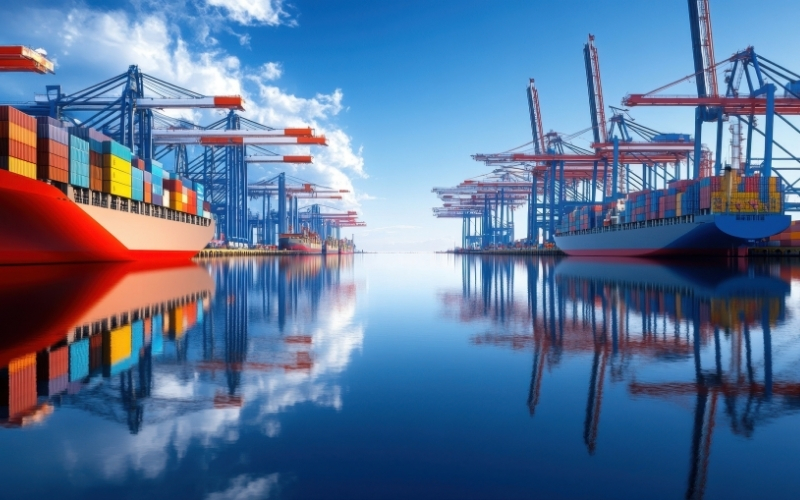
For example, India exports IT services, pharmaceuticals, textiles, and spices to countries such as the U.S. and the U.K., while it imports crude oil, machinery, and electronic components from nations like Saudi Arabia, China, and the U.A.E.
What Drives International Trade?
Countries engage in international trade because they can specialise in producing goods and services at lower costs. By focusing on what they do best, nations can trade for goods that are more expensive or difficult for them to produce locally. This allows businesses to access resources, products, and technology that may not be available in their own country.
Additionally, international trade helps countries meet the growing demand for a variety of goods. It allows businesses to reach larger, more diverse markets, which leads to increased revenue and job creation. As a result, trade supports both national and global economic growth.
Now that we understand the basic principles of international trade and why it happens, it’s important to examine how these concepts directly benefit SMEs.
Also Read: Your Step-by-Step Guide to Exporting from India
Key Benefits of Expanding into International Trade for SMEs
International trade offers SMEs a wide range of benefits that can significantly improve their growth prospects. It helps small businesses reach more customers, reduce dependence on a single market, and open doors to new possibilities. Engaging in global markets can make a substantial difference in an SME's bottom line.
Here are some key advantages:
- Market Expansion: Expanding beyond the domestic market allows you to reach more customers and increase sales potential.
- Increased Revenue: Entering international markets offers access to higher demand and pricing opportunities, boosting overall revenue.
- Risk Diversification: Relying on multiple markets reduces dependence on the domestic economy, helping protect against local downturns.
- Economies of Scale: Larger production volumes driven by international demand can lower per-unit production costs, thereby improving profit margins.
- Access to Resources: International trade opens doors to raw materials, technology, and expertise that may not be available locally.
- Improved Competitiveness: Competing on the global stage forces businesses to improve their products and processes, raising overall standards.
With the many advantages international trade offers, the next step is figuring out how your SME can enter the global market.
Different Ways SMEs Can Enter Global Markets
Entering global markets requires businesses to consider strategies tailored to their goals, resources, and target markets. Choosing the right mode of entry helps SMEs reduce risks and maximise success. It’s crucial to understand the different approaches before expanding internationally.

Exporting
Exporting is the most straightforward way for SMEs to enter international markets. By shipping goods directly to foreign customers, businesses can avoid the complexities of setting up operations abroad. This method is relatively low-cost and offers flexibility, allowing SMEs to test new markets before making significant investments.
Licensing and Franchising
Licensing allows a company to grant a foreign business the right to use its intellectual property, such as trademarks or patents, in exchange for royalties. Franchising, similar to licensing, allows a company to expand its brand globally through a local partner. These methods require less investment but involve sharing control over how products are sold.
Joint Ventures
A joint venture involves partnering with a foreign business to share resources, risks, and rewards. This entry mode allows SMEs to enter markets with local expertise and support. Joint ventures can help mitigate the challenges posed by cultural differences, regulatory hurdles, and competition in new markets.
Direct Investment
Direct investment involves establishing a subsidiary or a branch office in a foreign country. This method requires a significant financial commitment but gives SMEs full control over their operations abroad. Direct investment is ideal for businesses looking to establish a strong, long-term presence in foreign markets.
Once you’ve chosen a suitable entry mode, understanding the trade policies in place is crucial. Free trade and protectionism have different impacts on international business, especially for Indian SMEs.
Also Read: Your Step-by-Step Guide to Exporting from India
The Impact of Trade Policies on Indian SMEs: Free Trade vs. Protectionism
Free trade and protectionism are two opposing economic policies that significantly impact international trade. Free trade encourages countries to engage in open markets, while protectionism shields local industries from foreign competition through tariffs and restrictions. Understanding these policies is crucial for SMEs planning to enter global markets.
Here’s a comparison between free trade and protectionism to highlight their impacts on Indian SMEs:
Understanding the policies governing international trade is only part of the picture. To truly succeed in global markets, it’s essential to recognise the advantages your business offers.
What Gives Indian SMEs a Competitive Advantage in Trade
India's Micro, Small, and Medium Enterprises (MSMEs) possess inherent strengths that position them favourably in global markets. These advantages stem from factors such as labour costs, resource availability, and government initiatives. Recognising and leveraging these strengths can significantly enhance an SME's competitiveness internationally.

Here are the key sources of comparative advantage for Indian SMEs:
- Abundant Low-Cost Labour: India offers a vast pool of skilled and semi-skilled labour at competitive wages, thereby reducing production costs for labour-intensive industries such as textiles and garments.
- Rich Natural Resources: The country's substantial reserves of minerals, agricultural products, and energy resources lower raw material costs, benefiting sectors such as agriculture, mining, and energy-intensive manufacturing.
- Large Domestic Market: A significant domestic consumer base allows SMEs to achieve economies of scale, test products, and stabilise cash flows before venturing into international markets.
- Government Support Programmes: Initiatives such as the Pradhan Mantri Vishwakarma Kaushal Samman Yojana provide financial assistance, skill development, and marketing support to traditional artisans and small manufacturers, thereby enhancing their global competitiveness.
- Strategic Industrial Corridors: The development of industrial corridors, such as the Delhi–Mumbai Industrial Corridor, improves infrastructure and connectivity, reducing logistics costs and facilitating smoother trade for SMEs.
- Digital Adoption: Over 73% of MSMEs in semi-urban and rural India have reported business growth through the adoption of digital tools, leading to increased income and operational efficiency.
- Export-Friendly Policies: The reinstatement of the Remission of Duties and Taxes on Exported Products (RoDTEP) scheme provides exporters with tax refunds, making Indian products more competitive in international markets.
- Skilled Workforce Initiatives: Programmes that enhance vocational skills and technical training ensure a steady supply of skilled labour, crucial for sectors that require specialised knowledge and precision.
While India’s SMEs have a strong comparative advantage, entering international markets is not without its challenges.
Also Read: Meaning and Objectives of EXIM Policy in Export Trade
Top Obstacles Indian SMEs Face in International Trade
Expanding into international markets presents significant challenges for Indian SMEs. These obstacles can hinder growth and complicate the export process. Understanding and addressing these issues is crucial for successful global expansion.
Here are some of the primary challenges faced by Indian SMEs in international trade:
- Complex Export Documentation: Exporting requires a multitude of documents, including invoices, packing lists, certificates of origin, and customs declarations. Missing or incorrect paperwork can lead to shipment delays, fines, or even confiscation of goods.
- Currency Fluctuations: Exchange rate volatility can significantly impact profitability. A sudden depreciation of the Indian Rupee can increase the cost of imported raw materials, while appreciation can make Indian exports more expensive and less competitive abroad.
- Logistical Challenges: Inefficient infrastructure, such as congested ports and inadequate warehousing facilities, can lead to delays and increased costs. These logistical issues can affect timely delivery and customer satisfaction.
- Government Regulations and Tariffs: Frequent changes in export policies, tariffs, and trade agreements can create uncertainty. For instance, the U.S. has imposed tariffs on certain Indian goods, impacting exporters' margins and competitiveness.
- Quality Standards Compliance: International markets often have stringent quality and safety standards. Meeting these requirements necessitates investment in quality control processes and certifications, which can be resource-intensive for SMEs.
Limited Access to Finance: Many SMEs struggle to secure funding for expansion due to a lack of collateral, high-interest rates, and stringent lending criteria. This financial constraint limits their ability to invest in production, marketing, and compliance. - Cultural and Market Understanding: Lack of knowledge about foreign market preferences, consumer behaviour, and cultural nuances can lead to product mismatches and marketing failures.
- Cybersecurity Risks: As digitalisation increases, SMEs face threats from data breaches and cyberattacks. Many small businesses lack the resources and expertise to implement robust cybersecurity measures.
- Supply Chain Disruptions: Global events, such as the COVID-19 pandemic, can disrupt supply chains, leading to shortages, delays, and increased costs. SMEs often lack the flexibility to adapt quickly to such disruptions.
- Intellectual Property Protection: Ensuring the protection of intellectual property rights in foreign markets can be challenging. SMEs may face difficulties in enforcing patents and trademarks, leading to potential losses.
Now that we’ve discussed the challenges faced by Indian SMEs in international trade, the good news is that solutions exist. Pazago can simplify many of these complexities, making international trade more accessible.
Also Read: Common Challenges and Issues in International Business
Simplifying International Trade for Indian SMEs with Pazago
From logistics and compliance to payment processing and shipment tracking, international trade can be cumbersome and time-consuming. Pazago offers a platform that simplifies these hurdles, providing a range of services to make global trade more accessible and manageable.
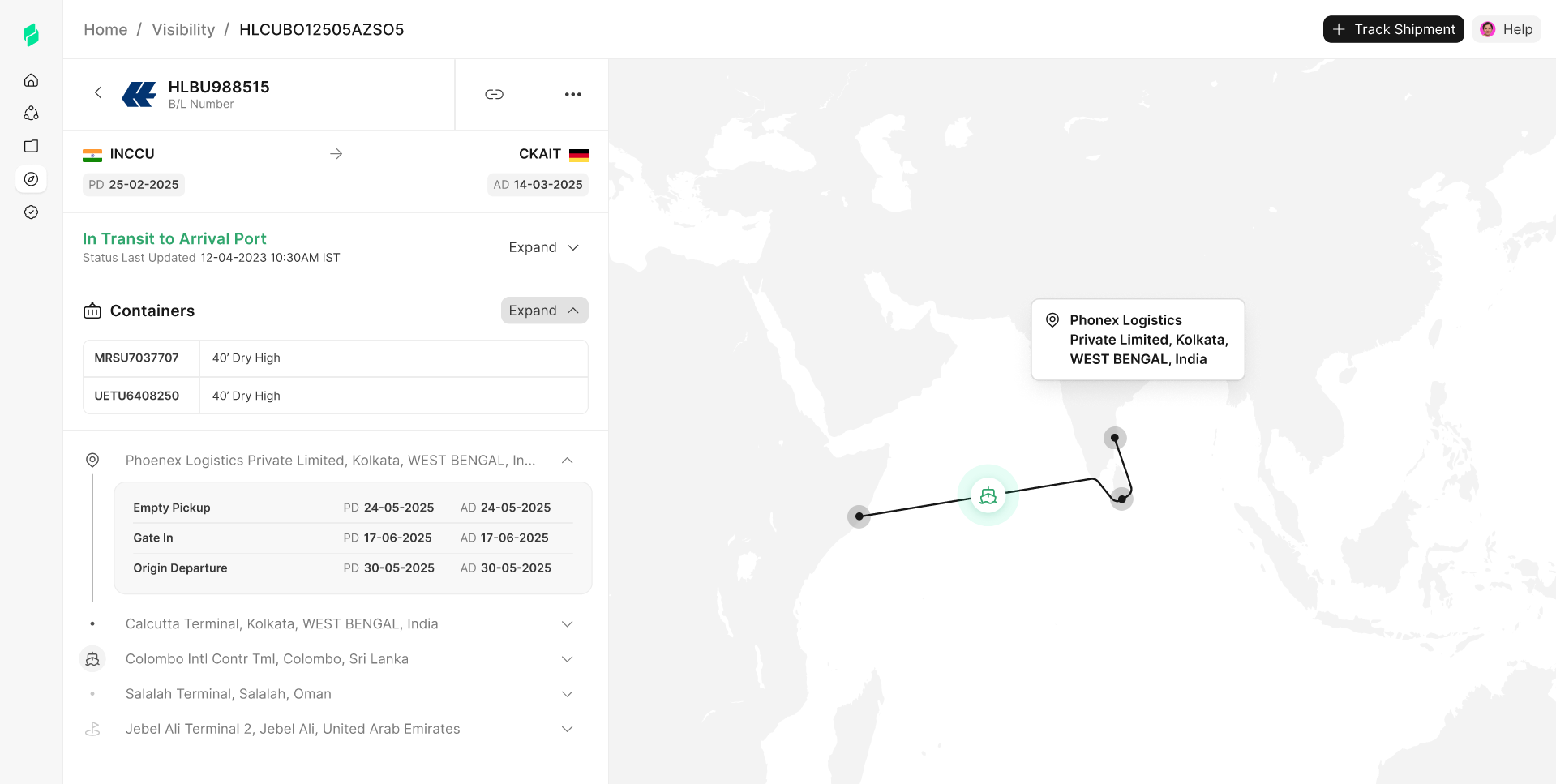
Here’s how Pazago simplifies the international trade process for SMEs:
- Centralized Order Management: Pazago’s Order Dashboard centralizes all export orders, allowing SMEs to efficiently manage order details such as buyer information, HS codes, and quantities from the outset.
- Global Shipping Access: Pazago connects SMEs with a vast network of over 180 shipping companies across more than 110 countries. This global reach gives you flexibility in choosing the best routes and competitive pricing for your exports, helping you minimize shipping costs and optimize your logistics operations.
- Real-Time Shipment Tracking: With Pazago’s real-time shipment tracking, businesses gain full visibility of their shipments at every stage of the journey. .
- Centralised Communication: Bring together all stakeholders, carriers, customs agents, and recipients into a single platform. This minimises confusion and accelerates the resolution of any issues.
- Centralized Documentation: Simplifies the paperwork involved in international trade by centralising all export-related documents. This helps ensure accuracy and timely submission to customs authorities.
- Multi-Currency Payment Support: With Pazago’s multi-currency support, you can handle transactions in multiple currencies, simplifying the management of international payments.
By addressing these common pain points, Pazago makes it easier for Indian SMEs to engage in international trade with confidence and efficiency.
Conclusion
Expanding into international markets offers Indian SMEs a range of opportunities, but it also comes with its own set of challenges. By understanding the key factors driving international trade and leveraging the right tools, SMEs can position themselves for success. Simplifying the trade process can make a huge difference in the journey toward global growth.
With Pazago, many of the complexities of international trade, such as shipping, compliance, and payment processing, are made easier. The platform supports SMEs by offering comprehensive solutions that save time, reduce risk, and ensure smoother operations.
Ready to simplify your international trade experience? Book a demo with Pazago today and discover how it can help your business grow globally with ease.
Frequently Asked Questions (FAQs)
1. What are the initial steps for an SME in India to start exporting goods?
Research potential markets, understand the necessary legal documents, and identify reliable shipping options. It’s also essential to check product-specific regulations in target countries.
2. How can SMEs handle international trade risks related to currency fluctuations?
SMEs can explore hedging strategies, work with financial experts, and use payment platforms that offer competitive currency conversion rates to reduce the impact of exchange rate fluctuations.
3. What are the most common barriers Indian SMEs face when entering global markets?
Barriers include complex documentation, regulatory challenges, logistical issues, and differences in market expectations, all of which can complicate the export process.
4. How do I choose the right mode of entry for my business in foreign markets?
It depends on your business goals, resources, and target market. Exporting is often the easiest option, but joint ventures or direct investment may be suitable for long-term growth.
5. What kind of support can Indian government programmes offer to exporters?
The Indian government provides several schemes, such as tax incentives, export promotion funds, and financial assistance programmes, to help businesses enter international markets and manage export operations effectively.