.png)


10 Key Logistics Challenges in Pharmaceutical Industry and Their Digital Solutions

Optimize your business: use unlimited savings with Pazago fulfilled now!
Get Started ->Exporting pharmaceuticals is complex, as most products are temperature-sensitive and strictly regulated. The global pharmaceutical logistics market is projected to exceed USD 140.13 billion by 2032, with nearly half of shipments needing strict temperature control and being at risk of damage during transit.
When exporters rely on separate systems for orders, documentation, and shipping, gaps can cause delays, compliance issues, and product spoilage. Simplified logistics ensure medicines reach patients safely, on time, and in line with regulations.
By unifying order management, documentation, and shipment tracking on a single platform, exporters gain visibility, control, and reduced operational risk.
This guide highlights key logistics challenges in the pharmaceutical industry and practical solutions to make exports safer, faster, and compliant.
Key Takeaways
- Pharmaceutical logistics is highly sensitive, subject to strict regulations, and requires a cold chain, making timely and safe delivery critical.
- Common challenges include regulatory complexity, temperature excursions, last-mile delivery, counterfeit risks, and demand fluctuations.
- IoT, AI, blockchain, cloud platforms, and automation improve visibility, traceability, inventory management, and compliance.
- Technology-led logistics ensures efficiency, compliance, and reliable delivery, and strengthens global trade competitiveness for Indian exporters.
What Is Pharmaceutical Logistics and Its Importance in the Industry

Pharmaceutical logistics is the specialised management of storing, transporting, and distributing medicines, vaccines, medical devices, and biopharmaceutical products across the supply chain.
Unlike regular logistics, pharmaceutical logistics must comply with strict safety, quality, and regulatory standards to maintain product integrity and patient safety from manufacturing through delivery.
In India, where the pharmaceutical industry is a key contributor to global drug exports, effective logistics are vital for timely, compliant distribution. Mishandling, temperature fluctuations, or delays can compromise drug efficacy, leading to health risks, regulatory fines, and supply chain disruptions.
Here’s why logistics is important in the pharmaceutical industry:
- Ensures Product Safety and Quality: Pharmaceutical logistics safeguards medications against spoilage, contamination, and counterfeit risks. Maintaining controlled storage and transportation conditions ensures that patients receive safe, effective, and high-quality products.
- Maintains Regulatory Compliance: Compliance with global standards like GDP, WHO, FDA, and EMA is mandatory. Proper logistics ensure that Indian exporters comply with international regulations on storage, documentation, and transportation, preventing delays or penalties.
- Supports Efficient Inventory Management: With short shelf lives and fluctuating demand, pharmaceutical logistics optimises inventory by accurately monitoring stock, rotating products, and replenishing items, reducing waste and operational costs.
- Facilitates Timely Delivery: Life-saving medicines and vaccines require speedy and reliable delivery. Robust logistics ensure timely transportation from manufacturers to hospitals, pharmacies, or export destinations, especially for temperature-sensitive products.
- Reduces Operational Risks and Costs: Optimised logistics reduces storage and transportation costs, minimises wastage, and mitigates risks of delays, regulatory penalties, and supply chain disruptions.
- Enables International Trade: A strong logistics framework allows Indian pharmaceutical companies to export products efficiently, comply with customs requirements, and maintain global partnerships.
- Enhances Patient Trust and Market Competitiveness: By ensuring consistent quality and timely delivery, pharmaceutical logistics strengthens trust among healthcare providers, patients, and international partners, giving companies a competitive edge in both domestic and global markets.
- Drives Operational Efficiency: A streamlined pharmaceutical supply chain reduces delays, improves warehouse utilisation, and enables faster response to market changes, which is particularly crucial for the fast-growing Indian pharma export sector.
In essence, pharmaceutical logistics is crucial to the healthcare supply chain, ensuring that medicines reach the right place at the right time and in optimal condition.
For Indian businesses, investing in robust logistics not only ensures regulatory compliance but also strengthens global trade capabilities.
Also read: Essential Shipping Documents Every Importer and Exporter Should Know
With the importance of pharmaceutical logistics clear, the next step is to understand the main challenges exporters face.
Top 10 Logistics Challenges in Pharmaceutical Industry and Solutions
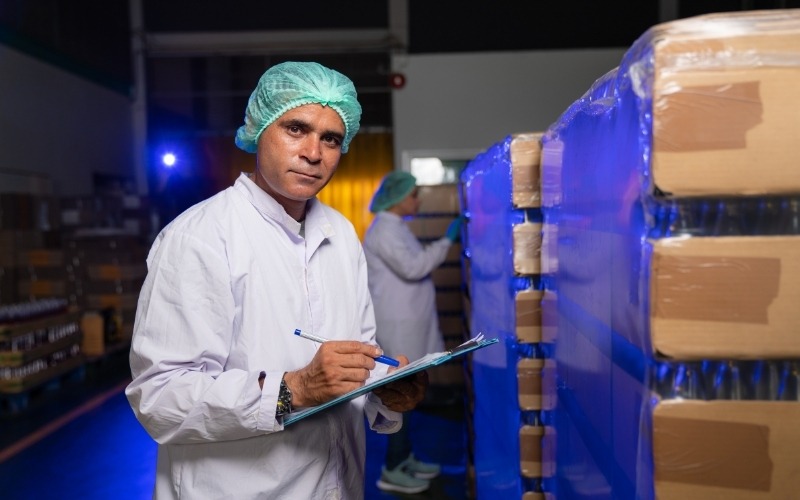
The logistics challenges in pharmaceutical industry go beyond standard cargo movement. Exporters must manage temperature-sensitive shipments, comply with multiple regulatory frameworks, coordinate long international supply chains, and maintain full visibility across each shipment stage.
When these processes rely on disconnected systems, emails, or manual tracking, delays and compliance risks rise quickly.
Below are the 10 major logistics challenges pharmaceutical exporters face today.
1. Regulatory Complexity in Pharmaceutical Import-Export
Challenge:
Pharmaceutical shipments in India must comply with CDSCO, DCGI, and local state regulations, while exports to target markets must meet FDA, EMA, and WHO requirements. Each country has its own documentation, labelling, and storage rules. Non-compliance can result in customs holds, shipment rejection, fines, or product recalls.
Solution:
Logistics partners like Pazago help pharmaceutical exporters reduce execution-related regulatory risk through reliable freight planning, coordinated document handovers, and consistent shipment follow-ups. With confirmed container bookings, stable freight rates, and daily shipment visibility, exporters can meet regulatory timelines and avoid delays during customs checks for time-sensitive pharma cargo.
2. High Sensitivity of Pharmaceutical Products
Challenge:
Medicines, vaccines, and biologics are highly sensitive to temperature, humidity, and handling conditions. Even minor deviations can compromise drug efficacy, risking patient health.
Solution:
IoT-enabled monitoring devices track temperature and humidity in real time throughout the supply chain. Alerts for deviations allow corrective action before product quality is affected. This also ensures compliance with Good Distribution Practises (GDP) during import and export operations.
3. Cold Chain Infrastructure Gaps
Challenge:
India’s cold chain infrastructure is improving but remains inconsistent. Many regions lack reliable temperature-controlled vehicles and warehouses, making long-distance shipments risky, especially for high-value vaccines and biologics.
Solution:
Digital cold chain platforms provide visibility into carrier and warehouse capabilities before shipment despatch. By mapping routes and monitoring temperature performance, you can ensure compliance with cold chain requirements and reduce spoilage risk.
4. Temperature Excursions During Transit
Challenge:
Port congestion, customs delays, and vehicle failures often lead to temperature excursions. Without real-time visibility, these incidents are detected too late, risking batch rejection or costly recalls.
Solution:
Predictive analytics tools examine historical data, route performance, and carrier reliability. Combined with live IoT monitoring, you can proactively address deviations, optimise routes, and maintain shipment integrity.
5. Last-Mile Delivery Challenges
Challenge:
The final delivery stage is particularly vulnerable. Urban congestion, poor cold storage at delivery points, and manual handling can compromise product safety and delay the delivery of critical medicines.
Solution:
Advanced route optimisation and real-time tracking solutions ensure that shipments reach hospitals, pharmacies, and distributors efficiently while maintaining cold chain compliance. Integration with delivery partners improves coordination and reduces delays.

6. Counterfeit Drugs and Product Diversion
Challenge:
Pharmaceuticals are high-value, making them targets for counterfeiting and diversion, especially during cross-border trade. Limited traceability increases patient safety risks and regulatory liabilities.
Solution:
Blockchain-enabled traceability creates tamper-proof shipment records at every stage. Coupled with serialisation and digital verification, you can confirm product authenticity, mitigate counterfeit risks, and satisfy regulatory audits.
7. Demand Volatility and Forecasting Inaccuracy
Challenge:
Demand for pharmaceuticals fluctuates due to seasonal illnesses, pandemics, regulatory approvals, or emergencies. Inaccurate forecasting leads to stockouts or overstock, impacting patient access and profitability.
Solution:
AI-powered demand forecasting tools analyse historical sales, seasonality, and market trends. This enables proactive inventory planning, aligning production and export schedules with real-time market needs.
8. Inventory Expiry and Shelf-Life Constraints
Challenge:
Pharmaceutical products often have limited shelf lives. Slow-moving stock, delayed shipments, or manual tracking errors increase the risk of expiry-related losses.
Solution:
Digital inventory management systems track batch-level expiry dates, storage conditions, and stock rotation. Automated FIFO and replenishment controls help reduce wastage and ensure efficient stock utilisation.
9. Limited End-to-End Supply Chain Visibility
Challenge:
Pharmaceutical supply chains involve multiple stakeholders: manufacturers, logistics providers, distributors, and customs authorities. Fragmented systems delay issue detection, reducing operational efficiency and compliance control.
Solution:
Cloud-based control towers consolidate shipment, documentation, and compliance data into one dashboard. This centralised visibility enables real-time decision-making, proactive exception handling, and faster resolution of supply chain bottlenecks.
Also Read: Advantages and Importance of International Trade
10. Supply Chain Disruptions and Risk Exposure
Challenge:
Natural disasters, pandemics, geopolitical events, or port strikes can abruptly disrupt pharmaceutical supply chains. Without contingency planning, these events cause shipment delays and medicine shortages.
Solution:
Digital risk management tools enable scenario planning, alternate routing, and supplier diversification. Combined with predictive alerts and monitoring, these tools help maintain supply continuity and minimise disruption impact.
With these challenges in mind, improving collaboration across all supply chain partners becomes essential.
How Optimising Supply Chain Collaboration Improves Pharmaceutical Logistics?
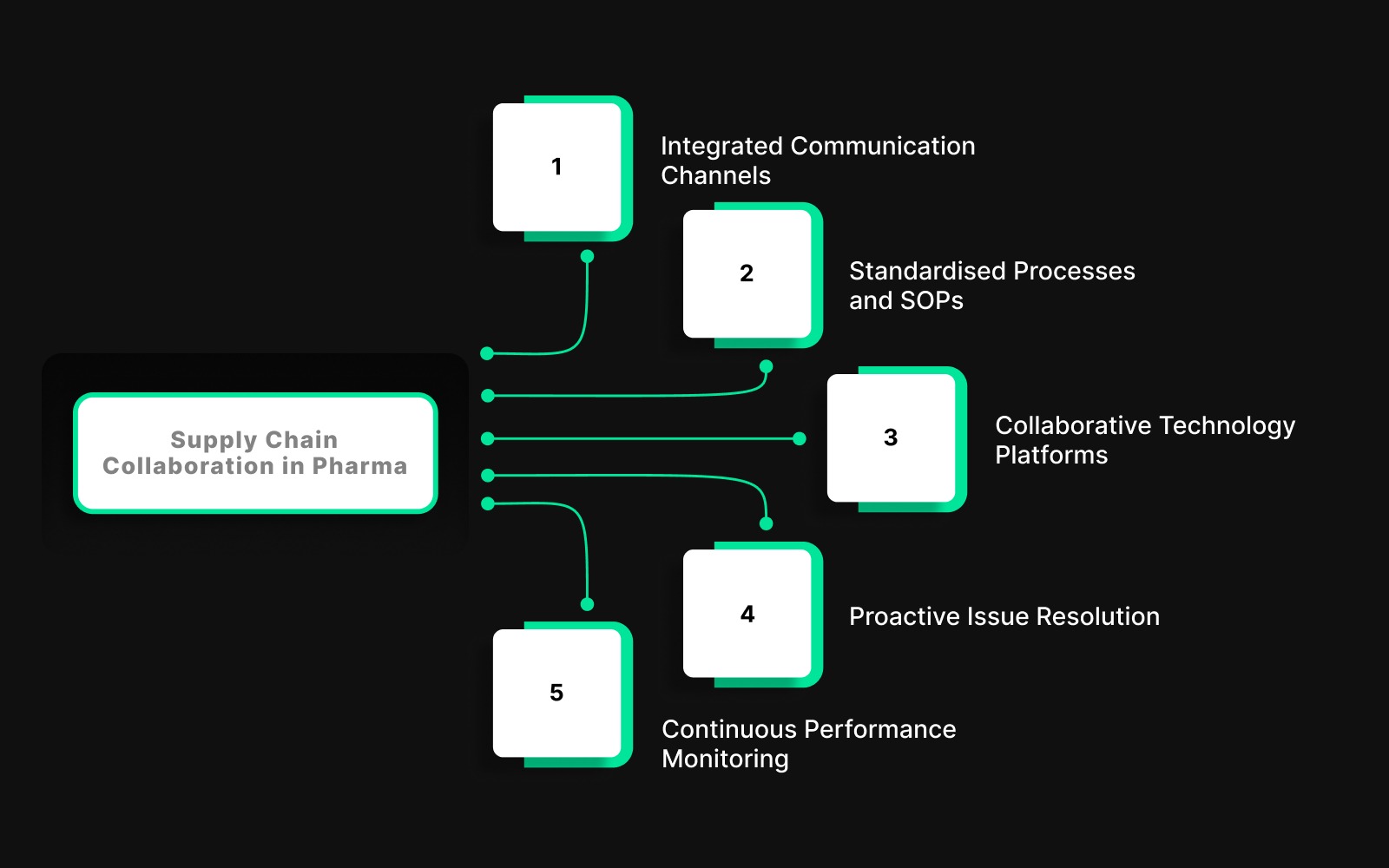
Effective collaboration across the pharmaceutical supply chain is crucial to overcoming logistics challenges. Manufacturers, distributors, logistics providers, and regulators must work together to ensure timely, safe, and compliant delivery.
- Integrated Communication Channels: Sharing real-time updates on shipment status, temperature conditions, and documentation ensures all stakeholders act quickly to prevent delays or quality issues.
- Standardised Processes and SOPs: Aligning procedures for handling, storage, and transportation across partners reduces errors and ensures regulatory compliance.
- Collaborative Technology Platforms: Cloud-based tools enable all parties to access the same order, shipment, and compliance information, improving transparency and accountability.
- Proactive Issue Resolution: Early detection of potential disruptions through shared dashboards allows teams to implement corrective actions, avoiding costly delays or product spoilage.
- Continuous Performance Monitoring: Tracking partner performance, carrier reliability, and compliance metrics helps identify areas for improvement and ensures consistent supply chain efficiency.
With better teamwork, pharmaceutical exporters can better protect temperature-sensitive products, comply with regulations, and deliver medicines safely.
Having identified the problems, the next step is to understand how smart technology can solve them.
7 Smart Technology Solutions for Pharmaceutical Logistics

Technology is transforming how pharmaceutical products are stored, transported, and delivered. In India’s growing pharma sector, using the right tech ensures medicines reach patients safely, on time, and in full compliance with regulations.
By adopting tools like IoT, AI, blockchain, and cloud platforms, companies can monitor shipments, prevent spoilage, and streamline operations. These technologies also provide real-time visibility and improve collaboration between manufacturers, distributors, and exporters.
Here’s a clear overview of key technologies and their benefits:
Maintains product efficacy, ensures regulatory compliance
How Pazago Helps Manage Logistics Challenges in Pharmaceutical Industry?
Pazago helps pharmaceutical exporters manage these logistics challenges by strengthening freight reliability, container execution, and shipment visibility across long international routes. The focus remains on reducing delays, maintaining predictable timelines, and supporting smooth movement for time-sensitive pharma cargo.
- Competitive freight rates through long-term industry relationships: Predictable freight pricing across key pharma routes helps exporters plan shipments and avoid last-minute cost or schedule disruptions.
- Comprehensive pre-shipment and post-shipment support: Ongoing coordination on schedules, cargo readiness, BL processes, and follow-ups keeps pharma shipments moving smoothly beyond booking.
- Assured container booking and smooth loading coordination: Confirmed containers, timely equipment release, and coordinated loading reduce rollovers and protect time- and temperature-sensitive cargo.
- Daily Status Reports (DSRs) for complete shipment visibility: Regular updates on container movement, ETD and ETA, transhipments, BL status, and alerts help exporters respond quickly to exceptions.
- Support for exporters of all sizes: From single LCL pharma shipments to high-volume movements, exporters receive consistent attention and transparent logistics support.
These logistics capabilities help pharmaceutical exporters reduce execution risk, avoid transit-related delays, and maintain better control over complex, time-sensitive international shipments.
Conclusion
Logistics challenges in pharmaceutical industry play a major role in product quality, regulatory compliance, and timely patient delivery. Strict temperature requirements, complex paperwork, demand fluctuations, and last-mile risks make pharmaceutical logistics highly sensitive and time-critical.
Even though these challenges are complex, a well-planned and technology-led approach makes operations more predictable and manageable. Digital systems, better shipment visibility, and compliance-focused processes help reduce risks while keeping supply chains efficient.
Looking to simplify pharmaceutical logistics without adding operational complexity? See how Pazago helps exporters reduce delays through reliable freight rates, assured container bookings, and clear shipment visibility for time-sensitive pharma cargo. Get in touch to see it in action.
FAQs
1. What makes logistics challenges in pharmaceutical industry unique?
Pharmaceutical logistics handles highly sensitive products under strict regulations, where delays or handling errors directly impact product safety.
2. Why is cold chain management a major concern in pharmaceutical logistics?
Temperature-sensitive medicines require continuous monitoring, as even brief temperature deviations can lead to product rejection.
3. How do regulatory requirements complicate pharmaceutical logistics?
Different countries enforce specific GDP, documentation, and labelling rules, increasing the risk of delays during customs clearance.
4. Why is inventory planning difficult in pharmaceutical supply chains?
Short shelf life and unpredictable demand make it challenging to avoid both shortages and product expiry.
5. How does technology help manage pharmaceutical logistics challenges?
Digital tools improve shipment visibility, automate compliance processes, and support better planning across cross-border movements.