.png)


Port of Loading in Export Shipping: Meaning, Role, and Key Factors
Optimize your business: use unlimited savings with Pazago fulfilled now!
Get Started ->As an Indian exporter, managing logistics can be a significant challenge. With various steps to handle, the Port of Loading (POL) plays a critical role in your success. Selecting the correct port can significantly impact your shipping costs, timelines, and overall efficiency.
Every step in the export process presents its own set of challenges. Port congestion, delays, customs clearance errors, and incorrect documentation often create roadblocks that can damage your business. These problems affect not only your bottom line but also your reputation as a reliable exporter.
In this blog, we'll explore the importance of the Port of Loading in your export process. We'll also cover the factors to consider when choosing a POL, required documentation, common challenges, and ways to ensure a smoother operation at the port.
Key Takeaways:
- The Port of Loading decides how quickly and cost-effectively shipments begin their overseas journey.
- Location, infrastructure, customs speed, and congestion strongly influence exporter choices.
- POL and POD serve different roles, both shaping costs, timelines, and compliance.
- Accurate paperwork at the POL prevents delays, penalties, and shipment disruptions.
- Weather, strikes, and documentation errors are common hurdles exporters must prepare for.
What is a Port of Loading?
A Port of Loading (POL) is the location where goods are loaded onto a vessel for export. It marks the starting point of the international journey, where the exporter's products begin their trip to foreign markets. This port plays a crucial role in setting the stage for the entire shipping process.
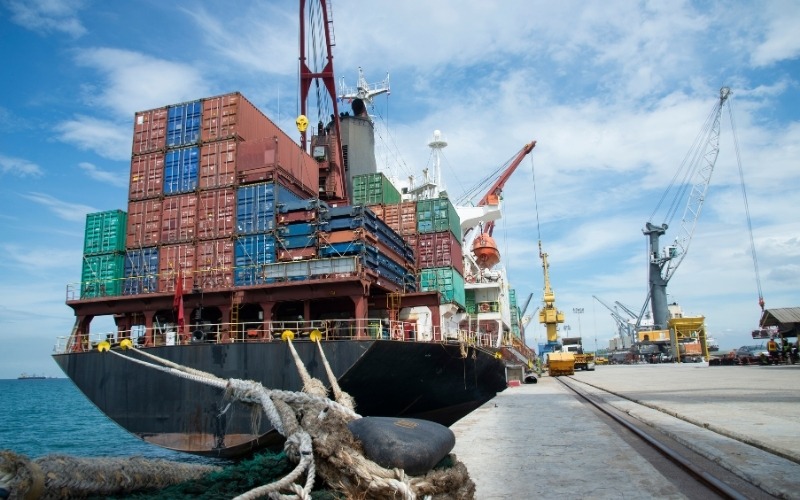
For example, if you're exporting textiles from Mumbai to Europe, Mumbai's port is your POL. Once the cargo is loaded onto the ship, it heads to its destination port, where it is then unloaded. Any delays or issues at the POL could disrupt the schedule and add unnecessary costs.
Understanding the meaning of a Port of Loading is only the first step; choosing the right one involves multiple practical and strategic considerations.
Also Read: POL In International Shipping Terms
What to Look for When Selecting a Port of Loading
Choosing the right Port of Loading (POL) is not as simple as picking the nearest port to your location. Several factors influence your decision and can impact the efficiency and cost-effectiveness of your export process. Understanding these elements can help you avoid unnecessary complications.
Here are key factors to consider when choosing a POL for your shipments:
- Location and Proximity to Manufacturing Facilities: A port near your production site can reduce inland transportation costs and minimize delays.
- Port Capacity and Infrastructure: A port with the proper infrastructure to handle your specific cargo type ensures smooth operations and fewer delays.
- Customs Efficiency: Ports with simplified customs procedures can speed up the export process, reducing the chances of unexpected delays at the port.
- Availability of Transport Options: A POL with good road, rail, and air transport connections makes it easier to move goods and reduces potential transport issues.
- Shipping Frequency: Some ports have more frequent sailings to international markets, which could reduce shipping time and improve delivery schedules.
- Port Congestion: Heavily congested ports can lead to long waiting times and increased costs, so it's crucial to assess congestion levels when choosing a POL.
Once you evaluate these factors, you'll realize that choosing a port is only part of the bigger logistics decision-making process. To get the complete picture, you also need to clearly differentiate between the Port of Loading and the Port of Discharge.
Also Read: Top 10 Busiest and Largest Container Ports in the World
Port of Loading vs. Port of Discharge
Understanding the difference between the Port of Loading (POL) and the Port of Discharge (POD) is crucial for exporters. The POL is where goods are loaded onto the shipping vessel, while the POD is where goods are unloaded at the destination port. Knowing both is essential for planning the entire shipping process.
To help clarify, here's a comparison between the two:
Recognizing the difference between loading and discharge ports is useful, but without proper documentation, neither can function smoothly in your export process.
Required Documentation and Compliance at the Port of Loading
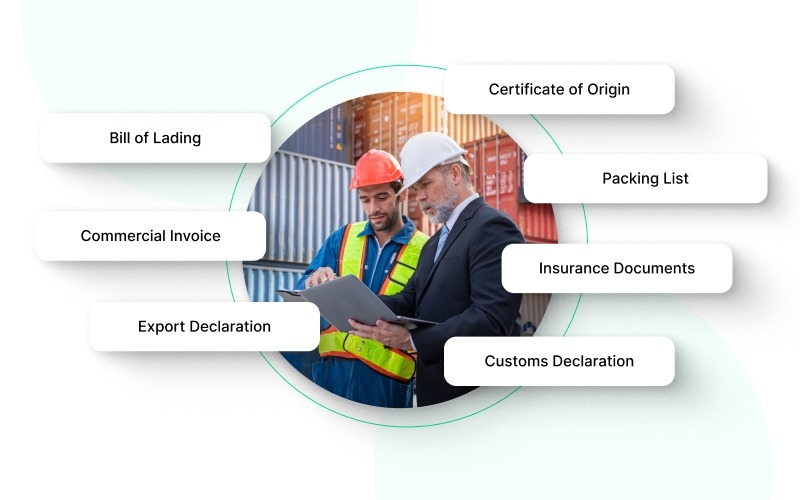
Exporting goods involves several documentation requirements that must be handled properly to avoid delays and prevent complications at the Port of Loading. These documents are necessary for customs clearance and other regulatory processes. Having the correct paperwork in place ensures that your shipment proceeds smoothly from start to finish.
Here are the key documents and compliance factors that exporters need to manage at the Port of Loading:
- Bill of Lading: A receipt and contract for the transport of goods, required for both customs clearance and proof of delivery.
- Commercial Invoice: A document that provides details on the value and description of the goods, along with the terms of the sale. This is required for both exporting and importing goods for customs purposes.
- Export Declaration: A formal declaration of the goods being exported, used for statistical and customs purposes.
- Certificate of Origin: This certifies the origin of the goods, which is often needed for tariff and trade agreement purposes.
- Packing List: A comprehensive list of the items being shipped, including the packaging details, as required by customs and shipping companies for verification.
- Insurance Documents: Insurance coverage to protect against any potential risks or damages that might occur during transportation.
- Customs Declaration: A document that declares goods to be exported, ensuring compliance with both Indian and international regulations.
Even with every document prepared carefully, exporters often encounter unexpected hurdles at the port that can delay shipments and disrupt planned schedules.
Also Read: Important Documents Required for Export
Challenges and Issues at the Port of Loading
Even with careful planning, exporting goods often involves facing various challenges at the Port of Loading. Delays, document errors, and other issues can disrupt your shipment schedule, resulting in both time and financial losses. Understanding these common problems can help you prepare and reduce the risk of encountering obstacles.
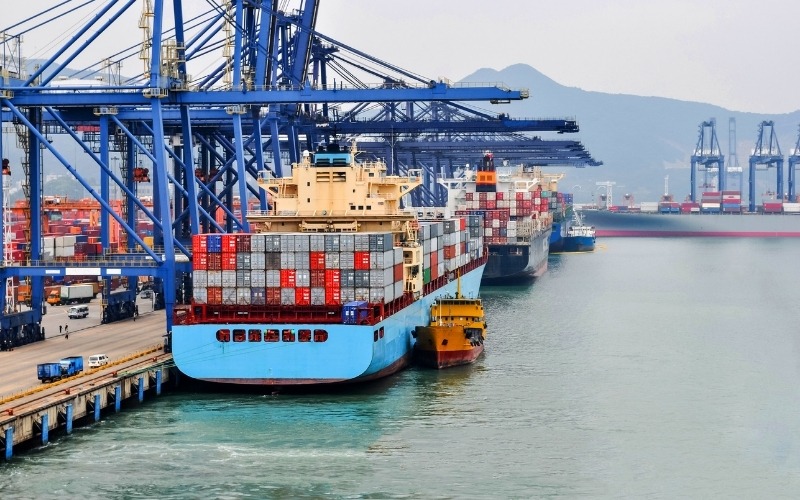
Here are some challenges you might face at the Port of Loading:
- Port Congestion: Heavy traffic at the port can cause delays in loading and shipping, resulting in an extended estimated shipping time.
- Customs Delays: Incorrect or incomplete documentation may result in delays during customs clearance, which can prevent the timely departure of your goods.
- Documentation Errors: Missing or incorrect paperwork can lead to delays during both the loading process and customs clearance.
- Weather Conditions: Bad weather can cause delays in loading operations, especially during the monsoon season, which can disrupt schedules.
- Labor Strikes or Disruptions: Worker strikes or labor shortages at the port may cause delays in loading and transportation of goods.
- Shipping Schedule Changes: Shipping lines occasionally adjust their schedules due to various reasons, which can impact the timing of when goods depart the port.
These challenges highlight why exporters must also understand contractual responsibilities, and that is where Incoterms play a defining role in shipping agreements.
Port of Loading in Incoterms
Incoterms (International Commercial Terms) outline the duties and obligations of both buyers and sellers when engaging in international trade. When it comes to the Port of Loading, these terms clarify which party is responsible for various shipping costs and risks. Understanding the role of POL in Incoterms is crucial for determining who is responsible for what, from transportation to customs clearance.
Here are the key Incoterms that relate to the Port of Loading:
- FOB (Free on Board): The seller is responsible for all costs and risks up until the goods are loaded onto the ship at the POL. The buyer takes over once the goods are on board.
- CIF (Cost, Insurance, and Freight): The seller is responsible for covering the transportation and insurance costs until the goods reach the destination port. However, the buyer assumes risk once the goods are loaded at the POL.
- CFR (Cost and Freight): Similar to CIF, but without insurance. The seller handles transport costs to the destination port, but the risk shifts once goods are loaded at the POL.
- EXW (Ex Works): The seller's responsibility ends at their premises. The buyer assumes all costs and risks from there, including transport to the POL and beyond.
- DDP (Delivered Duty Paid): The seller covers all costs, including shipping, insurance, and duties, until the goods are delivered to the buyer's location. The POL is the starting point for the seller's responsibilities.
Also Read: Understanding Incoterms in International Trade
Strengthen Port Of Loading Execution With Pazago
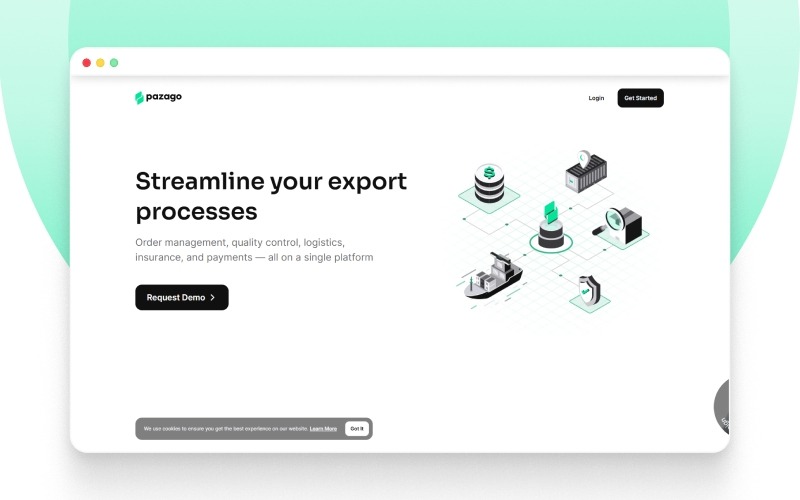
When coordination weakens, exporters face missed cut-offs, rollovers, inland holding charges, and strained overseas communication. Strengthening execution at the Port of Loading requires disciplined booking control, consistent updates, and reliable carrier coordination.
Pazago focuses on reinforcing this execution layer so exporters maintain stability at the point where shipments begin their international movement. Here is how operational reliability is supported:
- Assured Container Booking and Coordinated Loading: Confirmed equipment allocation and structured coordination at the factory, CFS, or port reduces rollover risk and protects planned vessel cut-offs.
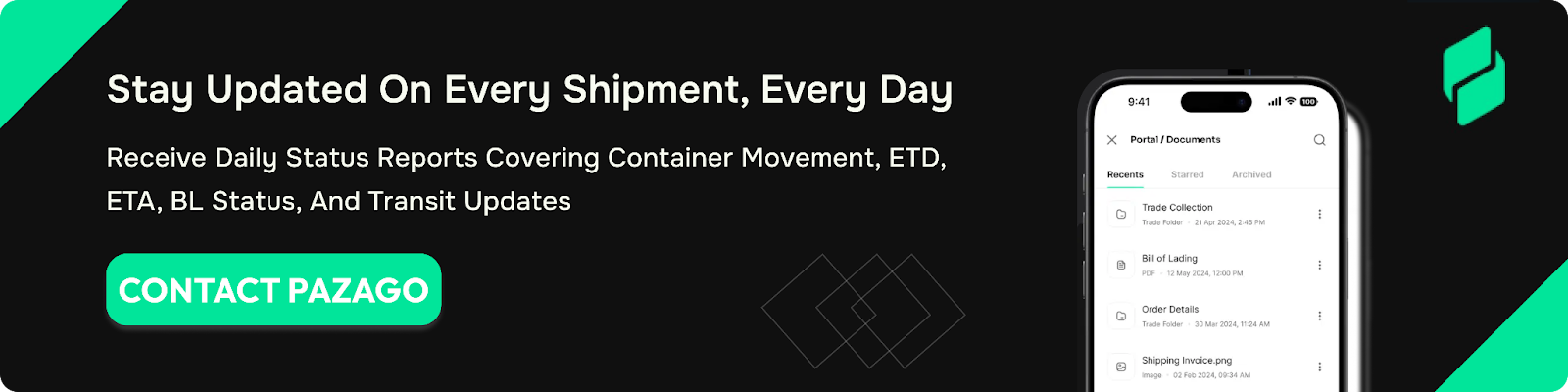
- Daily Status Reports (DSRs) for Shipment Visibility: Regular updates covering container movement, ETD and ETA changes, transshipment events, and BL status help exporters manage buyer communication confidently during port congestion or schedule adjustments.
- Competitive Freight Rates Through Long-Term Industry Relationships: Stable freight structures across key routes reduce last-minute rate volatility that often emerges during peak congestion at major ports.
- Comprehensive Pre-Shipment and Post-Shipment Sales Support: Hands-on coordination across booking confirmations, documentation alignment, and shipment clarifications minimizes friction during port handling and customs interface stages.
- Equal Operational Support Across Shipment Volumes: Consistent coordination ensures predictable port execution, whether managing single-container exports or ongoing shipment cycles.
Reliable Port of Loading execution reduces schedule uncertainty, limits unexpected port-related surcharges, and protects delivery commitments in competitive global markets.
Conclusion
Selecting the right Port of Loading influences cost, timelines, and compliance, but execution discipline ultimately determines shipment reliability. Careful documentation, congestion awareness, and informed Incoterm selection improve planning at the port level.
Pazago supports exporters by strengthening freight coordination, container availability, and shipment visibility at the Port of Loading. This structured approach helps maintain predictable departure schedules and protect buyer commitments throughout the export cycle.
FAQs
1. Can exporters request a change in the Port of Loading after booking a shipment?
Yes, but such requests often involve additional costs and approvals from shipping lines, customs, and freight forwarders. It's best to confirm before finalizing contracts.
2. How does choosing a Port of Loading affect transit insurance?
The choice of POL can influence insurance premiums since risks vary depending on port congestion, local conditions, and historical data on delays or damages.
3. Do all export commodities pass through the same Port of Loading?
No, certain ports specialize in handling specific goods such as perishables, hazardous cargo, or bulk materials. Selecting a specialized port helps avoid handling issues.
4. What role do freight forwarders play at the Port of Loading?
Freight forwarders coordinate with carriers, ensure documents are filed correctly, and arrange space on vessels, reducing the chances of shipment delays at the POL.
5. Are smaller ports suitable for international shipments?
Smaller ports can work for exporters targeting niche destinations or low-volume shipments, but they may offer fewer shipping schedules compared to major ports.