.png)


Differences in EXW and FOB: A Simple Guide
Optimize your business: use unlimited savings with Pazago fulfilled now!
Get Started ->Exporting goods can be a complex and daunting task, especially when you're unsure about the shipping terms to use. Choosing between Ex Works (EXW) and Free on Board (FOB) can significantly impact your costs, responsibilities, and relationships with importers.
For Indian SMEs, navigating these terms is crucial. With over 1.7 lakh MSMEs engaged in exports as of 2024-25, understanding Incoterms is vital for success in global markets. A misstep can lead to financial losses, delays, and strained partnerships.
In this blog, we’ll explore the key differences between EXW and FOB, discuss when to choose each term, and examine how these choices affect your logistics and costs. By the end, you'll be better equipped to make informed decisions that align with your business goals.
Key Takeaways:
- EXW places almost all shipping and customs responsibilities on the importer, while FOB splits responsibilities between the exporter and the importer.
- Risk for goods transfers earlier under EXW compared to FOB, affecting liability during transit.
- Importers with limited logistics experience may face challenges under EXW but have more control over shipping.
- FOB involves additional exporter responsibilities like transport to the port and export clearance before risk shifts.
- Selecting the appropriate term impacts costs, risk allocation, and clarity in international trade agreements.
What is Ex Works (EXW)?
Ex Works (EXW) is one of the simplest Incoterms, placing most responsibility on the importer. Under EXW, the exporter makes the goods available for pickup at their premises or another agreed location. From that point, the importer handles nearly all aspects of transportation, logistics, and customs. Exporters often choose EXW when they prefer minimal involvement in the shipping process.
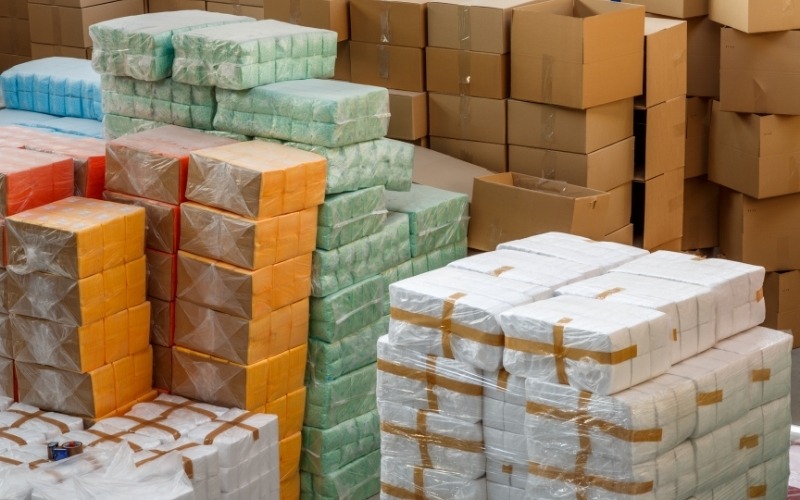
Exporter’s Responsibility Under EXW
The exporter’s responsibilities are limited to making the goods available at the specified location and providing essential documents like invoices and packing lists. The exporter does not load the goods onto the importer’s vehicle or manage any part of transportation.
- Make goods available for pick-up at the agreed location.
- Provide essential documents (e.g., invoice, packing list).
- No responsibility for loading or shipping the goods.
Importer’s Responsibility Under EXW
The importer assumes almost all responsibilities, including arranging and paying for transportation, insurance, and customs clearance. The importer also bears all risk for the goods once they are made available at the exporter’s premises. This can be challenging for importers without established logistics networks or international shipping experience.
- Arrange and pay for transportation (both domestic and international).
- Handle insurance, freight, and customs clearance.
- Assume risk for the goods from the moment they are made available.
While EXW places most responsibilities on the importer, FOB shifts part of the logistical burden back to the exporter.
Also Read: Understanding Ex Works (EXW) Incoterm In International Trade
What is Free on Board (FOB)?
Free on Board (FOB) is a widely used Incoterm that assigns more responsibility to the exporter than EXW. Under FOB, the exporter delivers the goods to the port of shipment and loads them onto the vessel for shipment. Once the goods are on board, responsibility and risk transfer to the importer.
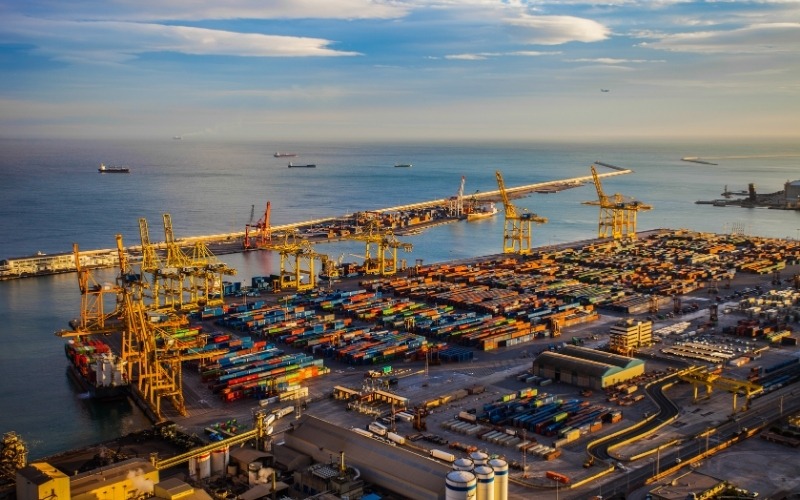
Exporter’s Responsibility Under FOB
Compared to EXW, the exporter handles more tasks under FOB, including transporting goods to the port, managing export customs clearance, and loading them onto the ship. Once the goods are onboard, risk passes to the importer.
Here are the exporter’s key responsibilities under FOB:
- Transport goods to the agreed port of shipment.
- Handle export customs clearance.
- Load the goods onto the ship.
Importer’s Responsibility Under FOB
The importer assumes responsibility once the goods are loaded onto the ship. This includes arranging and paying for ocean freight, insurance, and import duties, while also bearing all risks from that point onward.
Below are the importer's key responsibilities under FOB:
- Pay for ocean freight and shipping insurance.
- Handle import customs clearance.
- Assume risk for the goods once they are loaded onto the ship.
Examining FOB highlights the point at which responsibility and risk transfer from exporter to importer. Contrasting this with EXW provides a clear perspective on how responsibilities differ in practice.
Also Read: Understanding Free on Board (FOB) Incoterms in Shipping
Key Differences: EXW vs FOB
EXW and FOB are commonly used Incoterms, but they differ in responsibility, risk, and cost distribution. In EXW, the importer assumes nearly all responsibilities, while in FOB, the exporter manages more tasks until the goods are loaded onto the ship. Understanding these differences helps you choose the most suitable term for your shipping and business needs.
Below is a table that summarizes the key differences between EXW and FOB:
Understanding the differences between EXW and FOB equips you to make decisions based on cost, risk, and logistics capabilities. Assessing these factors in relation to your importer’s expectations and market conditions ensures you select the term that supports smoother transactions and clearer responsibilities.
Also Read: What Are The Differences Between FOB Shipping Point And FOB Destination?
Choosing the Right Incoterm for Your Trade
Choosing between EXW and FOB depends on several factors, including your business's logistics capabilities, the importer’s needs, and the destination country. The decision directly impacts the cost, risk, and responsibility between the exporter and importer. Understanding your company’s role in the shipping process can help you make informed decisions.
When deciding between EXW and FOB, there are several important things to think about:
- Logistics Capabilities: If you have a strong logistics and shipping network, you may prefer EXW, as it allows you to limit your involvement in transportation.
- Importer Preferences: Some importers may prefer EXW to maintain complete control over shipping and customs. Others may prefer FOB, as it offers more predictability in costs and risks.
- Geography: FOB might be a better choice if you’re dealing with distant markets, where importers may not have the same access to shipping or logistics.
- Cost Control: EXW typically results in lower costs for the exporter but higher costs for the importer, as the importer is responsible for handling most logistics.
- Risk Management: FOB reduces the importer’s risk by having the exporter manage the transportation to the port, where responsibility shifts once the goods are loaded onto the vessel.
After determining which Incoterm suits your trade needs, managing the practical aspects of shipping remains crucial. Using a dedicated platform can help you monitor shipments, organize documentation, and communicate with all parties involved, making international shipping more manageable and less prone to errors.
Also Read: Understanding Incoterms in Logistics and International Trade
How Pazago Can Simplify Your Export Process?
Handling the complexities of international trade can often feel daunting, but using the right tools can help. As an exporter, managing shipping terms like EXW and FOB is just one piece of the puzzle. Solutions that enhance visibility, manage logistics, and simplify communication can significantly reduce the challenges you face.
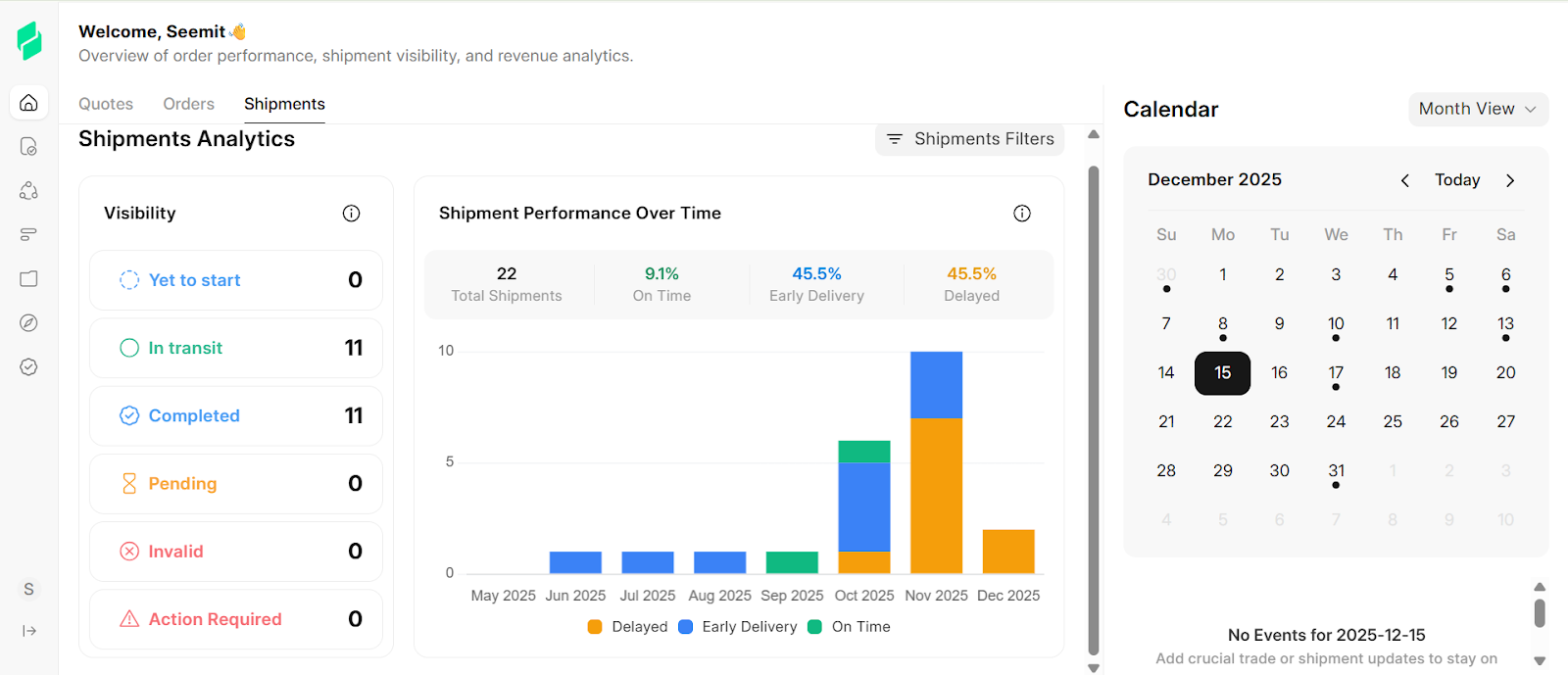
Below are some key benefits of using a logistics platform to manage your export process:
- Logistics Management: Pazago centralizes your logistics operations, allowing you to track each shipment and manage its progress. It integrates various transport modes and shipment details to ensure smoother operations.
- Real-Time Shipment Tracking: With real-time tracking, Pazago provides up-to-date information on your goods, allowing you to monitor shipment status at any time using BL or container numbers.
- Order Management: Pazago’s order dashboard consolidates all export orders, making it easy to manage order details, track progress, and keep all stakeholders informed throughout the process.
- Communication Hub: Pazago provides a centralized platform for communication between exporters, importers, and logistics partners, eliminating confusion and ensuring timely updates.
- Payment Management: Pazago supports multi-currency payments, allowing you to handle transactions in various currencies for international shipments, simplifying financial operations.
- Reporting & Insights: Pazago offers customizable reporting and insights, enabling you to filter orders by status, destination country, or other criteria, providing a clear overview of your export operations.
- Documentation Automation: Pazago automates the creation of essential export documents, such as commercial invoices and packing lists, ensuring accuracy and saving time in the shipping process.
With the right tools, managing complex international shipping terms becomes much easier and more predictable.
Conclusion
Choosing the right Incoterm, whether EXW or FOB, is essential for your business’s success in international trade. These terms play a key role in determining how shipping responsibilities, costs, and risks are divided. Understanding the differences between them is crucial to making the right choice for your business. By selecting the term that aligns with your logistics capabilities and importer needs, you can ensure smoother operations and minimize potential conflicts.
If you're looking for a way to better manage your export process, it might be time to explore a logistics platform that can help you with tracking, communication, and cost management.
Schedule a demo today and see how we can improve your international shipping process, making your export journey easier and more straightforward.
FAQs
1. Can EXW be used for both domestic and international shipments?
Yes, EXW can apply to domestic or international shipments. The seller’s role remains limited to making the goods available at an agreed location, while the buyer handles transportation, customs, and risk management.
2. Who arranges insurance for goods under FOB?
Under FOB, the buyer arranges and pays for insurance once the goods are loaded onto the vessel. The seller is not responsible for insuring goods during ocean transit.
3. How does risk transfer work under EXW?
In EXW, the risk passes from the seller to the buyer as soon as the goods are made available at the seller’s premises or designated location. Any damage or loss afterward is the buyer’s responsibility.
4. Is FOB more suitable for inexperienced buyers?
FOB can be preferable for buyers who lack experience or access to logistics networks, because the seller handles transport to the port, export clearance, and loading onto the ship before risk transfers.
5. Can the seller assist with customs under EXW?
While EXW does not obligate the seller to handle customs, they may provide documents or support if agreed. Customs clearance and export formalities are typically the buyer’s responsibility.