.png)


The Ultimate Guide to Feeder Vessels and Their Role in Global Shipping Routes

Optimize your business: use unlimited savings with Pazago fulfilled now!
Get Started ->If you handle international shipments, you understand port schedules, cargo handling, and logistics coordination. Yet the role of feeder vessels often becomes clear only when planning routes to smaller or secondary ports. Many exporters first encounter them when figuring out how goods will reach major hub ports or coordinating with shipping lines.
Though smaller than mother ships, feeder vessels are essential for keeping global trade efficient. Across Southeast Asia, the Indian subcontinent, East Africa, and parts of Latin America, they ensure cargo from smaller ports reaches major hubs on time, supporting smooth international shipments.
Because feeder operations involve multiple stops, flexible schedules, and coordination with regional ports, overlooking them or planning too late can lead to delays, missed connections, and higher shipping costs.
This blog covers what feeder vessels are, their types and sizes, the key routes they serve, and how they link smaller ports to major hubs. You’ll also learn how to use their efficiency to reduce delays and improve supply chain performance.
Key Takeaways
- Feeder vessels are essential for connecting smaller or secondary ports to major hubs, ensuring smooth regional and international cargo flow.
- Proper planning and early identification of shipments requiring feeder vessels help avoid delays, missed connections, and increased shipping costs.
- Feeder vessel capacity varies from Small Feeder (500–1,000 TEUs) to Panamax (up to 5,000 TEUs), and choosing the right size ensures efficient cargo movement and port accessibility.
- Key routes include short-distance regional paths along India’s coasts, intra-Asia connections, and trade lanes linking emerging markets to major hubs such as Singapore, Colombo, and Mumbai.
What Are Feeder Vessels and Why Do They Matter in Global Shipping?
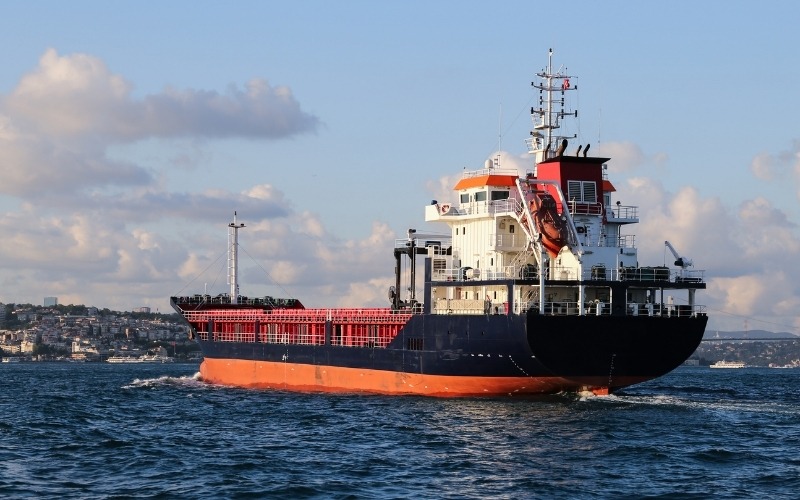
Feeder vessels are smaller cargo ships that play a critical role in global shipping by connecting regional ports to major international hubs. These vessels ensure that even ports with limited infrastructure can participate in international trade efficiently.
Unlike large mother vessels, which operate on fixed, long-haul routes, feeder vessels navigate shorter, flexible routes, making multiple stops to reliably transport goods.
Their presence improves logistics, reduces congestion at major ports, and expands trade opportunities for businesses operating in remote or secondary ports. Here’s how feeder vessels function and why they matter:
- Expanding Market Reach: They enable remote or secondary ports to engage in international trade, increasing market access for regional exporters.
- Reducing Port Congestion: By distributing cargo across multiple ports, feeder vessels help prevent delays and overcrowding at major terminals.
- Flexible Scheduling: Feeder vessels can adjust routes and departure times based on port traffic, cargo volume, or weather conditions, maintaining timely delivery.
- Independent Operations: Many are equipped with self-loading and unloading systems, reducing reliance on port infrastructure.
- Port Accessibility: Compact size allows navigation through shallow harbours and narrow channels that larger ships cannot access.
- Supporting Regional Trade: Frequent sailings between regional ports help exporters maintain a consistent flow of goods and supply chain stability.
Now that we know what feeder vessels do, it’s important to see how they actively contribute to efficient global shipping.
The Role of Feeder Vessels in Global Shipping
Feeder vessels make global trade accessible for areas that cannot handle large container ships, helping businesses reach new markets quickly and efficiently.
By linking local ports with major trade centers, feeder vessels improve shipping speed, reduce delays, and create more flexible logistics options for exporters and importers.
Key contributions of feeder vessels include:
- Connecting Small Ports to Major Hubs: Feeder vessels collect cargo from smaller ports that larger ships cannot access and transport it to major hubs like Singapore, Dubai, or Mumbai. This enables regional businesses to participate in international trade efficiently.
- Enhancing Global Trade Connectivity: By linking regional ports to larger shipping networks, feeder vessels ensure smoother cross-border cargo flow. This connectivity drives trade growth and supports emerging economies in Asia, Africa, and Southeast Europe.
- Reducing Port Congestion: Large ports often experience delays due to high cargo volumes. Feeder vessels redistribute shipments across intermediate ports, relieving pressure on main terminals and speeding up turnaround times.
- Expanding Trade Opportunities: Access to secondary ports and flexible routes allows exporters to reach new markets. Companies can explore alternative lanes between ports in India, China, and Southeast Asia without relying solely on direct major-port connections.
- Providing Operational Flexibility: Feeder vessels can adjust schedules based on cargo volume, port congestion, or weather disruptions. This flexibility ensures shipments remain on track even when conditions change.
- Supporting Smaller Industries and Exporters: Local producers in less-connected regions can export goods such as textiles, specialty chemicals, and agricultural products via feeder services. Without these vessels, reaching international markets would be much harder.
- Optimising Supply Chain Efficiency: Feeder vessels enable more frequent sailings for smaller shipments, reducing inventory holding times and lowering logistics costs for businesses.
- Facilitating Multimodal Transport: They often integrate with rail, road, or inland waterway networks at regional ports, ensuring seamless movement of goods from factories to major export hubs.
- Encouraging Sustainable Shipping Practices: By consolidating cargo from multiple smaller ports into single trips to major hubs, feeder vessels reduce the need for additional large-vessel sailings, thereby lowering fuel consumption and carbon emissions.
- Supporting Risk Management in Trade: Multiple feeder routes provide alternative options in case of port congestion, strikes, or natural disruptions, ensuring supply chain resilience.
Understanding the specific routes these vessels follow highlights how they link smaller ports to major hubs and keep international trade moving smoothly.

Top Feeder Vessel Routes Connecting Regional Ports to Global Trade Hubs
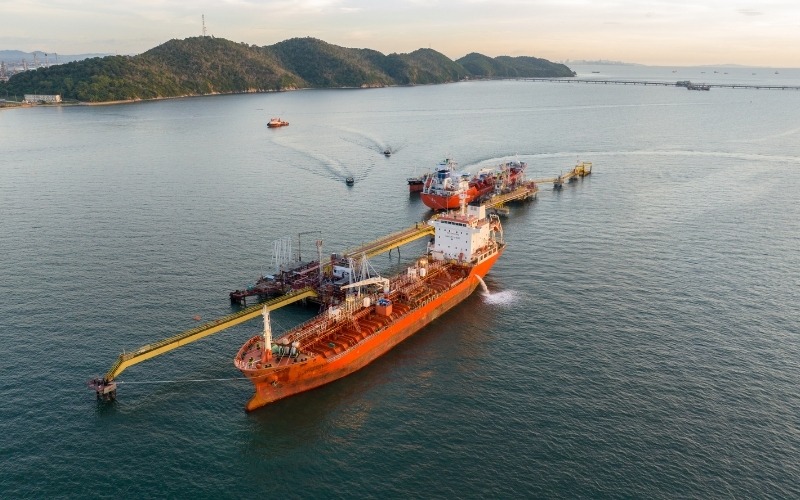
Understanding the key routes they operate on is essential for exporters, logistics planners, and supply chain teams to ensure timely deliveries and smooth cargo movement.
These routes are chosen based on cargo demand, port accessibility, and regional trade patterns, allowing feeder vessels to serve ports that larger ships cannot reach.
1. Short-Distance Regional Routes
Feeder vessels primarily operate on short-distance routes, including inland seas, coastal waters, and short-sea shipping lanes. These routes allow them to make multiple stops and deliver goods efficiently to minor ports that larger mother vessels cannot reach.
- Routes along India’s eastern and western coasts, feeding smaller ports into major terminals like Chennai or Mumbai
- Regional shipping lanes in Southeast Asia, such as the Malacca Strait connecting Indonesia, Malaysia, and Singapore
- Coastal and island routes that move consumer goods, electronics, or raw materials from local ports to central hubs
These short-distance routes ensure consistent cargo flow while reducing congestion at larger ports and allowing for more flexible scheduling.
2. High-Volume Regional Trade Lanes
Certain feeder vessel routes support high-volume regional trade by connecting secondary ports to major hubs efficiently. These routes are vital for moving goods between countries within the same trade region:
- China to India: Transporting electronics, industrial supplies, and manufactured goods to Indian ports
- Intra-Asia connections: Linking Vietnam, Thailand, Malaysia, and Indonesia to facilitate regional trade
- India to Southeast Asia hubs: Carrying textiles, packaged foods, and consumer products from smaller ports to major transshipment centers
Feeder vessels on these routes reduce port congestion, speed up cargo transit, and maintain reliability in high-demand corridors.
3. Routes Enhancing Regional Connectivity
Feeder vessels also expand trade opportunities by connecting minor ports to larger global networks. These routes strengthen supply chains and improve access to international markets:
- Smaller Indian ports feed shipments into hubs like Singapore or Colombo, enabling faster exports
- Transport of perishable goods, such as seafood and fresh produce, from regional ports to central distribution centers
- Connecting emerging markets to established transshipment hubs, expanding trade without relying solely on large mother vessels
By serving these routes, feeder vessels help exporters maintain flexibility, adapt to regional trade demands, and ensure smooth cargo transfers from secondary ports to major shipping lanes.
Also read: Essential Shipping Documents Every Importer and Exporter Should Know.
4 Key Types of Feeder Vessel Sizes and How They Impact Shipping Routes
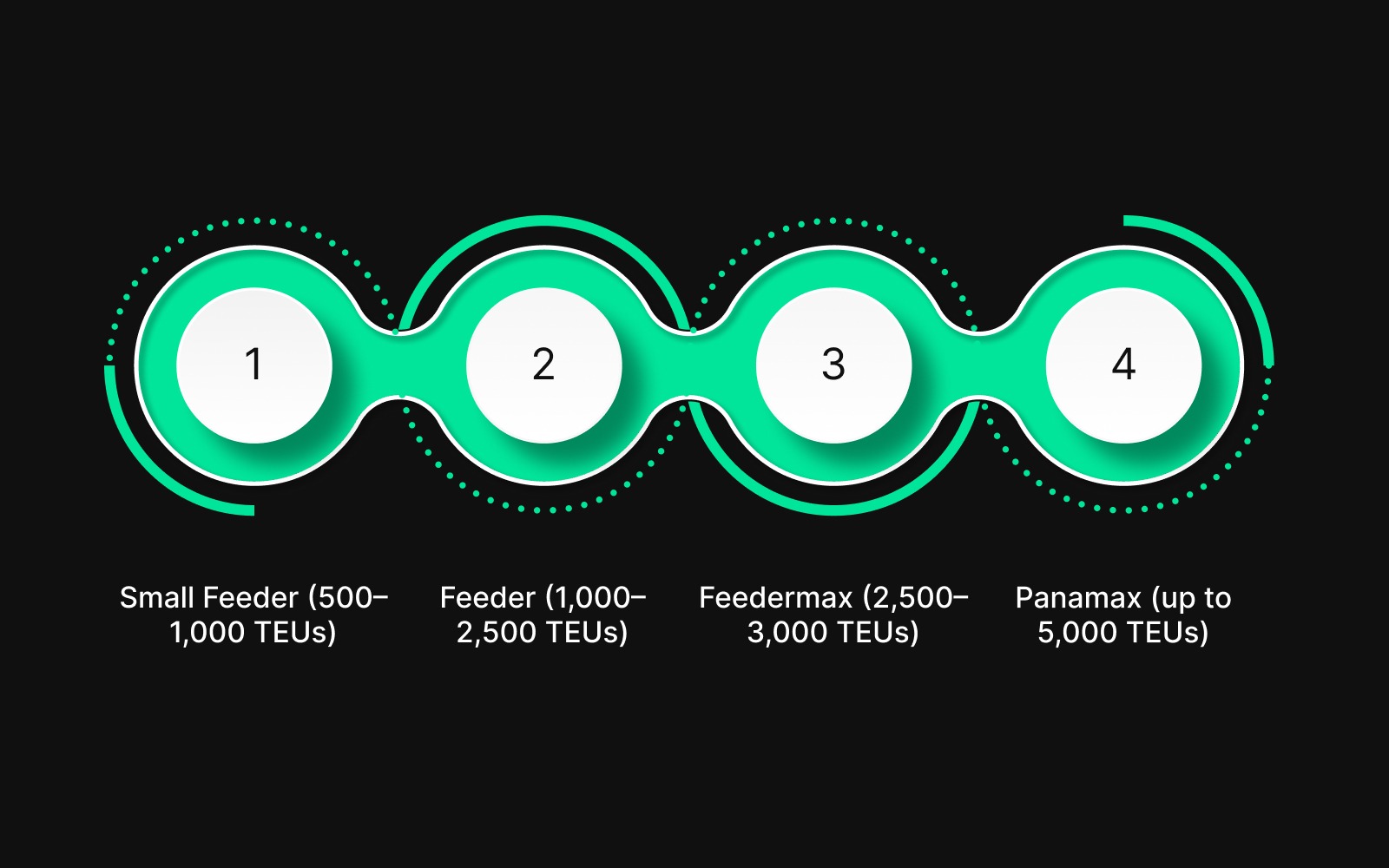
Feeder vessels are essential for linking smaller regional ports to major trade hubs. Their size and capacity determine which ports they can access, how much cargo they can carry, and how efficiently they operate. Understanding the different types helps exporters and logistics planners optimise shipping routes and schedules:
1. Small Feeder (500–1,000 TEUs)
Small feeder vessels are designed for ports with limited infrastructure and lower cargo volumes. Their compact size allows them to navigate shallow harbours and narrow channels that larger ships cannot access.
- Handle regional shipments with modest cargo, such as consumer electronics or specialty textiles
- Operate on short-distance routes connecting local ports to nearby hubs, like Colombo to Chennai
- Offer flexible schedules to align with port operations and cargo readiness
2. Feeder (1,000–2,500 TEUs)
Feeder vessels in this category are crucial for regional trade lanes. They strike a balance between capacity and port accessibility, making them ideal for most secondary ports.
- Support frequent sailings between countries in a trade region, for instance, Jakarta to Singapore or Mumbai to Colombo
- Efficiently transport diverse goods, from garments to packaged food
- Can adjust schedules to respond to port congestion or changing cargo volumes
3. Feedermax (2,500–3,000 TEUs)
Feedermax vessels are larger regional feeders, capable of serving both secondary ports and smaller hub ports. They bridge the gap between smaller feeders and large Panamax vessels.
- Handle higher cargo volumes while maintaining flexibility to access ports with moderate infrastructure
- Commonly used on multi-port routes, such as Vietnam to Malaysia or Thailand to Indonesia
- Combine the reliability of larger ships with the agility of regional feeders
4. Panamax (up to 5,000 TEUs)
Panamax feeder vessels are the largest in the feeder category. They can access certain canals and medium-sized ports, offering high capacity without needing the infrastructure required by mother vessels.
- Ideal for high-volume regional shipments feeding into major hubs
- Facilitate intercontinental routes in areas with medium port capacity, such as India to Southeast Asia
- Often used for bulk or containerised goods like automotive parts, machinery, and food products
Why Feeder Vessel Capacity Matters?
While feeder vessels are smaller than mother vessels, their capacity and flexibility make them vital for global shipping:
- Access to Remote Ports: Reach smaller or shallow ports that mother vessels cannot
- Scheduling Flexibility: Adapt routes based on cargo demand, port congestion, or weather conditions
- Cost Efficiency: Perfect for short-haul shipments where deploying a large vessel would be uneconomical
- Cargo Diversity: Capable of carrying a wide range of goods suited for regional trade
To fully grasp their unique role, it’s useful to compare feeder vessels with mother vessels and see how they complement each other.
Also read: Containerisation: Definition, Types, Advantages, and Challenges in Shipping.
Feeder Vessel vs. Mother Vessel: Key Differences You Need to Know
When looking at global shipping, both feeder vessels and mother vessels play crucial roles, but they serve very different purposes. Understanding how they differ helps exporters, logistics planners, and supply chain managers optimise shipping routes and cargo flow.
Feeder vessels are designed to connect smaller ports to major trade hubs, offering flexibility and regional access. Mother vessels, by contrast, handle high-capacity, long-distance transport on fixed routes.
Together, they form a seamless shipping network. The table below highlights the key differences between these two types of vessels:
Even with these advantages, feeder vessels face operational hurdles. Let’s look at the common challenges and practical ways to address them.
5 Major Challenges in Operating Feeder Vessels and Practical Solutions

Feeder vessels face predictable challenges during operations, most often around capacity, transit times, port coordination, and weather exposure. Each challenge can introduce delays, higher costs, or disruption to supply chains.
1. Limited Cargo Capacity
Smaller cargo holds restrict the volume transported per trip, which can increase operational costs and require more frequent sailings.
Solution
- Plan cargo distribution across multiple feeder trips rather than overloading a single vessel
- Coordinate closely with mother vessels to optimise transshipment schedules
- Use cargo consolidation strategies to maximise the load of each feeder voyage
2. Longer Transit Times Due to Multiple Stops
Feeder vessels often make several stops at minor ports, extending transit durations compared to direct routes of larger mother vessels.
Solution
- Map all port calls and estimated waiting times during scheduling
- Prioritise cargo that requires faster delivery on direct routes when possible
- Use real-time tracking to adjust schedules and minimise idle time at ports
3. Weather and Coastal Exposure Risks
Operating closer to coastlines and regional waters increases vulnerability to weather disruptions, storms, or rough sea conditions, affecting shipping schedules.
Solution
- Monitor weather forecasts continuously along the route
- Adjust departure times or routing proactively to avoid storms
- Maintain contingency plans with alternate ports or rescheduling options
4. Coordination with Multiple Ports and Stakeholders
Feeder vessel operations require synchronisation between regional ports, mother vessels, logistics teams, and local authorities. Misalignment can lead to delays and missed connections.
Solution
- Centralise shipment planning and updates across all parties
- Keep port schedules, berth availability, and vessel readiness visible to all stakeholders
- Document all coordination decisions to prevent miscommunication
5. Higher Operational Complexity
Feeder vessels must balance cargo volume, port limitations, and timing, which increases operational complexity compared to direct shipping with larger vessels.
Solution
- Use integrated logistics systems to manage cargo flow and vessel schedules
- Track all critical dates, including loading, transshipment, and ETD milestones
- Standardise procedures for frequent feeder routes to reduce errors
Despite these challenges, the future looks promising with innovations that will make feeder operations smarter, faster, and more sustainable.
6 Ways Feeder Vessels Will Shape the Future of Global Shipping
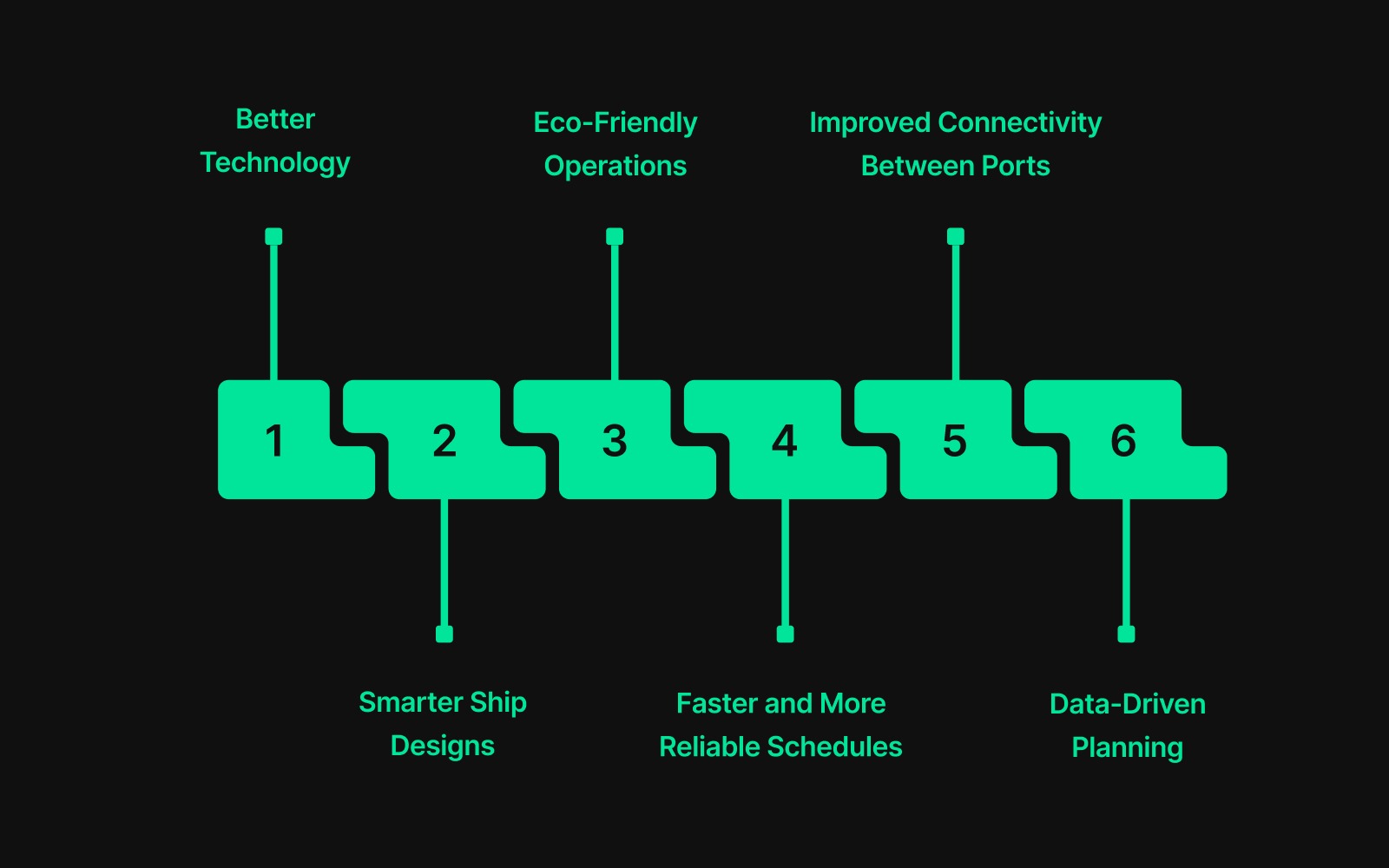
Feeder vessels are vital for moving goods from smaller ports to major trade hubs. With trade volumes increasing, these ships play a key role in keeping supply chains smooth and efficient. Here’s what the future holds:
- Better Technology: Automation and AI systems allow operators to track shipments in real time and coordinate multiple port calls efficiently, using sensors to monitor container locations and conditions.
- Smarter Ship Designs: Modern vessels carry more containers while still navigating smaller ports, allowing them to dock at regional ports with narrow berths.
- Eco-Friendly Operations: Fuel-efficient engines and cleaner technologies reduce emissions and save fuel, making shipping greener while cutting costs.
- Faster and More Reliable Schedules: Advanced tracking and scheduling tools keep cargo moving on time, even across multiple stops, helping operators avoid delays from port congestion.
- Improved Connectivity Between Ports: Feeder vessels link secondary ports and emerging markets to major hubs, opening new trade routes and enabling faster delivery of goods such as electronics and textiles.
- Data-Driven Planning: Real-time analytics guide route optimisation, cargo distribution, and port selection, helping ships avoid congested ports and deliver shipments efficiently.
How Pazago Helps Exporters Manage Feeder Vessel Shipments?
Feeder vessel shipments introduce execution risk when regional sailing schedules, hub connections, and container availability fall out of sync. Delays usually surface at transshipment points, where missed feeder connections or late container positioning can cascade into longer transit times and higher costs.
Pazago helps manage feeder vessel risk that arises between regional port departures and hub port connections. These risks are addressed through:
- Stable freight rates on regional lanes, helping exporters plan feeder and mainline legs without last-minute pricing changes that disrupt routing decisions.
- Confirmed container booking and coordinated loading at factory, CFS, or port, aligned to feeder cut-offs and onward hub connections.
- Daily Status Reports (DSRs) covering container movement, feeder departures, ETD/ETA changes, and transshipment updates, giving teams early visibility into connection risks.
- Hands-on pre-shipment and post-shipment support to resolve coordination gaps between regional ports, feeder operators, and mainline carriers when schedules shift.
- Equal operational support for exporters of all sizes, including shipments routed through secondary ports that depend heavily on feeder services.
This execution-first approach helps exporters keep feeder-linked shipments moving predictably, even across multi-stop regional routes.
Conclusion
Feeder vessels play a critical role in global shipping by connecting secondary ports to major hubs, but they also introduce added coordination pressure across regional legs and transshipment points. When planning starts late or execution relies on fragmented updates, exporters face missed connections, extended transit times, and avoidable cost overruns.
Managing feeder vessel movements requires disciplined freight planning, confirmed container availability, and consistent visibility while cargo is in transit. Pazago supports this by strengthening execution at the logistics layer, from rate stability and booking confirmation to daily shipment updates and hands-on coordination. This helps exporters keep feeder-dependent routes predictable and maintain continuity across regional and global shipping networks.

FAQs About Feeder Vessel
1. Do all shipments require a feeder vessel?
No. Feeder vessels are needed only when regional or secondary ports cannot accommodate larger mother vessels. Many shipments move directly via major ports without feeder services.
2. Who operates a feeder vessel?
Feeder vessels are operated by shipping companies or logistics providers that specialise in regional transport, connecting smaller ports to larger hub ports.
3. When should a feeder vessel be considered in shipment planning?
Feeder vessels should be identified during route planning or order confirmation, especially if the destination port cannot handle large cargo ships, to avoid delays.
4. Can cargo be shipped to smaller ports without a feeder vessel?
In most cases, no. Smaller ports often lack the infrastructure for mother vessels, so feeder vessels are essential for transporting containers to and from these locations.
5. Do feeder vessels replace mother vessels in global shipping?
No. Feeder vessels complement mother vessels. They handle regional connections, while mother vessels transport large volumes over long-haul international routes.