.png)


Freight & Cartage Explained: A Must-Know Guide for Indian SMEs
Optimize your business: use unlimited savings with Pazago fulfilled now!
Get Started ->As an Indian SME looking to export, managing logistics can feel like a complex puzzle. You’re balancing costs, time, and reliability to ensure your goods reach their destination. Shipping and delivery aren't just about moving products; they can determine your business's success.
Understanding freight and cartage is often unclear for new exporters. If you're just starting, terms like "freight charges" and "cartage fees" can be confusing. Getting them wrong can lead to delays, higher costs, and missed opportunities.
In this blog, we’ll explore the differences between freight and cartage, how they impact your shipping costs, and tips for managing them. We’ll also discuss key factors to consider as you grow your export business.
Key Takeaways:
- Understanding Cartage: Cartage refers to short-distance transportation of goods, typically from ports to warehouses or final destinations.
- Cartage Costs: Includes local delivery charges, port handling fees, terminal charges, fuel surcharges, and congestion fees in urban areas.
- Cartage vs Freight: Cartage covers short distances within regions, while freight handles long-distance shipping across countries or continents.
- Drayage vs Cartage: Drayage is the transport of containers at ports, while cartage involves the local delivery of various goods within regions.
- Optimising Cartage: Effective route planning, consolidating shipments, negotiating rates, and clear communication help reduce cartage costs and improve delivery times.
What You Need to Know About Cartage in the Shipping Process
Cartage in shipping refers to the short-distance transportation of goods, typically within a specific region, such as from the port to a warehouse. It involves moving cargo over relatively small distances and can include deliveries within cities or nearby areas. Cartage is distinct from freight, which generally covers long-distance transportation.
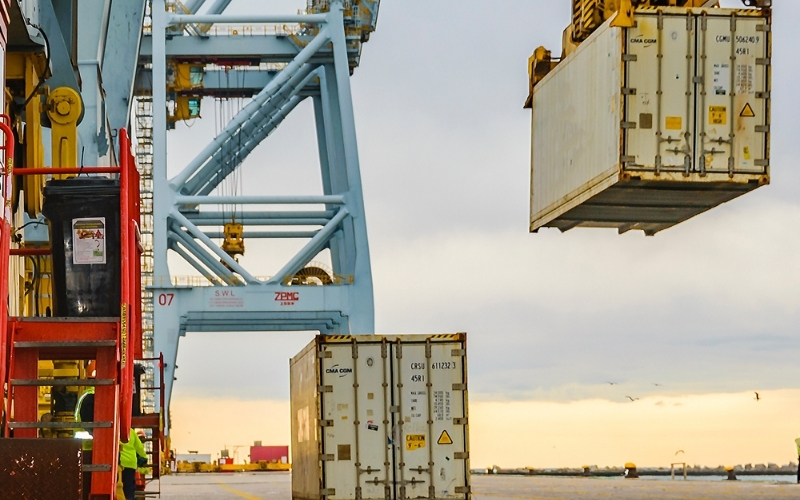
For example, a container arrives at JNPT Mumbai and needs to be taken to a warehouse in Bhiwandi, which is about 35–40 km away. The short trucking charge from the port gate to that warehouse is treated as cartage. This cost is separate from the ocean cost paid for moving the container from the exporter's country to Mumbai.
Cartage is essential in the logistics process, connecting the longer transport phases (like ocean freight) with the final destination. Now, let’s look at the different types of cartage expenses that may arise during this short-distance transportation.
Types of Cartage Expenses
Cartage can involve various expenses depending on the nature of the shipment and the location. Understanding these expenses will help you anticipate costs and manage your logistics budget more effectively.
- Local Delivery Charges: These are the basic fees for transporting goods within a city or region, often including fuel and labour costs.
- Port Handling Fees: Charges for moving goods from the port terminal to the warehouse or distribution centre.
- Terminal Charges: Costs for loading and unloading goods at ports or warehouses, particularly if specialised equipment is required.
- Fuel Surcharges: Additional costs related to the fluctuating price of fuel, which can affect cartage fees.
- Congestion Fees: Some areas, especially urban zones, may have congestion fees for deliveries in heavily trafficked locations.
With an understanding of cartage expenses, the next step is to identify where these cartage fees apply in the logistics process.
Where Do Cartage Fees Apply?
Cartage fees typically apply in specific locations throughout the supply chain, especially where goods are moved over short distances. Knowing where these fees are incurred will help you better plan for transportation costs.
- Ports: Cartage fees are charged when goods are moved from the port to a nearby warehouse or distribution centre.
- Warehouses: Fees may apply when goods are moved between warehouses or from a warehouse to the final point of sale.
- Retailers: Cartage can also include the cost of moving goods from a distribution centre to retailers or customers.
- Final Delivery: In some cases, cartage fees are incurred when goods are delivered to the end customer or the final destination.
Understanding these fees will help you prepare for the costs involved in short-distance transportation and improve your overall logistics planning.
Also Read: International Freight Shipping: Definition And Key Stages
Cartage & Freight: How They Differ in the Logistics Process
While both cartage and freight are essential components of shipping, they serve different purposes in the logistics process. Freight refers to long-distance transportation of goods, often over borders, while cartage deals with the short-distance movement within specific regions. Understanding the difference between the two will help you manage your costs effectively.
To clarify this distinction, let’s look at a detailed comparison between cartage and freight in the table below.
This table highlights the core differences between cartage and freight, which will help you better understand how both are integral to your shipping process.
Also Read: Cargo Logistics Meaning: Definition, Key Processes & Modern Challenges
Understanding the Differences Between Drayage and Cartage
While both drayage and cartage refer to short-distance transportation, they are used in different contexts within logistics. Drayage typically focuses on moving containers between ports and nearby facilities, while cartage deals with local deliveries across a variety of goods. Understanding these differences is key to managing transportation costs effectively.
To make the distinction clearer, let’s break down the key differences between drayage and cartage in the table below.
This comparison shows the core differences between drayage and cartage, making it easier for you to choose the right service based on your logistics needs.
Also Read: Understanding Drayage in Logistics: Definition, Meaning, and Role
Top Strategies to Improve Cartage Efficiency in Your Export Business
Cartage choices can influence cost and timing between your warehouse and the port. For example, a spice exporter moving bags from a Bhiwandi warehouse to Jawaharlal Nehru Port Trust Mumbai before the Verified Gross Mass (VGM) submission and vessel cut-off can tie each point below to direct actions.
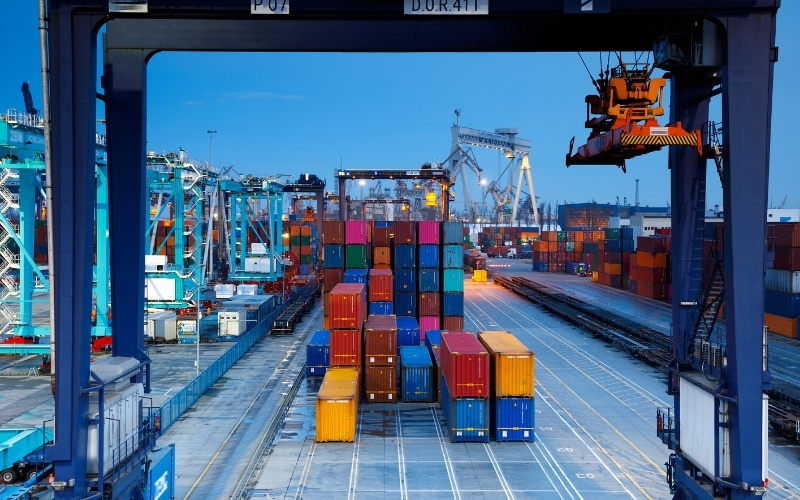
Here are some key strategies to optimise your cartage operations:
- Plan Routes Effectively: Plan routes by identifying typical slow points and selecting times that avoid them. For example, on the Bhiwandi to Jawaharlal Nehru Port Trust lane, you can check Google Maps travel times for the past few days during the same hour and then book your dispatch slot at the hour that shows the lowest travel time.
- Consolidate Shipments: Group purchase orders destined for the same port window and load them into the same 20-foot container run. To achieve this, check your open export purchase orders in your enterprise resource planning system for the same Estimated Time of Departure and allocate them to the same container pick list, rather than creating two separate pickup calls.
- Negotiate Competitive Rates: Request a new quotation when your volume increases. A practical way to do this is to track three months of your own Bhiwandi to Jawaharlal Nehru Port Trust runs, count the total runs by month, share that count with the transporter, and request a stepped rate card based on the actual flow.
- Invest in Technology: Use a simple phone-based tracking link so your dispatch team can see whether the driver is close to the gate. This can be done by asking the transporter to share a regular share location link from the driver's phone so that the Customs House Agent is not blind while planning gate entry.
- Maintain Clear Communication: Keep your team and cartage providers in regular contact using agreed channels or check-ins so information is accurate and issues are caught early.
- Regularly Review Performance: Set a routine to check delivery times, accuracy, and responsiveness so you can spot repeating problems and act before they grow.
- Choose Reliable Partners: Select partners with a consistent history of on-time delivery and clear communication, as this reduces delays and keeps freight moving without avoidable interruptions.
By implementing these strategies, you can improve the efficiency of your cartage operations and ensure the success of your export business.
Also Read: 4 Strategies to Ensure Success in Logistics Optimisation
Efficient Logistics Made Easy with Pazago
Pazago offers a range of features designed to simplify logistics for export businesses. It connects SMEs with global shipping networks, allowing access to competitive routes and rates. The platform also ensures full visibility, clear communication, and secure financial transactions, making it an ideal solution for managing logistics more effectively.
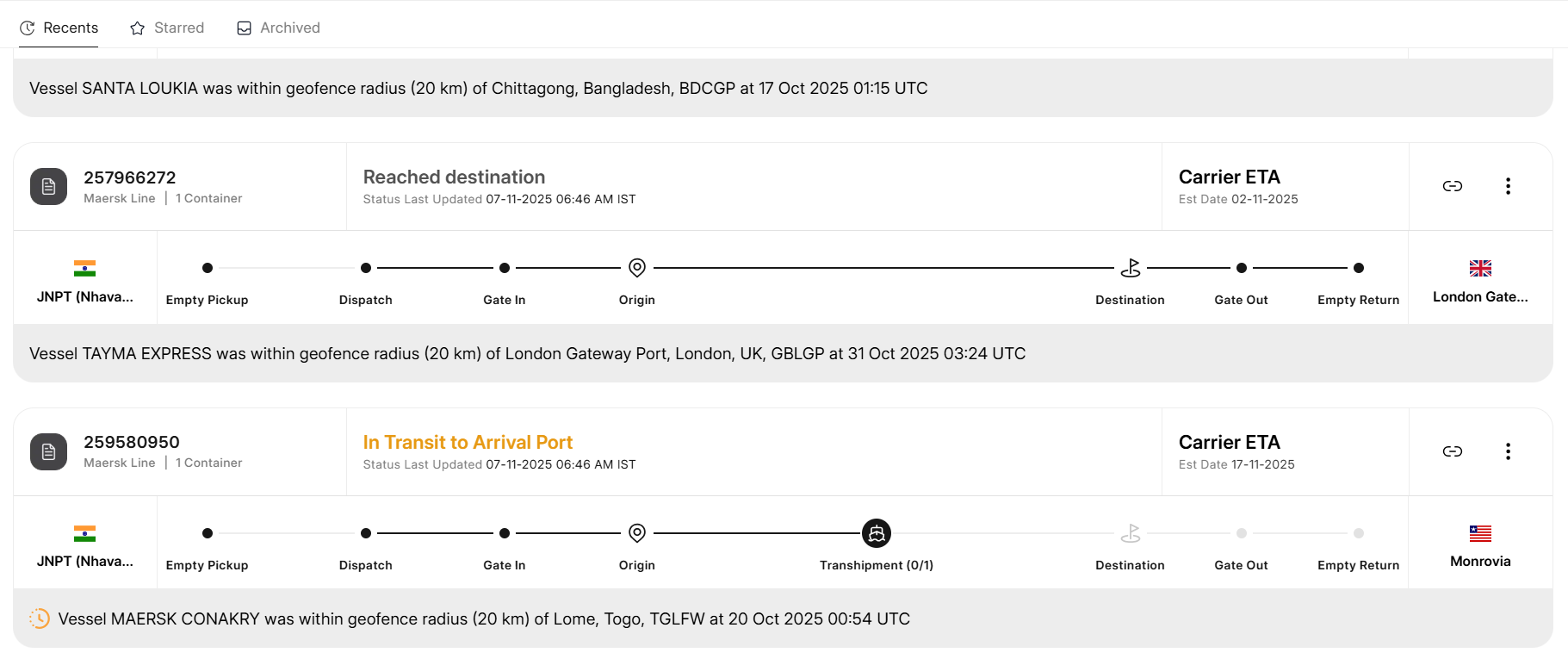
Here are some key benefits of using Pazago for your logistics operations:
- Global Shipping Access: Gain access to a network of over 180 shipping companies across 110+ countries, allowing you to choose the most cost-effective and reliable freight and cartage routes for your exports.
- Real-Time Shipment Tracking: Monitor your shipments in real-time, ensuring full visibility of your goods as they move through cartage and freight stages, minimising delays and improving efficiency.
- Centralised Communication: Keep all key stakeholders, carriers, customs agents, and recipients informed through a single platform, ensuring seamless coordination throughout your freight and cartage operations.
- Centralised Documentation: Manage all your export-related documents in a single place, ensuring accuracy and timely submission to customs, avoiding costly mistakes and delays.
These features help businesses manage logistics effectively, reduce costs, and ensure smoother export operations.
Conclusion
Understanding the differences between freight and cartage, as well as how to manage these operations, is crucial for Indian SMEs aiming to succeed in exports. By optimising cartage and choosing the right logistics strategies, you can ensure timely deliveries and control costs. A well-managed logistics process improves your overall export efficiency, helping you grow your business.
If you want to simplify your logistics operations and manage shipments with greater ease, Pazago can be a valuable tool. The platform offers real-time tracking, centralised communication, and secure payments, among other features that make international shipping smoother and more transparent.
To see how Pazago can help your export business, book a demo today and start managing your logistics more effectively.
FAQs
1. What is the main difference between cartage and drayage?
Cartage refers to the local transportation of goods within a region, typically from ports to warehouses or distribution centres. Drayage, on the other hand, is the transport of containers between ports or from ports to nearby locations. While both are short-distance services, drayage is more specific to port operations.
2. Are cartage fees the same for all goods?
No, cartage fees can vary depending on factors such as the type of goods being shipped, their volume, and the specific transportation requirements. For example, heavy or oversized goods may incur higher charges compared to standard shipments due to the special equipment or permits required.
3. Can cartage expenses be reduced?
Yes, cartage expenses can be minimised by planning delivery routes to avoid congested areas, consolidating shipments, and negotiating better rates with local transport providers. Additionally, using technology to track shipments and adjust routes in real time can help reduce unnecessary delays and costs.
4. What are the risks of not understanding cartage and freight costs?
Misunderstanding or underestimating cartage and freight costs can lead to unexpected expenses, delays, and missed delivery deadlines. This can harm your reputation, disrupt your supply chain, and ultimately affect your bottom line.
5. Do cartage and freight charges apply to both international and domestic shipments?
Yes, both cartage and freight charges apply to both domestic and international shipments. While freight generally involves long-distance transport, cartage is relevant for the local movement of goods within a country, often from ports to warehouses or the final destination.