.png)


Understanding Logistics Challenges and How to Overcome Them
Optimize your business: use unlimited savings with Pazago fulfilled now!
Get Started ->Handling logistics operations can be one of the most complex tasks for businesses today. From inadequate infrastructure to unpredictable supply chain disruptions, logistics challenges can create inefficiencies and increase operational costs. But these challenges can also serve as opportunities to simplify operations and gain a competitive edge.
India’s supply chain management market is projected to grow to USD 2.3 billion by 2030, with a (CAGR) of 15.6%. However, with growth comes an increase in complexity. Understanding and addressing logistics challenges is crucial for businesses looking to scale and meet customer expectations.
In this blog, we’ll explore the most common logistics challenges businesses face, discuss their impacts, and offer practical solutions to overcome them.
Key Takeaways:
- Logistics challenges often stem from infrastructure issues, supply chain disruptions, and inventory management gaps.
- Supply chain disruptions caused by external factors like natural disasters and geopolitical issues can be mitigated with better forecasting and planning.
- Embracing technology like AI, automation, and real-time tracking can help streamline logistics and reduce human error.
- Effective supplier relationships and diversified shipping routes improve resilience and minimize risks.
- Businesses can optimize inventory management with tools that predict demand and streamline stock levels.
What Causes Logistics Challenges?
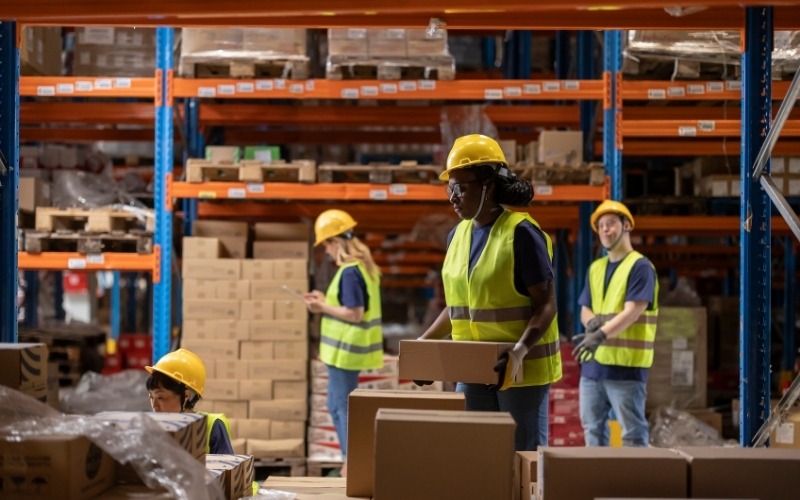
- Infrastructure and Capacity Issues: One of the most common logistics challenges is the lack of infrastructure and capacity to handle growing demand. Ports, warehouses, and transportation networks in India often lack the necessary facilities to cope with the increasing volume of goods. For instance, India’s major ports are congested, and road infrastructure in rural areas can cause delays in shipments.
- Supply Chain Disruptions: Natural disasters, political instability, and trade regulations can severely disrupt the supply chain. Whether it’s a flood in a key production area or a geopolitical crisis impacting trade routes, businesses face challenges when disruptions occur. For example, the COVID-19 pandemic showed how global supply chains could be halted due to unforeseen events.
- Inventory Management Issues: Poor inventory management is another critical challenge for businesses. Stockouts and overstocking can lead to significant losses in sales and increased operational costs. Having a real-time inventory tracking system is essential, but many businesses still depend on manual processes, leading to inefficiencies and inaccuracies.
- Technological Gaps: The lack of technology and automation in logistics operations increases the chances of human error and delays. Without advanced systems to track shipments, manage inventory, or forecast demand, businesses struggle to maintain smooth operations. Companies that fail to embrace technology often experience inefficiencies that hinder growth and customer satisfaction.
- Regulatory and Compliance Challenges: Adherence to local and international regulations, customs procedures, tariffs, and taxes can be a significant challenge. Especially when businesses operate internationally, they must navigate different laws and regulations, which can cause customs delays, paperwork errors, and legal issues.
- Labor Shortages and Strikes: Labor disruptions, such as strikes or workforce shortages, are common challenges in the logistics sector. Delays in warehouse processing or transport strikes can bring operations to a halt.
Once you understand the causes of logistics challenges, it's essential to look at how these problems ripple through business operations. Addressing these challenges directly can have a significant impact on reducing costs and improving performance.
How Logistics Challenges Impact Businesses?

- Impact on Operational Efficiency: Logistics challenges directly affect the operational efficiency of a business. Delays caused by poor infrastructure or customs bottlenecks disrupt the entire supply chain, causing missed deadlines, overstocking, and increased costs for expedited shipping. These inefficiencies strain resources and result in lower productivity.
- Impact on Customer Satisfaction: Logistics issues can directly affect customer experience. Late deliveries, missing orders, or poor communication lead to dissatisfaction. A business that cannot ensure timely deliveries risks losing its customer base.
- Legal and Financial Ramifications: Logistics challenges can also lead to legal and financial consequences. For example, businesses that fail to meet delivery deadlines as per contractual obligations may incur penalties or face litigation. Moreover, the cost of handling delays, fixing errors, and managing returns adds a significant financial burden.
After you understand the impacts, it’s essential to explore practical strategies that can help businesses overcome logistics challenges.
Also Read: Top Logistics and Transportation Companies in Bangalore
How to Overcome Logistics Challenges: Strategies for Success
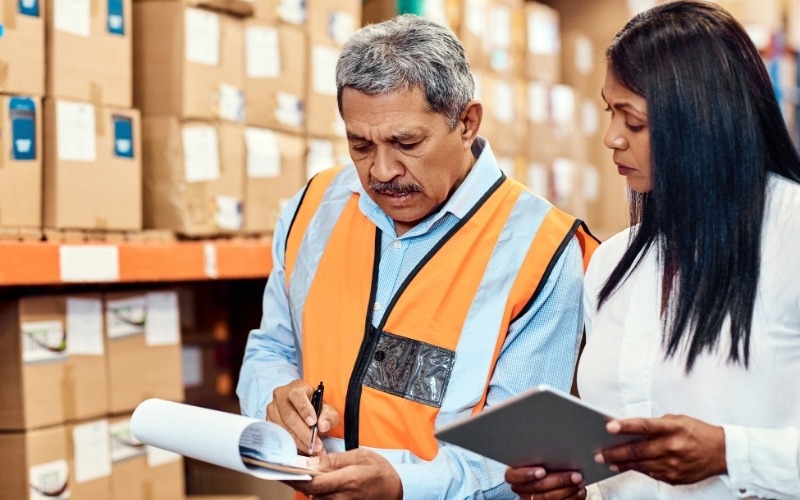
Focusing on the following approaches, companies can streamline operations and improve efficiency.
1. Embrace Technology and Automation
One of the most effective ways to overcome logistics challenges is through technology. Using tools like real-time tracking, AI-driven forecasting, and automated inventory management systems can improve visibility, reduce human error, and streamline logistics operations. These tools help businesses identify bottlenecks and optimize their supply chains.
Example: A leading e-commerce company, Flipkart, implemented AI-powered tools and real-time tracking systems to predict demand surges during sales events. This helped them optimize their inventory and reduce delivery times, ensuring a smoother customer experience during peak seasons.
2. Improve Supplier Relationships
Building solid relationships with suppliers is key to ensuring timely deliveries and reducing disruptions. By having reliable, transparent, and long-term relationships, businesses can work together to manage expectations, improve communication, and address issues before they grow into significant problems.
Example: Apple relies heavily on its supplier relationships, particularly with manufacturers in Asia. Their strong relationships help them efficiently manage production schedules, ensure component availability, and minimize delays, even during high-demand periods like product launches.
3. Optimize Inventory Management
By implementing demand forecasting tools, businesses can predict future inventory needs more accurately. Systems like Just-In-Time (JIT) inventory management help businesses maintain the right amount of stock without overstocking or experiencing shortages. Optimizing inventory can reduce storage costs, prevent lost sales, and improve overall efficiency.
Example: Toyota, a leader in lean manufacturing, has optimized its supply chain with JIT inventory management. By closely coordinating with suppliers and tracking production levels, Toyota minimizes waste, reduces inventory costs, and keeps its operations efficient without sacrificing product availability.
4. Diversify Shipping Routes and Partners
Relying on a single shipping route or logistics provider can expose businesses to higher risks. By working with multiple carriers and exploring alternative shipping routes, businesses can avoid bottlenecks and ensure a smoother flow of goods. This flexibility is especially important when dealing with international shipments or during peak seasons.
Example: Amazon uses a network of shipping partners, including UPS, FedEx, and its own delivery fleet. By diversifying its partners, Amazon can ensure timely deliveries, even if one partner faces disruptions. This diversified approach helps Amazon scale its operations while reducing the risk of delays.
Once you understand the strategies, it's time to implement the right technologies that can optimize your supply chain.
Also Read: How Logistics Operations and Supply Chain Works
The Role of Technology in Overcoming Logistics Challenges

Technology is playing a crucial role in transforming logistics operations, allowing businesses to overcome challenges more efficiently. Here's how various technologies can help solve common logistics problems:
- AI-Powered Analytics: AI-powered analytics tools help businesses predict demand, forecast potential disruptions, and optimize routes. By analyzing historical data, AI can make accurate predictions that allow businesses to prepare in advance, avoiding costly delays and inefficiencies.
- Real-Time Tracking Systems: Real-time tracking provides businesses with live updates on shipments, allowing them to monitor progress and make informed decisions if a delay occurs. This system improves transparency and builds trust with customers, as they are kept informed about the status of their orders.
- Automated Inventory Management: With automated systems, businesses can manage inventory levels more effectively, ensuring they always have the right amount of stock available. This lowers the risk of stockouts or overstocking, reducing the chances of logistics delays caused by poor inventory management.
Once you've explored the strategies and technological solutions, it’s time to look at how Pazago can make logistics management even easier and more efficient.
How Pazago Can Help Overcome Logistics Challenges?
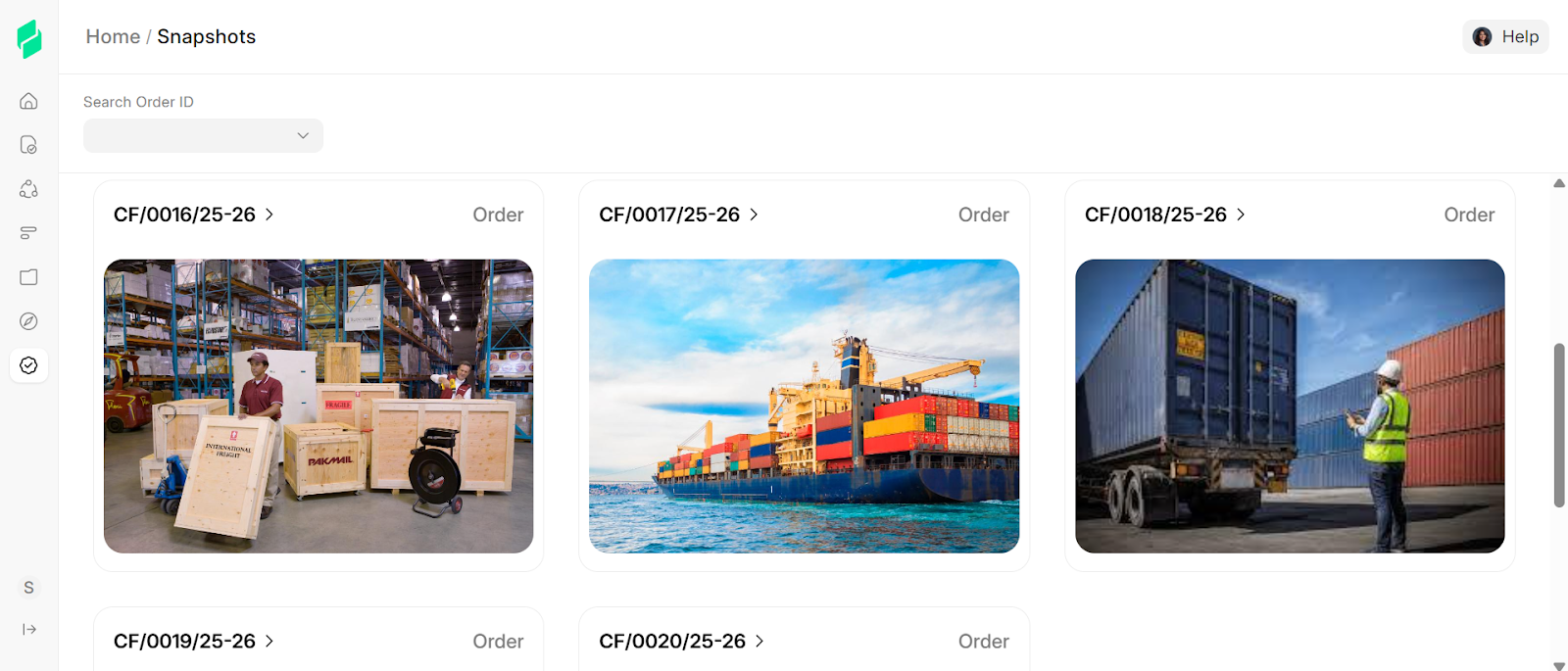
Here’s how Pazago can support businesses in overcoming logistics challenges and improving overall supply chain efficiency:
- Centralized Logistics Management: Managing shipments, suppliers, and communication across multiple platforms creates inefficiencies and poor coordination. Pazago provides a unified platform to streamline logistics, improving coordination and reducing inefficiencies.
- Real-Time Shipment Tracking: Lack of shipment visibility during delays leads to frustration for both businesses and customers. Pazago offers real-time tracking, allowing businesses and customers to monitor shipment locations and address issues proactively.
- Streamlined Documentation and Compliance: Handling paperwork and compliance manually is time-consuming and prone to errors, often causing delays. Pazago automates documentation and compliance, ensuring accurate and timely submission of forms, minimizing delays from errors.
- Financial Tools: Cross-border payments and currency exchanges can be complex and difficult to track. Pazago simplifies financial management, streamlining payments, currency exchanges, and tracking financial responsibilities.
- Handling Various Cargo Types: Tackling different types of cargo often requires working with multiple service providers, leading to inefficiencies. Pazago offers specialized solutions for various cargo types, enabling businesses to manage all shipments through a single provider.
Conclusion
Logistics challenges are inevitable, but they don’t have to hinder your business’s growth. By embracing technology, optimizing processes, and building strong relationships with suppliers, businesses can tackle these hurdles head-on. Pazago offers the tools and services needed to streamline logistics operations, reduce delays, and improve customer satisfaction.
Ready to tackle logistics challenges head-on? Discover how Pazago can help optimize your logistics operations and improve efficiency. Contact us for a demo today!
FAQs
1. What are the main logistics challenges businesses face?
Businesses often face infrastructure limitations, supply chain disruptions, inventory mismanagement, and technological gaps that affect logistics efficiency.
2. How does technology improve logistics operations?
Technology like real-time tracking, AI analytics, and automated inventory management helps streamline operations, reduce errors, and enhance decision-making, leading to smoother logistics.
3. How can businesses reduce inventory management issues?
Implementing demand forecasting tools and adopting JIT inventory systems can help businesses optimize their stock levels, reducing the risk of stockouts and overstocking.
4. Why are supply chain disruptions so damaging?
Supply chain disruptions, caused by external factors like natural disasters or geopolitical events, can halt the flow of goods, cause delays, and result in inventory shortages, affecting business operations and customer satisfaction.
5. How can businesses improve supplier relationships to minimize logistics challenges?
By establishing long-term partnerships, maintaining clear communication, and collaborating on schedules, businesses can ensure a smoother supply chain with fewer delays and issues.