.png)


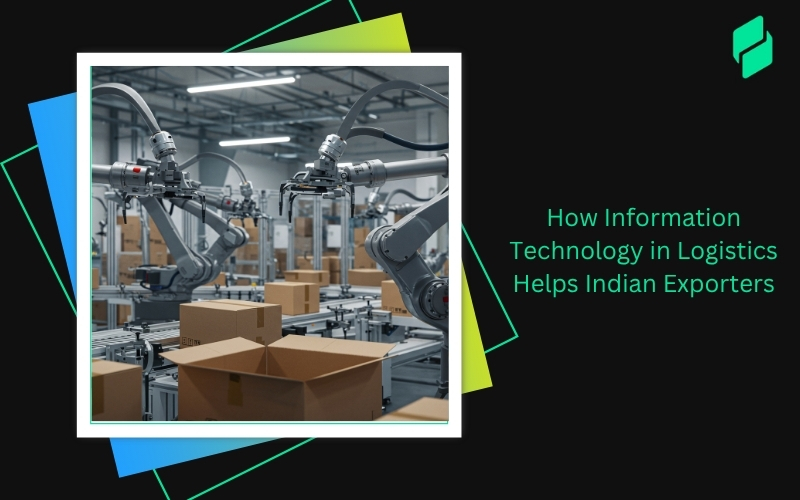
How Information Technology in Logistics Helps Indian Exporters
Optimize your business: use unlimited savings with Pazago fulfilled now!
Get Started ->Logistics in India pose major challenges for exporters, particularly due to rising operational costs and delayed shipments. These issues are especially difficult for SMEs that want to compete in international markets. Many small businesses struggle to keep up with rising demand and often face challenges managing global shipping operations.
India’s logistics sector saw significant investment in FY25, capturing 67% of the country’s total industrial and logistics investments. This shift highlights the growing need for more efficient solutions to address logistics challenges. As a result, businesses must adapt quickly to modern technology to stay ahead.
In this blog, we’ll explore how information technology can improve logistics management. We will discuss key technologies, the benefits of IT adoption, common challenges, and the future of logistics in India. By the end, you’ll know how to better manage your logistics with the help of modern solutions.
Key Takeaways:
- Logistics Challenges in India: Rising costs, delays, and limited visibility into shipping are major obstacles for exporters and SMEs.
- IT Solutions for Logistics: Automation, real-time tracking, and data analytics are crucial to improving logistics operations.
- Top Technologies: AI, IoT, blockchain, and cloud computing are driving improvements in efficiency and transparency.
- Barcoding & EDI: These technologies help streamline inventory management and enhance data exchange across systems.
- Addressing Barriers: Overcoming high costs, resistance to change, and skill gaps is essential to successfully adopting IT solutions.
How Information Technology Powers Logistics and Supply Chain Efficiency
Information technology plays a vital role in improving logistics and supply chain management by improving speed, accuracy, and overall performance. It helps businesses manage complexity, reduce costs, and increase operational visibility. By using the right tools, logistics can become more efficient and responsive to market demands.

Let’s look at some of the key ways IT impacts logistics and supply chain operations:
- Inventory Management: IT tools help monitor stock levels in real time, preventing overstocking or stockouts and ensuring that you have the right products at the right time.
- Supply Chain Visibility: Technologies such as GPS and RFID provide end-to-end visibility, enabling businesses to track shipments and address delays or issues before they escalate.
- Optimised Decision-Making: Data analytics and AI help improve decision-making by analysing trends and providing insights that guide operational adjustments, such as better route planning or inventory management.
- Order Management: Automated order processing reduces human error and ensures faster, more accurate order fulfilment, leading to improved customer satisfaction.
- Collaboration Across Stakeholders: IT platforms enable smooth communication among suppliers, carriers, and customers, ensuring everyone is aligned and up to date on shipment status.
With a solid understanding of IT's role in logistics and supply chain operations, it’s time to explore the technologies driving these improvements.
Also Read: Understanding Different Types of Logistics in Supply Chain Management
Top IT Technologies Improving the Logistics Industry in 2025
The logistics sector is undergoing significant change, driven by the adoption of various information technologies. These technologies help solve problems like rising costs, inefficiencies, and the need for up-to-date data. Understanding them is essential for businesses wanting to improve logistics operations.
Below are some of the key IT technologies currently transforming logistics:
- Barcoding and Automatic Identification: Barcoding and Automatic Identification Systems (AIS) enhance inventory accuracy by scanning and tracking products. Barcodes make it easier to identify products and reduce human error, which improves speed and accuracy in warehousing and shipping.
- Electronic Data Interchange (EDI): EDI allows the electronic transfer of data between businesses. It reduces paperwork, eliminates manual entry errors, and speeds up communication between suppliers, customers, and carriers.
- Data Management and Relational Databases: Managing and organising large amounts of data is crucial for logistics businesses. Relational databases store data that can be easily accessed and processed for quick decision-making.
- Artificial Intelligence (AI) and Machine Learning (ML): AI and ML are being applied to forecast demand, improve route planning, and automate processes in warehouse operations for better efficiency.
- Internet of Things (IoT): IoT devices enable real-time tracking of shipments and inventory, while sensors monitor factors like temperature and humidity to ensure goods are transported under ideal conditions.
- Blockchain: Ensures goods are tracked securely and transparently throughout the supply chain, minimising the risk of fraud and building trust among all parties involved.
- Robotics and Automation: Robotic systems are now used in warehouses for tasks like sorting and packing, which helps speed up operations and reduce mistakes.
- Cloud Computing: Cloud-based platforms allow different parties in the supply chain to share data instantly and collaborate more easily. This approach also adds flexibility and scalability to logistics operations.
Now that we’ve covered the major technologies shaping the logistics industry, let’s look at the direct benefits these tools bring to businesses.
Also Read: Top 10 Supply Chain Innovations You Should Know About
The Key Benefits of IT in Logistics for Indian Exporters
Information technology offers several advantages for logistics operations, improving efficiency and cutting costs. By automating tasks and improving processes, businesses can provide better services and adjust quickly to changes in the market. IT solutions also provide greater transparency and better decision-making through real-time data.
Here are some key benefits of information technology in logistics:
- Improved Order Management: IT solutions automate the tracking and fulfilment of orders, reducing mistakes and speeding up deliveries. This helps ensure customers get their orders promptly and with fewer issues.
- Better Inventory Control: Automated inventory systems track stock levels in real time, preventing shortages and overstocking. Businesses can plan and manage their inventory more effectively with this data.
- Enhanced Customer Service: With real-time tracking and instant updates, customers stay informed about their shipments, leading to higher satisfaction. Proactive communication reduces customer concerns and enhances the overall experience.
- Cost Reduction: IT tools help reduce operational costs by optimising routes, reducing waste, and improving warehouse management. These cost-saving measures can be a significant benefit for small and medium-sized businesses.
- Increased Transparency: IoT devices and tracking systems provide real-time data, offering complete visibility of shipments. This helps businesses quickly identify and resolve potential delays or issues.
- Improved Decision-Making: Advanced analytics tools help businesses understand shipping trends and customer demand, enabling smarter decisions on inventory management, route planning, and resource allocation.
While adopting IT solutions can bring significant benefits, many businesses face challenges in implementation.
Also Read: How to Implement Inventory Tracking: Steps and Methods
Tackling Common Challenges in Adopting IT Solutions for Logistics
The obstacles often include high upfront costs, staff resistance, and cybersecurity concerns. It’s essential to understand and address these challenges to successfully integrate technology into logistics operations.
Here are some common challenges and ways to overcome them:
- High Initial Investment Costs: Implementing IT solutions can be a barrier for many SMEs. To manage this, consider phased implementation or explore government funding options to reduce the financial burden.
- Resistance to Change: Employees may resist new technology, especially if they are comfortable with existing processes. Offering training and clear communication about the benefits of IT can help ease this transition.
- Skill Gaps: Many businesses lack skilled personnel to manage advanced IT systems. Consider investing in employee training or hiring experts to fill these gaps and ensure smooth operations.
- Cybersecurity Risks: The adoption of IT increases exposure to cyber threats. To mitigate this, invest in robust cybersecurity systems and regularly update them to protect sensitive logistics data.
- Compatibility with Existing Systems: Integrating new IT systems with legacy systems can be challenging. Conduct a thorough system audit before adoption to ensure compatibility and smooth integration between old and new technologies.
By understanding the challenges in adopting IT, businesses are better prepared to implement practical solutions. Pazago can help overcome these hurdles by offering comprehensive tools to manage logistics more efficiently.
Also Read: Key Challenges and Solutions in Supply Chain Management
Enhancing Logistics Management With Pazago
Pazago offers a comprehensive platform that simplifies these complexities. By integrating various logistics functions into one system, Pazago helps businesses improve transparency, reduce errors, and enhance operational efficiency.
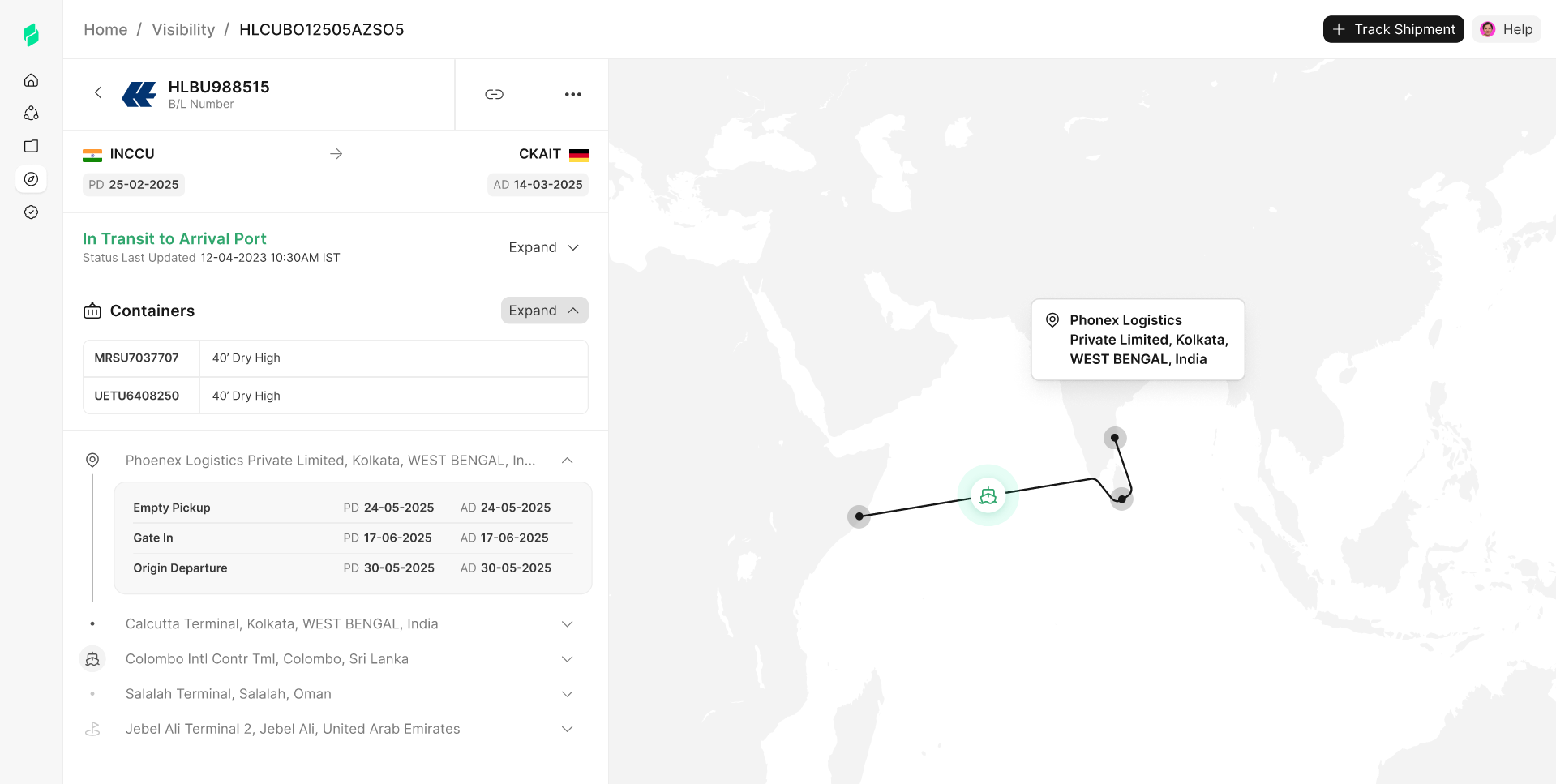
Here are some ways Pazago can enhance logistics management:
- Global Shipping Access: Pazago provides access to a network of over 180 shipping companies across 110+ countries, allowing businesses to select the most cost-effective and reliable freight routes.
- Real-Time Shipment Tracking: Track shipments in real time, providing complete visibility into the status of goods throughout the shipping process.
- Centralised Communication: The platform enables all stakeholders to communicate through a single platform, ensuring that everyone is on the same page and minimising miscommunication.
- Centralised Documentation: Manage all export-related documents in one place with Pazago, ensuring accurate, timely submissions to customs and preventing costly mistakes or delays.
With Pazago, you can simplify your logistics process and ensure better control over each step of your supply chain. It offers a reliable solution to keep your operations smooth and customer satisfaction high.
Conclusion
Adopting information technology in logistics offers numerous benefits, including cost reduction, improved transparency, and enhanced customer satisfaction. By integrating the right IT solutions, businesses can better manage supply chains and meet the demands of international markets. While challenges exist, overcoming them is crucial for staying competitive in the ever-changing logistics industry.
For Indian exporters and SMEs, solutions like Pazago provide the tools needed to simplify complex logistics operations. With features such as real-time tracking, centralised communication, and comprehensive document management, Pazago ensures a more efficient and reliable process from start to finish.
If you're ready to enhance your logistics operations and explore how technology can help, book a demo with Pazago today. Let us show you how our platform can support your logistics needs and help you scale your business globally.
FAQs
1. How can small businesses in India benefit from using IT in logistics?
Small businesses can improve their control over supply chain operations, lower costs, and enhance customer satisfaction by adopting IT solutions. Technologies like inventory management and real-time tracking help businesses streamline their processes, even on a smaller scale.
2. What are the most common hurdles faced when adopting IT solutions in logistics?
Common challenges include high initial setup costs, resistance from employees, and concerns about cybersecurity. Additionally, some businesses may struggle to integrate new technology into existing systems, requiring significant time and resources to manage.
3. Can information technology help reduce shipping delays in logistics?
Yes, IT solutions such as real-time tracking and automated alert systems provide greater visibility into the supply chain. This helps businesses spot possible delays early and take the necessary steps to keep deliveries on track.
4. What role does AI play in logistics management?
AI helps optimise logistics by predicting demand, improving route planning, and automating processes like sorting and packing in warehouses. It can also help reduce errors in supply chain management, improving overall accuracy.
5. Is cloud computing necessary for logistics management?
While not mandatory, cloud computing is highly beneficial. It allows businesses to share data in real time, collaborate efficiently with suppliers and carriers, and access scalable storage without maintaining costly infrastructure.