.png)


LCL Shipping: Definition, Usage, and Cost
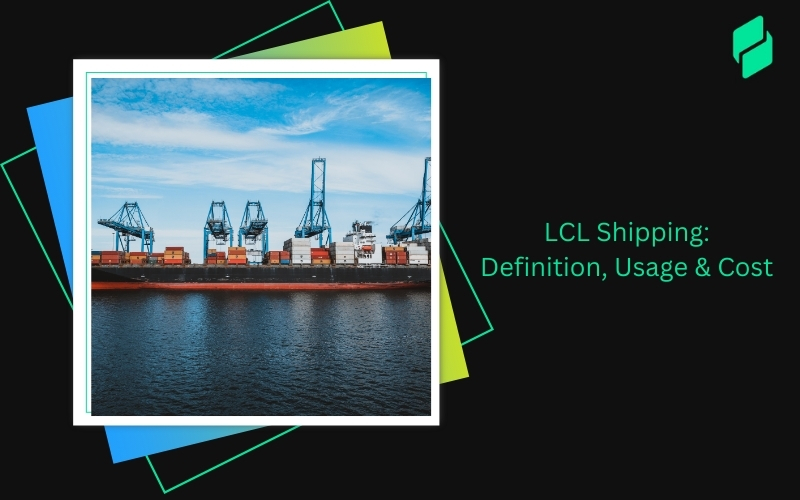
Optimize your business: use unlimited savings with Pazago fulfilled now!
Get Started ->As an exporter, managing the shipping process can often feel like a daunting task. Balancing logistics, costs, and time can be tricky, especially when you have limited cargo to ship. Many small to medium-sized businesses (SMEs) face the same dilemma, unsure of how to keep their shipping costs low while reaching global markets.
According to UNCTAD, container ships now transport 1.5 times more cargo compared to a decade ago, highlighting the ever-growing significance of the shipping industry in global trade. Understanding available shipping options can save you money, reduce stress, and help your business expand globally.
In this blog, we'll explore LCL shipment, what it is, how it works, and why it might be the right choice for your business. We'll also cover the key differences between LCL and FCL, the associated costs, and how partnering with the right logistics provider can simplify the process.
Key Takeaways:
- LCL shipping allows businesses to share container space, making it cost-effective for small shipments.
- It's slower than FCL shipping due to consolidation, but offers flexibility for irregular shipment volumes.
- Key costs include cargo volume, destination port fees, fuel surcharges, and additional handling.
- Proper documentation and packaging are crucial to avoid delays and ensure safe transport.
- Pazago simplifies LCL shipping with features like real-time tracking, document management, and quality inspection scheduling.
What is LCL Shipping & How Does It Work?

LCL (Less-than-Container Load) shipping allows businesses to share a shipping container with others, making it ideal for smaller shipments. Instead of filling an entire container with goods, your cargo shares space with goods from other shippers. This method helps you save money while still using a containerized approach to transport your goods internationally.
Let's break down how LCL shipping works and highlight the main steps involved in the process.
- Booking the Shipment: You start by booking your LCL shipment with a freight forwarder or shipping company.
- Consolidation: Your cargo is grouped together with other shipments at a Container Freight Station (CFS) before being loaded into a shipping container.
- Container Loading: All goods are placed in a single container and sealed for transport.
- Shipping: The container is then shipped to the destination port, where it will be unloaded for further processing.
- Deconsolidation: Upon arrival, the container is opened, and your goods are separated for delivery to your final destination.
- Final Delivery: After deconsolidation, your goods are delivered to the designated address you provided.
Now that you have a clear understanding of what LCL shipping is and how it works, it's time to compare it with another standard shipping method: FCL (Full Container Load).
Also Read: Complete Guide to Less Than Truckload (LTL) Shipping for Indian Exporters
LCL vs. FCL: Key Differences and Which One to Choose?
Understanding the difference between LCL (Less-than-Container Load) and FCL (Full Container Load) is essential for making the right shipping choice. Both options offer benefits depending on the volume of goods you need to ship. LCL can be ideal for smaller shipments, while FCL suits businesses with larger cargo volumes.
Below is a comparison of key differences between LCL and FCL to help you decide which option is right for your business:
After exploring the differences between LCL and FCL, you might already have an idea of which shipping method works best for you. However, the final decision is also influenced by the costs associated with each method.
Also Read: What Is FCL Shipping? Definition, Container, Prices
Costs and Factors Affecting LCL Shipping

LCL shipping costs are influenced by several factors. By understanding these key elements, you can plan your budget and make more informed choices when shipping goods internationally. Knowing what influences the cost will help you avoid unexpected expenses and ensure smoother shipping.
Here are the primary factors that affect LCL shipping costs:
- Cargo Volume and Weight: Charges are usually based on the greater of the actual weight or volume (measured in cubic meters or CBM) of your shipment.
- Destination Port Fees: The cost can vary depending on the port of entry, as some ports have higher fees and taxes.
- Fuel Surcharges: Fluctuations in fuel prices may lead to surcharges that increase overall shipping costs, especially for long-distance shipments.
- Handling and Documentation Fees: Additional charges may apply for customs clearance, inspections, and handling services.
- Seasonality: Shipping rates may increase during peak seasons, such as holidays or periods of high demand for shipping capacity.
- Consolidation and Deconsolidation Fees: The cost of consolidating and deconsolidating goods at the port, as well as handling the separation of cargo, can impact the total price.
- Insurance Costs: The need for cargo insurance, depending on the value of your goods, adds to the overall expense.
While understanding the costs involved in LCL shipping is crucial for planning your budget, it's equally important to ensure your shipments are correctly documented and packaged.
Also Read: Analyzing Freight Charges and Rates in India
Documents and Packaging Requirements for LCL Shipping
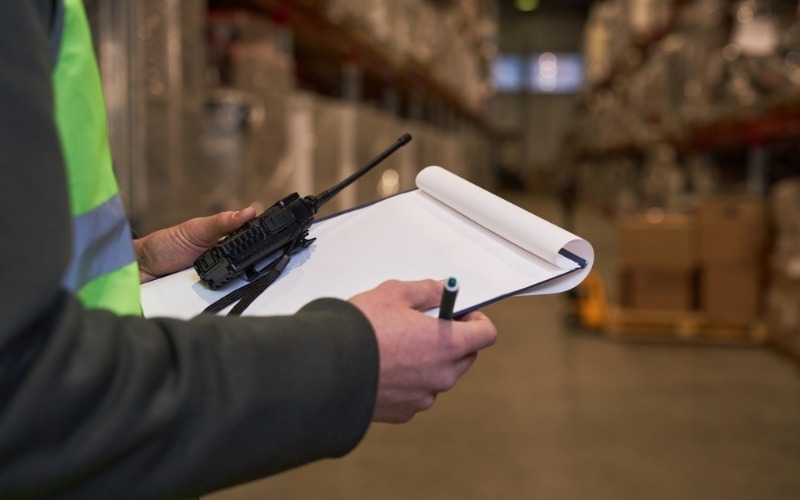
Proper documentation and packaging are essential when shipping goods via LCL to ensure smooth transit and customs clearance. The appropriate documentation helps ensure that your goods are tracked correctly, meet international regulations, and move efficiently through the process. Adequate packaging protects your products during transportation, reducing the risk of damage or delays.
Here are the key documents and packaging requirements for LCL shipments:
- Bill of Lading (B/L): This document serves as proof of shipment and a contract between the shipper and the carrier. It is crucial for customs clearance and claims.
- Commercial Invoice: This document includes a detailed description of the goods, their value, and the terms of the sale. Customs use it for valuation and duty purposes.
- Packing List: This lists all items in the shipment, including their weight and dimensions. It helps to verify the cargo and streamline the unloading process.
- Certificate of Origin: This document confirms where the goods were manufactured. It is required for customs and can impact duties and taxes.
- Insurance Certificate: Depending on the value of your cargo, having an insurance certificate can protect your goods during the shipping process.
- Correct Labeling and Packaging: Your cargo should be labeled appropriately with destination information and handling instructions. Strong packaging, including using sturdy boxes and securing items, is essential to prevent damage.
- Palletization: If your goods are being palletized, ensure the pallets are well-packed, secure, and meet shipping standards for handling at ports.
Now that you are familiar with the documents and packaging required to ship goods via LCL, it's time to weigh the advantages and challenges associated with this shipping method.
Also Read: Common Documents Required for Import and Export Procedures
Advantages and Challenges of LCL Shipping

LCL shipping can be an excellent option for small and medium-sized businesses looking to export their goods. It offers both flexibility and cost savings, making it appealing for many exporters. But, like any shipping method, it comes with its own set of challenges that should be considered. By considering both the benefits and the challenges, you'll be in a better position to determine if LCL is the right option for your business.
Advantages of LCL Shipping
LCL shipping offers various benefits for businesses looking to reduce shipping costs while sending smaller quantities of goods. Below are some key advantages:
- Cost-Effective: LCL allows businesses to pay only for the space they need, making it an affordable option for smaller shipments.
- Flexibility: It provides the flexibility to ship smaller quantities regularly, making it ideal for businesses with fluctuating demand.
- Access to Global Markets: Small businesses can reach international markets without committing to large-scale shipping volumes or paying for unused space in a full container.
- Reduced Inventory Costs: More frequent shipments enable businesses to manage inventory better and avoid the costs of storing large volumes.
- More Frequent Shipping Schedules: Since your cargo is consolidated with others, LCL shipments can occur more often than FCL shipments, providing quicker delivery.
Challenges of LCL Shipping
While LCL offers several advantages, there are challenges that exporters should consider before opting for this shipping method. Below are some of the key challenges:
- Longer Transit Times: LCL shipments generally take longer due to the consolidation process, which involves waiting for enough cargo to fill a container.
- Risk of Damage: Shared containers mean your goods are handled multiple times, increasing the risk of damage during transit.
- Customs and Clearance Delays: LCL shipments often involve more documentation and handling, leading to potential delays in customs clearance.
- Higher Handling Costs: The process of consolidating and deconsolidating cargo can lead to additional handling fees, increasing overall costs.
- Limited Control Over Container Space: Since your cargo shares space with other shipments, you may not have control over how the goods are packed or how much space is left for your items.
While LCL shipping has its advantages, it's essential to explore other options, such as air cargo, to determine the best fit for your shipment.
Also Read: Common Challenges and Issues in International Business
LCL or Air Cargo?
When choosing between LCL (Less-than-Container Load) shipping and air cargo, it's essential to consider factors such as cost, speed, and shipment size. Both options offer practical ways to move goods internationally, but each method has distinct advantages and limitations. Knowing the differences between these options will help you select the best shipping method to meet your business’s specific needs.
Below is a comparison table to help you make an informed decision between LCL shipping and air cargo:
Choosing the right shipping method is just one part of the equation. To make sure your goods are transported safely and without issues, it's crucial to partner with a trusted logistics provider.
Also Read: Understanding Dimensions and Weight in Air Freight Shipments
How Pazago Can Help with LCL Shipping?

Managing LCL shipments can be a challenge, but Pazago offers several tools and services to simplify the process. From handling different types of cargo to tracking shipments and managing documentation, Pazago ensures that every step of the process is dealt with smoothly.
Here's how Pazago can assist with your LCL shipping needs:
- Handling Different Types of Cargo: Pazago can handle a wide variety of cargo types, from refrigerated goods and dry items to hazardous materials and large, bulky shipments.
- Real-Time Shipment Updates: With Pazago, you can track your LCL shipment at any time and get updates on its location, condition, and any potential delays.
- Clear Communication Channels: Pazago makes it easy to communicate with freight forwarders, customs agents, and buyers, ensuring quick responses and reducing misunderstandings.
- Organizing Shipping Documents: Pazago provides a centralized platform for all necessary documents, including invoices and customs forms, to help avoid errors and delays.
By using Pazago, exporters can more effectively manage their LCL shipments and ensure a smooth, efficient process from start to finish.
Conclusion
LCL shipping is a cost-effective and flexible solution for small and medium-sized businesses that need to export goods. By familiarizing yourself with the process, costs, and required documents, you can ensure your shipments run smoothly and avoid any unnecessary delays. While there are challenges, choosing the right logistics partner can make all the difference.
Pazago offers a range of services that help exporters manage their LCL shipments with ease. From real-time tracking to simplifying communication and handling all documentation, Pazago ensures a smoother process.
Ready to simplify your LCL shipping? Book a demo with Pazago today to see how our platform can make shipping easier for your business.
FAQs
1. How do I know if LCL shipping is right for my business?
LCL shipping is a great option for businesses with smaller shipments that don’t fill up an entire container. If you’re exporting goods in smaller or irregular volumes, LCL lets you share space with other shipments, helping to reduce costs.
2. What is the main difference between LCL and FCL shipping?
LCL includes sharing a container with other shipments, making it more cost-effective for smaller loads. FCL, on the other hand, requires a full container for a single shipment, which is more suitable for larger volumes.
3. How are LCL shipping costs calculated?
LCL shipping costs are typically depend on the greater of the actual weight or volume of your cargo, measured in cubic meters (CBM). Additional charges may include port fees, fuel surcharges, and handling fees.
4. Can I track my LCL shipment during transit?
Yes, many freight forwarders and platforms like Pazago offer real-time tracking for LCL shipments, enabling you to monitor the location and condition of your cargo throughout its journey.
5. What should I do if my goods get damaged during LCL shipping?
If your goods are damaged during LCL shipping, you should file a claim with the carrier or insurance provider. Ensure that you have proper packaging and insurance in place to protect against potential damage during transit.