.png)


How to Reduce Lead Time in the Supply Chain: Practical Exporter Guide

Optimize your business: use unlimited savings with Pazago fulfilled now!
Get Started ->Lead time is a critical factor that can make or break export operations. Long lead times increase costs, disrupt supply chains, and affect buyer trust, especially in competitive international markets.
Delays at each stage of export processing can compound into costly inefficiencies. For example, international trade facilitation data shows that the average waiting time in port increased for both developed and developing economies to 10.9 hours in March 2024, highlighting that global ports are grappling with congestion and prolonged ship waiting times.
This guide provides practical strategies for first-time and experienced exporters to reduce lead time in their supply chains. From smarter demand planning to using digital platforms, these insights help exporters deliver faster, cut costs, and stay competitive in global markets.
Quick Summary
- Reducing lead time improves delivery reliability, lowers inventory costs, strengthens buyer trust, and directly increases exporter profitability and competitiveness globally.
- Lead time spans suppliers, production, documentation, transportation, and customs, so exporters must optimise every stage to achieve meaningful reductions.
- Supplier coordination, lean production, accurate forecasting, and efficient transportation planning are the most impactful levers for faster export cycles.
- Documentation errors, port congestion, supplier delays, and poor visibility are major lead time risks that exporters must proactively manage.
What Is Lead Time in the Supply Chain?

Lead time is the total time it takes for a product to move from the initial stage of production or order placement to its final delivery at the customer’s location. For exporters, it includes every step, from sourcing raw materials, manufacturing, packaging, customs clearance, freight transportation, to final delivery at the destination port or buyer’s warehouse.
Understanding lead time is essential because it affects:
- Inventory planning: Longer lead times require higher safety stock to prevent stockouts.
- Customer satisfaction: Late deliveries can harm relationships with international buyers.
- Cost efficiency: Delays increase storage, demurrage, and opportunity costs.
- Flexibility: Shorter lead times allow exporters to respond faster to market demand changes.
Lead time is usually broken down into components such as order processing time, production time, internal logistics, external transportation, and customs clearance. Monitoring and optimising each segment can help exporters achieve faster, more predictable shipments.
Also Read: Understanding the Benefits of Advanced Shipping Notice in Supply Chain
Factors That Increase Lead Time in Export Supply Chains

Several elements can extend lead time, creating delays and higher costs for exporters. Identifying these factors is the first step in reducing overall supply chain timelines. Key contributors include:
- Supplier Delays: Late delivery of raw materials or components can push back production schedules. Reliance on single or distant suppliers increases the risk of delays due to transportation or production issues.
- Production Bottlenecks: Inefficient manufacturing processes, equipment breakdowns, or labour shortages slow down order fulfilment. Lack of standardised workflows or quality checks can result in rework, further increasing lead time.
- Transportation and Freight Issues: Port congestion, limited vessel space, or weather disruptions can delay container shipments. Long transit routes and slow customs clearance at origin or destination extend delivery timelines.
- Documentation and Compliance Errors: Incorrect invoices, missing certificates, or non-compliance with export regulations can hold shipments at ports. Frequent manual handling of documents increases the chances of errors and delays.
- Demand Forecasting Errors: Poor estimation of order volumes can lead to production over- or under-preparation. Last-minute order changes or urgent shipments can disrupt pre-planned schedules.
By understanding these factors, exporters can proactively implement strategies to minimise delays, streamline operations, and ensure timely deliveries.
Strategies to Reduce Lead Time in Export Supply Chains

Minimising lead time directly improves customer satisfaction, lowers inventory costs, and strengthens competitiveness. Exporters who systematically address every stage of their supply chain can achieve faster deliveries, reduce operational bottlenecks, and maintain a reputation for reliability.
The following strategies are critical for both first-time and experienced exporters:
1. Optimise Supplier Management
Your supply chain begins with your suppliers. Delays at this stage ripple through production, logistics, and delivery. To reduce lead time effectively:
- Partner with reliable suppliers: Choose vendors with proven on-time delivery records and transparent communication. Conduct periodic audits to ensure consistency.
- Maintain backup suppliers: Build a network of secondary suppliers to prevent production halts due to material shortages or delays.
- Use Supplier Relationship Management (SRM) tools: Track supplier performance metrics such as average lead time, order accuracy, and quality compliance. Digital dashboards provide early warning signals for potential delays.
- Negotiate clear delivery schedules: Include penalties for late deliveries and incentives for early shipments to motivate suppliers to maintain timelines.
2. Streamline Production Processes
Inefficient production processes are a major contributor to extended lead times. Lean and automated workflows can accelerate output without sacrificing quality:
- Implement lean manufacturing principles: Identify and eliminate bottlenecks, unnecessary steps, and redundant inspections in production.
- Standardise workflows: Ensure every task follows consistent procedures to reduce variability and errors.
- Automate repetitive tasks: Use robotics, automated packaging, and workflow software to handle labour-intensive tasks efficiently.
- Schedule preventive maintenance: Avoid unexpected machinery breakdowns that can halt production and delay shipments.
3. Use Technology for Documentation
Documentation delays are a common driver of extended lead times in export supply chains. Incorrect commercial invoices, packing lists, or bills of lading can slow customs clearance, increase port dwell time, and disrupt vessel schedules.
- Use digital tools to minimise documentation mismatches: Standardised templates and electronic submissions reduce manual errors and shorten customs review cycles.
- Enable electronic customs filings: Digital submissions accelerate processing, reduce rework, and help prevent clearance-related delays.
- Improve shipment visibility during customs stages: Real-time tracking enables exporters to respond quickly if inspections or documentation checks delay departures.
Beyond documentation, dependable logistics coordination plays a critical role in protecting lead time. Pazago supports exporters with stable freight planning, confirmed container bookings, coordinated loading schedules, and structured daily shipment updates.
4. Efficient Transportation Planning
Transport is often the largest variable in lead time. Optimising logistics can save days or even weeks:
- Consolidate shipments: Full Container Load (FCL) shipping or grouped LCL shipments maximise container utilisation and reduce multiple handling delays.
- Select reliable carriers: Partner with shipping lines and trucking providers known for timely service and consistent transit times.
- Plan optimal routes: Avoid congested ports, slow hubs, and peak season bottlenecks by using predictive analytics and port congestion data.
- Negotiate clear transit schedules: Ensure carriers commit to realistic departure and arrival timelines to prevent unexpected delays.
5. Improve Inventory and Demand Planning
Accurate demand forecasting and inventory management reduce last-minute rush orders that inflate lead times:
- Maintain safety stock: Critical items should have buffer inventory to meet sudden spikes in demand.
- Use predictive analytics: Use historical data, seasonality, and market trends to forecast demand accurately.
- Align production schedules with market demand: Coordinate inventory replenishment and production cycles to avoid idle time or rushed orders.
A proactive approach to supplier management, production efficiency, documentation, logistics, and collaboration ensures that exporters stay competitive in the global marketplace, even during periods of high demand or market disruptions.

Also Read: Top Logistics and Supply Chain Management Companies in India
Benefits of Reducing Lead Time for Exporters

Reducing lead time in the export supply chain brings measurable advantages, both operationally and financially. Key benefits include:
- Enhanced Customer Satisfaction: Faster delivery times improve buyer confidence and loyalty. On-time shipments strengthen relationships with international clients and distributors.
- Lower Inventory Costs: Reduced lead times allow businesses to hold less stock. It also minimises storage expenses, obsolescence, and tied-up capital.
- Improved Cash Flow: Faster order fulfilment accelerates invoice generation and payments. It reduces working capital requirements for raw materials and finished goods.
- Increased Competitiveness: Quick response to market demand differentiates exporters in crowded global markets. Shorter lead times allow flexibility in fulfilling urgent or bulk orders.
- Risk Mitigation: Minimises exposure to disruptions such as port congestion, customs delays, or supplier issues. It provides more time to adapt to unexpected regulatory or logistics challenges.
By actively reducing lead time, exporters can strengthen operational efficiency, lower costs, and gain a competitive advantage in global trade.
Tips to Further Minimise Lead Time for Exporters
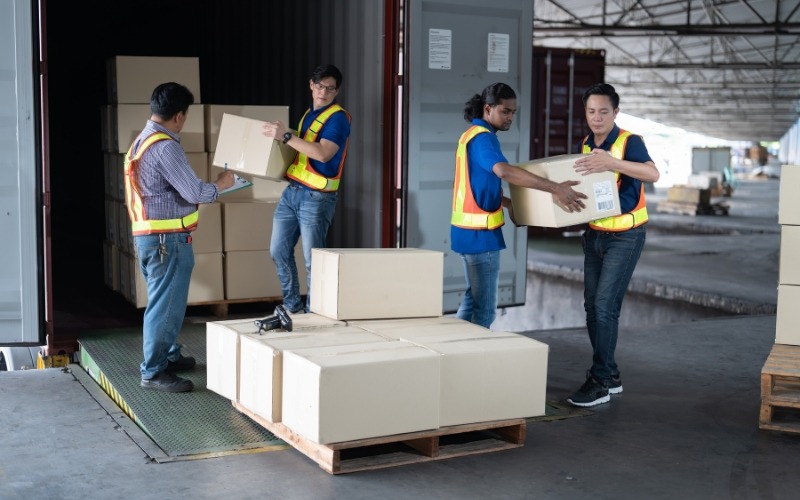
Even after implementing structured steps, exporters can adopt additional strategies to shave off time and improve efficiency across the supply chain:
- Build Strong Supplier Relationships: Maintain open communication with suppliers to resolve issues quickly. Establish preferred supplier agreements for priority production and faster deliveries.
- Consolidate Shipments Strategically: Group orders heading to the same destination to optimise container usage. Reduce the number of shipments to minimise port handling delays.
- Use Expedited Shipping When Necessary: Choose air freight or priority sea freight for time-sensitive orders. Negotiate preferential rates for recurring urgent shipments.
- Standardise Packaging and Loading Procedures: Implement uniform packaging for faster handling and easier customs inspections. Use pre-labelled pallets, standardised cartons, or modular containers.
- Monitor Performance Metrics Continuously: Track key lead time indicators such as order-to-delivery, production cycle, and transit duration. Analyse recurring delays and implement corrective actions.
By combining process improvements, technology, and proactive planning, exporters can significantly reduce lead time, improve customer satisfaction, and gain a competitive advantage in global markets.
Also Read: Top Pharma Supply Chain and Logistics Summit 2025
Common Challenges in Reducing Lead Time and How to Overcome Them

Reducing lead time is crucial, but exporters often face hurdles that can delay shipments. Recognising these challenges and implementing practical solutions ensures smoother operations.
1. Supplier Delays
Challenge: Suppliers failing to deliver raw materials or finished goods on time can disrupt production schedules.
Solution: Maintain multiple suppliers, establish clear lead times, and set up buffer stocks for critical items.
2. Customs and Regulatory Bottlenecks
Challenge: Incomplete documentation or non-compliance with export regulations can hold shipments at ports.
Solution: Keep all certifications, licenses, and HS codes ready. Leverage digital platforms for automated documentation checks.
3. Transportation Disruptions
Challenge: Delays in inland transportation, port congestion, or carrier issues can unexpectedly extend lead times.
Solution: Partner with reliable logistics providers, plan alternate routes, and use tracking tools to monitor shipments.
4. Inefficient Order Processing
Challenge: Manual order handling, slow approvals, or disorganised workflows increase order-to-delivery time.
Solution: Automate order processing, centralise approvals, and maintain clear communication between sales, production, and logistics teams.
5. Forecasting Inaccuracies
Challenge: Poor demand forecasting often leads to last-minute production or procurement decisions, compressing shipment timelines and increasing the risk of missed sailings.
Solution: Strengthen planning by using historical sales data and market trends to more accurately anticipate order volumes. Early freight planning and timely container booking are essential once production schedules are confirmed.
By proactively addressing these common challenges, exporters can significantly reduce lead time, improve supply chain efficiency, and ensure timely delivery to international buyers.
How Pazago Helps Exporters Reduce Supply Chain Lead Time
Reducing supply chain lead time is not only about internal process improvements. Once cargo is ready, freight planning, container availability, port coordination, and shipment visibility often determine whether timelines hold or slip.
At this stage, dependable logistics planning directly influences delivery timelines. Pazago supports exporters by strengthening the freight and container stages that most directly affect lead time.
Here is how that support translates in practice:
- Stable freight rates that prevent last-minute rebooking: Long-term relationships with major shipping lines help exporters secure predictable pricing and avoid sudden rate changes that delay shipment confirmation.
- Confirmed container bookings and aligned loading schedules: Equipment is secured in advance, and loading is coordinated with factory or CFS timelines, reducing rollovers and missed sailings during peak periods.
- Hands-on coordination before and after dispatch: Clear guidance on booking timelines, document handovers, BL processes, and post-shipment follow-ups helps minimise gaps that can extend lead times.
- Structured daily shipment visibility: Regular status updates covering container movement, ETD and ETA changes, and transhipments allow exporters to react quickly to disruptions and protect delivery commitments.
- Consistent support across shipment volumes: Whether managing a single LCL consignment or multiple container movements, exporters receive the same level of logistics attention and transparent coordination.
By stabilising bookings, preventing rollovers, and improving shipment visibility, Pazago helps exporters keep cargo moving on schedule across international routes.
Conclusion
Reducing lead time in the export supply chain is essential for maintaining competitiveness, meeting delivery commitments, and strengthening buyer confidence. While supplier coordination and documentation discipline play a role, freight planning, container availability, and shipment visibility often determine whether timelines hold or slip.
Pazago helps exporters reduce avoidable delays through stable freight rates, confirmed container bookings, coordinated loading schedules, and structured daily shipment updates. By strengthening execution at the freight and port stages, exporters can minimise rollovers, reduce dwell time, and respond quickly to disruptions.
Looking to strengthen your logistics execution and reduce lead time? Contact us to see how Pazago supports exporters with predictable freight planning and clear shipment visibility.
FAQs
1. What is a realistic lead time reduction target for exporters?
Many exporters can achieve noticeable reductions in lead time within a few months by improving coordination, automating documentation, and optimising shipment planning, often without major infrastructure changes.
2. Does reducing lead time always increase logistics costs?
No. While expedited freight may cost more in the short term, reduced lead time often lowers total landed cost by reducing inventory holding, demurrage, and missed sales.
3. Which part of the export supply chain offers the quickest lead time improvement?
Documentation and booking coordination typically deliver the fastest gains, as automation can eliminate days of manual processing almost immediately.
4. How does lead time reduction impact buyer negotiations?
Shorter, predictable lead times strengthen bargaining power, enabling exporters to win repeat orders, negotiate better pricing, and secure long-term contracts.
5. Is lead time reduction equally important for all export industries?
Yes, but the impact varies. Perishables, fashion, pharmaceuticals, and seasonal goods benefit most, while industrial goods gain from improved planning reliability.
6. Can small exporters reduce lead time without large investments?
Absolutely. Small exporters often achieve faster results by digitising workflows, improving planning discipline, and working with reliable logistics partners, not expensive infrastructure.
7. How often should exporters review their lead time performance?
Lead time should be reviewed monthly at a minimum, with deeper quarterly analysis to identify recurring delays, seasonal patterns, and supplier or carrier performance issues.