.png)


Logistics Automation: Key Systems and Strategies for 2025
Optimize your business: use unlimited savings with Pazago fulfilled now!
Get Started ->Are shipment delays, manual documentation, and endless follow-ups with freight forwarders slowing down your export operations?
You face scattered communication, unclear shipment visibility, and rising costs that make every global transaction harder to manage. In 2025, the Logistics Data Bank under India’s National Logistics Policy tracked over 75 million containers across 101 inland depots, proof that digital, real-time logistics tracking is rapidly advancing. As India’s infrastructure modernizes, understanding logistics automation helps you keep pace, eliminate manual inefficiencies, and manage international shipments with the accuracy, transparency, and speed today’s trade demands.
Quick Overview
- Logistics automation replaces manual logistics tasks with digital systems that improve shipment visibility, accuracy, and delivery speed.
- Core systems like WMS, TMS, IoT tracking, and AI analytics connect operations for smoother export and import workflows.
- India’s trade ecosystem is accelerating automation through initiatives like NLP, ULIP, and real-time digital cargo tracking.
- Businesses adopting automation see faster clearances, lower logistics costs, and better control over their global supply chains.
What is Logistics Automation?
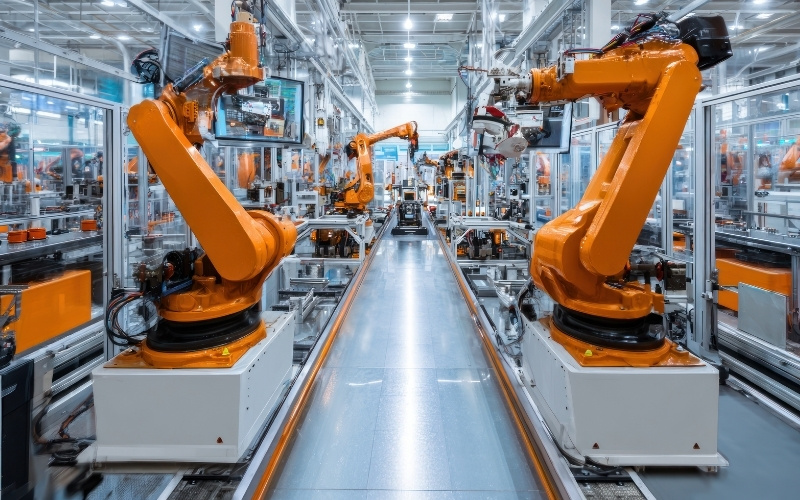
You can think of logistics automation as using technology to manage shipping, tracking, and delivery tasks with minimal human effort. It replaces manual coordination with digital workflows, AI forecasting, and robotic processes that simplify complex logistics operations. In simple terms, you automate transportation, warehousing, and documentation to reduce delays and boost operational speed. When you implement it, you gain real-time visibility, eliminate repetitive errors, and make your global trade cycle faster and more reliable.
Once you understand what logistics automation is, the next question naturally becomes, what tangible advantages does it actually deliver for your business?
The Benefits of Logistics Automation
Logistics automation is transforming India's export and import operations, offering SMEs a pathway to enhanced efficiency and competitiveness. By embracing automation, you can address sector-specific challenges and capitalize on emerging opportunities.
Here are the key benefits you can achieve by implementing logistics automation effectively:
- Enhanced Shipment Visibility: Automated systems provide real-time tracking across India's multimodal logistics networks, reducing uncertainty and improving delivery timelines.
- Faster Customs Clearance: Integration with platforms like ICEGATE streamlines documentation processes, expediting approvals, and ensuring compliance with Indian regulations.
- Optimized Transportation Routes: AI-driven route planning accounts for India's diverse infrastructure, minimizing transit times and reducing fuel consumption, thereby lowering costs.
- Improved Inventory Management: Automation helps balance supply and demand efficiently, reducing stockouts and overstock situations in India's dynamic market.
- Reduced Operational Costs: By decreasing dependency on manual labor, automation cuts down on payroll expenses and human errors, leading to significant cost savings.
- Scalability for Growth: Modular automation solutions allow SMEs to expand operations without significant infrastructure investments, supporting growth in India's competitive market.
- Enhanced Customer Satisfaction: Faster order processing and timely deliveries improve customer experience and loyalty, crucial for retaining business in India's diverse consumer base.
To unlock these benefits effectively, you’ll need the right systems working in sync; that’s where logistics automation truly takes shape.
Also read: Emerging Logistics Tech Trends and Their Meaning
Key Systems Driving Logistics Automation
To truly automate logistics, you need systems that connect operations, data, and decision-making across your trade cycle. These technologies address bottlenecks like shipment visibility, document delays, and coordination with trade partners. Below are the core automation systems transforming export and import logistics in India.
1. Warehouse and Execution Systems
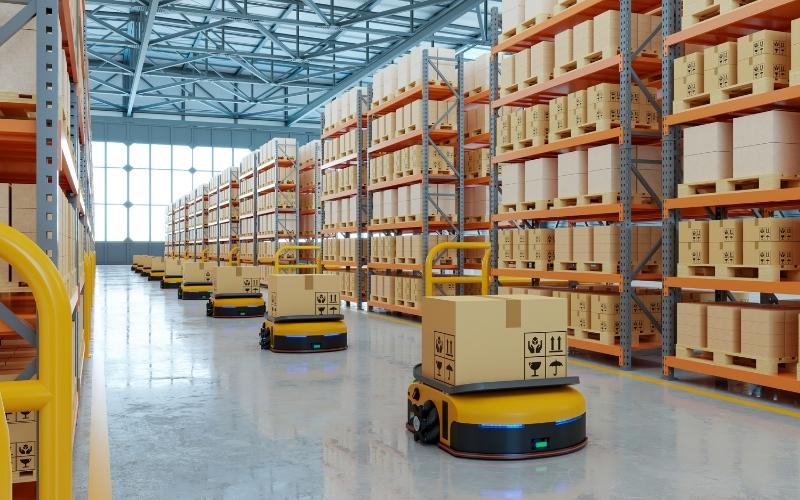
Warehouse Management and Execution systems automate picking, packing, and dispatch to reduce manual errors and delays. Clusters such as Tiruppur (textiles) and Bhiwandi (e-commerce fulfilment) benefit from WMS for SKU-level accuracy and faster order turnaround. Digitising warehouse workflows improves order accuracy, inventory visibility, and throughput without expanding headcount.
2. Transportation Management Systems
A Transportation Management System automates carrier selection, route planning, and freight cost comparison for multimodal shipments. TMS platforms also help you comply with India’s e-way bill and GST invoicing requirements while managing domestic and cross-border freight. Using TMS reduces empty miles, improves carrier performance, and gives clearer shipment visibility.
3. Document and Order Automation
Document automation digitises export and import paperwork like shipping bills, invoices, and certificates of origin to cut manual rework. These platforms commonly integrate with India’s ICEGATE, DGFT, and PCS 1x portals to speed customs filings and regulatory compliance. Automating documentation reduces processing time, lowers human error, and improves customs clearance predictability.
4. IoT and Real-Time Tracking
IoT sensors, RFID, and GPS trackers deliver live location and condition data for shipments moving across highways, ICDs, and ports. Cold-chain exporters and seafood suppliers rely on these sensors to maintain temperature and humidity thresholds throughout transit. Real-time tracking helps you detect exceptions early and protect product quality for international buyers.
5. Artificial Intelligence and Analytics
AI and analytics process historical shipment, weather, and port-congestion data to forecast delays and optimise routes. Freight planners use these insights to reroute shipments dynamically and adjust inventory buffers based on predicted arrival times. Predictive analytics supports better customer communication and lowers the cost of expedited recovery actions.
6. Robotics in Warehousing and Transport
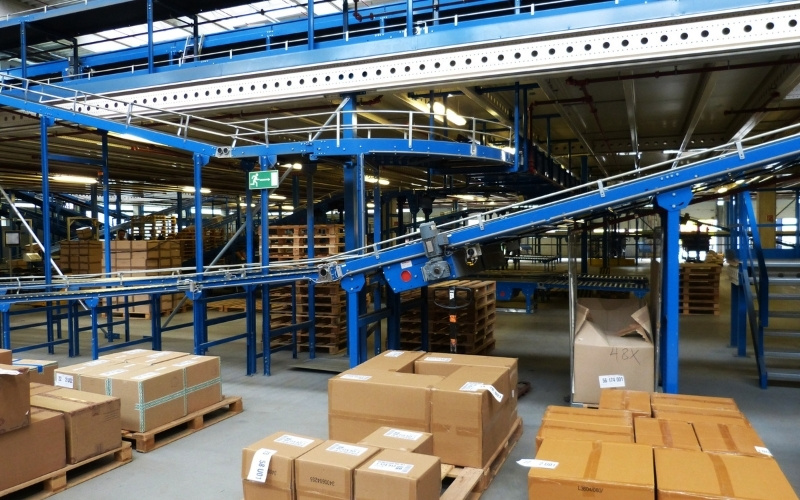
Robotics and automation handle repetitive warehouse tasks such as picking, sorting, and palletising to increase speed and consistency. Logistics parks and fulfilment centres deploy autonomous mobile robots and conveyor automation to scale peak-season volumes. These systems raise throughput and accuracy while reducing dependency on temporary labour.
7. Integration and Digital Ecosystems
Integration platforms connect WMS, TMS, ERP, and trade documentation systems to create end-to-end data flow across partners. API-based integrations with customs portals and logistics partners ensure a single source of truth for shipment status and compliance. A unified digital ecosystem reduces manual handoffs, speeds resolution, and strengthens auditability.
Pazago helps bring these systems together at the order level by centralizing logistics data, shipment timelines, and export documents in one place. This allows you to manage logistics coordination, visibility, and compliance without relying on scattered tools or manual follow-ups.
India’s logistics landscape isn’t changing by accident; a mix of technology adoption, government policy, and market demand is driving this transformation forward.
Key Drivers of Logistics Automation in India
Logistics automation is transforming India's supply chains, driven by technological advancements and strategic government initiatives. Understanding these drivers can help you align your business with emerging opportunities and navigate challenges effectively.
Here are the key factors propelling logistics automation in India:
- Government Infrastructure Initiatives: The National Logistics Policy (NLP) and PM Gati Shakti Master Plan aim to reduce logistics costs from 13–14% of GDP to under 10% by 2030. These initiatives focus on enhancing infrastructure and integrating multimodal transport networks.
- Digital Platforms for Efficiency: The Unified Logistics Interface Platform (ULIP) and Logistics Data Bank (LDB) are operational, streamlining cargo tracking and reducing delays. These platforms enhance transparency and operational efficiency across supply chains.
- AI Adoption Across Industries: Artificial Intelligence (AI) adoption in India has increased, with AI technologies enhancing productivity and efficiency across various industries. This growth is pivotal for transforming logistics operations.
- E-commerce Growth Driving Demand: India's e-commerce sector is expanding rapidly, necessitating faster and more reliable logistics solutions. Automation addresses the need for efficient last-mile delivery and inventory management.
- Labor Shortages and Skill Gaps: The logistics sector faces challenges due to a shortage of skilled labor. Automation helps mitigate these issues by reducing dependency on manual labor and improving operational efficiency.
- Environmental Sustainability Goals: The government aims to increase the railway's freight share from 35–36% to 45% by 2030 to reduce carbon emissions. Automation supports this shift by optimizing energy use and promoting sustainable practices.
- Regional Policy Support: States like Kerala and Tamil Nadu are implementing logistics action plans to enhance competitiveness. These plans focus on infrastructure development, technology adoption, and skill development in the logistics sector.
Once you know what’s fueling this shift, the next step is figuring out how to make automation actually work in your operations.
Also read: Popular Types of Logistic Management Software Tools
Strategies for Implementing Logistics Automation in 2025
Having the right systems is only half the journey; making them deliver measurable results requires a clear strategy. For exporters and importers, implementation must balance process control, staff readiness, and smart technology adoption. Here are the practical strategies you should follow in 2025.
1. Audit Your Logistics Processes
Begin by mapping every logistics step, from order receipt to delivery, customs clearance, and foreign payment reconciliation. Identify recurring bottlenecks such as manual documentation approvals, shipment visibility gaps, and communication delays with freight forwarders. These friction points often reveal where automation can yield the quickest efficiency and cost benefits.
2. Prioritize High-Impact Automation Areas
Instead of automating every function at once, focus on processes with the highest time and cost impact. Start with shipment tracking alerts, export documentation workflows, and carrier route optimization to demonstrate early ROI. These small, measurable successes build trust and momentum for larger automation investments.
3. Use Data to Drive Visibility
Accurate and integrated data is the foundation of every automation effort in logistics. Combine IoT device data and historical shipment records to forecast delays, optimize routing, and manage costs effectively. Many Indian exporters now use data-driven insights to predict port congestion and improve planning accuracy.
4. Choose Scalable and Modular Platforms
When selecting technology partners, ensure their systems support easy integration, scalability, and compliance with Indian trade standards. Platforms like Pazago Portal provide modular, cloud-based solutions that allow you to start small and expand as trade volumes grow. With API-enabled features and seamless connectivity to trade documentation and shipment tracking tools, you can simplify workflows while staying aligned with ICEGATE, DGFT, and other logistics networks.
5. Build Skills and Manage Change
Automation reshapes traditional roles, reducing manual tasks but increasing the need for analytical and strategic decision-making. Prepare your workforce through training in digital logistics tools, data interpretation, and exception management. Industry research highlights that people-centric supply chains continue to outperform fully automated ones in adaptability and service quality.
6. Track KPIs and Build a Business Case
Measure metrics like shipment cost per unit, documentation turnaround time, and on-time delivery performance. Quantifying improvements helps you justify future automation budgets and negotiate better rates with partners. Data-backed results also strengthen internal confidence in digital transformation initiatives.
7. Scale and Continuously Improve
After testing automation in select routes or partners, expand gradually across trade lanes and vendor networks. Collect feedback, monitor technology maturity, and refine processes based on evolving needs. With emerging tools like agentic AI and autonomous logistics, continuous adaptation will define competitiveness in 2025.
Simplify your logistics strategy with Pazago’s Document Management, where every export file is organized, secure, and ready when your shipment is.
These strategies show the “how”, but to understand the true difference automation makes, let’s look at the real impact it’s having across India’s logistics network.
Impact of Logistics Automation on the Indian Logistics Sector in 2025
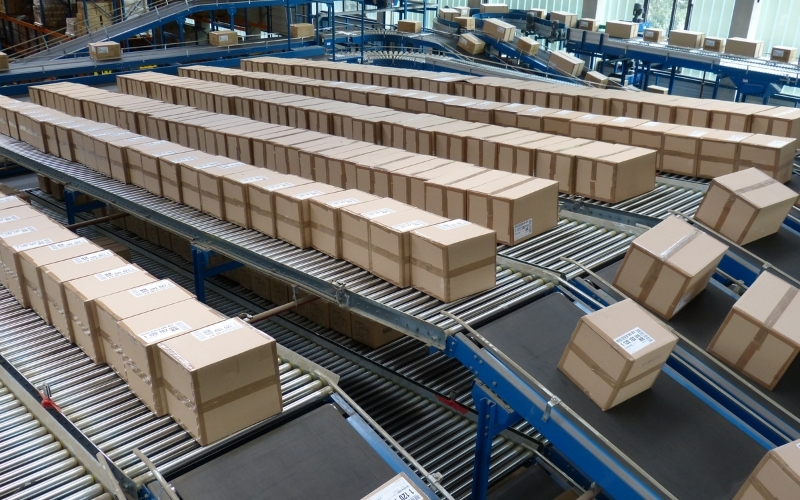
Automation has shifted India’s logistics industry from a manual, paper-heavy system to a technology-driven ecosystem. The impact is measurable, with faster clearance times, lower handling delays, and improved trade transparency now tangible results of automation-led reforms. You can clearly see how these changes are helping businesses operate faster, cheaper, and more reliably in international trade.
1. Faster Export and Import Clearances
In 2025, Indian seaports achieved an average regulatory clearance time of 29 hours and 36 minutes, a major improvement from earlier years of extended manual delays. Post–Let Export Order (LEO) logistics now average 157 hours and 50 minutes, reflecting significant time savings from digital documentation and cargo tracking. Automated port management systems and EDI-linked workflows have replaced manual entries, cutting turnaround times and demurrage costs for exporters.
2. Improved Border Efficiency and Trade Flow
At India’s Integrated Check Posts (ICPs), 93.33% of import cargo met the 48-hour release target under the National Trade Facilitation Action Plan (NTFAP). This improvement directly correlates with the adoption of automated customs risk assessment and digital gate entry systems. For you as an exporter or importer, this means smoother cargo movement across borders and faster access to overseas markets.
3. Significant Reduction in Land Port Delays
Government data in 2025 revealed that “Overall import advance regulatory clearance” at Indian land ports averaged just 6 hours and 10 minutes, down from 18 hours and 47 minutes the previous year. This dramatic improvement shows how automation and digital coordination between customs, terminal operators, and freight forwarders are eliminating paperwork bottlenecks. It translates into quicker cargo turnaround and reduced idle time for transport fleets.
4. Enhanced Data Visibility and Compliance
Digital integration between customs, port authorities, and logistics providers ensures every shipment can be tracked in real time. You gain full visibility over your cargo’s progress, from inland depots to export gateways — while ensuring compliance with trade regulations and the National Logistics Policy’s digital initiatives. This transparency builds confidence with international buyers and reduces the risk of non-compliance penalties.
5. Direct Economic Impact
As automation continues to expand across logistics corridors, India’s overall logistics cost, officially pegged at 7.97% of GDP, is projected to decline steadily through digital optimization and multimodal integration. For SMEs like yours, this means improved profit margins, more predictable trade cycles, and the ability to compete globally on cost and speed.
Also read: How Logistics Operations and Supply Chain Works
This level of transformation shows how automation is no longer just a concept, and platforms like Pazago are helping Indian exporters experience it firsthand.
Drive Smarter Logistics Automation with Pazago
Turn fragmented export operations into a single, automated system that keeps every order, shipment, and document under control. Pazago helps exporters manage long, complex export cycles by automating order data, logistics tracking, payments, and documentation, without relying on scattered emails, spreadsheets, or follow-ups.
- Structured Order Creation from Day One: Create export orders at the enquiry or quotation stage with buyer details, HS codes, quantities, and pricing already mapped, so logistics planning starts early, not after shipment booking.
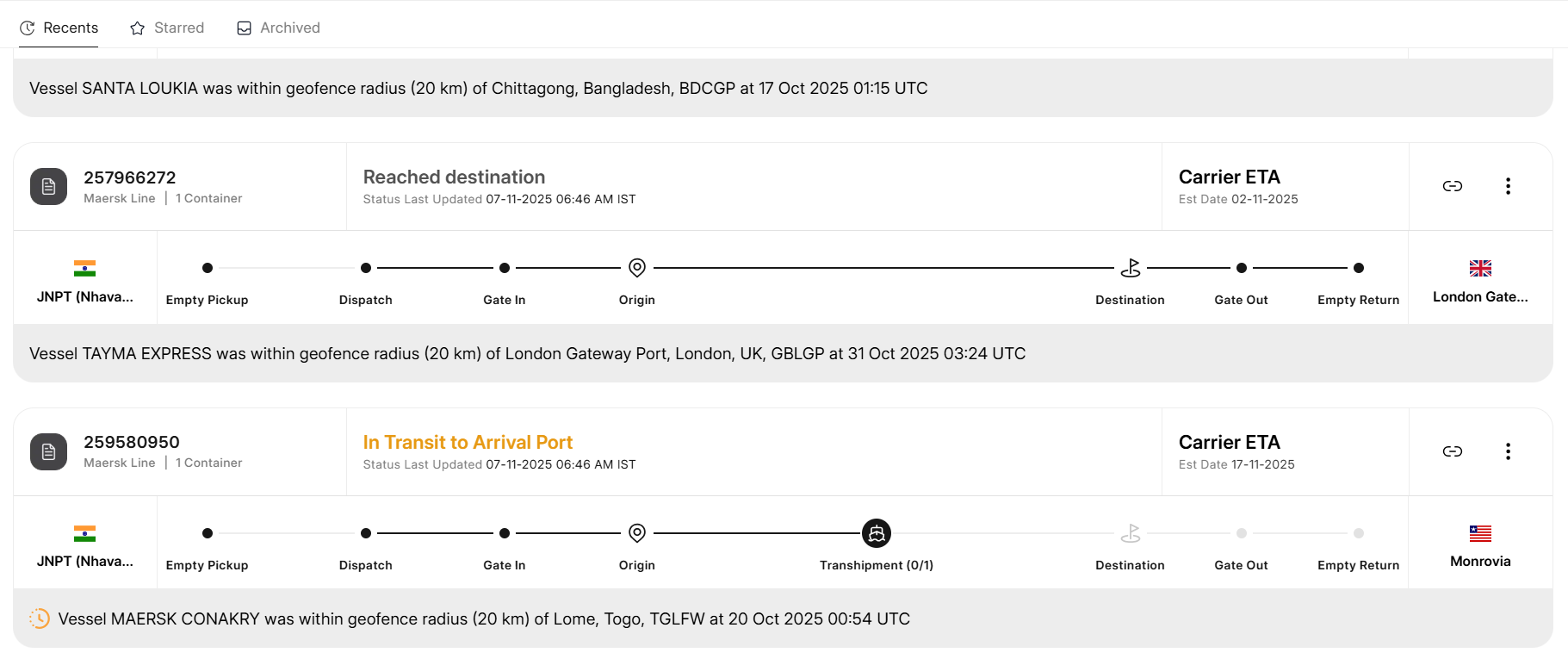
- Centralized Logistics Tracking per Order: Maintain a dedicated logistics view for each export order, capturing container numbers, freight charges, DO details, to forwarder updates in one place instead of emails and WhatsApp threads.
- Shipment Timelines and Critical Date Visibility: Track gate open, gate close, ETD, and truck dispatch dates in one shared view, giving production, logistics, and management teams the same shipment timeline.
- Automated Export Document Generation: Generate commercial invoices, packing lists, and other export documents directly from order data, eliminating mismatches that cause customs delays and financial penalties.
- Customizable Document Templates: Send documents in draft mode or apply logos and signatures instantly, removing manual steps like printing, scanning, and re-uploading during tight shipping schedules.
- Multi-Stage Payment Tracking: Manage advance payments, milestone-based collections, and due dates within the order itself, with reminders that prevent missed follow-ups during long export cycles.
- Centralized Order-Level Communication: Keep all internal discussions tied to the exact export order, so logistics instructions, buyer notes, and exceptions never get lost across tools.
- Container-Level Shipment Tracking: Track containers using BL or container numbers from a single interface and share live tracking links directly with buyers, reducing constant status queries.
- Export Analytics and Reporting: View exports by destination, region, and order status, helping you spot delays, track performance, and improve logistics planning over time.
Pazago turns logistics automation from a challenge into your competitive advantage, giving you end-to-end visibility, operational speed, and efficiency in every shipment.
Conclusion
Logistics automation in India is redefining how trade operates, making supply chains faster, more transparent, and remarkably cost-efficient. By replacing manual workflows with intelligent systems, exporters and importers can now manage every step of logistics with precision. Automation is no longer an option; it’s the foundation for growth, reliability, and competitiveness in India’s evolving trade environment.
Pazago empowers you to lead this change with integrated automation built specifically for global trade management.
Its platform connects logistics, documentation, insights, and payments, creating a seamless, end-to-end ecosystem for exporters and importers. With Pazago, your logistics processes move from reactive to predictive, enabling smarter decisions and faster shipments across every market.
Book your Pazago demo today and see how effortless logistics automation can make every shipment faster, smarter, and more profitable.
Frequently Asked Questions (FAQs)
1. What are the main benefits of logistics automation?
Logistics automation helps streamline operations, reduce manual errors, and speed up order fulfillment across supply chains. It allows you to track shipments in real time and make faster, data-backed decisions. The result is improved efficiency, reduced costs, and greater customer satisfaction.
2. How can small businesses start implementing logistics automation?
Start by identifying repetitive, time-consuming tasks such as documentation or order tracking. Invest in cloud-based systems that automate these functions without heavy upfront costs. Gradually expand automation as your business scales, focusing on processes that directly impact cost and delivery performance.
3. What technologies are commonly used in logistics automation?
Logistics automation relies on tools like IoT sensors, AI-powered route optimization, warehouse management systems, and robotic process automation. These technologies connect every stage of your supply chain, from storage to shipment. Together, they enable real-time visibility, predictive planning, and error-free execution.
4. How does logistics automation improve customer experience?
Automation ensures that your shipments move on time and your customers receive real-time updates on their orders. Fewer errors, faster communication, and transparent tracking create smoother transactions and stronger trust. Platforms like Pazago Fulfilled enhance this experience by integrating logistics, insurance, and order visibility into one seamless system.
5. What challenges can companies face while automating logistics?
Businesses often face challenges such as integrating legacy systems, managing data accuracy, and training teams for digital adoption. These issues can slow down implementation if not addressed early. Partnering with reliable logistics technology providers ensures a smoother transition and long-term operational efficiency.