.png)


Multimodal Transport Operator: Key Roles, Responsibilities, and Benefits for Global Shipping

Optimize your business: use unlimited savings with Pazago fulfilled now!
Get Started ->When you move cargo across multiple transport modes, complexity starts immediately. The shipment cannot rely on a single route or vehicle. Roads, rail links, port access, and transfer points all need to be evaluated before transport is even planned.
Multimodal shipments require route surveys, load and bridge assessments, and the right handling equipment. Permits, police escorts, and movement approvals add another layer of coordination. For exporters, delays can mean missing vessel cut-offs. For importers, cargo can get stuck at transfer points with no clear exit plan.
Without early planning and coordination, multimodal moves quickly turn into last-minute problem-solving. This blog explains what exporters and importers need to know about working with a Multimodal Transport Operator, and how proper planning ensures timely, safe, and cost-effective delivery.
Key Takeaways
- A Multimodal Transport Operator (MTO) manages cargo across multiple transport modes under a single contract, providing one point of accountability.
- MTOs handle route planning, documentation, customs, insurance, and carrier coordination, reducing operational complexity and risks.
- Engaging an MTO ensures timely delivery, improved visibility, and compliance with international trade regulations.
- MTOs differ from freight forwarders in that they assume full legal responsibility and issue a single multimodal transport document.
What Is a Multimodal Transport Operator?
A multimodal transport operator (MTO) is a logistics partner that manages the movement of goods using two or more transport modes under a single contract. This eliminates the need to coordinate separately with shipping lines, road carriers, rail operators, or other transport providers.
With an MTO, exporters and importers have a single point of accountability for the entire shipment from origin to final destination. This responsibility spans multiple transport legs, reducing operational complexity, improving efficiency, and clarifying liability in the event of delays or damage.
This structure simplifies export execution, especially for long-distance and cross-border shipments.
Understanding what an MTO is naturally leads to exploring why their role is essential in global trade.
Why Multimodal Transport Operators Matter in Global Trade?
As exports scale, fragmented logistics handling increases delays and accountability gaps. This is where MTOs add value.
By managing the entire shipment, MTOs help exporters reduce operational risks, improve visibility, and maintain smooth coordination across borders.
Key benefits of engaging an MTO:
- Faster transit across multiple points: Coordinated schedules and fewer handovers speed up delivery timelines.
- Reduced cargo handling and damage: Consolidated operations minimise risks of loss, breakage, or misplacement.
- Clear accountability: A single point of responsibility simplifies claims, insurance, and dispute resolution.
- Streamlined documentation: One multimodal transport document covers all transport legs, reducing paperwork errors and customs delays.
- Enhanced predictability and control: Exporters can plan shipments accurately, manage customer expectations, and ensure timely delivery.
- Cost efficiency: Consolidating transport contracts and optimising routes often reduces overall shipping expenses.
- Regulatory compliance: MTOs are familiar with international trade rules, customs requirements, and regional documentation standards.
- Improved tracking and visibility: Centralised monitoring allows exporters to track shipments across all modes and respond to disruptions promptly.
This approach is particularly valuable for Indian exporters shipping to Europe, Africa, and Southeast Asia, where efficient cross-border logistics is critical.

Now that you understand their importance, let’s look at the specific roles MTOs play in ensuring shipments reach their destination safely and efficiently.
10 Major Roles and Responsibilities of a Multimodal Transport Operator
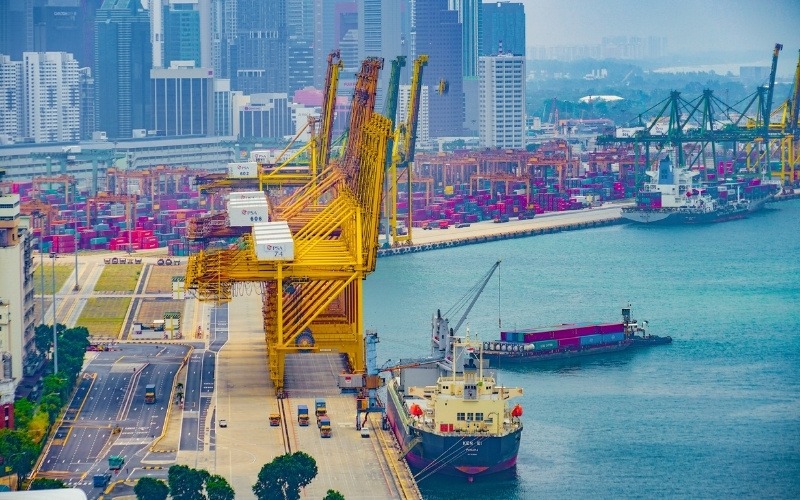
When engaged, a Multimodal Transport Operator (MTO) assumes both operational and legal responsibility for the cargo, ensuring that shipments move efficiently and comply with international regulations. Their role goes well beyond simple freight coordination, encompassing planning, risk management, and documentation.
Here’s how MTOs ensure shipments move efficiently and comply with international regulations:
1. Cargo Booking and Documentation
Responsibility: Issues a Multimodal Transport Document (MTD) that covers the entire journey across transport modes, replacing multiple bills and reducing documentation errors during customs clearance.
Insight: Accurate centralised documentation ensures smooth handovers between carriers, avoids repeated customs checks, and supports exporters in demonstrating compliance to authorities and partners.
2. Route and Mode Selection
Responsibility: Determines optimal routes based on cargo type, destination, delivery timelines, cost considerations, and transit conditions, often combining road, rail, and sea transport.
Insight: Thoughtful route planning reduces transit delays, lowers operational costs, and ensures perishable or sensitive cargo reaches its destination safely, maintaining supply chain reliability.
3. Risk Management and Insurance
Responsibility: Arranges comprehensive cargo insurance, covering delays, theft, damage, or loss during transit across all modes.
Insight: Proactive risk management safeguards financial exposure, provides exporters with claims support in case of incidents, and reinforces confidence in multimodal shipments.
4. Shipment Tracking and Visibility
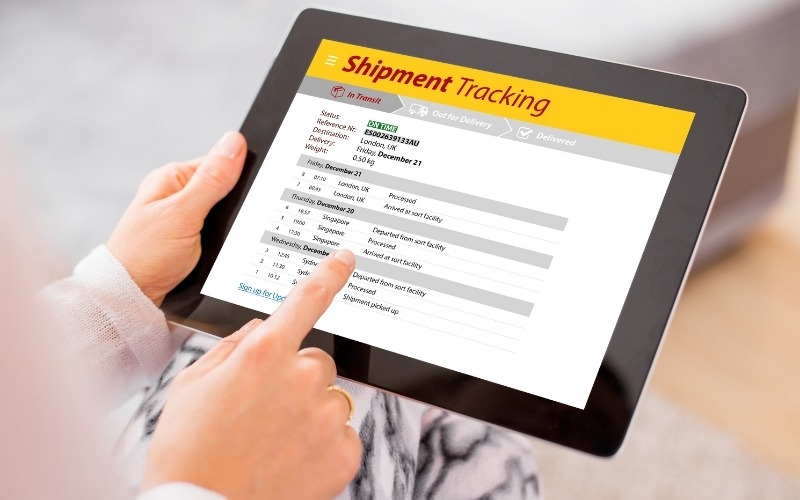
Responsibility: Provides real-time tracking across all transport legs, allowing exporters and consignees to monitor cargo status.
Insight: Enhanced visibility allows quick corrective action if delays or disruptions occur, reducing customer dissatisfaction and ensuring accountability across carriers.
Also read: Essential Shipping Documents Every Importer and Exporter Should Know
5. Customs Coordination and Clearance
Responsibility: Acts as a liaison with customs authorities in each transit and destination country, ensuring proper documentation, duties, and regulatory compliance.
Insight: Skilled coordination prevents shipment holds, fines, and penalties while streamlining border clearance, particularly for high-value or regulated goods.
6. Consolidation and Deconsolidation of Cargo
Responsibility: Manages the aggregation of multiple consignments at the origin and their separation at the destination for onward delivery commitments.
Insight: Efficient consolidation improves container utilisation, reduces shipping costs, and ensures smaller shipments reach their respective destinations accurately.
7. Carrier Liaison and Contract Management
Responsibility: Negotiates contracts, rates, and service levels with multiple carriers across different modes, ensuring smooth transitions between legs.
Insight: Coordinated agreements reduce the risk of miscommunication, minimise delays during mode transitions, and provide clear accountability for each carrier involved.
8. Documentation for Regulatory Compliance

Responsibility: Ensures that all export, import, and regulatory documents meet international, national, and local requirements.
Insight: Properly managed compliance documentation reduces audit risk, prevents shipment rejections, and ensures eligibility for incentives like export benefits or tax exemptions.
9. Contingency and Disruption Management
Responsibility: Plans for delays caused by weather, strikes, port congestion, or political issues, providing alternate routes or carriers when needed.
Insight: Effective contingency planning ensures continuity, reduces potential financial losses, and maintains reliability, even in complex, cross-border shipments.
10. Customer and Stakeholder Communication
Responsibility: Maintains consistent updates and communication with exporters, consignees, carriers, and agents throughout the shipment lifecycle.
Insight: Transparent communication prevents misalignment, allows swift problem-solving, and enhances confidence among all parties, strengthening long-term partnerships.
After understanding what MTOs do, it’s important to know the rules and regulations that govern their operations.
7 Essential Rules and Regulations for Multimodal Transport Operations
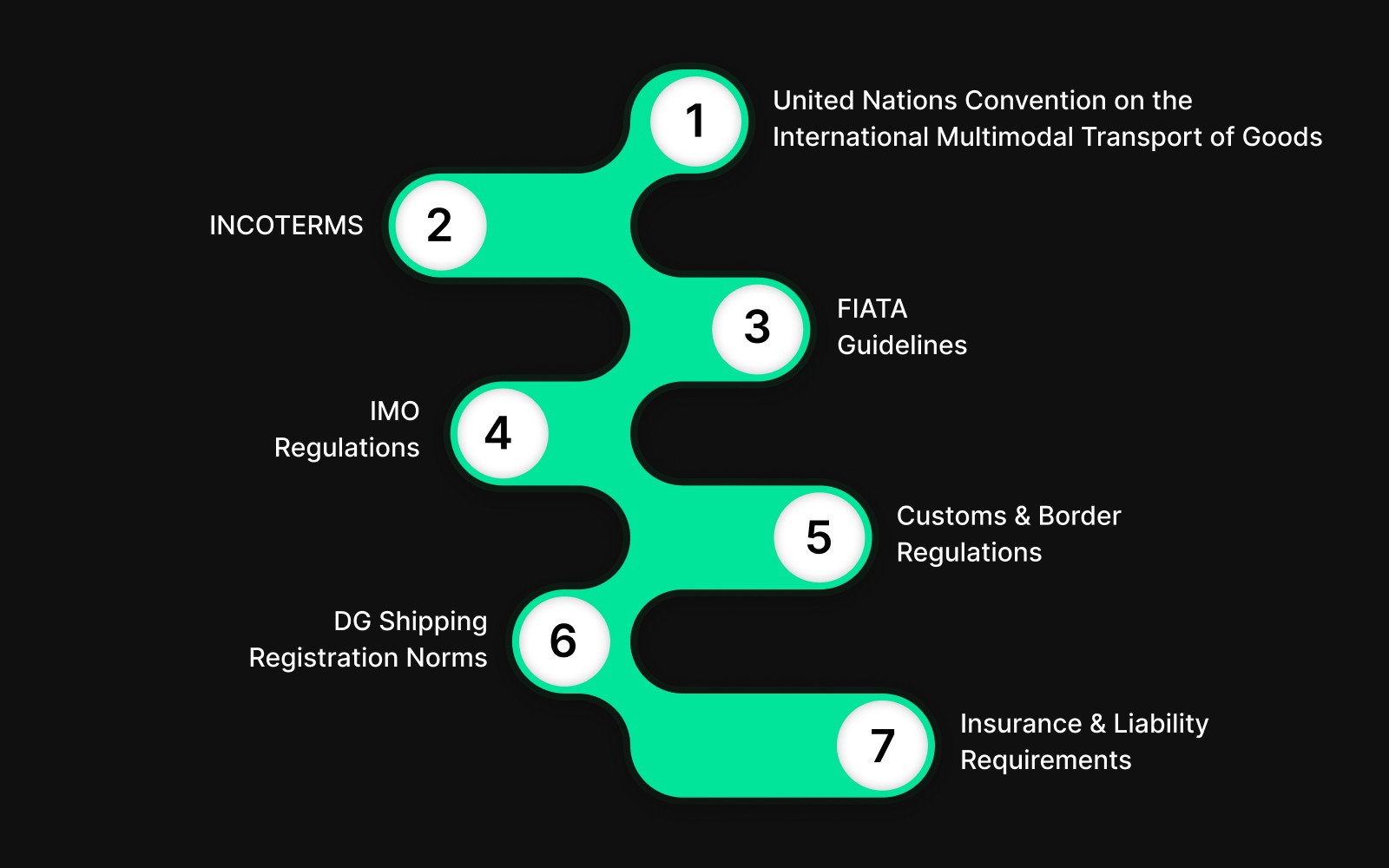
Due to the complexity of international logistics, MTOs must comply with a variety of legal and regulatory frameworks. These ensure accountability, minimise disputes, and protect cargo while safeguarding exporters by clearly defining responsibilities, liabilities, and documentation standards.
Key frameworks and guidelines for MTOs include:
- United Nations Convention on the International Multimodal Transport of Goods: Establishes global standards for liability, documentation, and cargo handling across multiple transport modes.
- INCOTERMS Clarify responsibilities, transfer points for risk, and cost obligations between sellers and buyers, ensuring transparency in international shipments.
- FIATA Guidelines: Provide standard procedures for freight forwarding and multimodal transport operations worldwide.
- International Maritime Organisation (IMO) Regulations: Cover maritime safety, security, and operational protocols for the ocean transport segment.
- Customs and Border Regulations: Require compliance with customs documentation, duties, and inspection procedures in each transit country.
- DG Shipping Registration Norms (India): Indian MTOs must register under the Directorate General of Shipping to operate legally and comply with national maritime regulations.
- Insurance and Liability Requirements: Operators must comply with international cargo insurance standards to cover damage, loss, or delays at all transport stages.
Also read: Containerisation: Definition, Types, Advantages, and Challenges in Shipping.
Following these frameworks enables MTOs to provide exporters with operational clarity, legal protection, and reliable cross-border logistics management.
5 Core Challenges Faced by Multimodal Transport Operators and Best Practices
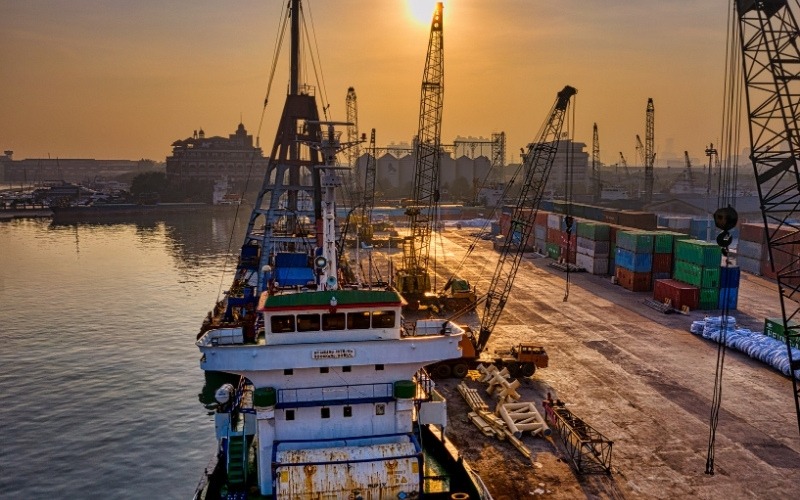
While multimodal transport operators (MTOs) streamline shipments across countries and modes, they operate in complex environments where multiple factors can disrupt schedules, compliance, and cargo integrity. Recognising these challenges is essential for exporters to select the right MTO and ensure smooth, reliable deliveries.
Below are the key challenges MTOs face, along with best practices to address each one effectively.
1. Coordinating Multiple Carriers and Transit Schedules
Challenge: Managing several carriers across sea, air, and land can lead to delays or missed connections if schedules are misaligned.
Best Practice: Implement centralised shipment tracking and digital dashboards. Regular updates across all carriers allow proactive adjustments and minimise disruptions.
2. Adapting to Frequent Changes in International Trade Regulations
Challenge: Trade regulations, customs requirements, and documentation rules differ by country and often change unexpectedly, increasing the risk of compliance issues.
Best Practice: Partner with MTOs that maintain compliance teams and real-time regulatory updates. Align contracts, commercial invoices, and export documentation with local laws and Incoterms.
3. Managing Delays or Damage During Mode Transitions
Challenge: Cargo transfers between modes (truck, rail, ship, air) increase the risk of handling errors, delays, or damage.
Best Practice: Use MTOs with standardised handling procedures, insurance coverage, and clear accountability during transfers to ensure timely and safe delivery.
4. Visibility and Tracking Across the Supply Chain
Challenge: Exporters often lack real-time visibility across all transport modes, making it difficult to monitor shipment status or identify bottlenecks.
Best Practice: Choose MTOs that provide integrated tracking solutions with live updates, container monitoring, and consolidated reporting for end-to-end visibility.
5. Managing Documentation and Customs Compliance
Challenge: Multimodal shipments require multiple documents, such as bills of lading, invoices, packing lists, and certificates. Errors or inconsistencies can delay customs clearance or trigger penalties.
Best Practice: Ensure the MTO has centralised documentation management and automated checks to align all shipping, regulatory, and tax documents with the actual shipment details.
By identifying these challenges and applying the recommended best practices, exporters can use MTOs to achieve efficient, reliable, and compliant multimodal shipping, reducing risks and enhancing supply chain performance.

Key Differences Between a Multimodal Transport Operator and a Freight Forwarder
At first glance, a multimodal transport operator and a freight forwarder may appear to perform similar functions. Both coordinate cargo movement across borders and work with multiple carriers. However, their roles, legal responsibility, and contractual obligations differ significantly.
Clarifying this distinction is essential for exporters when selecting a logistics partner, especially for complex or high-value shipments.
By clearly identifying whether a shipment requires a single point of accountability or a coordination-based approach, exporters can choose the model that aligns better with their operational, compliance, and risk requirements.
Also read: Key KPIs to Track and Improve in Supply Chain Management.
How Exporters Work with Multimodal Transport Operators Using Pazago
Pazago supports exporters working with multimodal transport operators by strengthening execution where it matters most. The focus stays on freight reliability, booking assurance, shipment visibility, and exporter support throughout the shipment lifecycle.
- Competitive freight rates through long-term industry relationships: Stable and predictable freight rates across key trade routes help exporters plan multimodal shipments with clearer cost structures and fewer last-minute pricing changes.
- Pre-shipment and post-shipment logistics support: Exporters receive consistent support on schedules, documentation, BL processes, and post-shipment follow-ups, ensuring continuity beyond the booking stage.
- Assured container booking and smooth loading coordination: Confirmed container availability, timely equipment release, and coordinated loading at factory, CFS, or port locations reduce rollovers and scheduling disruptions.
- Daily shipment visibility through DSRs: Daily Status Reports covering container movement, ETD and ETA updates, transhipment milestones, BL status, and alerts keep exporters informed throughout transit.
- Support for exporters of all sizes: From single LCL movements to high-volume container shipments, exporters receive transparent pricing, responsive coordination, and attention aligned to their shipment scale.
By strengthening freight planning, container execution, and shipment visibility, Pazago helps exporters work more effectively with multimodal transport operators while reducing delays and execution risk across complex routes.
Conclusion
Multimodal transport operators are essential for exporters managing goods across road, rail, sea, and air under a single contract. For many businesses, multimodal movement is a routine requirement, not a special case.
Challenges arise only when coordination begins late, and execution is spread across disconnected carriers and documents. With early planning and structured tracking of routing, liability, documentation, and timelines, multimodal shipments move with the same predictability as standard exports.
Pazago supports exporters working with multimodal transport operators through stable freight rates, confirmed container availability, and hands-on coordination before and after shipment. This reduces execution gaps, improves shipment visibility, and helps exporters manage complex multimodal movements with greater control.
If multimodal shipments are still coordinated through email and spreadsheets, see how Pazago helps reduce delays through assured bookings, clearer shipment visibility, and consistent coordination across transport legs. Contact us to see how complex multimodal movements can run more smoothly.
FAQs
1. What does a multimodal transport operator do in global logistics?
A multimodal transport operator manages the movement of goods under a single contract using two or more transport modes such as road, rail, sea, or air. The operator holds end-to-end responsibility from origin to final destination, even when multiple carriers are involved.
2. Who can act as a multimodal transport operator under trade regulations?
A multimodal transport operator may be a freight forwarder, logistics provider, shipping company, or authorised transport agency. The key requirement is legal authority to issue a multimodal transport document and accept contractual liability for the entire transport chain.
3. What responsibilities does a multimodal transport operator assume during transit?
The operator is responsible for cargo handling, coordination between transport modes, accurate documentation, and delivery as agreed. Liability for loss, damage, or delay rests with the operator across all stages, regardless of the carrier involved.
4. Which transport document is issued by a multimodal transport operator?
The operator issues a Multimodal Transport Document (MTD), which serves as proof of the transport contract. It confirms receipt of goods, outlines the transport route, and establishes liability across all transport modes.
5. Why is a multimodal transport operator important for international shipments?
A multimodal transport operator provides a single point of accountability across complex supply chains. This reduces coordination risks, improves shipment visibility, and supports efficient, compliant cross-border movement.