.png)


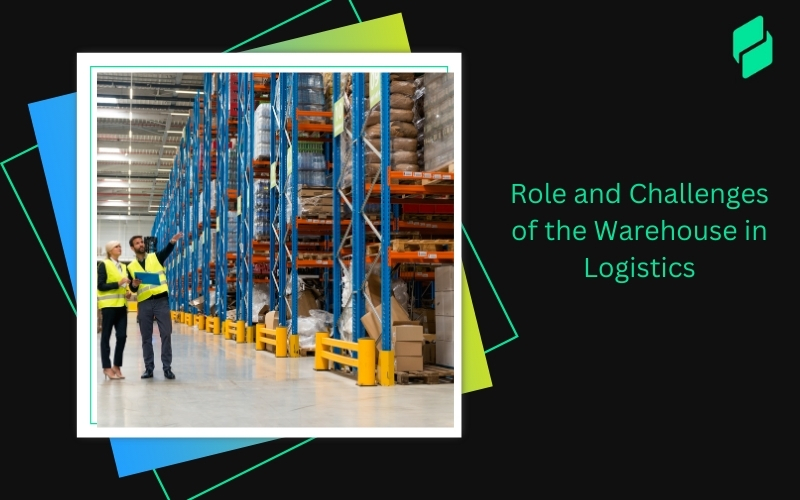
Role and Challenges of the Warehouse in Logistics
Optimize your business: use unlimited savings with Pazago fulfilled now!
Get Started ->Managing exports as an SME can feel like a juggling act, especially when it comes to logistics. From maintaining inventory levels to ensuring timely deliveries, there are many moving parts that need to work together. Without a solid plan in place, things can get chaotic very quickly.
The Indian warehousing market is set to reach $35 billion by 2027, growing at a CAGR of 15.64%. This rapid growth highlights just how crucial it is for exporters like you to have strong warehouse logistics in place. It's a vital component of your operations, but navigating it can be tricky, especially if you're new to the export business.
In this blog, we'll take a closer look at the role warehouse logistics play in helping your business succeed. We'll cover the key challenges you might face, explore strategies to overcome them, and discuss the latest trends in warehouse logistics that could help you stay ahead.
Key Takeaways:
- Warehouse logistics is crucial for efficient export operations, including inventory management, order fulfillment, and customs compliance.
- Indian exporters face challenges like infrastructure issues, labor shortages, and regulatory complexities in warehouse logistics.
- Solutions such as adopting warehouse management systems (WMS) and outsourcing to 3PL providers can improve logistics.
- Emerging trends, including automation and data-driven decision-making, are changing the warehouse logistics sector.
- Platforms like Pazago help manage cross-border shipping, track shipments in real-time, and handle necessary documentation for smooth logistics.
What is Warehouse Logistics?
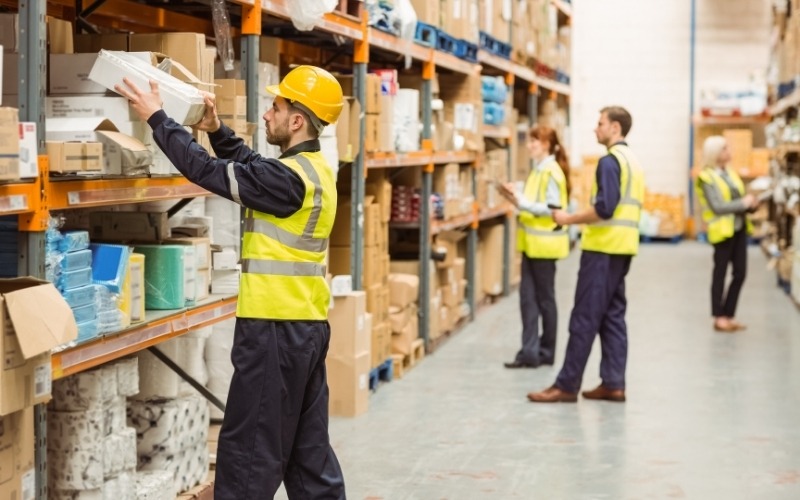
Warehouse logistics involves managing the movement and storage of goods within a warehouse. It covers everything from receiving raw materials to shipping finished products to customers. In simple terms, it’s the backbone of your export supply chain, ensuring smooth operations at every step.
For exporters, effective warehouse logistics go beyond just storing goods. It includes managing inventory, handling orders, and ensuring timely shipments to international markets. Without a strong system, your operations could become delayed, impacting customer satisfaction and your bottom line.
Warehouse logistics are not just about storing goods; they involve many critical processes that keep your operations moving.
Also Read: Understanding Warehousing: Definition, Functions, and Importance
The Core Functions of Warehousing in Export Logistics
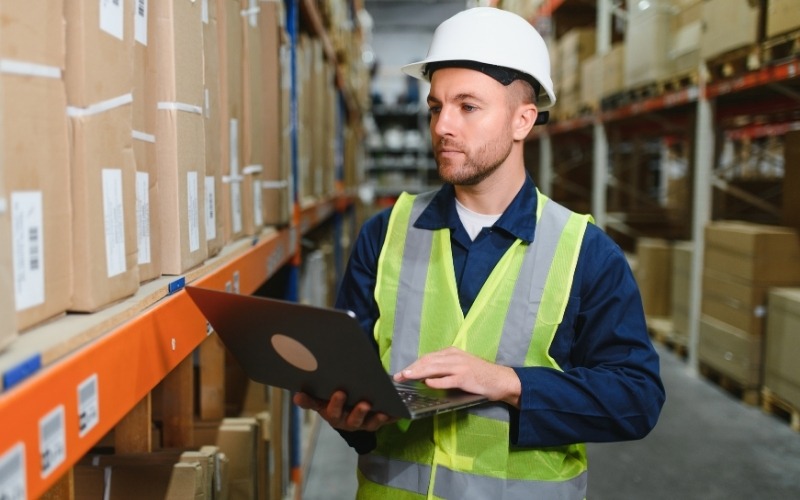
Warehouse logistics play a key role in ensuring that goods are stored, managed, and shipped to customers efficiently. These processes ensure that inventory is handled correctly and ready for delivery. A strong warehousing strategy can save you time, reduce errors, and improve customer satisfaction.
The core functions of warehousing in export logistics are vital to your overall supply chain. Let's break down these critical functions:
- Inventory Management: Properly managing inventory helps ensure you don't overstock or run out of stock. This keeps costs down while meeting demand.
- Order Fulfillment: Order fulfillment involves picking, packing, and shipping products. Ensuring accuracy and timely shipping will build trust with your customers.
- Customs Compliance: Your warehouse plays a crucial role in ensuring that goods meet customs regulations before shipment. This prevents delays and avoids fines.
- Storage and Handling: Good warehousing practices ensure products are stored in proper conditions. This helps maintain the quality and safety of your goods.
- Value-Added Services: Services like labeling, packaging, or assembly can be performed in your warehouse, adding value before products are shipped to customers.
By concentrating on these essential functions, you can tackle common challenges, improve your warehouse operations, and provide a better experience for your customers.
Also Read: Inventory and Warehouse Management: Differences and Best Practices
Key Challenges in Warehouse Logistics for Indian Exporters
As an Indian exporter, managing warehouse logistics comes with unique challenges. From infrastructure issues to labor shortages, these hurdles can affect your bottom line. Understanding and addressing these challenges can significantly improve your operations and help you stay competitive.
Here are some of the key challenges you may face when managing warehouse logistics:
- Infrastructure Bottlenecks: Poor infrastructure, including outdated warehouses and congested ports, can cause delays and higher costs for your shipments.
- Regulatory Hurdles: Export regulations and customs compliance can be complicated, adding stress and delay to your warehouse operations.
- Technology Gaps: Small and medium exporters may struggle to afford or implement advanced warehouse management systems, leading to inefficiencies.
- Labor Shortages: The lack of skilled workers for handling inventory and maintaining warehouse operations can result in costly mistakes and delays.
- Seasonal Weather Impact: Unpredictable weather patterns in India, such as monsoons or extreme heat, can affect the safety and timeliness of your warehouse operations.
Each of these challenges can create significant roadblocks in your logistics process. By understanding these issues, you can take steps to reduce their impact and keep things running smoothly.
Also Read: Key Challenges and Solutions in Supply Chain Management
Strategies to Overcome Warehouse Logistics Challenges

While warehouse logistics can present numerous challenges, the good news is that they can be effectively managed with the right approach. With careful planning and the proper tools, most common obstacles can be overcome. By refining your processes, you can keep expenses in check and improve the overall effectiveness of your operations.
Here are some strategies you can use to overcome warehouse logistics challenges:
- Adopt Warehouse Management Systems (WMS): A WMS helps automate inventory tracking and order fulfillment, reducing errors and improving overall efficiency.
- Outsource to Third-Party Logistics Providers (3PLs): Collaborating with 3PL providers enables you to scale your warehouse operations without incurring significant upfront investment.
- Invest in Staff Training: Training your warehouse team on best practices and using technology effectively can enhance accuracy and minimize errors.
- Optimize Warehouse Layout: By improving your warehouse layout, you can minimize time spent moving goods and reduce handling costs.
- Improve Infrastructure: If possible, invest in modernizing your warehouse infrastructure, or consider using temporary storage solutions during peak seasons to reduce congestion.
While these strategies will help you address current challenges, it's also essential to stay informed about emerging trends.
Also Read: 4 Strategies to Ensure Success in Logistics Optimization
The Future Outlook: Evolving Trends in Warehouse Logistics
The warehouse logistics industry is continuously changing, driven by new technologies, shifting customer expectations, and changing market dynamics. While challenges remain, there are also many opportunities to improve your operations.
Here are some of the trends that are shaping warehouse logistics:
- Automation and Robotics: Automated systems, such as robots for picking and packing, are becoming increasingly common. These tools improve efficiency and accuracy in warehouses.
- Data-Driven Decision Making: Warehouses are increasingly using data analytics to forecast demand, optimize inventory levels, and enhance overall warehouse performance.
- Sustainability Initiatives: There's a growing emphasis on reducing environmental impact in logistics. Using eco-friendly packaging and energy-efficient systems can benefit your operations.
- Cloud-Based Warehouse Management Systems (WMS): Cloud technology enables easier access to warehouse data, allowing you to track inventory and manage orders in real-time.
- Last-Mile Delivery Innovations: As delivery expectations increase, warehouse logistics are adapting with faster, more flexible last-mile delivery solutions to meet customer demands.
The logistics industry is constantly changing, and new trends offer numerous ways to improve your operations. But how do you make these changes work for you? Let's explore a solution that can help simplify the process.
Also Read: Understanding Last Mile Delivery in Logistics
How Pazago Can Simplify Your Export Logistics?
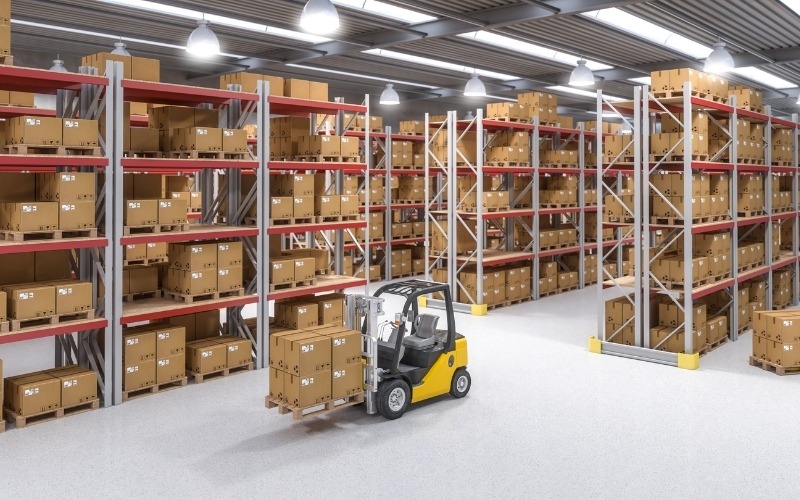
Pazago doesn't provide warehousing services, but it complements warehousing by optimizing the shipping process. By incorporating Pazago into your logistics operations, you can reduce delays, improve shipment visibility, and enhance communication between all stakeholders in your supply chain.
Here's how Pazago can help make your shipping process smoother:
- Timely Deliveries with Optimized Shipping Routes: Pazago ensures your shipments are routed efficiently, minimizing delays and helping meet delivery deadlines.
- Live Tracking & Condition Monitoring: Stay updated with real-time tracking, including alerts for conditions like temperature, so you know exactly where your shipment is at all times.
- Improved Communication: The platform connects you with freight forwarders, buyers, and customs agents, allowing for better coordination and faster issue resolution.
- Simplified Document Management: Pazago lets you store and manage important documents like invoices and customs forms digitally, speeding up clearance and reducing errors.
By using Pazago alongside your warehouse operations, you can improve shipment management, enhance communication, and ensure more timely deliveries.
Conclusion
Successfully managing warehouse logistics is key to growing your export business. By understanding the critical functions and addressing common challenges, you can ensure your operations run smoothly. Implementing effective strategies, staying updated on industry trends, and using the right tools will help your business handle logistics more efficiently.
With platforms like Pazago to support shipment management, your business can further optimize its logistics, ensuring smoother, faster deliveries to international customers.
Ready to take control of your logistics? Book a demo today and see how we can simplify your export logistics and help your business grow.
FAQs
1. How can small businesses in India improve their warehouse logistics?
Small businesses can start by implementing basic warehouse management systems (WMS) to track inventory, training staff on proper handling, and improving the layout of their warehouse to save time.
2. What role does customs compliance play in warehouse logistics?
Customs compliance ensures that goods meet regulatory standards for export, avoiding fines and delays. It is crucial for smooth cross-border shipments, and warehouses must manage documentation to meet these standards.
3. How do infrastructure issues impact warehouse logistics in India?
Poor infrastructure, such as inadequate road networks and congested ports, can delay shipments and increase transportation costs. This often leads to extended lead times and potential inventory management problems.
4. What are some common issues faced with inventory management in warehouses?
Some common issues include inaccurate stock counts, slow stock turnover, and difficulty tracking inventory across multiple locations. These issues can lead to either overstocking or stockouts, affecting overall business performance.
5. How can outsourcing warehouse services benefit small exporters?
Outsourcing to third-party logistics providers (3PLs) allows small exporters to focus on core business activities while benefiting from specialized expertise and infrastructure. It reduces costs and scales operations without heavy upfront investments.