.png)


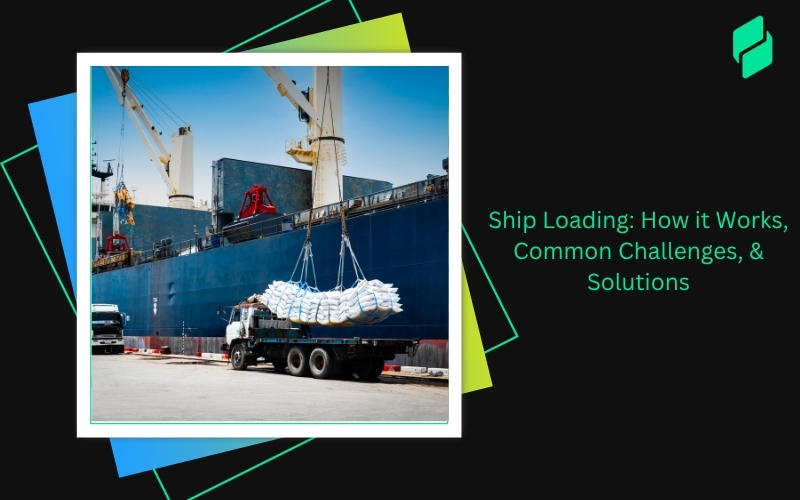
Ship Loading: How it Works, Common Challenges, & Solutions
Optimize your business: use unlimited savings with Pazago fulfilled now!
Get Started ->India's exports reached USD 778.21 billion in 2023-24, a 67% increase from USD 466.22 billion a decade earlier. This growth indicates India's expanding presence in global trade, with more businesses shipping goods across countries than ever before.
As export volumes grow, the efficiency of port operations and knowing about the ship loading becomes critical. In the ship loading process, your cargo moves from the port facility onto the vessel, directly impacting your delivery timelines and costs.
In this guide, we cover exactly how ship loading works, including the complete process from container arrival to vessel departure, common challenges exporters face, and how to solve them. Let’s get into it.
Key Takeaways
- Ship loading process: Ship loading is the procedure of moving cargo from the port facility onto a vessel, involving customs clearance, container handling, and crane operations before departure.
- Multiple parties coordinate: The process requires alignment between you as the exporter, your CHA (Customs House Agent), the shipping line, port authorities, and crane operators at every stage.
- Documentation drives timing: Bills of lading, shipping instructions, customs documents, and container gate-in receipts must be accurate and submitted on schedule to prevent hold-ups.
- Following best practices prevents problems: Planning ahead, maintaining clear communication, using digital tracking, and working with reliable partners help you avoid delays and protect your margins.
- Reliable operations build reputation: Smooth ship loading directly impacts buyer confidence and positions you as a dependable supplier in international markets.
What is Ship Loading?
Ship loading is the process of transferring cargo from a port facility onto a vessel for transportation to its destination. This involves moving containers or bulk materials from the port storage area, clearing customs, and using cranes or specialised equipment to place cargo onto the ship in designated positions.
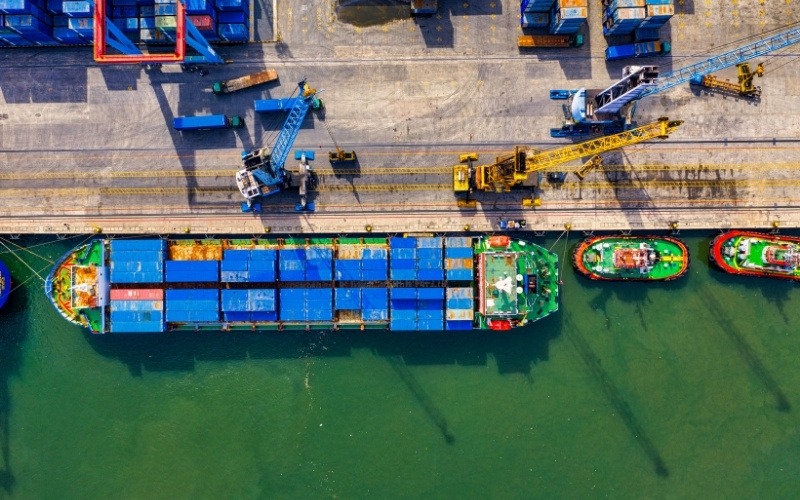
For exporters, ship loading is the final stage of port-side operations before your goods begin their ocean journey.
The ship loading process varies depending on whether you're shipping containerized cargo (like textiles, machinery, or electronics) or bulk cargo (like grains, coal, or fertilizers).
For containerized exports, which most Indian exporters handle, the focus is on timely gate-in, accurate documentation, and coordination with your CHA and the shipping line.
However, for bulk cargo, the process involves conveyor systems, shiploaders, and careful monitoring of loading rates to prevent cargo damage.
Knowing what ship loading means is good, but it’s also worth understanding exactly what happens at each stage of the process.
How Does the Ship Loading Process Work?
The ship loading process follows a clear sequence from the moment your cargo arrives at port to when the vessel departs. Each step depends on the previous one being completed correctly and on time. Here’s how it works step-by-step:
1. Container Arrives at Port
Your containers reach the port facility through inland transportation, typically by truck or rail. The driver presents documentation at the port gate, and the container is weighed and inspected.
A gate-in receipt is issued, confirming that your cargo has entered the port facility. This step establishes your container's entry into the port system and starts the clock on any storage or demurrage timelines.
2. Customs Clearance Happens
Your CHA submits the shipping bill and other export documents to customs authorities. Customs officers review the paperwork, verify the cargo matches what's declared, and may conduct a physical examination if needed.
Once customs grants clearance, they issue an export clearance order. Without this clearance, your container cannot move to the loading area. Delays here, often due to documentation errors or missing certificates, can cause you to miss your vessel.
3. Container Moves to Loading Area
After customs clearance, the container is transported from the storage yard to the vessel's loading area using yard equipment like reach stackers or terminal tractors.
The shipping line's stowage plan determines where each container should be positioned on the ship. Your container is staged in sequence based on its loading slot, weight, destination, and any special handling requirements.
4. Crane Loads Container onto Vessel
Gantry cranes lift containers from the loading area and place them onto the vessel according to the stowage plan.
A spreader attaches to the container's corner castings, lifts it high enough to clear the ship's deck, and positions it in the designated slot.
Containers are stacked in a specific order, with heavier ones at the bottom and lighter ones on top, to maintain the ship's stability. The process continues until the vessel reaches its planned capacity.
5. Container is Secured and Documented
Once loaded, containers are secured using twist locks, lashing rods, and turnbuckles to prevent movement during transit. The ship's crew and port workers verify that all containers are properly fastened.
The shipping line updates its system to reflect that your container is loaded, and this information feeds into the bill of lading. The cargo list is finalised, documenting all containers on board.
6. Vessel Departs
After all containers are loaded and secured, the shipping line completes final departure procedures. The port authority grants clearance for the vessel to sail.
The ship leaves the berth and heads to its next port of call. Your cargo is now in transit, and you should receive updates through your shipping line or freight forwarder about the vessel's progress.
Want to track your shipments without checking multiple websites or chasing updates? Pazago gives you real-time visibility across 180+ shipping companies from one dashboard, so you always know your cargo status.
So, now, you've seen the sequence of steps in the ship loading process. But how fast it happens depends on several conditions at the port and with your cargo.
What Factors Affect The Ship Loading Efficiency?
Ship loading efficiency determines how quickly your cargo moves from the port facility to the vessel. Here are the key factors that affect loading efficiency:
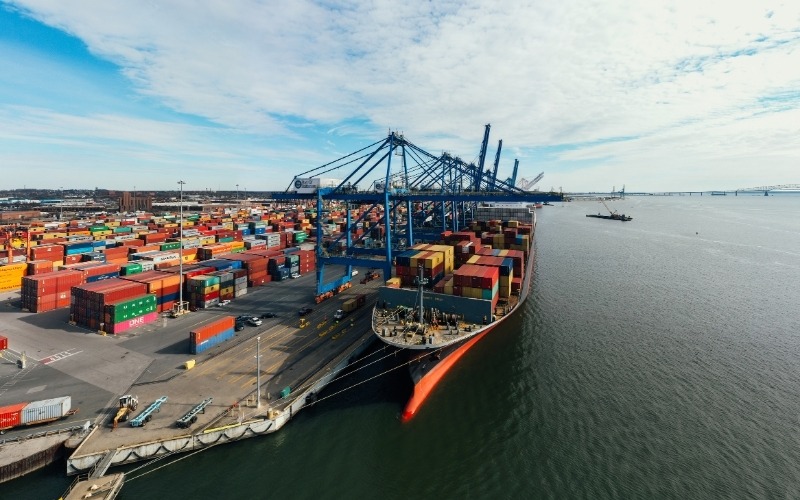
- Port infrastructure and equipment: The quality and number of gantry cranes at a port directly determine loading speed, with modern automated systems handling more containers per hour than older manual equipment.
- Vessel size and stowage plan: Larger ships require careful planning to balance weight and position containers by destination, which takes more coordination time than loading smaller vessels with simpler arrangements.
- Cargo type and special requirements: Containers with special needs like refrigeration, hazardous material spacing, or oversized dimensions require extra handling steps and safety checks that slow the standard loading process.
- Customs clearance speed: Containers remain stuck in the customs area until they receive approval, so ports with digital systems and fewer physical examinations move cargo to loading areas faster.
- Port congestion levels: When ports handle high cargo volumes during peak seasons, containers wait longer for berth space and crane availability, creating delays even when documentation is complete.
- Weather conditions: Crane operations must stop during strong winds, heavy rain, or low visibility for safety, causing unpredictable delays that extend the ship loading time.
Even when you are aware of the factors affecting loading speed, problems still come up in actual shipments. Knowing what common challenges to watch for helps you respond faster.
What Challenges Do Exporters Face During Ship Loading?
Even experienced exporters face hurdles during ship loading. These challenges often arise from coordination gaps, documentation issues, or port-side inefficiencies. Recognising them helps you plan better and respond quickly when problems appear.
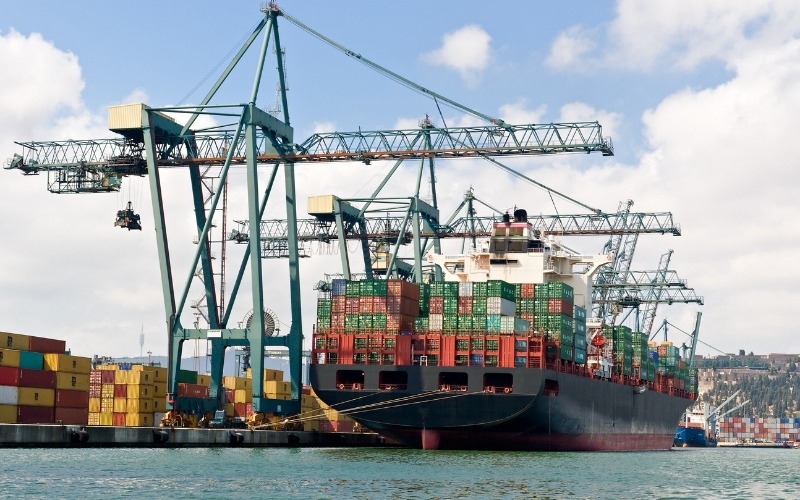
Here are some of the most common challenges exporters deal with during ship loading, along with effective solutions:
1. Loss of Cargo Visibility
Once your containers reach the port, you often lose track of their exact status. You don't know if they've cleared customs, moved to the loading area, or been loaded onto the vessel.
Example: Your container reaches Chennai Port on Monday. By Wednesday, you still don't know if customs cleared it. Your buyer asks for updates, but you have nothing concrete to share.
Solution: Use digital tracking platforms like Pazago that provide real-time updates on your container's location and status.
2. Miscommunication Between Parties
Ship loading involves coordination between you, your CHA, the shipping line, port authorities, and crane operators. Messages get lost or delayed, and one missed communication can cause your cargo to miss the vessel.
Example: Your shipping line changes the vessel cut-off from Friday 5 PM to Thursday 3 PM. The message passes through your forwarder to your CHA, but gets missed. Your container arrives Thursday evening and is rolled to the next sailing.
Solution: Centralise all communication in one platform where every party sees the same information instantly. This reduces the risk of critical updates getting lost in email chains or phone calls.
3. Documentation Errors
Incorrect or incomplete shipping instructions, bills of lading, or customs documents can hold up your cargo. Even small mistakes like wrong container numbers or mismatched descriptions can trigger customs examinations.
Example: Your commercial invoice lists "Cotton Fabric - 5000 meters" but your shipping bill says "Textile Materials - 5000 units." Customs flags the mismatch and requests revised documents, adding two days to clearance.
Solution: Double-check all documents before submission and use templates that reduce manual entry errors. Ensure your commercial invoice, packing list, and shipping bill have identical product descriptions, quantities, and values.
4. Missed Vessel Cut-Offs
Shipping lines have strict cut-off times for accepting cargo. If your container doesn't clear customs or reach the loading area before the deadline, it gets rolled to the next sailing, adding demurrage charges.
Example: Your vessel cut-off is Friday at 4 PM. Customs selects your container for physical examination on Thursday afternoon. The let export order comes Friday at 6 PM, two hours late. Your cargo rolls to the next sailing eight days later.
Solution: Build buffer time into your planning and set up automated reminders for critical deadlines. Aim to have your container gate-in at least 48-72 hours before the cut-off to account for unexpected customs delays.
5. Unexpected Demurrage and Detention Charges
If your container sits at the port beyond the free time allowed by the shipping line, you incur demurrage charges. These costs add up quickly and eat into your margins.
Example: Your shipping line gives 5 days free time. Customs clearance takes 4 days, but the vessel has sailed. The next sailing is 7 days later. You're charged demurrage for 7 days at USD 100 per day, totalling USD 700.
Solution: Track your free time closely and know exactly when it expires. If you anticipate delays, negotiate extended free time with your shipping line before charges start. Monitor your container's status daily during loading.
6. Port Congestion and Delays
High cargo volumes, equipment breakdowns, or labour issues at the port can slow down operations. Your container might wait longer in the yard or face delays getting loaded, even if everything else is in order.
Example: You're shipping through Nhava Sheva during peak season. Your container clears customs on schedule, but the port has record volumes and limited cranes. Your container waits an extra 2 days before loading, pushing close to your demurrage deadline.
Solution: Stay informed about port conditions and seasonal patterns. Consider routing through alternative ports during congestion. Build relationships with your CHA, who can provide insights about current port conditions and help you plan accordingly.
7. Cargo Damage or Misplacement
Rough handling during loading, incorrect stowage, or weather exposure can damage your goods. Containers can also be misplaced or loaded onto the wrong vessel, causing delivery delays and customer complaints.
Example: During crane operations, the spreader attaches incorrectly to your container of ceramic tiles, causing it to tilt and set down hard. The impact damages several cartons. Your buyer discovers broken tiles and files a claim.
Solution: Use proper packaging and container stuffing techniques. Clearly mark fragile items. Work with experienced CHAs who coordinate well with crane operators. Consider marine cargo insurance to protect against damage or loss during loading and transit.
Facing coordination headaches or losing track of your shipments at port? Pazago brings all your trade parties into one platform, giving you visibility, automated reminders, and centralised communication so important updates don't get missed.
Many of the ship loading challenges often trace back to documentation problems or delays in getting approvals. Having the right paperwork ready at the right time prevents most loading issues.
What Documents Do You Need for Ship Loading?
Ship loading requires specific documents to move your cargo through customs and onto the vessel. Missing or incorrect paperwork is one of the top causes of delays.
Before your container can be loaded, multiple documents must be submitted and approved. Each document serves a specific purpose in the export process.
With all these documents and processes to manage, you might also be wondering why containerised shipping remains the standard for international exports and trade.
Why are Container Ships Important for Global Trade?
Container ships carry the majority of manufactured goods traded internationally. They connect producers with buyers across continents, making global commerce possible at scale.
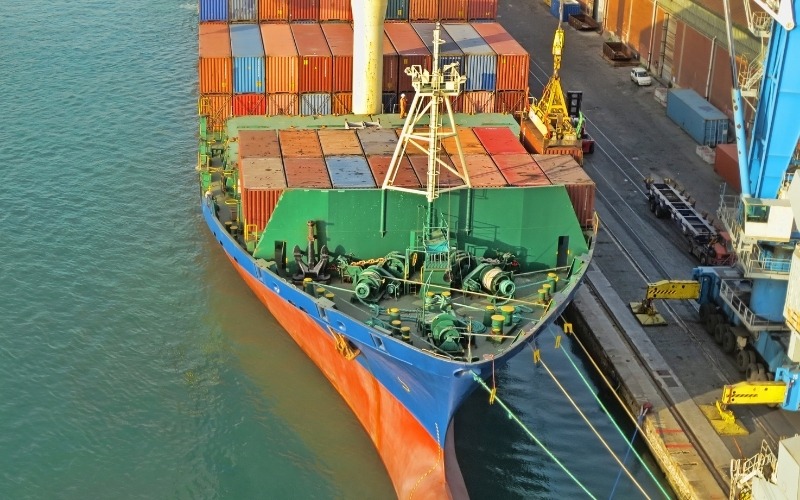
Here's why container ships matter for global trade:
- Enable large-scale trade: Container ships can carry thousands of containers in a single voyage, moving massive volumes of goods efficiently. This scale reduces the per-unit shipping cost, making international trade economically viable for businesses of all sizes.
- Standardise cargo handling: Containers come in standard sizes (20-foot and 40-foot), which work across all ports and vessels. It reduces handling time and simplifies logistics coordination.
- Connect remote markets: Container ships operate regular routes linking major ports worldwide. This network allows exporters to reach buyers in different countries through established shipping lanes.
- Protect cargo during transit: Sealed containers shield goods from weather, seawater, and contamination during the ocean journey. This protection reduces damage claims and buyer complaints.
- Support just-in-time manufacturing: Reliable container shipping schedules allow manufacturers to plan inventory precisely. This predictability helps both exporters and importers manage working capital efficiently.
- Lower environmental impact per unit: Moving thousands of containers on one vessel is more fuel-efficient than alternative transport methods. Container ships have a lower carbon footprint per ton of cargo compared to air freight.
Container ships enable global trade, but managing the loading process still creates challenges for exporters handling multiple shipments. Technology can remove much of this friction from your daily export processes.
Track Your Cargo from Port to Vessel Easily with Pazago
Ship loading challenges, from visibility gaps to coordination issues, impact your delivery timelines and costs. Digital platforms built for exporters can change how you manage port operations.
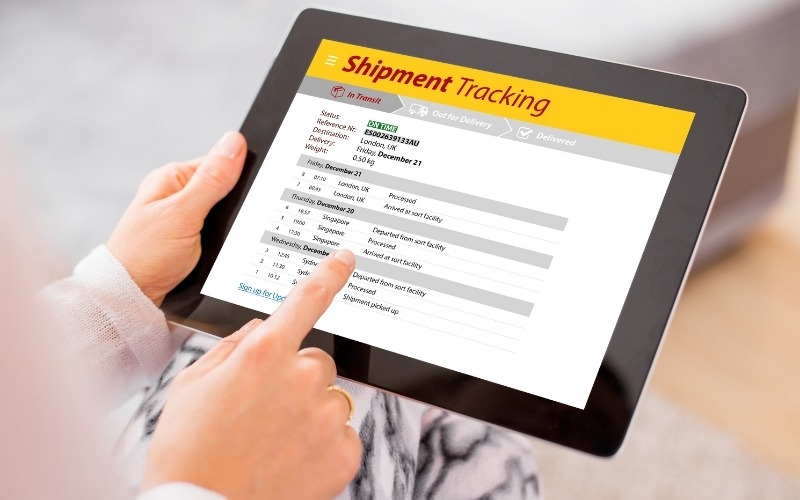
Pazago is a trade management platform that helps Indian exporters track shipments, manage documents, and coordinate with all parties from one place. Here's how Pazago improves your ship loading operations:
- Real-time shipment tracking: Monitor your cargo's status across 180+ shipping companies without switching between websites. Get instant updates when your container is gate-in, cleared by customs, or loaded onto the vessel.
- Centralised document management: Create, store, and share all your export documents, including shipping bills, invoices, packing lists, and certificates, all from one platform. Collaborate with your CHA and shipping line on document reviews and approvals. Reduce errors and ensure everyone works from the latest version.
- Multi-party coordination: Bring your CHA, freight forwarder, buyers, and other stakeholders into one conversation thread for each shipment. Get notifications when someone updates a status or uploads a document. No more lost messages or missed emails.
- Logistics coordination: Access the best ocean freight rates through partnerships with leading shipping lines. Manage full container shipping, inland transportation, and customs clearance from one platform.
- Complete trade visibility: Track every stage of your order from production to delivery. See which shipments are waiting for customs clearance, which containers are loaded, and which vessels have departed. Make informed decisions about your next production runs and buyer commitments.
Pazago gives you the control and visibility you need to run smoother port operations. Reduce manual work, avoid costly delays, and build buyer confidence with reliable delivery timelines.
Final Thoughts
Knowing how the ship loading process works, from container arrival to vessel departure, helps you avoid delays, reduce costs, and deliver on promises to your buyers. The key is having accurate documentation, maintaining clear communication with all parties, and tracking your cargo's status throughout port operations.
Many exporters still rely on manual coordination, phone calls, and scattered tools to manage ship loading. This approach works until something goes wrong: a missed vessel cut-off, a documentation error, or unexpected demurrage charges.
Digital platforms built for exporters can prevent these problems by giving you visibility, centralised communication, and automated reminders.
Ready to take control of your ship loading operations? Pazago helps you track shipments, manage documents, and coordinate with all parties from one platform so you can ship faster and with fewer surprises.
Get started with Pazago and see how it can help you improve your export processes.
FAQs
1. How long does the ship loading process take at Indian ports?
Ship loading typically takes 1-3 days after your container arrives at the port, depending on customs clearance speed, port congestion, and vessel scheduling. Plan for at least 2-3 days between container gate-in and vessel departure to account for potential delays.
2. What happens if my container misses the vessel cut-off?
If your container misses the cut-off, it gets rolled over to the next available sailing. You may face demurrage charges for the additional time your container spends at the port, and your delivery to the buyer will be delayed by several days or weeks.
3. How can I reduce the risk of cargo damage during ship loading?
Use proper packaging and container stuffing methods, clearly mark fragile items, and work with experienced CHAs who understand cargo handling requirements. Consider marine insurance to protect against damage or loss during loading and transit.
4. Do I need to be present at the port during ship loading?
You don't need to be physically present. Your CHA and freight forwarder handle the documentation and coordination. However, staying informed through tracking tools and maintaining communication with your partners helps you respond quickly if issues arise.
5. What should I do if customs hold my cargo during ship loading?
Contact your CHA immediately to understand why customs flagged your cargo. Provide any requested documents or clarifications. In some cases, customs may require physical examination or additional certifications. Resolve their concerns quickly to minimise delays and avoid missing your vessel.