.png)


Deadweight vs Displacement: Key Ship Weight Metrics Explained
Optimize your business: use unlimited savings with Pazago fulfilled now!
Get Started ->In international shipping, vessel capacity determines how much cargo can move on a given sailing. Shipping lines rely on weight measurements such as deadweight and displacement to calculate how much cargo a ship can safely carry.
For exporters, these terms explain why certain cargo limits exist, why container bookings sometimes fill quickly, and how vessel capacity is managed across trade routes.
Deadweight refers to the total weight a ship can carry, including cargo, fuel, ballast, and supplies. Displacement reflects the total weight of the vessel itself when it is floating in the water. Understanding the difference between these two measurements helps exporters interpret vessel capacity and cargo limits more clearly.
This guide explains how deadweight and displacement work, how they differ, and why they matter when planning shipments.
Key Takeaways:
- Deadweight shows how much a ship can carry, while displacement reflects the ship’s total mass in water.
- Lightship and loaded displacement indicate the ship’s empty versus fully loaded conditions.
- Materials, cargo, fuel, and crew all influence a vessel’s overall weight.
- Tonnage measures volume and capacity, affecting design choices and stability at sea.
- Understanding ship weight helps plan safe cargo loads and comply with maritime regulations.
What is Ship Weight?
Ship weight metrics describe how much cargo a vessel can safely carry and how that capacity is calculated. Two of the most important measures are deadweight and displacement.
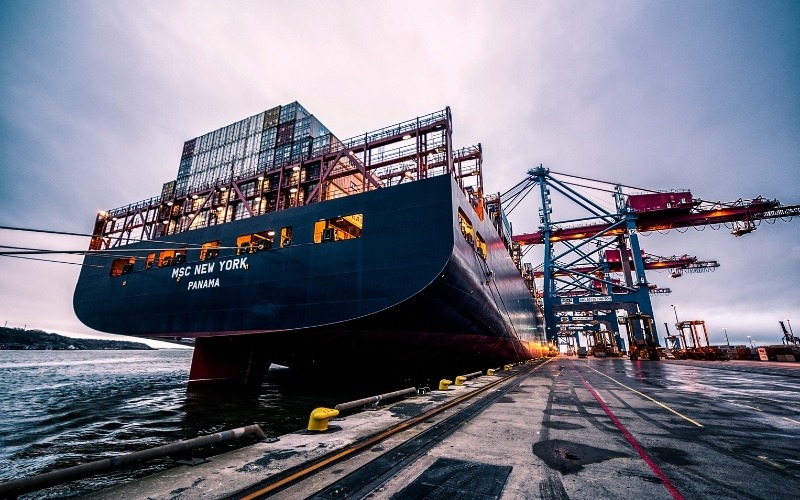
Here’s a breakdown of the essential terms related to ship weight:
- Lightship Weight: The weight of the ship when empty, without any cargo, fuel, or provisions.
- Deadweight (DWT): The total weight the ship can carry, including cargo, fuel, ballast, crew, and provisions.
- Displacement: The total weight of the water displaced by the ship when floating, which equals the weight of the ship when fully loaded.
- Light Displacement: The weight of the ship when it is without cargo or fuel.
- Loaded Displacement: The total weight of the ship when fully loaded with cargo and fuel.
While each measure of ship weight plays an important role, exporters often find deadweight and displacement the most confusing.
Also Read: Understanding Dimensions and Weight in Air Freight Shipments
Deadweight vs. Displacement: Key Differences
Deadweight and displacement are often confused, yet they measure different aspects of ship weight and serve distinct purposes. Understanding the difference is crucial when selecting the right vessel for your cargo, managing costs effectively, and ensuring safe transportation.
The table below highlights the key differences:
Understanding the difference between deadweight and displacement is only part of the picture. Several practical factors influence both, and knowing these helps you anticipate how ship weight changes under real operating conditions.
Also Read: Volumetric and Chargeable Weight Calculator
Factors Affecting Ship Weight
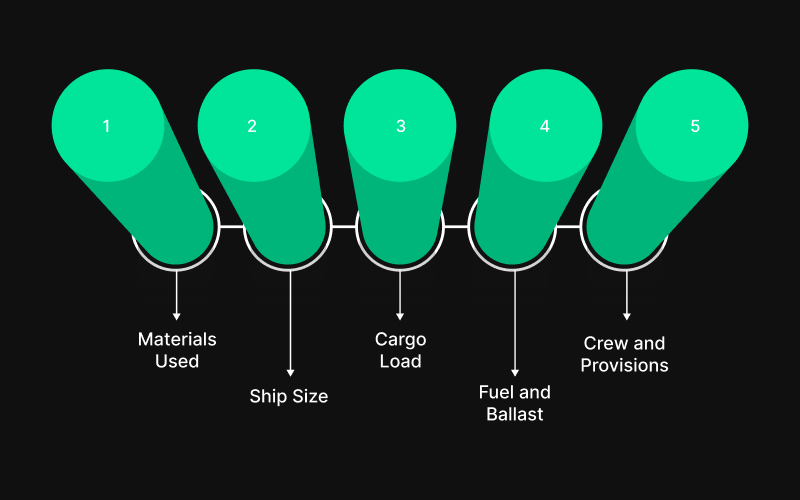
Several factors contribute to the overall weight of a ship, which is essential for managing shipping costs and ensuring safe transport. These factors impact both deadweight and displacement, affecting your shipping decisions.
Here are key factors that affect ship weight:
- Materials Used: The type of materials used in construction, such as steel or aluminum, greatly affects the ship's weight.
- Ship Size: Larger ships naturally weigh more, as they have the capacity to carry a greater amount of cargo.
- Cargo Load: The type and amount of cargo directly impact the ship's total weight.
- Fuel and Ballast: The weight of fuel and ballast used for stability also contributes to the overall weight.
- Crew and Provisions: The weight of the crew, food, water, and other supplies is also factored into the total ship weight.
Beyond weight alone, ship design also relies on tonnage, which combines weight and volume considerations.

Also Read: Understanding Verified Gross Mass (VGM) In Shipping
Tonnage and Its Role in Ship Design
Tonnage measurements are commonly used in shipping operations to describe a vessel’s capacity and internal volume. These figures help shipping lines determine how cargo is allocated across vessels and routes.
Key points to understand about tonnage and its role in ship design:
- Gross Tonnage: This measures the total internal volume of the ship, including spaces such as cargo holds and machinery compartments.
- Net Tonnage: This is the usable volume for carrying cargo, excluding non-cargo areas such as crew quarters and engine rooms.
- Deadweight Tonnage (DWT): Refers to the weight the ship can carry, including cargo, fuel, crew, and provisions.
Grasping technical terms like tonnage, displacement, and deadweight is useful, but their real value lies in how they affect your business.
Also Read: Shipping Heavy Freight: A Look at Services and Procedures
Why Ship Weight Matters for Indian Exporters?
Understanding ship weight is essential for Indian exporters to avoid costly mistakes and ensure smooth transportation. The ship's weight affects various factors, including shipping costs, cargo capacity, safety, and legal compliance. Grasping these concepts enables you to make better decisions and enhance your shipping operations.

Reasons why ship weight matters for exporters:
- Cargo Capacity: Vessel capacity influences how shipping lines allocate cargo and manage space across routes, which can indirectly affect freight availability and scheduling.
- Stability and Safety: A ship’s weight, particularly its displacement, directly affects its stability in rough seas, ensuring a safer voyage.
- Regulatory Compliance: Shipping regulations often take into account the ship's weight. Understanding these concepts ensures your shipments comply with international standards.
- Cargo Planning: Understanding ship weight metrics helps exporters estimate cargo limits and plan shipments according to vessel capacity and container allocation.
Recognizing why ship weight is important naturally leads to the question of choice. By applying this knowledge, you can select the right vessel for your cargo and avoid common mistakes that drive up costs or cause delays.
Also Read: Guide to Various Types of Freight and Shipping Charges
How Ship Capacity Affects Cargo Planning
Understanding ship capacity helps explain how cargo limits and freight allocation work on each sailing. Metrics like deadweight and displacement determine how much weight a vessel can safely carry, which in turn affects container availability, cargo limits, and loading schedules.
Important considerations when planning cargo against vessel capacity:
- Cargo Weight: Ensure your cargo weight fits within container and vessel capacity limits. Overweight cargo may require special equipment or affect booking availability.
- Ship Size: Larger vessels typically operate on high-volume trade routes. Vessel size can influence sailing frequency, container availability, and transit time.
- Fuel and Ballast Requirements: These are factored into the ship’s deadweight calculations, which determine how much cargo can be safely loaded.
- Travel Route: Vessel capacity and stability affect which routes ships can operate on, especially in rough sea conditions or shallow ports.
- Safety Standards: Ships must comply with international maritime safety and loading regulations to ensure cargo weight stays within permitted limits.

Also Read: Exploring Different Shipping Container Sizes and Types
Supporting Freight Coordination for Capacity-Based Shipments
While vessel design and ship weight calculations are determined by shipping lines, exporters must still ensure their cargo aligns with booking limits, container allocation, and sailing schedules.
Pazago supports exporters by strengthening freight coordination and ensuring cargo movement stays aligned with confirmed vessel capacity and timelines.
What Pazago Offers:
- Competitive Freight Rates: Pazago’s long-term shipping line relationships provide stable, predictable rates, helping exporters avoid unexpected cost fluctuations.
- Assured Container Booking & Coordinated Loading: Pazago ensures secure container bookings and aligns loading with port cut-off times, reducing risks like missed sailings or detention charges.
- Real-Time Daily Status Reports (DSRs): Receive regular updates on container movement, ETD/ETA changes, and transshipment milestones, enabling quicker action on delays.
- Operational Support for Exporters of All Sizes: Pazago provides consistent support, whether you’re managing occasional shipments or handling regular export cycles.
With Pazago, exporters can streamline logistics and focus on growing their business while minimizing delays and unnecessary costs.
Conclusion
Understanding deadweight and displacement helps exporters plan safer and more cost-effective shipments. Selecting the right vessel capacity reduces overloading risks and improves cargo efficiency.
Pazago supports exporters by aligning container bookings, sailing schedules, and shipment visibility with confirmed freight capacity. This helps reduce rollover risks and maintain shipment discipline.
For dependable freight coordination aligned with your export requirements, Contact Pazago to explore how they can support your shipments.
FAQs
1. What determines the difference between a ship’s deadweight and its cargo capacity?
Deadweight measures all the weight a vessel can carry, including fuel and provisions, while cargo capacity only refers to the portion allocated to goods.
2. Can two ships with the same displacement have different cargo limits?
Yes, displacement accounts for the total weight of the ship, but the proportion reserved for cargo versus fuel, ballast, and supplies may differ between vessels.
3. How does the hull design affect a ship’s displacement?
The shape and volume of the hull directly influence the amount of water displaced, which determines the ship’s overall stability and weight distribution.
4. Why is lightship weight significant for shipping operations?
Knowing the empty weight of a vessel helps operators calculate how much additional weight can be safely loaded without compromising performance or safety.
5. Does the type of cargo influence a ship’s weight calculations?
Yes, different cargo types vary in density and volume, which impacts the total weight and how the ship sits in the water during transport.