.png)


Understanding Shipment Delays in India: Causes & Solutions

Optimize your business: use unlimited savings with Pazago fulfilled now!
Get Started ->For Indian businesses, managing shipments efficiently is a constant struggle. From port congestion to unpredictable weather disruptions, these delays often result in lost revenue, operational stress, and frustrated customers. The impact is far-reaching, delayed shipments can lead to stockouts, missed deadlines, and increased costs, all of which erode profit margins and damage customer trust. With global shipping becoming an essential part of business success, understanding and addressing shipment delays has never been more crucial.
As the logistics market in India is expected to generate US$ 357.3 billion by 2030 and grow at an annual rate of 7.7%, businesses must streamline their logistics operations to stay competitive, reduce stress, and maintain strong customer relationships.
In this blog, we’ll break down the causes of shipment delays in India, explore how they affect both businesses and consumers, and provide practical tips on how to mitigate these issues using technology and smart logistics management.
Key Takeaways:
- Shipment delays in India are often caused by infrastructure bottlenecks, customs delays, and unpredictable weather.
- Effective communication with customers during delays helps manage expectations and build trust.
- Diversifying shipping partners and routes reduces the impact of delays caused by over-reliance on a single provider.
- Advanced technology, such as real-time tracking and AI-driven forecasting, plays a crucial role in minimizing delays and optimizing the supply chain.
- Implementing proactive strategies like demand forecasting and automation can help businesses better manage delays and reduce operational costs.
What Causes Shipment Delays in India?

India’s shipment delays are driven by several factors, some of which are beyond a business’s control. Here are the most common causes:
- Port Congestion: India’s major ports like Mundra and Jawaharlal Nehru Port are often plagued with congestion, especially during peak seasons. Insufficient infrastructure, poor traffic management, and delays in unloading goods can extend shipping times significantly.
- Customs and Compliance Issues: Dealing with customs regulations can be a time-consuming process. Misfiled documentation, changes in tariffs, or compliance issues can hold shipments at ports for days or even weeks, delaying delivery.
- Weather and Environmental Factors: India’s monsoon season, while crucial for agriculture, also disrupts transport networks. Flooded roads, delayed flights, and port shutdowns during heavy rainfall or storms can lead to significant shipping delays.
- Labor Shortages and Strikes: Strikes and labor shortages, particularly at key logistics hubs, can halt or slow down shipments. With industries facing frequent labor issues, timely deliveries often get compromised.
- Flight and Transportation Disruptions: Transportation delays, whether by air, road, or sea, can have a domino effect. For example, road blockages due to accidents or diversions due to weather conditions can impact shipments, causing delays in transit.
Once you understand the key causes of delays, it's equally important to explore how these delays impact both your customers and your business. Recognizing these consequences is crucial for taking the necessary steps to prevent them.
How Shipment Delays Impact Consumers and Businesses?

Shipment delays affect both consumers and businesses in a variety of ways, often resulting in a significant ripple effect.
- Consumer Experience: Consumers expect fast and reliable deliveries, and delays often lead to frustration. Unmet expectations can result in cancellations, negative reviews, and a loss of trust in the business. If delays become frequent, customer loyalty can suffer, which may lead to a decline in sales.
- Business Operations: For businesses, delays disrupt the entire supply chain, leading to inventory mismanagement, higher operational costs, and strained customer relationships. Delays can also result in missed deadlines, affecting long-term growth, and could impact business partnerships or contractual agreements.
- Legal Implications: Late shipments can also expose businesses to legal challenges. If a company fails to meet agreed-upon delivery dates, customers may file claims for compensation or even seek penalties for non-compliance.
- Strained Relationships with Partners: Frequent delays can strain relationships with vendors, suppliers, and shipping partners, as they may impact contractual obligations or business operations. This can lead to renegotiated terms or even loss of reliable partners, affecting business continuity.
- Increased Operational Costs for Businesses: For businesses, delays often result in additional operational costs, such as expedited shipping or increased warehousing fees. These unexpected expenses put pressure on profit margins and can negatively affect overall financial performance.
- Disrupted Supply Chain and Inventory Issues: Delays in shipment disrupt the supply chain, leading to inventory mismanagement, stockouts, and even production halts. This hampers a business's ability to meet customer demand and manage stock effectively, further exacerbating the impact of delays.
After you understand the impacts, it’s time to implement strategies that will help you reduce the occurrence and severity of delays in the future. By proactively managing these issues, your business can achieve smoother operations and a better customer experience.
Also Read: Understanding the Benefits of Advanced Shipping Notice in Supply Chain
Strategies to Mitigate Shipment Delays

While shipment delays are inevitable, several proactive strategies can help mitigate their impact.
1. Advanced Planning and Forecasting
One of the most effective ways to minimize shipment delays is through forecasting demand and planning for potential disruptions. By analyzing historical data and trends, businesses can predict delays caused by weather, demand surges, or other factors.
Example: A manufacturing business that exports products internationally uses AI-powered forecasting tools to predict periods of high demand and adjusts its production schedule, reducing delays during peak times.
2. Diversification of Shipping Routes and Partners
Relying on a single shipping route or partner can be risky. Diversifying both the routes and shipping companies used can help businesses reduce the impact of any disruptions. If one route faces delays, alternative routes can be used to ensure timely delivery.
Example: A textile company in India diversified its shipping routes to include both air and sea freight. This allowed them to bypass seasonal delays at the Mumbai Port and continue delivering goods on time during the busy winter season.
3. Clear Communication Channels
Effective communication is key in minimizing the frustration caused by shipment delays. Proactively informing customers about any expected delays allows them to adjust their expectations, improving customer satisfaction.
Example: An online electronics retailer uses SMS and email notifications to update customers about the status of their shipments, informing them ahead of time about delays due to weather conditions, which has helped reduce customer complaints.
4. Technology and Automation
Investing in technology is crucial in today’s fast-paced logistics environment. Real-time tracking systems and automated inventory management tools can help businesses track shipments more accurately, reducing errors and the chances of delays.
Example: A logistics company in India implemented a cloud-based tracking system that automatically updates customers on the status of their shipments, ensuring greater transparency and reducing confusion over delays.
5. Build a Resilient Supplier Network
Having a backup supplier network for critical materials or products ensures that businesses are not completely reliant on a single source. When one supplier faces issues such as delays or shortages, businesses can quickly shift to another supplier, avoiding major disruptions.
Example: A company sourcing components from overseas maintains multiple suppliers in different regions, ensuring that if one supplier experiences a shipment delay, another supplier can meet production needs without significant delays.
6. Flexible Delivery Options
Offering customers multiple delivery options can help mitigate the impact of delays. Providing choices such as expedited delivery, local pick-up, or even self-service options can allow customers to opt for the most convenient delivery method, reducing dissatisfaction caused by longer wait times.
Example: An e-commerce platform provides customers with the choice between standard shipping and expedited services. This flexibility ensures that customers who need their products urgently can receive them on time, even if other shipments are delayed.
7. Risk Management Planning
Proactively identifying and addressing potential risks whether from natural disasters, geopolitical issues, or economic shifts can help businesses prepare for unexpected disruptions. A solid risk management plan enables companies to respond swiftly and effectively to minimize delays.
Example: A business in the pharmaceutical sector develops contingency plans for natural disasters that may affect transportation routes. This includes alternative routes, additional storage locations, and partnerships with emergency logistics providers to ensure that critical shipments are not delayed.
As you learn the strategies, it’s essential to know how technology can help you implement them efficiently. Embracing technology not only minimizes delays but also enhances the overall customer experience.
Also Read: Understanding the Meaning of Dispatched in Shipment
The Role of Technology in Managing Shipment Delays

The role of technology in mitigating shipment delays has grown increasingly important, especially in a country like India, where logistics are complex and infrastructure is often inadequate.
- Real-Time Tracking Systems: Real-time tracking systems offer businesses and customers the ability to monitor shipments at every stage. With visibility over the shipment’s location, businesses can react faster to delays and inform customers in advance.
- AI-Powered Predictive Tools: AI and machine learning can be used to predict shipping delays by analyzing historical data, seasonal patterns, and external factors. These predictive tools help businesses adjust their logistics plans before issues arise.
- Inventory Management Systems: Automated inventory management ensures that businesses can maintain optimal stock levels without overstocking or running out of stock. This minimizes delays caused by supply chain inefficiencies and stockouts.
Once you've explored strategies and technological solutions, let’s look at how Pazago can support your efforts to streamline logistics and minimize shipment delays.
How Pazago’s Real-Time Tracking Solves Shipment Delays
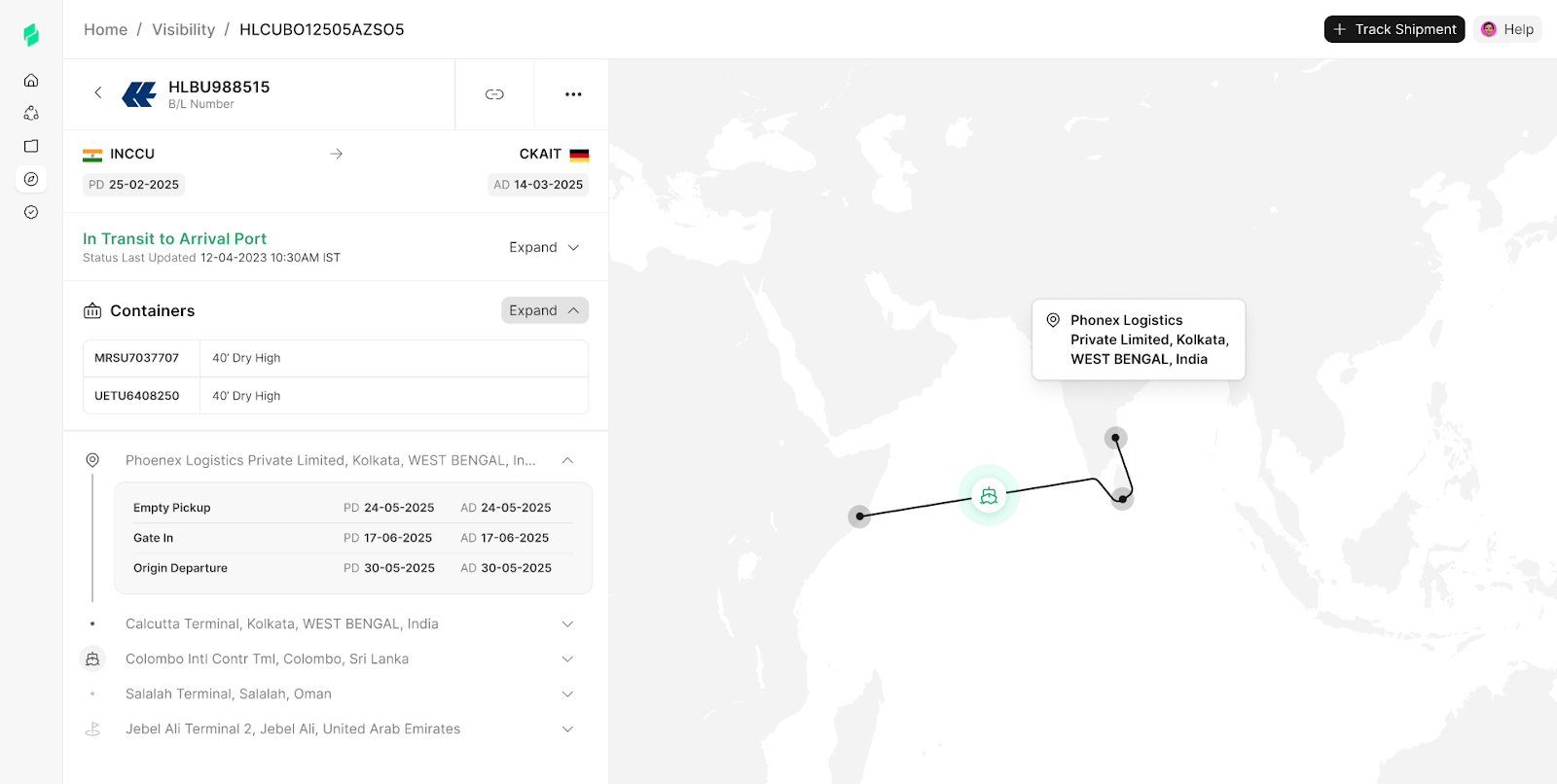
Delays are common in global shipping, from customs holdups to carrier issues. Pazago’s Real-Time Tracking helps you tackle those delays effectively by giving you full visibility across the supply chain.
- See Shipments in Motion Instantly: Pazago consolidates tracking data from hundreds of shipping companies across multiple countries into a single dashboard. You no longer need to switch among different carrier sites or platforms.
- Get Ahead of Delays Before They Escalate: Continuous tracking means you receive immediate alerts if a shipment is delayed or goes off-route, allowing you to adjust delivery commitments or reroute goods proactively.
- Keep Customers and Partners Informed Automatically: Shared tracking links and real-time status updates let your clients and stakeholders follow progress themselves. This reduces inbound queries and builds trust even when there’s a delay.
- Plan Inventory and Operations with Confidence: Knowing exactly when goods will arrive or be delayed helps you manage inventory, warehouse space, and production schedules more reliably, minimizing costly stockouts or idle time.
By focusing on real-time visibility, Pazago turns shipping delays from blind spots into manageable events, giving you clarity and control even when unexpected disruptions occur.
Conclusion
Shipment delays are an inevitable part of logistics in India, but with the top strategies, businesses can minimize their impact. By using technology, diversifying logistics partners, and maintaining clear communication with customers, businesses can stay ahead of potential disruptions.
Ready to tackle shipment delays head-on? Explore how Pazago can optimize your supply chain and improve delivery times. Contact us for a demo today!
FAQ
1. Why is the role of shipment delay management critical for businesses?
Shipment delay management is essential for meeting customer expectations, maintaining operational efficiency, and avoiding financial penalties. Proper management helps ensure products arrive on time, sustaining business growth.
2. How does real-time tracking help in reducing shipment delays?
Real-time tracking helps businesses to monitor the status of shipments at each stage. If a delay occurs, this transparency helps businesses inform customers in a timely manner and make adjustments where possible.
3. What should I do if my shipment is delayed?
If your shipment is delayed, the first step is to contact the logistics provider to get a clear update on the status. If necessary, request an estimated delivery date or an explanation for the delay.
4. How long is a reasonable delay before I should take action?
A reasonable delay can vary depending on the product and shipping method. However, after 2-3 days beyond the expected delivery date, it’s advisable to reach out to customer service to address any concerns.
5. What are the penalties for shipment delays in India?
Shipment delays can lead to penalties in certain cases, especially for businesses under contract agreements with strict timelines. Penalties may include fines or contractual non-compliance charges.