.png)


What Is EXIM Policy: Key Guidelines For Exporters In India
Optimize your business: use unlimited savings with Pazago fulfilled now!
Get Started ->Exporting from India sounds straightforward until rules, classifications, and approvals start shaping every decision. What can you export freely? Which goods need restrictions or approvals? And how do exporters avoid compliance gaps that slow shipments or payments?
This is where the EXIM Policy steps in. It sets the rules exporters operate within, influencing documentation, shipments, and payment processes more than many realise. When these rules aren’t clear, exporters often react to issues instead of planning ahead.
This blog breaks down the EXIM Policy in a practical way for exporters. You’ll learn about its main objectives and the key features of its framework. Read on to understand how these elements affect your exports and align your operations for smooth, compliant trade.
At A Glance:
- The EXIM Policy sets rules for exporting and importing, guiding documentation, classifications, and payment processes in India.
- It helps exporters plan better by explaining compliance requirements, reducing delays, and avoiding last-minute regulatory issues.
- The main objectives include export promotion, import regulation, trade diversification, increased competitiveness, and employment generation.
- Key features cover re-engineering of processes, towns of export excellence, exporter recognition, SCOMET policies, and e-commerce export support.
- EXIM Policy offers promotion incentives like duty exemptions, capital goods schemes, and support for meeting export obligations efficiently.
What Is The EXIM Policy Of India?
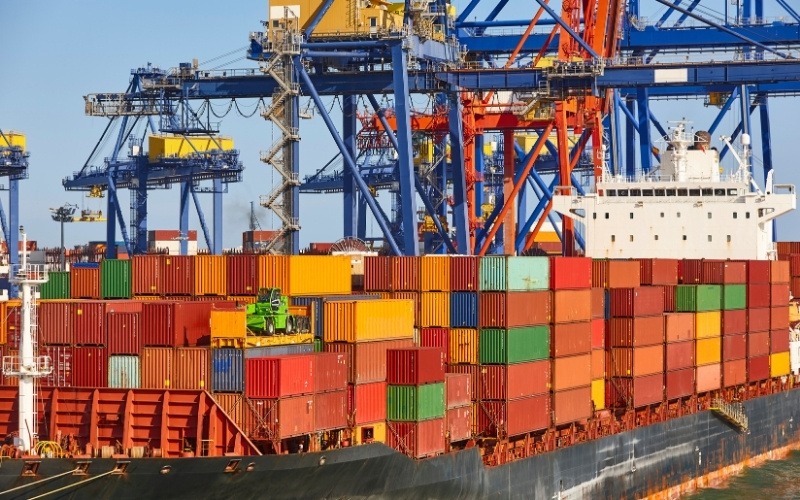
If you export goods or services from India, the EXIM Policy shapes almost every trade decision you make. It sets the rules that define what you can export, import, or restrict.
The EXIM Policy, also called the Foreign Trade Policy, is issued by the Government of India. It works under the Foreign Trade Development and Regulation Act and guides cross-border trade practises. In simple terms, it outlines the dos and don’ts of international trade for Indian businesses.
At its core, the EXIM Policy helps exporters by:
- Clarifying which goods and services are permitted, restricted, or prohibited for trade
- Setting conditions for exports, imports, licensing, and compliance
- Creating a structured framework for smooth cross-border trade
Also Read: Import and Export Trade: Understanding Its Impact and Strategies In India
How the Foreign Trade Policy Cycle Works in India
India’s EXIM Policy is released as the Foreign Trade Policy (FTP) and follows a defined policy cycle. Instead of frequent overhauls, the FTP 2023-2028 sets a long-term framework with periodic updates.
Key points exporters should know:
- The FTP is announced for a multi-year period and reviewed at regular intervals
- Updates reflect global trade changes, market conditions, and policy priorities
- Core export rules usually remain stable, while procedures and incentives evolve
- Exporters must track notifications to stay aligned with current requirements
Understanding this cycle helps exporters plan better and avoid surprises when policy updates affect documentation, incentives, or compliance timelines.
Once you understand what the EXIM Policy covers, its real value becomes clearer when you look at how it supports exporters in practice.
Why The EXIM Policy Matters For Exporters?

For exporters, the EXIM Policy is not just a government document. It directly affects how smoothly your shipments, payments, and documentation move forward.
- Keeps Export Payments on Track: The policy ensures export proceeds reach India within defined timelines. This protects your foreign exchange earnings and avoids unnecessary compliance follow-ups.
- Controls Import-Export Balance: By regulating imports and encouraging exports, the policy helps maintain a stable trade balance. This stability supports long-term planning for export businesses.
- Supports Business Expansion: Export incentives and duty benefits help reduce production costs. This makes scaling operations and entering new markets more practical for exporters.
- Encourages Better Quality Standards: Exporters are pushed to meet global benchmarks. This improves product quality and builds trust with international buyers.
These outcomes do not happen by chance. They are guided by specific objectives that shape how the EXIM Policy works in practice.
What Are The Main Objectives Of The EXIM Policy?

Behind every guideline in the EXIM Policy sits a clear objective focused on strengthening India’s trade position. Each objective connects directly to everyday export activities.
- Promoting Exports Consistently
The policy encourages exports through structured incentives and simplified rules. This helps exporters improve foreign exchange earnings and remain globally competitive. - Regulating Imports Thoughtfully
Imports are monitored to ensure quality and relevance. This prevents unnecessary goods from entering the domestic market and protects local industries. - Expanding Global Trade Reach
Exporters are encouraged to explore new markets and products. This reduces dependence on limited goods or regions and spreads trade risk. - Improving Ease of Trade
Export and import procedures are designed to be more predictable. This reduces paperwork delays and helps exporters plan shipments with confidence. - Creating Employment Opportunities
As trade volumes grow, production and logistics activities expand. This generates jobs across manufacturing, transport, and allied services.
These objectives set the policy's intent. The real impact, however, comes from how these intentions are implemented through key features.
Key Features Of The EXIM Policy Framework

The EXIM Policy is built around specific initiatives that shape how exports are promoted, monitored, and supported across sectors. Each feature addresses a different stage of the export journey.
Re-engineering and Automation of Trade Processes
This feature focuses on reducing manual intervention in export procedures through digital systems.
- Encourages online applications and approvals across export schemes
- Reduces processing time for licences and authorisations
- Improves visibility and consistency in trade compliance
Towns of Export Excellence (TEE)
Certain towns receive focused support to promote sector-specific exports.
- Priority access to export promotion funds
- Support for handicrafts, handlooms, and local manufacturing clusters
- Eligibility for shared infrastructure benefits under export schemes
Exporter Recognition and Status Holders
Exporters are recognised based on performance and contribution to trade growth.
- Status holders receive procedural benefits
- Encourages experienced exporters to support skill development
- Strengthens industry participation in trade initiatives
Promotion of Exports from Districts
The policy supports district-level export development in partnership with state governments.
- Identifies export potential at the local level
- Supports new exporters from smaller regions
- Builds a stronger grassroots export ecosystem
Optimisation of the SCOMET Policy
Sensitive exports are regulated while maintaining access to global markets.
- Clearer controls for dual-use goods and technologies
- Alignment with international treaties and standards
- Predictable approval processes for eligible exporters
Enabling E-commerce Exports
The EXIM Policy supports exports through online platforms with defined guidelines.
- Covers documentation and payment reconciliation
- Addresses returns and export entitlement clarity
- Encourages cross-border digital trade participation
EPCG Scheme for Capital Goods
This scheme supports technology upgrades for export production.
- Allows zero-duty import of capital goods
- Links benefits to export performance commitments
- Supports long-term production efficiency
Advance Authorisation Scheme
Raw materials can be imported duty-free for export manufacturing.
- Reduces input costs for exporters
- Supports faster production cycles
- Aligns with sector-specific export requirements
Amnesty Scheme Under Foreign Trade Policy
A one-time relief measure for exporters with pending export obligations.
- Caps interest on duty defaults
- Helps close older compliance gaps
- Reduces financial stress on exporters
Merchanting Trade Regulations
The policy defines clear boundaries for third-country trade activities.
- Restricts the merchanting of sensitive or prohibited goods
- Requires compliance with RBI guidelines
- Ensures transparency in offshore trade transactions
Also Read: Export Invoice: Format, Types and Uses
What Promotion Incentives Does EXIM Policy Offer Exporters?

Exporting comes with costs that go beyond production. Duties, taxes, and operational inefficiencies often affect margins. To offset this, the EXIM Policy includes promotion incentives that directly support exporters and improve cost competitiveness.
These incentives are not automatic benefits. They work best when your data, documents, and shipments are clean and well-tracked.
RoDTEP Scheme
RoDTEP (Rebate of Duties and Taxes on Exported Products) is designed to refund embedded taxes and duties that are not refunded under GST.
- Covers taxes and duties paid during manufacturing and export processes
- Applies to a wide range of exported products
- Helps reduce overall export costs and improve pricing competitiveness
Note: RoDTEP replaced earlier export incentive schemes such as MEIS in 2021, creating a more transparent and WTO-compliant remission structure.
Service Export Incentive Scheme (SEIS)
SEIS focuses on encouraging service exports from India.
- Rewards eligible service exporters based on net foreign exchange earnings
- Incentives can go up to a defined percentage annually
- Supports sectors contributing to foreign exchange and employment growth
Duty Exemption and Remission Schemes
Certain schemes allow exporters to import inputs without paying customs duties, provided they are used for exports.
- Supports the duty-free import of raw materials or components
- Reduces upfront cost burden for exporters
- Requires strict adherence to input-output norms and documentation
As incentives link closely with operations, exporters benefit most when execution stays organised.
Struggling with delayed shipments or mismatched data that affect your incentive claims? Pazago streamlines logistics, ensuring accurate shipment tracking, on-time bookings, and smooth customs processes, helping you avoid delays and claim incentives more efficiently.
Key Pillars Shaping EXIM Policy Implementation

Instead of focusing only on departments, the EXIM Policy is driven by four operating pillars. These pillars guide how authorities design incentives, simplify compliance, and support exporters on the ground:
- Structured Remissions to Support Export Costs
Recent updates focus on structured remission through schemes like RoDTEP. The aim is timely refunds, predictable support, and better cost recovery for exporters. - Coordinated Efforts Across the Export Network
The policy stresses coordination between central and state governments, export councils, and Indian Missions. This alignment helps exporters receive consistent guidance across markets and regions. - Simplifying Export Processes
Processes are simplified through digital systems and reduced paperwork. One-time relaxations, faster approvals, and streamlined authorisations cut delays and compliance burden. - Focus on Growing Export Segments
New-age exports such as e-commerce, district-led export hubs, and SCOMET items receive special attention. Integration with ICEGATE and higher courier limits support smaller and faster export consignments.
Policy enforcement becomes practical when exporters understand product classification and input norms. This is where codes and standards matter.
Also Read: Affordable Export Documentation Services for All Trade Needs
What Are SION and ITC-HS Codes In EXIM Policy?

SION and ITC-HS codes form the technical backbone of export compliance. They define how products are classified and what inputs qualify for export benefits.
- Predefined Input-Output Benchmarks: SION sets fixed norms for the quantity and type of inputs needed to produce export goods. This helps exporters assess duty benefits and input eligibility with clarity.
- Coverage Across Products and Sectors: These norms apply to a wide range of products across manufacturing, agriculture, and service-linked exports. This broad scope ensures consistency across industries and export categories.
- Periodic Updates Based on Trade Changes: SIONs are revised to reflect shifts in technology, policy updates, and market practises. Regular reviews help exporters stay aligned with current trade conditions.
- Official Publication and Accessibility: All approved SION norms are published in the DGFT’s Handbook of Procedures. This makes them easily accessible for exporters, consultants, and compliance teams.
How Pazago Helps You Execute the EXIM Policy Through Efficient Logistics
The EXIM Policy sets the framework for how exports should occur, but the real challenge lies in effectively implementing these rules across shipments, bookings, and deliveries.
Pazago helps exporters achieve a smooth execution by providing the logistics support needed for compliant, timely exports.
Here’s how Pazago’s logistics solutions support export operations:
- Stable Freight Rates for Predictable Planning: By securing competitive, long-term freight rates with major shipping lines, Pazago helps exporters plan shipments effectively and avoid last-minute price hikes, ensuring timely delivery within EXIM policy timelines.
- Confirmed Container Bookings and Coordinated Loading: With guaranteed container space and coordinated loading schedules, Pazago helps exporters prevent rollovers and ensure containers reach ports on time, minimising delays and aligning with EXIM shipment milestones.
- Real-Time Shipment Visibility: Track container movements, vessel ETDs, and transshipment updates via Pazago’s system, providing exporters with full visibility. This helps keep shipments on track and ensures export timelines are met for compliance.
- Efficient Pre- and Post-Shipment Coordination: Pazago provides seamless coordination before and after shipments, including logistics support for smooth container booking, equipment release, and delivery scheduling, reducing the chances of missed deadlines or incomplete shipments.
- Complete Transparency with Daily Status Reports (DSRs): With structured daily updates on shipment status, exporters are always informed of vessel ETAs, cargo movement, and potential delays, enabling them to take proactive steps and keep customers and banks informed.
Pazago supports exporters by streamlining logistics execution, ensuring smooth shipment operations, and improving visibility, helping exporters stay aligned with EXIM Policy timelines and requirements.
Bottom Line
The EXIM Policy provides exporters with a clear framework for structuring, monitoring, and regulating trade from India. It outlines essential export permissions, import controls, and the responsibilities for documentation, shipments, and payments.
However, many compliance issues arise when export operations are fragmented across emails, spreadsheets, and disconnected tools.
Pazago helps exporters streamline these processes by centralising orders, documents, logistics, and payments on a single platform. By integrating logistics execution with compliance, exporters can ensure timely shipments, reduce delays, and maintain smooth supply chain operations.
Looking to optimise your export operations and ensure compliance? Contact us to see how Pazago can help you manage everything in one system, from shipment to payment.
FAQs
1. Is EXIM regulated by the RBI?
The EXIM Policy itself is not issued by the RBI, but the RBI regulates foreign exchange, export payments, and remittances under FEMA.
2. What are EXIM's eligibility requirements?
Any business involved in exporting or importing from India must obtain an Importer Exporter Code and comply with applicable trade and documentation rules.
3. What is an EXIM scheme?
An EXIM scheme is a government programme under the EXIM Policy that supports exports through duty benefits, authorisations, or procedural support.
4. Who controls EXIM?
India’s EXIM framework is controlled by the Government of India through the Ministry of Commerce and Industry, with policy execution handled by the Directorate General of Foreign Trade.