.png)


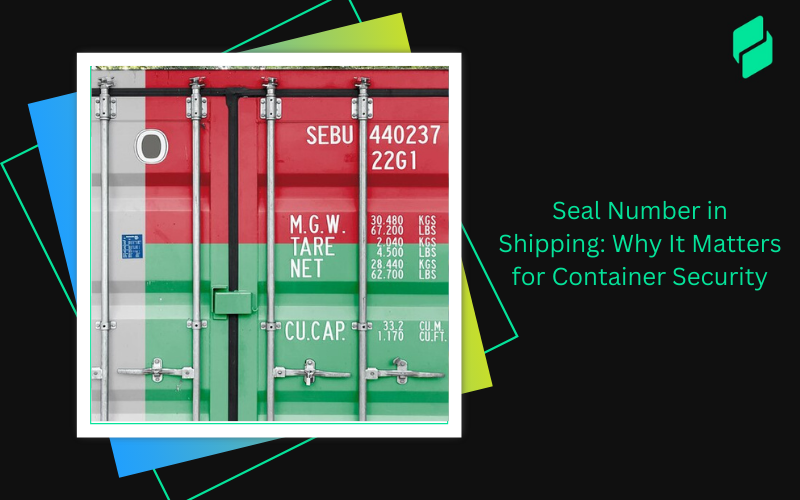
Seal Number in Shipping: Why It Matters for Container Security
Optimize your business: use unlimited savings with Pazago fulfilled now!
Get Started ->Managing export shipments can be stressful when you have limited visibility over what happens to your containers once they leave the port. Missed tamper alerts, misplaced documentation, or inaccurate container tracking can lead to costly delays, compliance issues, and disputes with buyers.
For exporters like you, these challenges multiply when handling multiple shipments at once, making it hard to ensure every consignment reaches its destination safely.
One simple yet effective safeguard is the container seal number. It serves as the first line of defence against tampering, theft, and transit errors. The global container seal market is expected to reach around USD 369 million by 2031, reflecting growing emphasis on cargo security in international trade.
By keeping track of seal numbers carefully, you can flag issues early, stay compliant with customs regulations, and reassure buyers that their cargo is secure. In this blog, we’ll explore what a seal number is, why it matters for container security, and how proper seal management can help you avoid costly errors and penalties.
At a Glance:
- The seal number on a container acts as a unique security identifier that confirms the container has not been opened or altered from the point of stuffing to final delivery.
- Seal numbers are checked at multiple stages, such as stuffing, gate-out, port handling, transit handovers, and destination delivery, to create a clear and continuous security and verification trail.
- Different seal types, including bolt, cable, plastic, and electronic seals, offer varying levels of protection based on cargo value, route length, and regulatory requirements.
- Seal numbers play a critical role in preventing tampering and theft, supporting customs compliance, reducing disputes, and creating a reliable audit trail for exporters and buyers.
- Compliance standards, common seal-related mistakes, and best practices around accurate recording, verification, and centralised tracking directly impact shipment security and day-to-day operations.
What is a Seal Number in Shipping?
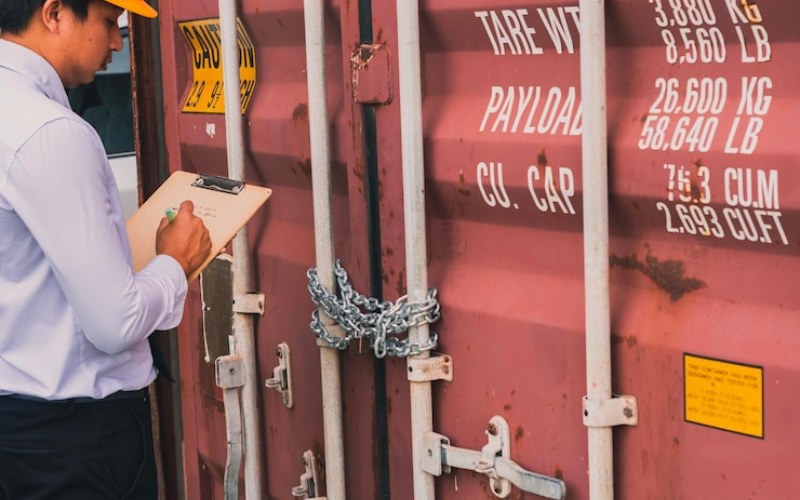
Seal numbers are unique identifiers assigned to containers when they are sealed at the point of origin. Think of them as digital or physical “locks” that confirm the container has not been opened or tampered with during transit. Each seal comes with a number that acts as a reference for tracking, verifying, and auditing shipments.
The primary purpose of a seal number on a container is to ensure that the contents remain intact from the shipper to the recipient. These identifiers act as a reference for customs authorities, freight forwarders, and logistics teams, helping everyone stay accountable at each stage of the supply chain.
Where Seal Numbers Appear in the Shipping Process?
Seal numbers are recorded and verified at multiple stages to keep containers secure. Key touchpoints include:
- At Container Stuffing: Seal numbers are applied and logged when the container is packed at the exporter’s facility, creating the first layer of security for the cargo.
- Before Gate‑Out: The seal number is checked as the container leaves the facility to confirm it matches the recorded reference before the transport journey begins.
- At Port of Loading: Shipping line officials verify the seal number against export documentation before the container is loaded onto the vessel, helping prevent unauthorised access.
- During Transit Handover: When containers are transferred between transport modes (for example, from truck to ship), the seal number is re‑checked to make sure it has not been tampered with.
- At Port of Discharge: The seal number is verified again upon arrival at the destination port, ensuring the container remains intact throughout the sea leg.
- At Final Delivery: The receiving party or customs authority confirms the seal number before the container is opened, closing the security loop and validating shipment integrity.
These checkpoints help exporters and logistics teams spot discrepancies early, avoid delays, and maintain a clear audit trail tied to the seal number on the container.
Also Read: Shipping Management System in Global Trade
Types of Container Seals
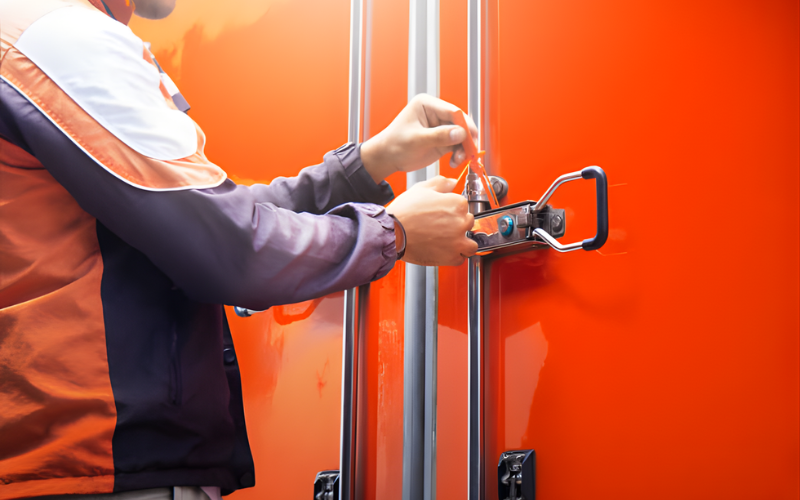
Containers can be secured using different types of seals, each designed for different levels of security and handling needs. The main types include:
1. Bolt Seals
Bolt seals are high-security seals made from hardened steel. They lock container doors tightly and can only be removed by breaking them. Once applied, any tampering is obvious, which makes bolt seals a popular choice for international shipments.
These seals are often required by customs authorities and checked during inspections because of their strength and reliability.
Best for: High-value cargo and long international routes where strict security is required.
2. Cable Seals
Cable seals use a steel cable that loops through the container locking mechanism and is secured with a numbered locking body. They fit a variety of container designs where rigid seals may not work easily.
While not as strong as bolt seals, cable seals still show clear signs of tampering and are accepted across global shipping routes.
Best for: General cargo and containers with non-standard locking systems.
3. Plastic or Strip Seals
Plastic seals are lightweight and cost-effective. They are easy to apply and remove, making them suitable for low-risk shipments or short-distance transport. However, they only provide basic tamper evidence and can break more easily than metal seals.
Because of their lower security level, plastic seals are usually used for internal movements or situations where strict customs sealing is not mandatory.
Best for: Low-risk shipments, short transit routes, or internal logistics movements.
4. Electronic Seals (E-Seals)
Electronic seals combine physical locking with digital tracking. These seals can send alerts if tampering occurs and may also provide real-time location updates during transit. Although they cost more, they offer better oversight and control for sensitive shipments.
E-seals are becoming more popular among exporters handling regulated or high-risk goods where constant monitoring matters.
Best for: High-risk, sensitive, or regulated cargo requiring real-time monitoring.
Choosing the right seal depends on cargo value, regulatory rules, and how closely the shipment needs to be monitored. Knowing these options helps exporters balance security, cost, and compliance without overcomplicating things.

Why Seal Numbers Matter for Container Security?
Seal numbers are far more than just identifiers; they play a key role in keeping your shipment safe from start to finish.
Here’s why they matter:
1. Prevents Unauthorised Tampering
Seal numbers act as an immediate visual and documented check against container interference. If a seal is broken or doesn’t match, your team knows right away—before the goods reach customs or buyers.
- Early detection of interference: A broken or mismatched seal number alerts teams before goods reach customs or buyers.
- Clear responsibility trail: It becomes easier to identify at which stage tampering may have occurred.
- Reduced downstream disputes: Quick detection helps resolve issues before they escalate into claims or penalties.
This makes seal numbers a basic but reliable safeguard in global shipping.
2. Reduces Theft and Cargo Pilferage Risks
Cargo theft remains a real concern, especially for high-value or easily resellable goods. Seal numbers create traceability that discourages tampering.
- Deterrence factor: Tampering with a sealed container leaves visible proof that cannot be ignored.
- Proof during investigations: Seal records support insurance claims and loss assessments.
- Higher security for valuable cargo: Especially important for high-value or sensitive export goods.
For exporters, this layer of protection helps protect your money.
3. Supports Customs and Regulatory Compliance
Customs authorities rely heavily on seal integrity to assess shipment risk. A verified seal number on a container shows your shipment is following the right procedures.
- Smoother customs clearance: Intact seals reduce inspection frequency and delays.
- Alignment with global standards: Meets requirements under ISO and port security frameworks.
- Lower risk of penalties: Avoids fines caused by unexplained seal discrepancies.
Strong seal practices allow shipments to move faster across borders.
4. Creates a Reliable Audit Trail
Seal numbers record the shipment’s security history, giving exporters access to audit details months later.
- Accurate shipment verification: Confirms that goods moved as declared.
- Supports dispute resolution: Useful when buyers raise quantity or quality concerns.
- Long-term record access: Helps exporters respond to audits months later.
This traceability strengthens accountability across the supply chain.
5. Improves Internal and External Visibility
Seal numbers are not just for logistics teams. When shared correctly, they keep everyone in the loop, internally and overseas.
- Internal alignment: Production, finance, and management gain clarity on shipment status.
- Buyer confidence: Buyers can match seal numbers with container tracking details.
- Fewer follow-ups: Clear records reduce repeated queries and manual checks.
Better visibility leads to smoother operations and stronger trade relationships.
Also Read: ISO Container Full Form in Shipping: Types and Benefits
Compliance & Industry Standards: Regulations and Policies Governing Seal Numbers
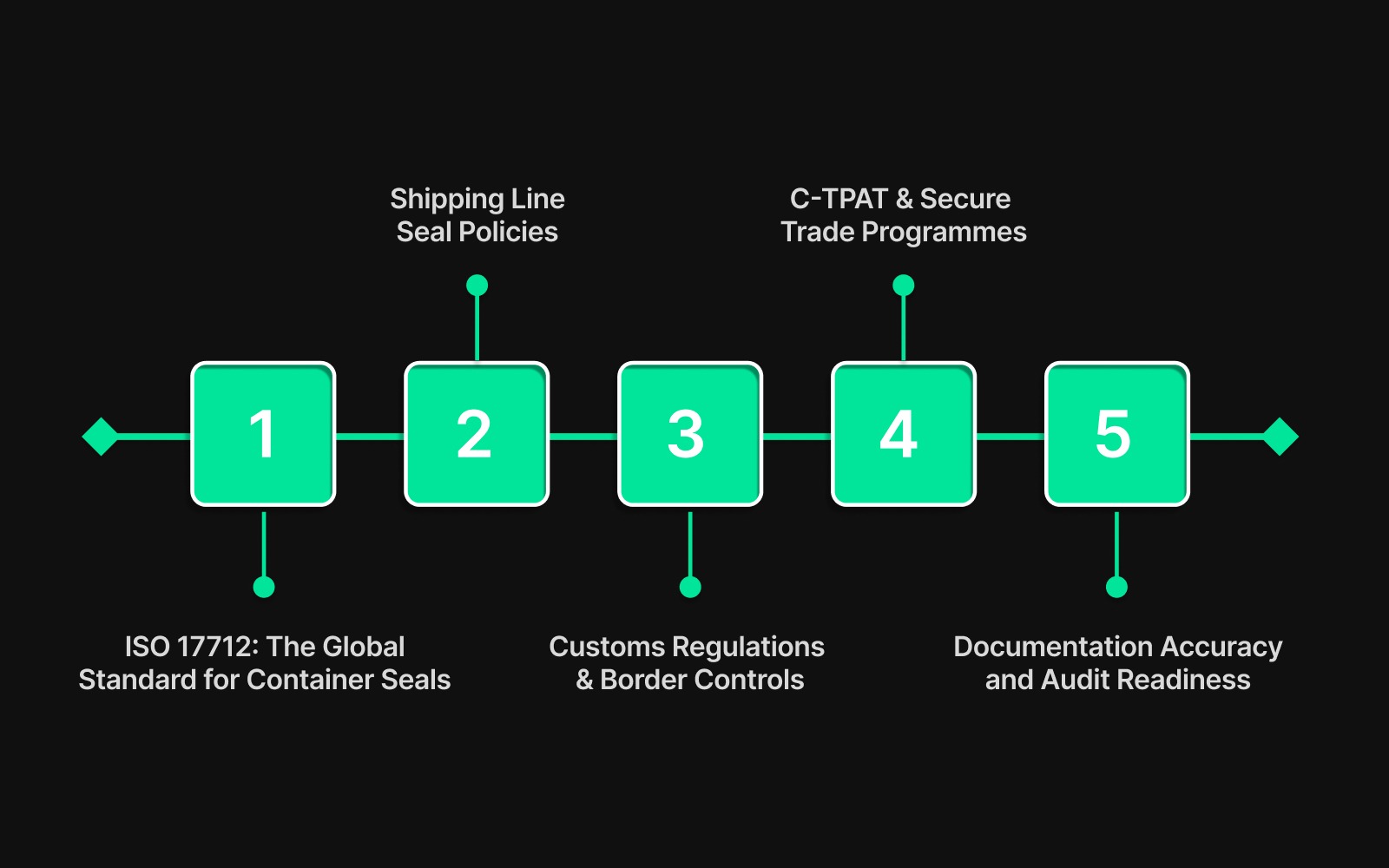
Global trade is governed by a variety of regulations that dictate how containers should be secured. These rules are designed to prevent smuggling, theft, and supply chain fraud.
Below are the key standards and policies that govern how seal numbers should be used and recorded.
ISO 17712: The Global Standard for Container Seals
ISO 17712 is the internationally recognised standard that defines how container seals should be designed, tested, and classified. It focuses on seal strength, tamper resistance, and identification.
Under ISO 17712, seals are classified into three categories based on their security level:
- High Security (H): Used for international containerised cargo. These seals are tamper-resistant and difficult to break without tools.
- Security (S): Offers moderate protection, usually for lower-risk movements.
- Indicative (I): Provides visual evidence of tampering but is not suitable for high-risk or long-haul shipments.
For exporters, using ISO-compliant seals helps ensure the seal number on the container is accepted by carriers and customs authorities worldwide.
Shipping Line Seal Policies
Most global shipping lines follow strict internal policies regarding seal usage and documentation. These policies usually require:
- Use of ISO 17712 High Security seals
- Accurate recording of the seal number in shipping instructions
- Seal number consistency across the Bill of Lading, manifest, and carrier systems
If the seal number recorded does not match the physical seal on the container, shipping lines may flag the shipment for inspection or refuse liability in case of disputes. Following carrier seal policies helps avoid shipment holds and responsibility gaps.
Customs Regulations and Border Controls
Customs authorities rely heavily on seal numbers to verify container integrity. During inspections, officers check whether the seal number on the container matches the number declared in documents.
A mismatch, missing seal number, or broken seal often leads to:
- Physical inspection of the container
- Delays in clearance
- Additional fees or penalties
For exporters, this makes correct recording and clear tracking of the seal number on the container a compliance requirement, not just paperwork.
C-TPAT and Secure Trade Programmes
Many exporters participate in trusted trader programmes such as C-TPAT (Customs-Trade Partnership Against Terrorism). These programmes require participants to follow strict cargo security practices.
Seal-related requirements under such programmes include:
- Use of high-security seals
- Controlled access to seals
- Documentation of seal application and verification
Failure to follow these practices can result in loss of certification, which may lead to slower customs clearance and increased scrutiny.
Documentation Accuracy and Audit Readiness
Seal numbers are part of the official shipment record. Authorities may audit shipments months after delivery, especially if disputes or investigations arise.
Maintaining accurate seal records helps exporters:
- Respond quickly to customs or carrier queries
- Provide proof of cargo integrity
- Avoid legal or insurance complications
Storing seal numbers in a central export system instead of scattered files makes tracking easier and audits less stressful.
Understanding these rules around seal usage and documentation helps exporters avoid delays, penalties, and unnecessary inspections.
Common Seal Number Mistakes That Put Shipments at Risk
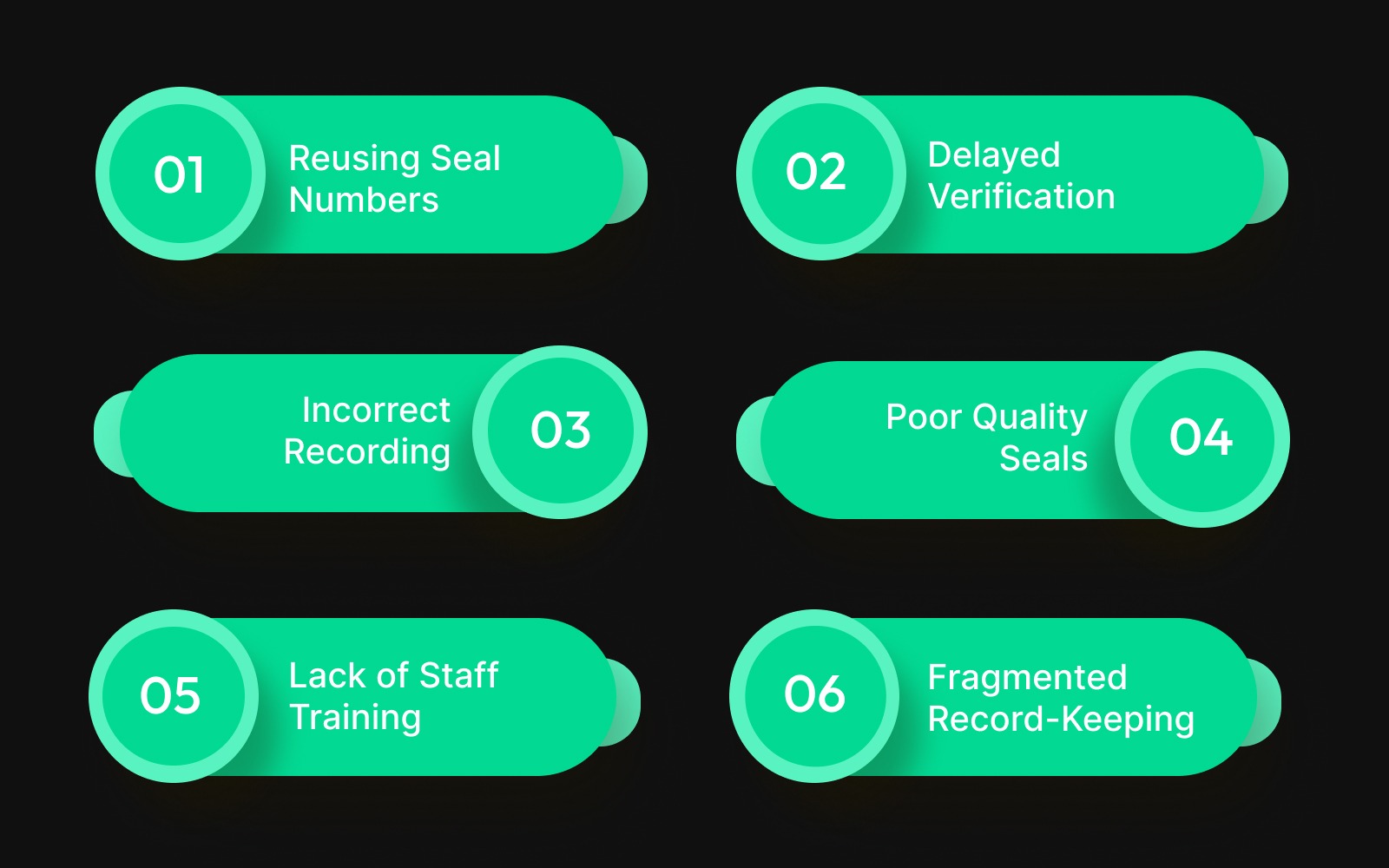
Even a small oversight with seal numbers can cause big problems. Here are some frequent mistakes you should avoid:
- Reusing Seal Numbers: Using the same number across multiple shipments can confuse tracking systems and compromise security.
- Delayed Verification: Not checking the seal at key checkpoints, such as gate-in or gate-out, can allow tampering to go unnoticed.
- Incorrect Recording: Mistyping the seal number in documents or logistics systems can create gaps in accountability and tracking.
- Poor Quality Seals: Using lightweight plastic seals for high-value cargo increases the risk of theft or tampering.
- Lack of Staff Training: Teams unfamiliar with seal procedures may mishandle containers, causing compliance issues.
- Fragmented Record-Keeping: Maintaining seal information across emails, spreadsheets, and multiple systems makes it easy to lose track or misreport numbers.
Exporters should adopt standardised procedures for assigning, recording, and monitoring seal numbers to mitigate these risks.
Best Practices for Managing Seal Numbers Effectively
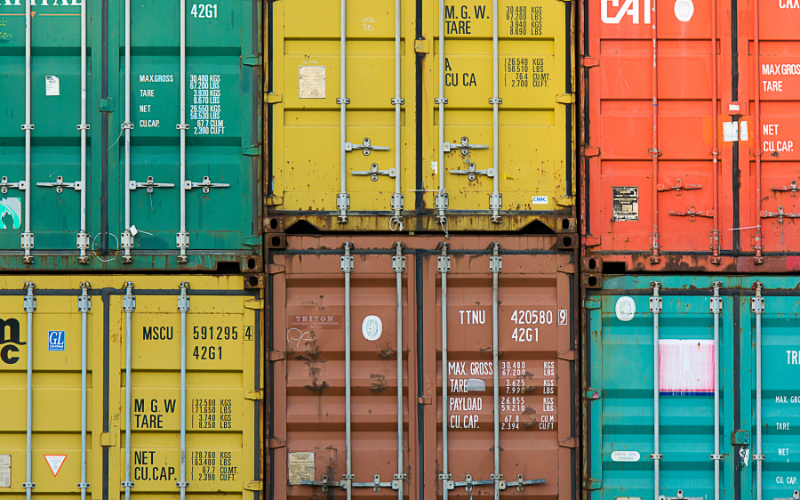
Managing seal numbers requires discipline and the right tools. Some best practices include:
- Assign Unique Numbers: Ensure each container has a unique seal number and avoid reuse of disposable seals.
- Audit and Cross-Check: Regularly verify that the seal number in documents matches the physical seal.
- Train Teams: Educate production, logistics, and management teams so everyone understands why seal numbers matter and how to check them.
- Use Technology: Platforms that centralise shipment and document records help reduce seal-number errors and give stakeholders real-time visibility.
Implementing these practices reduces the risk of human error, simplifies audits, and improves compliance across the supply chain.
Strengthen Seal Integrity and Container Security with Pazago
A container seal only protects cargo if execution around it remains disciplined. Even when the correct seal type is applied, gaps in container booking, loading coordination, or shipment follow-ups can expose exporters to mismatches, rollover risks, or documentation inconsistencies. Seal numbers must align with physical handling at factory, CFS, port, and vessel stages to maintain credibility with customs and buyers.
Pazago strengthens this execution layer by reinforcing freight reliability and structured shipment coordination across international movements. Exporters managing multiple containers benefit from:
- Assured container booking and coordinated loading at factory, CFS, or port, reducing mismatch risks between recorded seal numbers and physical container handling.
- Daily Status Reports (DSRs) covering container movement, ETD/ETA updates, transshipment alerts, and BL status, supporting consistent visibility tied to each sealed shipment.
- Comprehensive pre-shipment and post-shipment support to align booking confirmations, BL processes, and documentation clarity before and after container dispatch.
- Competitive freight rates secured through long-term shipping line relationships, helping exporters maintain predictable cost planning while managing secure container movements.
- Equal operational support regardless of shipment volume, ensuring consistent coordination standards across all consignments.
By reinforcing booking discipline, shipment monitoring, and structured coordination, Pazago helps exporters maintain control over container integrity from loading to final delivery.
Conclusion
Seal numbers play a critical role in protecting cargo from tampering, theft, and compliance exposure. Accurate recording and verification at each checkpoint strengthen both security and documentation credibility.
However, seal integrity depends on stable freight execution and coordinated container handling. Confirmed bookings, structured loading processes, and consistent shipment updates determine whether sealed containers move without disruption. Pazago reinforces this operational layer, helping exporters maintain container security and shipment reliability across international trade.
FAQs
1. How does a seal number differ from a container number?
A container number uniquely identifies the shipping container itself, while a seal number identifies the security seal locking the container. The container number tracks ownership and movement, whereas the seal number confirms cargo integrity and tamper protection.
2. What happens if a seal number is broken or mismatched?
A broken or mismatched seal number raises security concerns and may trigger inspections, delays, or cargo holds. It can indicate possible tampering, theft, or documentation errors, often requiring investigation by customs, carriers, or port authorities.
3. How are seal numbers documented in shipping?
Seal numbers are recorded on shipping documents such as the bill of lading, packing list, and cargo manifest. They are also entered into carrier and customs systems to ensure consistency, traceability, and verification throughout transit.
4. Why are tamper-evident seals important in international trade?
Tamper-evident seals help protect cargo from theft, contamination, and unauthorised access. They provide visible proof of interference, support customs security programs, reduce risk during transit, and help maintain trust between shippers, carriers, and authorities.
5. What standards apply to shipping container seals?
Shipping container seals must meet ISO 17712 standards, which define strength, tamper resistance, and classification requirements. High-security seals compliant with ISO 17712 are mandatory for many international shipments, especially under customs security programs.