.png)


Shipping Management System in Global Trade

Optimize your business: use unlimited savings with Pazago fulfilled now!
Get Started ->Ships move economies, not just cargo. Over 80% of world trade by volume moves by sea, making shipping management the backbone of global commerce. Every export depends on smooth coordination between ports, carriers, and customs to keep trade steady.
Shipping management makes that possible. It connects planning, vessel operations, documentation, and compliance into one flow that keeps trade efficient and predictable. Each shipment moves with the right checks and records in place.
The process has gone far beyond manual updates. Modern systems bring logistics, automation, and visibility together so exporters can track cargo, handle paperwork, and plan faster with fewer errors.
This article explores how shipping management drives global trade, the challenges it faces, and the trends reshaping how goods move across borders.
Key Takeaways:
- Shipping management systems connect planning, operations, and compliance, ensuring smooth coordination between ports, carriers, and customs.
- A strong system unites order tracking, documentation, cost control, and analytics to cut delays and improve accuracy.
- Common challenges include timing gaps, rising costs, regulation shifts, and system outages, all impacting reliability and margins.
- Pazago strengthens export execution by centralising orders, documents, logistics, timelines, and communication, helping exporters manage shipments with clarity and control.
Behind the Scenes of Shipping Management
Every shipment moves because people and systems do different jobs well. You need clear roles on the ground and smart software in the background. When both align, your exports run cleaner and delays shrink.

With India handling over 1.4 billion metric tonnes of cargo across its ports, shipping operations now depend more than ever on precise coordination.
Let’s look at how these roles come together inside shipping operations.
- Logistics coordinators plan routes, prepare paperwork, and track shipments from booking to delivery. They stay in touch with freight forwarders, carriers, and customs officers, ensuring your cargo clears every checkpoint smoothly.
- Fleet managers handle the ships. They monitor vessel health, fuel levels, and maintenance schedules to keep everything safe and on budget.
- Port agents work on-site to make cargo loading and unloading seamless. They manage berthing slots, inspections, and local clearances while keeping your shipping team informed.
- Compliance officers check documents, safety norms, and trade regulations. Their work ensures shipments meet global and Indian export standards.
- Digital system operators run the software that connects everything: tracking cargo, updating records, and syncing communication between your teams and partners.
Also Read: Top Shipping Software Platforms for Small Business Delivery
To make these operations truly efficient, they rely on a well-structured shipping management system that integrates people, processes, and technology seamlessly.
Components of an Effective Shipping Management System
An effective Shipping Management System keeps your export operations predictable and cost-efficient. It brings every process, such as, orders, carriers, routes, and compliance, into one clear view, so you can manage shipments with confidence.
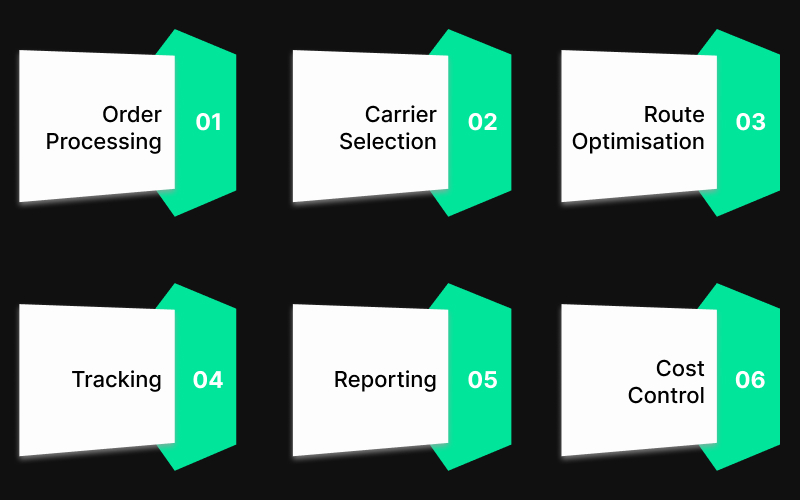
Let's take a closer look at the core functions:
1. Order Processing
You can record and verify orders instantly, matching item details, quantities, and shipping terms before dispatch. Automated checks prevent mismatched invoices and cut delays that usually happen when paperwork moves between departments.
2. Carrier Selection
You compare shipping lines or freight forwarders in one place based on delivery time, reliability, and cost. This helps you choose the right carrier without endless quote calls or email threads.
3. Route Optimisation
The system suggests the best routes using live traffic and port data. It reduces fuel costs and avoids congestion, especially for exporters moving cargo through ports like Mundra or Nhava Sheva.
4. Tracking
The system provides end-to-end shipment visibility, allowing users to monitor packages in real time. Tracking enhances customer communication and supports proactive issue resolution.
5. Reporting
Comprehensive reporting captures shipping performance, delays, and operational metrics. These reports facilitate decision-making and continuous improvement of logistics processes.
6. Cost Control
You track each expense, from freight to port handling, in one panel. The system flags billing errors and helps you plan shipments more efficiently, so you save on hidden logistics costs.
Before core functions can fully optimise shipment operations, a set of supporting tools ensures smooth coordination at each stage of the process.
Supporting Tools and Integrations
In addition to the core functions, several supporting sub-functions enhance the efficiency and flexibility of the system. These include:
- Inventory Visibility: You can view stock levels across warehouses and plan dispatches without overcommitting to buyers.
- Multi-Carrier Integration: Labels, rate comparisons, and service bookings happen automatically, saving time on repetitive carrier tasks.
- Customs and Documentation: Export forms, certificates, and compliance papers get auto-generated and stored digitally, helping you clear ports faster and avoid penalties.
- Analytics Dashboards: Visual reports show trends in freight costs, delivery times, and carrier reliability, helping you plan better for upcoming trade cycles.
- Integration with ERP or Warehouse Tools: Your order data, inventory, and shipment details stay in sync across platforms, removing double entries and manual errors.
Also Read: Introduction To Ocean Freight Management Software And Its Services
When core functions and supporting sub-functions work in tandem, the true benefits of a modern Shipping Management System start to emerge.
5 Benefits of a Modern Shipping Management System
When you bring a modern shipping management system into your process, the gains show up fast. Work that once took hours now wraps up in minutes, and your team can finally focus on decisions that actually need human input.

Let’s look at how it changes the way you operate:
- Faster processing: Routine updates, reports, and shipment entries are completed automatically. You can spot exceptions and fix them before they slow down delivery schedules.
- Higher accuracy: Data moves directly between systems without being typed again or copied from old sheets. You avoid errors that often slip in during manual entry.
- Better oversight: Dashboards show shipment progress in real time. When a container runs behind, you see it early and act before it affects the client.
- Tighter financial control: Every cost connects to a shipment. You can track budget gaps within days instead of waiting for month-end reports, making accounting smoother.
- Stronger client trust: Your sales or operations team can answer shipment queries right away. Quick, reliable updates show customers you’re in control from start to finish.
Even with a modern shipping management system, shipping operations are not without hurdles. Understanding these challenges is key to keeping your supply chain resilient and efficient.
Current Challenges in Shipping Management
Delays, breakdowns, and constant rule changes test every part of your shipping plan. Late vessels unsettle buyers, while engine faults or reefer failures drain budgets and force quick fixes. New customs and safety updates add to the paperwork burden, even as customers expect consistent delivery speeds.
Add shrinking skilled teams and time zone gaps, and you’re managing more variables than ever before, each one tied directly to how reliably your shipments move. Let’s make this clearer through a short table showing how these pressures connect to business impact.
Also Read: Key Elements of Implementing a Logistics Management System
These challenges can make shipping management feel like a constant juggling act. To overcome these hurdles, a reliable, streamlined system is essential. That’s where Pazago comes in, simplifying complex shipments and eliminating the friction that slows down operations.
How Pazago Strengthens Shipping Management Execution
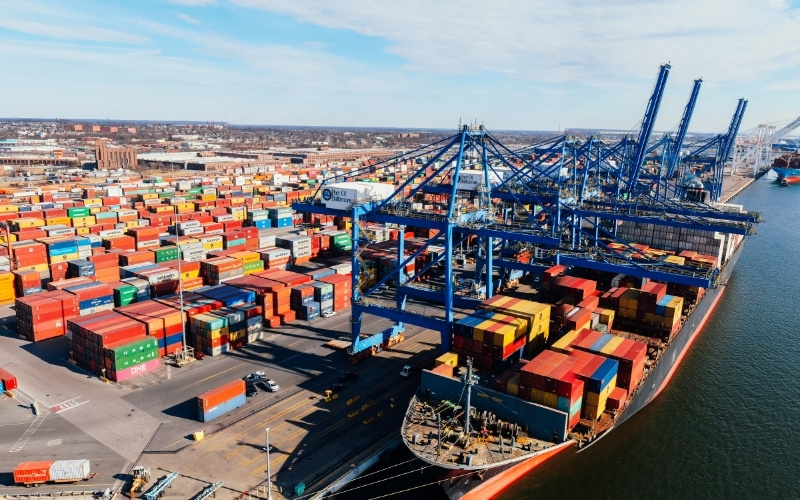
Shipping management systems often focus on carrier operations, routing, and port-level coordination. Many exporters, however, struggle at the execution stage, where orders, documents, timelines, and communication are fragmented across tools.
Pazago supports this execution layer by giving exporters a single, order-centric system to manage export shipments from quotation through delivery. Every shipment is organised around one structured export order instead of scattered emails or spreadsheets.
- Order-centric shipment control
Export orders are created and managed from one dashboard, including at the enquiry or quotation stage. Each order acts as the central reference for logistics, documents, payments, and communication, keeping teams aligned throughout the export cycle.
- Logistics visibility without system overlap
Each order includes a dedicated logistics view where exporters record forwarder rates, additional charges, delivery order numbers, container details, and shipment milestones. Container tracking is centralised using BL or container numbers, with shareable links for buyer visibility.
- Timeline clarity across teams
Key shipment dates such as booking, gate open, gate close, ETD, and dispatch planning are visible to production, logistics, and management. This shared visibility reduces missed vessels, rushed coordination, and planning gaps.
- Accurate documentation and compliance support
Export documents like commercial invoices and packing lists are auto-generated from order data and stored against the shipment. This keeps records consistent and helps avoid delays and penalties caused by documentation errors.
- Integrated communication and payment tracking
Order-level discussions, clarifications, and container photos remain linked to the shipment, preserving context over time. Export payments can be tracked across multiple stages with defined due dates and reminders, reflecting real export payment flows.
Rather than replacing carrier or port systems, Pazago complements shipping management by bringing structure and visibility to export execution. This order-centric approach helps exporters keep shipments predictable, compliant, and under control.
Conclusion
Shipping management has evolved from a routine coordination to a data-driven discipline that influences how trade decisions are made. Companies now compete on how quickly they can turn cargo movement into actionable insight. The smarter the system, the stronger the control over time, cost, and customer confidence.
In that shift, Pazago becomes less of a tool and more of an operating layer, quietly linking trade data, people, and partners into one continuous flow. It helps exporters stay informed, compliant, and confident as global trade keeps changing.
See how smoother coordination starts with smarter control - book a demo with Pazago today.
FAQs
1. How does a shipping management system support sustainability in global trade?
Modern systems help cut fuel waste through optimised routing and smarter load planning. They also digitise paperwork, reducing the carbon impact tied to manual documentation and unnecessary port visits.
2. What role does data security play in shipping management systems?
A strong system safeguards trade data through encryption, role-based access, and regular audits. This prevents unauthorised access to shipping records, invoices, and client details.
3. How do AI and predictive analytics improve shipping management?
AI tools can forecast port congestion, shipment delays, and fuel use patterns. Predictive analytics turn past performance data into forward-looking insights, helping exporters plan shipments with fewer surprises.
4. What’s the future of shipping management technology in India?
The next phase will blend automation with blockchain-based tracking for tamper-proof records. As India’s port capacity and trade volumes expand, systems will shift toward more connected, real-time visibility across every shipping node.