.png)


What Causes Delivery Delays? 7 Strategies To Avoid Them

Optimize your business: use unlimited savings with Pazago fulfilled now!
Get Started ->Ever had a shipment ready on time, but still watched it get stuck somewhere in transit? Delivery delay is one of the most common challenges exporters face, even when production and packing go as planned. A missed vessel, a small document error, or a last-minute logistics issue can quickly push timelines off track.
For exporters, these delays do more than disrupt schedules. They increase costs, create pressure from buyers, and leave teams scrambling for answers. When multiple partners, ports, and documents are involved, even a small gap can slow everything down.
In this blog, we break down why delivery delays happen in global exports, their real impact on operations, and practical ways to reduce them. You will also see how better planning, clearer processes, and the right technology can help you stay ahead of delays.
Quick Look
- Delivery delays in exports are commonly caused by documentation errors, logistics gaps, port congestion, and missed shipment timelines.
- The impact of delivery delays includes higher costs, delayed payments, penalties, and reduced buyer confidence.
- Proven strategies focus on early order planning, better coordination with logistics partners, and tighter control over shipment timelines.
- Technology helps exporters track shipments, manage documents, and reduce manual errors across long export supply chains.
6 Common Causes Of Delivery Delay In Global Exports
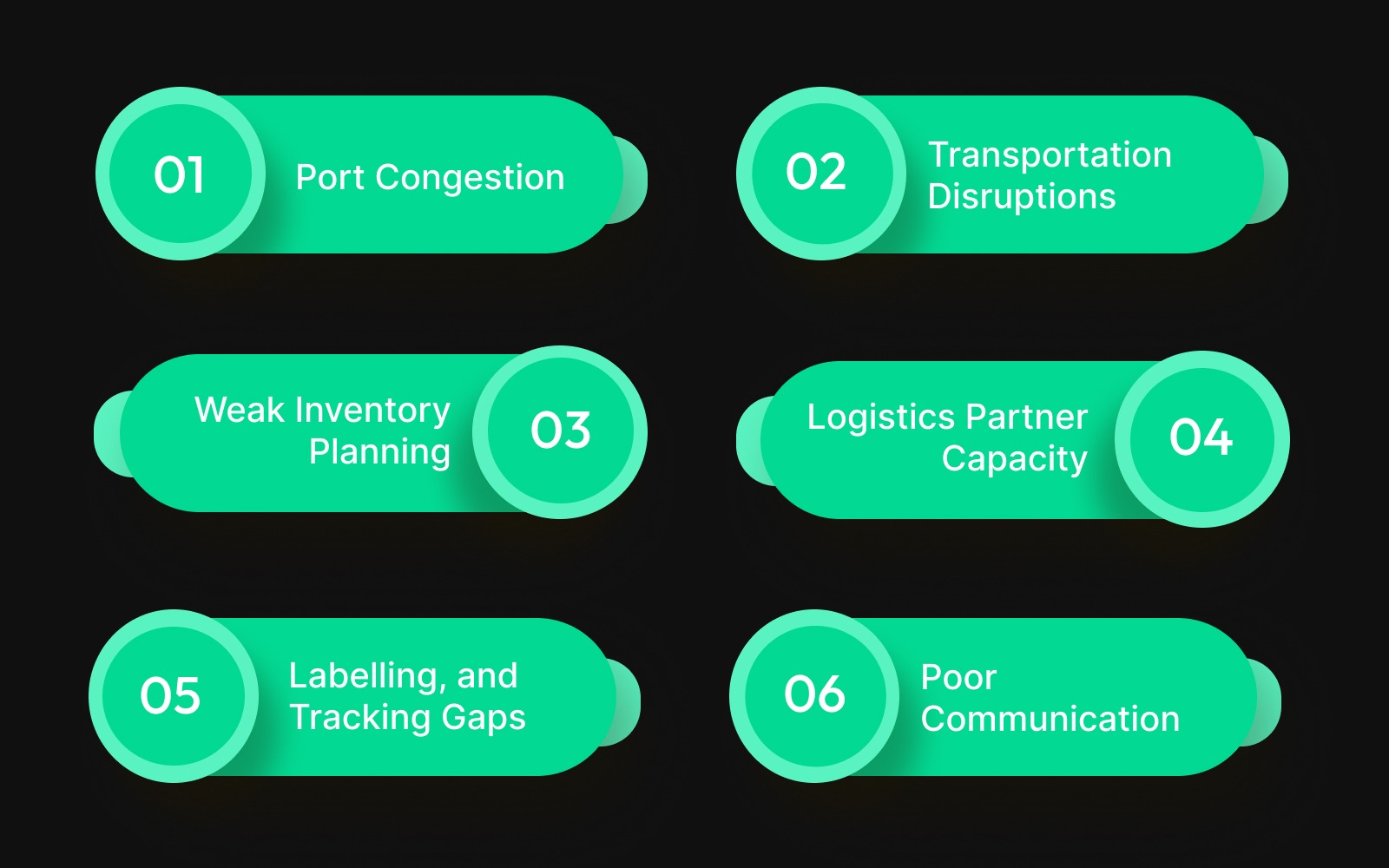
Delivery delays in exports usually build up across multiple stages, not just during transit. From port congestion to poor planning, several operational gaps quietly slow shipments down. Let’s take a look at the 6 most common causes:
1. Port Congestion and Infrastructure Bottlenecks
Port congestion is a major cause of delivery delay in global exports, especially during peak shipping periods. High vessel traffic, limited yard space, and slower port handling reduce container movement speed.
When vessels face delayed berthing or skip ports of loading entirely, exporters experience cargo rollovers. Containers then wait for the next available sailing, increasing storage costs and pushing delivery commitments further out.
2. Transportation Disruptions and Vehicle Issues
Inland transport delays often affect export shipments after dispatch. Traffic jams, route diversions, vehicle breakdowns, and routine checks disrupt movement without notice.
When inland movement slows, exporters miss port cut-off deadlines and lose confirmed vessel slots. These delays ripple across bookings, documentation timelines, and buyer delivery expectations.
3. Weak Inventory Planning and Demand Forecasting
Poor inventory planning is a common but overlooked cause of delivery delay in exports. Exporters often misjudge demand during sales seasons and struggle to align stock with confirmed orders.
As a result, exporters face rushed sourcing, partial shipments, or delayed dispatches. What starts as a forecasting gap quickly turns into missed sailing schedules and delayed deliveries.
4. Logistics Partner Capacity Limitations
Logistics partner limitations frequently contribute to delivery delays. Some carriers lack coverage in certain regions or restrict services during high-volume periods.
These gaps cause missed pickups, delayed handovers, and weak escalation support. Exporters then spend valuable time following up instead of focusing on shipment execution.
5. Packaging, Labelling, and Tracking Gaps
Packaging and labelling errors may seem minor, but they cause major delays in export shipments. Rushed packing leads to unclear labels, damaged cartons, or missing shipment details.
Such issues create confusion during handling and last-mile delivery. Without reliable tracking updates, exporters only learn about delays after buyers raise concerns.
6. Poor Communication and Lack of Backup Planning
Delivery delays worsen when communication stops during disruptions. Many exporters fail to update buyers proactively when shipments are rerouted or delayed. Internal teams also lack clarity on escalation responsibilities.
Without backup carriers or alternate routes, small disruptions escalate quickly. This lack of preparedness damages buyer trust and leads to repeated delivery failures.
Understanding these causes is only the first step. The real challenge begins when these delays start affecting your export operations.
Also Read: Understanding Delivery Order in Shipping Terms

Impact of Delivery Delay On Export Operations

Once delivery delays start affecting shipments, their impact moves beyond logistics. What looks like a late container often turns into operational, financial, and relationship challenges for exporters.
- Customer dissatisfaction and loss of trust: Late deliveries frustrate overseas buyers, increase disputes, and reduce repeat orders, especially when delivery timelines were contractually committed.
- Higher logistics and operational costs: Exporters incur additional storage charges, detention costs, expedited freight expenses, and penalty clauses due to missed delivery windows.
- Disrupted manufacturing and dispatch cycles: Delayed container movement slows production lines, reduces treatment capacity, and limits warehouse turnover during high-volume export periods.
- Revenue loss and missed sales opportunities: Delivery delays often lead to order cancellations, renegotiated pricing, or deferred payments from international buyers.
- Reputation damage in global markets: Repeated delays weaken your reliability image, making it harder to secure long-term contracts and trusted distributor relationships.
These impacts make one thing clear. Preventing delivery delays is not just about faster shipping, but about protecting your export business as a whole.
7 Proven Strategies To Reduce Delivery Delay
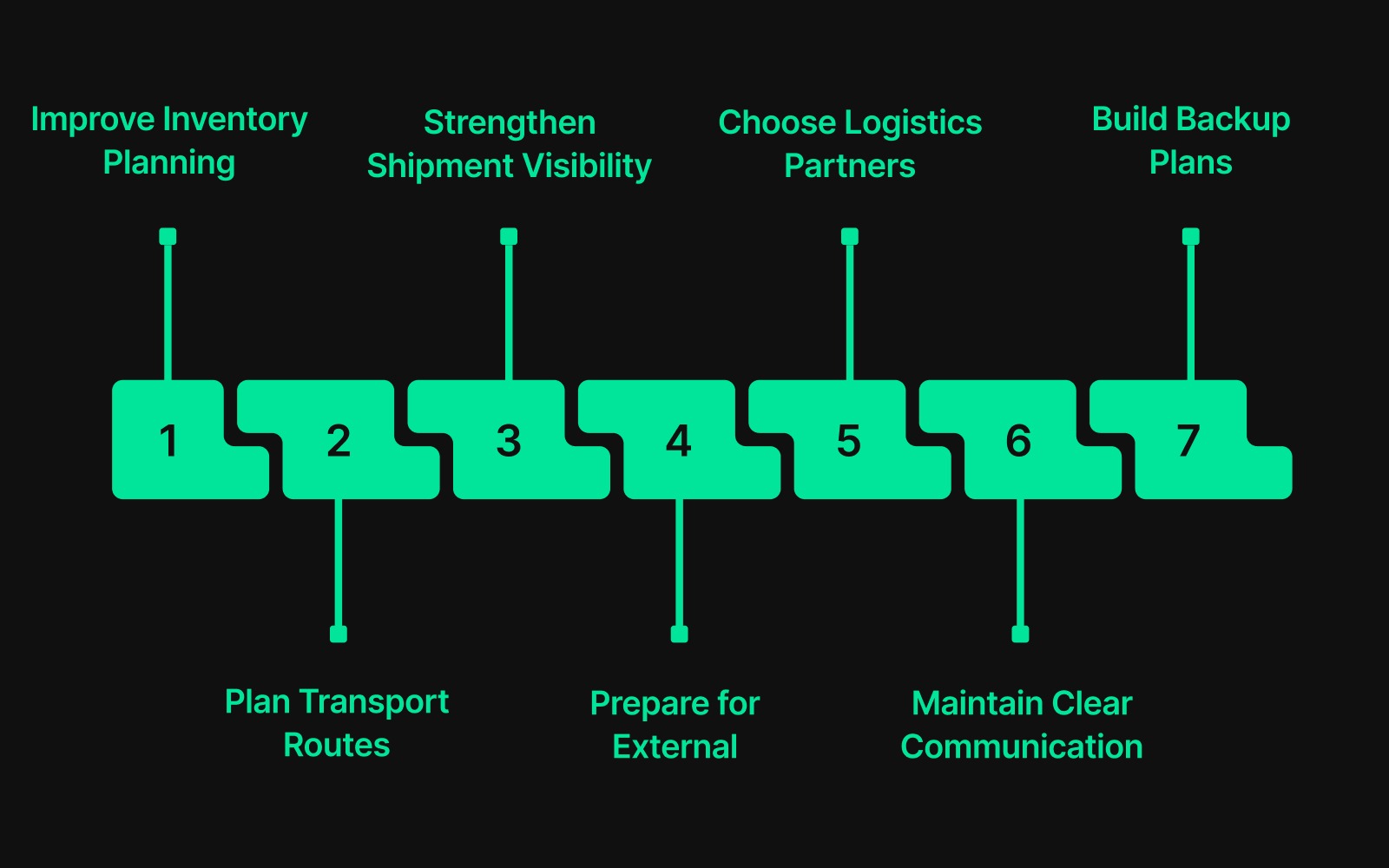
Delivery delays are reduced when exporters plan early, track closely, and respond faster to disruptions. These 7 strategies help reduce delays across planning, execution, and coordination stages:
1. Improve Inventory Planning and Demand Readiness
Weak inventory planning often triggers delivery delays before shipments even begin. Exporters need clearer demand signals and buffer planning during peak export periods.
- Analyse historical export data to identify seasonal demand spikes and repeat bottlenecks.
- Maintain safety stock for fast-moving products to absorb short-term supply disruptions.
- Confirm supplier lead times early to avoid rushed sourcing before dispatch.
Tools like Pazago help streamline logistics coordination by centralising order data, ensuring timely shipment planning, freight bookings, and production scheduling, making delivery timelines more predictable.
2. Plan Transport Routes and Schedules Proactively
Transport delays increase when routes and dispatch timelines are planned too close to cut-off dates. Proactive routing reduces dependency on single transit paths.
- Account for traffic congestion, weather conditions, and regional restrictions.
- Build buffer time into inland transport schedules before port gate closures.
- Identify alternate routes for high-risk corridors.
3. Strengthen Shipment Visibility With Real-Time Tracking
Limited shipment visibility delays decision-making when transit issues arise. Exporters benefit when they can track progress across inland transport, ports, and last-mile delivery.
- Monitor shipment milestones regularly instead of relying on manual follow-ups.
- Identify exceptions early to reroute or reset buyer timelines.
- Share accurate tracking updates with buyers to reduce follow-up pressure.
Pazago centralises real-time tracking, offering end-to-end visibility across transport stages. By coordinating bookings, port schedules, and freight updates in one platform, exporters can ensure timely deliveries and reduce unnecessary delays.
4. Prepare for External and Geo-Economic Disruptions
Global trade remains vulnerable to unexpected events that restrict capacity and movement. Exporters need flexibility to absorb such shocks.
- Monitor global trade disruptions and port advisories regularly.
- Avoid overdependence on a single route or region during volatile periods.
- Spread risk across suppliers, ports, or shipping lines where possible.
5. Choose Logistics Partners Based on Reliability
Logistics partners directly influence delivery timelines during high-volume export cycles. Choosing carriers based only on cost often leads to capacity and service gaps.
- Evaluate partners using on-time delivery performance and service coverage history.
- Work with forwarders experienced in handling long export supply chains.
- Keep a backup carrier ready for congestion or capacity-related disruptions.
6. Maintain Clear Communication With Buyers and Teams
Delays escalate when communication breaks down during disruptions. Clear updates reduce confusion and protect buyer relationships.
- Share shipment updates proactively instead of waiting for follow-ups.
- Align internal teams on revised timelines and responsibilities.
- Document escalation paths for delays and rerouting decisions.
7. Build Backup Plans for Peak and High-Risk Periods
Export operations become fragile without fallback options during peak seasons. Backup planning reduces panic-driven decisions.
- Maintain alternate logistics partners for capacity failures.
- Keep contingency stock for critical buyers or markets.
- Define internal response steps for weather, congestion, or vessel delays.
Strong processes reduce delays, but they work best when supported by the right systems. This is where technology plays a bigger role in export execution.
Also Read: What is Delivery Management and its Advantages?
How Can Technology Help Prevent Delivery Delays?

Export operations move across countries, teams, and timelines, making manual coordination difficult. Technology helps exporters stay ahead of delays. Instead of reacting late, you can spot risks early and act with clarity.
- Predictive insights: Historical data highlights recurring delays and risk periods. You can plan buffers and adjust schedules before disruptions escalate.
- Dynamic routing: Technology helps you adjust routes or timelines when congestion or weather affects transit. Flexibility keeps cargo moving despite changing conditions.
- Automation: Automation removes repetitive tasks like updates and reconciliations. Fewer manual steps mean fewer chances for mistakes that slow shipments.
- Centralised coordination: When shipment data, timelines, and discussions stay in one place, teams respond faster without miscommunication.
- Buyer-facing visibility and updates: Shareable tracking links and automated updates reduce follow-ups and improve buyer confidence during long transit cycles.
These capabilities are easier to implement when you manage shipments through connected systems rather than scattered tools.

How Export Documentation Errors Lead To Delivery Delay

Export documentation errors are one of the fastest ways shipments get delayed. Most delays happen because details do not match across invoices, packing lists, and declarations.
Small mistakes, like an incorrect HS code, mismatched quantities, or missing permits, can trigger customs holds. Once a shipment is flagged, clearance timelines become uncertain, leading to storage costs, missed delivery commitments, and frustrated buyers.
How To Fix It:
- Prepare all export documents using the same verified order data.
- Use digital templates to minimise manual entry during high-volume shipments.
- Maintain country-specific documentation checklists and review licence requirements early.
- Cross-check critical fields like HS codes, values, and product descriptions before submission.
Pazago helps exporters reduce documentation discrepancies by providing accurate shipment tracking and confirmed container bookings. This visibility ensures shipments stay on track, helping maintain consistency between documentation and freight execution.
Also Read: First-Mile Delivery: Importance, Process, Challenges, and Optimization
How Pazago Helps Exporters Reduce Delivery Delays
Delivery delays can stem from various stages in the export process, from planning and execution to coordination. Pazago helps you address these delays by centralising and streamlining logistics operations, ensuring all activities are connected in one operational system.
- Stable Freight Rates for Predictable Planning: With our long-term relationships with shipping lines, we offer competitive, fixed freight rates, ensuring exporters can plan with confidence and avoid unexpected cost fluctuations.
- Confirmed Container Bookings & Smooth Loading Coordination: Pazago ensures your container bookings are secured in advance, minimising delays due to equipment shortages or booking cancellations, and helps coordinate smooth loading, so shipments stay on schedule.
- Timely Shipment Visibility & Daily Updates: Receive real-time tracking updates on container movements, vessel ETD/ETA, and transshipment information, so you stay informed and can quickly address delays before they impact your timelines.
- Execution-Aligned Shipment Data: By keeping freight schedules, container details, and shipment milestones consistent, Pazago helps exporters reduce mismatches between physical movement and export records.
- Streamlined Communication & Collaboration: Our platform connects logistics, finance, and compliance teams with a single source of truth, enabling better coordination and reducing the risk of miscommunication that can lead to delays.
By consolidating freight planning, bookings, documentation, and tracking in one system, Pazago enables exporters to maintain full control over their shipments, avoid delays, and meet delivery commitments with confidence.
Summing Up
Delivery delays rarely stem from a single cause. They typically build up from planning gaps, missed shipment dates, poor visibility, and small documentation errors. To reduce these delays, it’s essential to understand where they originate and take proactive steps early on.
What sets reliable exporters apart is their ability to control the entire export workflow. By having clear order data, aligned shipment timelines, accurate documents, and well-coordinated teams, they can prevent last-minute firefighting.
By centralising orders, logistics, documents, and shipment visibility, Pazago enables exporters to run their operations with clarity, ensuring smoother processes and fewer surprises.
If delivery delays are becoming harder to manage as volumes grow, Pazago can help. Contact us and discover how Pazago streamlines your export workflow, reduces operational friction, and improves shipment efficiency.
FAQs
How to deal with delivery delays?
Start by identifying the root cause, whether it is documentation, logistics, or vessel schedules, and act early. Clear communication with freight partners and buyers helps limit the impact.
How long can a delivery be delayed?
Delivery delays can range from a few days to several weeks, depending on customs checks, port congestion, weather, or documentation issues.
What happens if delivery is delayed?
Delayed deliveries can lead to extra costs, missed sales timelines, penalties, and reduced buyer confidence. Over time, repeated delays may affect long-term trade relationships.
What can exporters do to prevent delivery delays?
Exporters can prevent delays by ensuring accurate documentation, confirming container bookings early, maintaining clear communication with all parties, and using real-time shipment tracking to stay ahead of potential issues.