.png)


India's Major & Minor Ports: Strategic Selection Guide for Exporters 2026

Optimize your business: use unlimited savings with Pazago fulfilled now!
Get Started ->Your export order is packed, documentation is ready, and your buyer is waiting. But here's the decision that'll determine whether your containers move smoothly or sit idle, burning money: which port do you choose?
India's 7,517-kilometre coastline hosts over 200 ports, and selecting the wrong gateway can lead to demurrage charges piling up while your shipment waits. The challenge isn't just knowing port names, it's understanding which one gives you the fastest clearance, lowest handling costs, and best connectivity to your facility.
With India's maritime infrastructure evolving rapidly in 2026, this choice has become more critical than ever. In this guide, we'll break down everything you need to know about India's port ecosystem, from the 13 major ports to strategic selection factors that'll help you ship smarter and more profitably.
Key Takeaways
- India operates 13 major ports and over 200 non-major ports, with major ports handling approximately 850 million tonnes of cargo annually and facilitating 95% of trade by volume.
- Port selection impacts your entire export operation, from freight costs and transit times to customs clearance speed and ultimately, your profit margins and customer satisfaction.
- Private ports like Mundra often outperform government-run facilities in turnaround time and efficiency, despite being classified as "non-major" ports.
- Western coast ports (Arabian Sea) serve the Middle East, Europe, and Africa best, whilst eastern coast ports (Bay of Bengal) connect efficiently to Southeast Asia and Australia.
- The Sagarmala Programme and One Nation One Port Process are modernising India's port infrastructure, reducing documentation by 25% and aiming to reach 2,200 MMTPA capacity by 2030.
Understanding India's Port Infrastructure
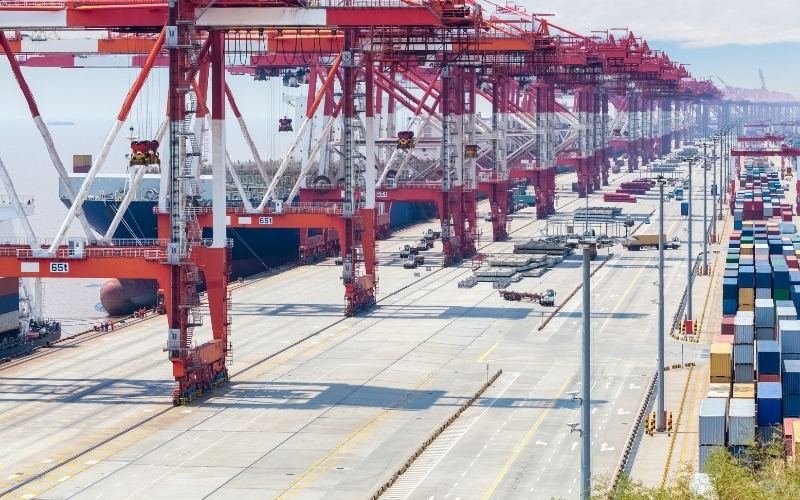
India's maritime network isn't just impressive geographically; it's the backbone of the country's export economy. The ports of India handle approximately 95% of trade by volume and 70% by value, which means nearly every export order you've fulfilled has likely moved through one of these maritime gateways.
The classification system divides ports into two distinct categories, and understanding this structure is crucial for your export strategy.
Major Ports vs Non-Major Ports
Major ports are owned and managed by the Central Government under the Ministry of Ports, Shipping and Waterways. As of 2026, India has 13 notified major ports, though only 12 are currently operational. These ports handle the lion's share of international cargo and are equipped with advanced infrastructure, deep-water berths, and sophisticated container-handling facilities.
The 13th major port, the International Container Transshipment Port at Galathea Bay in the Andaman and Nicobar Islands, was notified in September 2024 and is expected to be commissioned by 2028.
Non-major ports (also called minor ports) are managed by respective state governments through their Maritime Boards. India has over 200 non-major ports, though cargo handling occurs at only about 68 of them. The rest serve fishing vessels, ferries, and local transport needs.
Here's what's interesting: despite the "minor" label, some non-major ports, like Mundra (owned by the Adani Group), actually handle more cargo than several major ports. Mundra is India's largest commercial port and largest container port overall, even though it's technically a non-major port.
Must read: Top Private Ports in India for Efficient Export Operations
Cargo Volumes Across India's Major Ports
In FY 2024–25, India’s major ports handled around 855 million tonnes million tonnes of cargo, reflecting steady growth in maritime trade. Projections for FY 2026 suggest volumes may reach around 870 million tonnes, driven by expanding container traffic, energy imports, and bulk commodity exports.
The cargo mix reveals India's export diversity:
- Petroleum, oil, and lubricants: 28% of total cargo
- Coal: 24%
- Containers: 21.5%
- Iron ore, fertilisers, and other commodities: 27%
Looking ahead, cargo volumes at Indian ports are forecast to increase by 3-5% in FY 2026. Under the Maritime India Vision 2030, cargo capacity at major ports is projected to grow exponentially.
For exporters, these numbers signal one thing: capacity is expanding, but competition for berth slots during peak seasons is growing too. Planning your shipments around port capacity and seasonal traffic patterns isn't optional anymore; it's essential.
Complete List of Major Ports in India
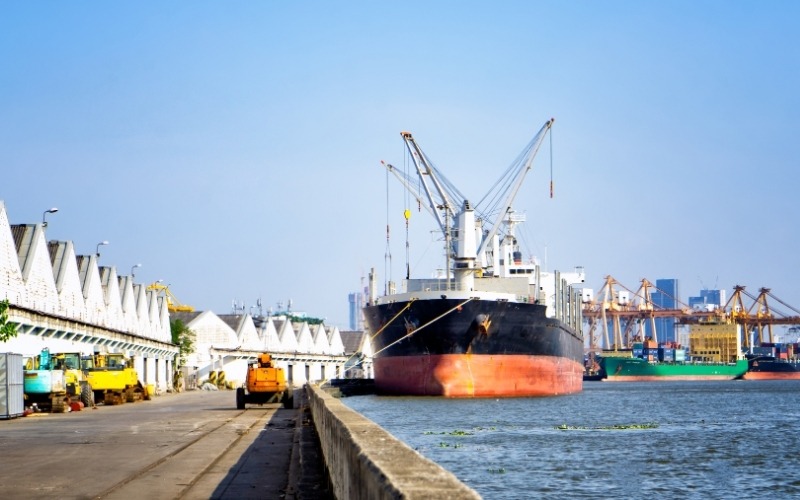
Understanding the geographical distribution of India's 13 major ports helps you quickly identify which gateways align with your manufacturing location and target export markets. Let's break them down by coast, examining their unique strengths and strategic positioning.
Western Coast Ports: Your Gateway to the Middle East, Europe & Africa
The western coast stretches from Gujarat to Kerala along the Arabian Sea and houses six major ports that serve as critical gateways for exports to the Middle East, Europe, Africa, and the Americas.
Deendayal Port (Kandla), Gujarat
Established in 1955 and renamed Deendayal Port in 2017, this is India's largest port by cargo volume. Located in Kandla Creek, 90 kilometres from the Gulf of Kutch, it handled approximately 132.3 million metric tonnes in FY 2023-24.
The port specialises in:
- Bulk liquid and dry cargo
- Petroleum and chemicals
- Grains, salt, and textiles
It's particularly valuable for exporters in Gujarat, Rajasthan, Punjab, Haryana, and Madhya Pradesh due to excellent road and rail connectivity. The port also benefits from its location on key trade corridors, such as the India-Middle East-Europe Economic Corridor (IMEEC) and the International North-South Transportation Corridor (INSTC).
Jawaharlal Nehru Port Trust (JNPT), Maharashtra
Located in Navi Mumbai and also known as Nhava Sheva, JNPT is India's largest container port among major ports, handling around 50% of the nation's containerised cargo. It's the terminal for the Western Dedicated Freight Corridor proposed by Indian Railways.
JNPT is crucial for exporters of:
- Textiles and pharmaceuticals
- Machinery and chemicals
- High-value manufactured goods
The port handled over 5 million TEUs (Twenty-Foot Equivalent Units) in recent years and continues to expand capacity through modernisation projects.
Mumbai Port, Maharashtra
One of India's oldest ports, Mumbai Port spans 400 square kilometres and is India's largest natural deep-water harbour. With water depths reaching 10-12 metres, it accommodates large cargo vessels with ease.
The port plays a key role in handling petroleum, chemicals, machinery, textiles, and manufactured goods for western India. Chemicals, machinery, textiles, and manufactured goods. Its location in India's financial capital provides excellent connectivity to markets across western and northern India.
Mormugao Port, Goa
Located at the mouth of the River Zuari, Mormugao is India's premier iron ore exporting port. For exporters dealing with iron ore, processed fish, pharmaceutical products, and cashew nuts, Mormugao offers specialised handling facilities.
New Mangalore Port, Karnataka
Established in 1975, this all-weather port at Panambur boasts the deepest inner harbour on India's western coast. The port handles crude oil, petroleum products, fertilisers, coal, and containerised cargo. It's particularly important for exporters in Karnataka's industrial belt, including Bangalore.
Cochin Port, Kerala
Situated on two islands in Vembanad Lake, Cochin Port opens onto the Laccadive Sea. Operational since the 14th century, it remains a crucial hub for spice exports, as well as for petroleum products, coal, and fertilisers. The International Container Transshipment Terminal at Vallarpadam has positioned Cochin as a strategic gateway for containerised exports.

Must read: Major Busy Ports and Cargo in India
Eastern Coast Ports: Your Connection to Southeast Asia & Beyond
India's eastern coast along the Bay of Bengal hosts six major ports that primarily serve markets in Southeast Asia, East Asia, Australia, and increasingly, East Africa. These ports face unique challenges, including seasonal cyclones but offer strategic advantages for specific trade routes.
Kolkata Port (Syama Prasad Mookerjee Port), West Bengal
India's oldest operating port and the only major riverine port serves the vast regions of Eastern and Northeastern India. It comprises the Kolkata Dock System and the Haldia Dock Complex.
The port is the primary gateway for trade with Nepal and Bhutan and ranks third in India for container traffic. It's crucial for exporters of jute products, tea, leather goods, and engineering products from the eastern region.
Paradip Port, Odisha
An artificial deep-water port on the confluence of the Mahanadi River and the Bay of Bengal, Paradip has emerged as one of India’s highest-cargo-handling major ports in recent years.
The port specialises in:
- Coal and iron ore
- Fertilisers and bulk cargo
- Mineral exports from Odisha and Jharkhand
Visakhapatnam Port, Andhra Pradesh
Home to India's deepest natural harbour, Visakhapatnam Port is the third-largest port by cargo volume and the largest on the eastern coast. The Dolphin's Nose Hill naturally protects the harbour from cyclones.
The port comprises an Inner Harbour with 22 berths and an Outer Harbour with 8 berths plus a single point mooring facility. In FY 2023-24, it led India's seafood exports and also handles significant volumes of iron ore, steel, thermal coal, bauxite, and manganese ore.
Chennai Port, Tamil Nadu
Formerly known as Madras Port, Chennai is the second-largest container port in India and the largest in the Bay of Bengal. Operational since 1881, it's India's third-oldest port.
Located on the Coromandel Coast, the port handles over 100 million tonnes of goods annually and connects directly to more than 50 ports worldwide. It's crucial for exports of automobiles, leather goods, textiles, granite, and manufactured products.
V.O. Chidambaranar Port (Tuticorin), Tamil Nadu
Strategically located along East-West international sea routes, this port is a major hub for container and bulk cargo traffic in South India. Tuticorin handles exports of salt, chemicals, food grains, and manufactured goods.
Kamarajar Port (Ennore), Tamil Nadu
Located about 20 kilometres north of Chennai Port, Ennore is India's first major port to be corporatised. It specialises in thermal coal imports but also handles containerised cargo and liquid bulk, offering an alternative to Chennai with modern infrastructure.
Upcoming Game-Changer: Vadhavan Port
In June 2024, the government approved the establishment of Vadhavan Port in Maharashtra with an estimated cost of ₹76,220 crore (approximately $9.14 billion). This will function as India's deepest and most advanced container port, with 74% shareholding by JNPT and 26% by Maharashtra Maritime Board.
Also read: Top 10 Busiest and Largest Container Ports in the World
Key Non-Major Ports Every Exporter Should Know
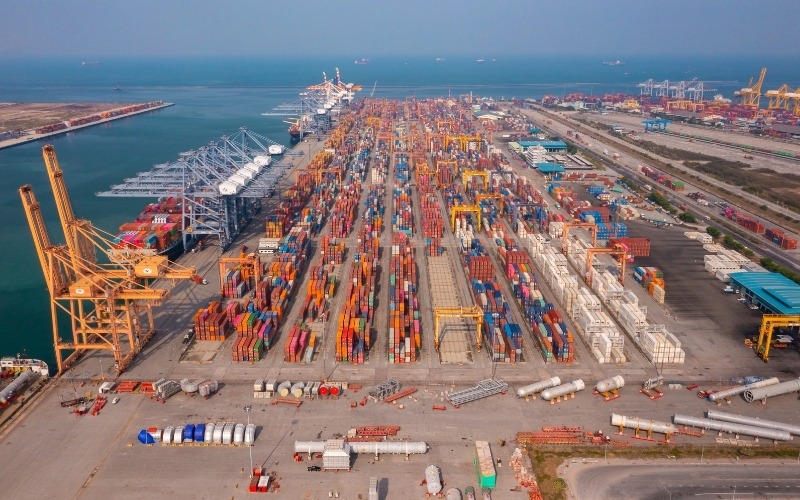
Whilst major ports dominate the headlines, several non-major ports have become indispensable to exporters due to their specialised facilities, private-sector efficiency, and strategic locations. Understanding these alternatives can significantly improve your export operations and cost structure.
Mundra Port, Gujarat
Owned by Adani Ports and SEZ Limited, Mundra is India's largest commercial port and largest container port overall. Located on the northern shores of the Gulf of Kutch, it's India's first private port and a Special Economic Zone.
Mundra consistently handles the highest cargo and container volumes in the country, surpassing most major ports. For exporters dealing with containerised cargo, edible oils, pulses, or grains, Mundra offers:
- State-of-the-art container terminals
- Efficient cargo handling systems
- Excellent connectivity through dedicated rail sidings
- Private sector management translates to faster turnaround times
Other Strategic Non-Major Ports
Pipavav Port, Gujarat, specialises in Ro-Ro (roll-on/roll-off) cargo and containerised shipments, making it particularly popular with automobile exporters and those shipping machinery.
Krishnapatnam Port, Andhra Pradesh, is a deep-water port on the eastern coast handling coal, iron ore, and containerised cargo. Its modern facilities and efficient operations make it an attractive alternative to nearby major ports.
Dhamra Port in Odisha handles coal, iron ore, and other bulk cargo. Its proximity to mineral-rich areas of Odisha and Jharkhand makes it strategically important for exporters in the mining and metals sector.
The key advantage of these non-major ports often lies in operational efficiency. Private-sector management typically means better cargo-handling equipment, faster documentation processing, and more responsive customer service, differences that can significantly impact your bottom line for time-sensitive exports.
Also read: Understanding Shipment Delays in India: Causes & Solutions
How Pazago Helps Exporters Manage Operations Across Ports of India
Choosing the right port is the first step. The challenge begins once cargo enters the port ecosystem, where timelines, documentation cut-offs, customs coordination, and vessel schedules must stay aligned. Delays usually happen when these elements are tracked in isolation.
Pazago supports exporters by keeping port operations, documentation, and shipment movement connected at the order level, so execution stays predictable across different Indian ports.
Centralised control over port-specific documentation
Each port has strict cut-off times for shipping bills, gate-in, and documentation. Pazago helps exporters manage commercial invoices, packing lists, shipping bills, and supporting documents from one place, reducing last-minute errors that cause customs or terminal delays.
Visibility across port milestones and vessel schedules
Exporters often lose time tracking vessel ETDs, gate close times, and customs examination status across different emails and portals. Pazago brings these milestones together, helping teams stay aligned with port timelines and avoid rollovers or missed sailings.
Coordination with multiple logistics partners
Managing shipments through India’s ports involves freight forwarders, CHAs, transporters, and shipping lines. Pazago keeps coordination tied to each order, reducing dependency on scattered WhatsApp messages and manual follow-ups.
Reduced demurrage and detention risk
Missed documentation cut-offs or unclear shipment status often lead to demurrage and detention charges. By keeping shipment progress and port readiness visible, Pazago helps exporters act early instead of reacting after costs have already started accumulating.
Also read: Shipping Management System in Global Trade
Conclusion
Your choice of port impacts every aspect of your export operation, from documentation efficiency and customs clearance speed to freight costs and delivery timelines.
Don't automatically default to the nearest major port or the one you've always used. Evaluate your options based on cargo type, destination markets, manufacturing location, and service quality requirements. Work with experienced freight forwarders, leverage digital tools for visibility, and review your port performance quarterly.
If port-related delays, documentation cut-offs, or coordination gaps are affecting your exports, it’s time to bring structure to port execution. Pazago helps exporters manage shipments across India’s ports with better visibility, coordination, and control.
Explore how Pazago can help you handle port-level logistics smoothly.

Frequently Asked Questions
Q1: Which is the largest port in India by cargo volume?
Deendayal Port (Kandla) in Gujarat is the largest major port by cargo volume. However, Mundra Port (a non-major port) is India's largest commercial port overall, handling more cargo than any other port in the country.
Q2: How many major ports are there in India in 2026?
As of 2026, India has 13 notified major ports, of which 12 are currently operational. The 13th port at Galathea Bay in the Andaman & Nicobar Islands is expected to be commissioned by 2028.
Q3: Which Indian port is best for exports to the Middle East?
Western coast ports such as Deendayal Port (Kandla), Mundra Port, and JNPT offer the best connectivity to Middle Eastern destinations due to their geographical proximity and frequent direct sailings.
Q4: Do I need separate documentation for different ports?
Core export documentation remains the same across all ports. However, you need a separate AD Code for each port you use. The One Nation One Port Process has unified documentation procedures across major ports.
Q5: How long does customs clearance take at Indian ports?
For routine exports with proper documentation, clearance typically completes within 24-48 hours at efficient ports. Timelines vary based on cargo type, documentation accuracy, and whether physical examination is required.